

More news on this day
Travelers are increasingly plotting their getaways around what is on the menu, and recent developments suggest Oklahoma City is positioning itself as a serious destination for visitors who will travel for food.
Get the latest news straight to your inbox!
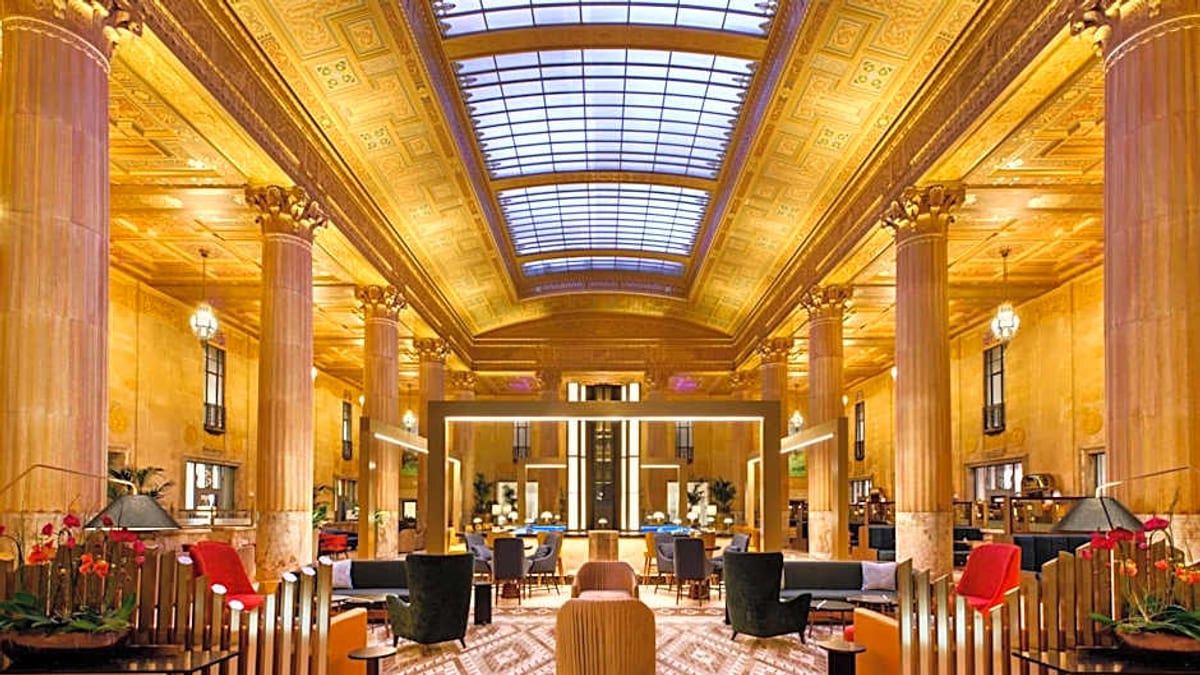
Image by heraldextra.com
Indigenous flavors at the First Americans Museum
One of the most closely watched culinary stories in Oklahoma City is unfolding at the First Americans Museum on the city’s south side. Its on-site restaurant, Thirty Nine, has drawn national attention for an approach rooted in the food traditions of the 39 tribal nations that call Oklahoma home.
Publicly available information from the museum and the restaurant indicates that Thirty Nine focuses on precolonial ingredients such as bison, turkey, corn and wild greens, with menus designed to highlight Native foodways and the region’s agricultural history. The restaurant has attracted notice from national lifestyle media and wine publications, which have highlighted it as a one-of-a-kind dining experience and recognized its beverage program.
The restaurant has also undergone a period of reconceptualization, with museum communications indicating plans for expanded gardens, outdoor cooking areas and educational programming tied to traditional crops. For travelers, that evolution signals that a meal here is intended as both a cultural experience and a culinary one, adding a distinctive stop to any Oklahoma City itinerary.
Although details of day-to-day operations can shift, the broader trajectory is clear. The combination of a major cultural institution and a chef-driven restaurant focused on Indigenous cuisine is giving Oklahoma City a story that stands out in the wider national conversation about food-focused travel.
Asian District turns noodles and night markets into a draw
North of downtown, Oklahoma City’s Asian District has quietly become one of the city’s strongest arguments for a food-focused visit. Long known locally for Vietnamese restaurants and markets, the neighborhood has grown into a broader hub of Asian and international dining, with recent development adding new housing and retail alongside established eateries.
Community and city materials describe the district as a center of Asian culture and commerce, where cafes, bakeries and pho shops sit near newer concepts aimed at younger diners. Apartment and real estate promotions point to the ability to walk from new residential buildings to a concentration of restaurants that serve everything from classic vermicelli bowls to contemporary fusion dishes.
The district’s annual Asian Night Market Festival, scheduled for early October 2025, is emerging as a marquee culinary event. Organizers report that attendance has grown from about 15,000 people at its launch in 2018 to crowds approaching 80,000 in recent years, drawn by food stalls, trucks and vendors serving a wide range of Asian cuisines alongside performances and family activities.
For visitors, the combination of an everyday dining neighborhood and a large-scale night market means Oklahoma City now offers the kind of immersive, street-level food experiences that many travelers seek in larger coastal cities, but with shorter lines and lower prices.
National accolades put local restaurants on the map
Oklahoma City’s dining scene is also gaining validation from national awards and media coverage, which in turn helps travelers discover places they might otherwise overlook. Reports on recent James Beard Foundation announcements show that Oklahoma City chefs and restaurants have appeared repeatedly on semifinalist and finalist lists for categories such as Best Chef and Outstanding Restaurant.
Coverage from regional outlets notes that local establishments including establishments like Nonesuch and Sedalia’s have helped push the city into conversations once dominated by coastal markets. Nonesuch in particular has appeared in national roundups of destination restaurants, while newer spots have been cited as part of a broader wave of chef-driven openings across the metro area.
At the same time, long-standing institutions are receiving overdue attention. Florence’s Restaurant, a soul food landmark on the city’s northeast side, has been recognized with a major national culinary award, underscoring the depth and longevity of Oklahoma City’s food culture beyond its newest hotspots.
For travelers weighing where to spend limited vacation days, these accolades serve as shorthand that Oklahoma City’s restaurants are being evaluated alongside peers in much larger markets, suggesting that a dedicated food trip can compete with more established culinary cities.
New districts and developments reshape where visitors eat
Beyond individual restaurants, Oklahoma City is seeing sizable investment in mixed-use districts that place dining at the center of new travel corridors. One high profile example is the OAK OKC development, where published descriptions highlight a mix of luxury apartments, retail and restaurants, including national steakhouse and Tex Mex concepts and a resort-style hotel.
These projects, often located along major highways or near entertainment districts, give out-of-town visitors easy access to recognizable names alongside local operators. Hospitality and tourism materials emphasize that such districts are intended to extend the amount of time visitors spend in the city, pairing dining with shopping, live music and sporting events.
Downtown and adjacent neighborhoods are seeing similar patterns. Food halls in Midtown and near the central business district group multiple vendors under one roof, allowing travelers to sample barbecue, global street food and desserts without crossing town. Local lifestyle coverage has pointed to these spaces as incubators for new concepts that may later open standalone locations.
Together, these developments are reshaping the practical side of eating in Oklahoma City. Travelers who may only have a weekend can now cover more ground, moving between Indigenous cuisine, long-running diners and contemporary eateries with relatively short drives or rideshare trips.
Events and festivals turn eating into an itinerary
Layered on top of restaurants and districts is a growing calendar of food-centric events that invite visitors to plan trips around specific weekends. One example is Taste of OKC, a culinary fundraiser held at the Oklahoma City Convention Center. Event listings describe it as a showcase of local chefs and restaurants, promising an evening of dishes from fine dining rooms and contemporary kitchens across the metro.
Trade materials also highlight the Oklahoma Food and Beverage Expo, scheduled at the same convention center, which draws producers, distributors and hospitality professionals to the city. While industry focused, such gatherings contribute to a sense of momentum in the local food economy and often coincide with special menus and pop up dinners.
Across the city, smaller dinners and collaborative events add to the mix, from gatherings that spotlight the Asian District’s businesses to guest chef series at independent restaurants. Community calendars and social media feeds show a steady rhythm of ticketed tastings, brewery pairings and neighborhood food celebrations throughout the year.
For travelers inclined to “will travel for food,” these events help turn Oklahoma City from a quick stopover into a primary destination. A long weekend can now be structured around a festival night market, a ticketed tasting downtown and a museum visit anchored by an Indigenous meal, giving the city a compelling case as a food first getaway.