

Blue Lagoon is one of the most coveted day-trip destinations from Kos, thanks to its white-sand seabed and luminous turquoise water that looks almost unreal in the Aegean sun.
While there is no road access to this sheltered bay, getting there from Kos is surprisingly easy if you understand the different boat options, departure points and seasonal conditions.
Understanding Where Blue Lagoon Is and Why It Matters for Transport
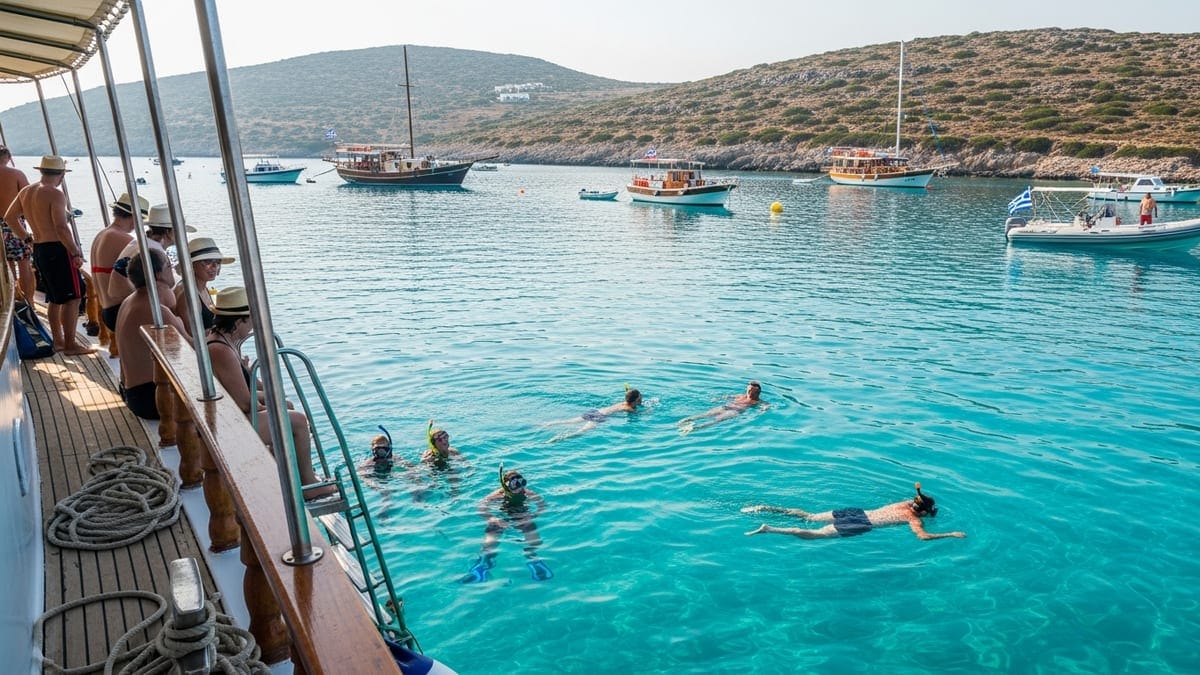
When people in Kos talk about “Blue Lagoon,” they are usually referring to the dazzling, shallow bay off the small island of Pserimos, just north of Kos in the Dodecanese.
The lagoon forms where a bright, sandy seabed and sheltered bay combine to create almost tropical turquoise colors. It is not on Kos itself, and there is no direct public ferry to a “Blue Lagoon pier.”
Instead, the lagoon is reached only by excursion boats and private charters that anchor offshore for swimming and snorkeling stops.
This geography matters because it dictates how you plan your trip. Any visit to Blue Lagoon will involve at least two stages: getting from your hotel or resort to a departure harbor on Kos, then sailing across to Pserimos and the surrounding islets.
Travel times and prices vary according to which port you depart from and whether the Blue Lagoon stop is combined with other islands such as Kalymnos, Plati, or even a scenic stop in Vathi on nearby Kalymnos.
Most visitors join a shared cruise, which keeps costs reasonable and includes lunch or a barbecue on board.
Another important point is that the Blue Lagoon is not a formal, fenced-off attraction with a ticket booth. It is an anchorage chosen by captains based on weather, visibility and crowding.
Conditions change during the day, so precise stopping points shift slightly, but as a visitor you experience it simply as a boat mooring in spectacularly clear, waist-deep water.
Because there is no pier or facilities in the lagoon itself, everything you need must be on the boat with you, from snorkel gear to snacks and shade.
Finally, remember that Blue Lagoon cruises are highly seasonal. Most operators run daily or several times a week from late April or early May through October, with peak frequency from June to September. Outside these months there may be very limited departures, or none at all, depending on sea conditions.
If you are visiting in shoulder months like April or late October, it is essential to check schedules and pre-book to avoid disappointment.
Getting to Blue Lagoon from Kos Town
Kos Town is the main hub for boat trips to Blue Lagoon. The town’s harbor, just below the medieval castle, is lined with wooden excursion boats, glass-bottom vessels and themed “pirate” ships that sail daily to Pserimos and the famous lagoon when the weather allows.
Typical half-day cruises marketed as “Pserimos & Blue Lagoon” or full-day “3 Islands” trips depart mid-morning or around noon and return in the late afternoon, leaving you with enough time for dinner back in Kos Town.
A representative example is the half-day cruise from Kos Harbor that sails to Pserimos for a beach or village stop before continuing to the Blue Lagoon for a dedicated swim stop.
Many such tours advertise departures around midday and returns by roughly 16:30, often including a simple lunch of souvlaki or vegetarian options served on deck. Another popular format is the classic “3 Islands Cruise” that combines Pserimos, Kalymnos and tiny Plati.
These full-day journeys usually leave Kos Harbor around 09:30, include a taverna lunch on Kalymnos and give you at least one swim stop in a blue lagoon-style bay near Plati or Pserimos.
From a practical standpoint, reaching the departure pier in Kos Town is straightforward. If you are staying in or near the town, you can often walk to the harbor in 10 to 20 minutes.
Hotels along the Lambi and Psalidi strips are usually within a short taxi ride or local bus trip of the port.
During high season, taxis line up around the harbor in the morning, but it is wise to allow a buffer of at least 20 minutes before boarding time, as captains typically start welcoming guests about half an hour before departure.
Many tour agencies and online booking platforms also bundle hotel transfers with Blue Lagoon cruises. In these cases, a coach or minibus collects you from larger resorts and brings you directly to Kos Port, where a representative helps you find your boat.
If you prefer to be independent, you can still purchase tickets directly from the boats at the harbor, especially if you are flexible on dates. For July and August visits, however, pre-booking is recommended to secure a space, particularly on more intimate or themed cruises with limited capacity.
Getting to Blue Lagoon from Kardamena, Tigaki and Other Resorts
Not everyone stays in Kos Town, and the island’s scattered resorts enjoy their own access options to Blue Lagoon.
Kardamena on the south coast, Tigaki on the north coast and Marmari, Mastichari and Kefalos all see regular flows of guests heading to Kos Port specifically for Blue Lagoon cruises.
The key decision is whether you join an organized excursion that includes transfer, or reach Kos Town independently and book your boat from there.
From Kardamena, you have two main choices. First, you can travel by road to Kos Town, about 30 kilometers away. Regular buses connect the two, operating more frequently in summer, and taxis are widely available, though more expensive.
Second, you can join cruises and private charters that operate directly from Kardamena harbor. Several local agencies offer themed day trips and speedboat tours to nearby islands, including routes that feature snorkeling in turquoise bays around Pserimos, Plati and Kalymnos.
These are especially appealing if you prefer to avoid the longer transfer to Kos Town or want a smaller-group feel.
Guests staying in Tigaki, Marmari and Mastichari typically head to Kos Port to reach Blue Lagoon. The north coast bus route makes this relatively simple, with direct services to Kos Town in high season.
Travel times range from about 20 to 40 minutes depending on where you board and how many intermediate stops the bus makes. Mastichari also has its own ferry connections to Kalymnos, but these conventional ferries are primarily for transport rather than lagoon swimming excursions.
If your priority is the Blue Lagoon experience rather than island-hopping logistics, joining a designated cruise from Kos Harbor remains the most reliable option.
In Kefalos at the southwest tip of Kos, distances are longer and public buses less frequent. Many visitors from this area choose organized excursions that include hotel pickup, port transfers and a guaranteed seat on a specific Blue Lagoon cruise.
These packages can be booked through local travel agencies in Kefalos, hotel reception desks or online in advance.
While the early start and longer coach ride may feel like an effort, the payoff is a hassle-free day where you are guided from door to deck and back again, with no need to juggle timetables.
Boat Types, Trip Durations and Onboard Experience
Once you have reached your departure harbor, the next key choice is the style of boat.
Around Kos, Blue Lagoon trips are offered on large wooden excursion vessels, medium-sized glass-bottom boats, RIBs (rigid inflatable boats) with powerful engines and smaller motor cruisers.
Each offers a different balance of comfort, speed and atmosphere. Large wooden cruisers usually have ample deck space, shaded seating, snack bars and basic restrooms, making them ideal for families and those prone to seasickness who value stability and amenities.
Glass-bottom boats and dedicated snorkeling vessels are usually slightly smaller but designed to keep you close to the water.
A number of tours emphasize snorkel time in a private blue lagoon on Pserimos, providing masks, fins and guidance while keeping group sizes moderate.
These are a good fit if you want more time in the water and less time sailing between islands. RIBs and speedboats, often used for private charters, reach the lagoon quickly and can tuck into small coves away from larger crowds.
On the downside, you are more exposed to wind and spray, and space on board is limited.
Trip durations are fairly consistent across operators. A classic full-day 3-island cruise, including Blue Lagoon-style swim stops, usually runs for about seven to eight hours from departure to return.
You can expect a sailing time of roughly one hour each way between Kos Port and the first island, plus additional legs between Pserimos, Kalymnos and Plati.
By contrast, half-day “Pserimos & Blue Lagoon” excursions typically last three to four hours in total, with a shorter navigation time and focused stops for swimming and a light meal onboard.
Onboard experience follows a recognizable pattern. After boarding in Kos or Kardamena, you will be briefed on safety, given an overview of the day’s route and offered drinks for purchase at the bar.
Once anchored at Blue Lagoon, the crew lowers a swim ladder and may provide pool noodles, life jackets and snorkeling gear. Lunch is often served either before or after the main swim stop, depending on timing and sea conditions.
Music, commentary and a relaxed holiday atmosphere are the norm, but there is always the option to retreat to a quieter section of deck if you prefer to simply soak in the views.
Organized Tours vs Independent Booking
For many visitors, the easiest way to reach Blue Lagoon is by joining an organized excursion that bundles boat tickets with hotel transfers, an escort and sometimes lunch.
These packages are widely sold through local travel desks on Kos and global booking platforms. Typically, you are collected from your hotel in the morning, transported by coach or minibus to Kos Harbor, guided to your boat and then returned to your accommodation after the cruise.
This option is especially convenient if you are staying far from Kos Town or traveling in a large family group that prefers a single, pre-arranged plan.
Organized day trips often highlight additional stops to enhance value. Common combinations include strolls through the picturesque harbor town of Vathi on Kalymnos, lunch in a traditional taverna on one of the islands and a final swim in the Blue Lagoon’s shimmering waters. Inclusions can vary from a simple onboard barbecue to a full sit-down restaurant meal with set menu choices.
When comparing tours, pay attention to what is covered in the ticket price and what remains at your own expense, such as drinks, snorkel rental or port taxes.
Independent travelers, on the other hand, may prefer to book directly with boat operators on the harbor or via their own websites.
Buying tickets in person in Kos Town gives you the chance to see the vessel, ask about passenger numbers for the day and judge the overall vibe. If you are flexible on dates and traveling outside the absolute peak weeks, this can be an excellent approach.
Prices advertised at the boats are usually competitive, and last-minute seats are often available, especially on larger cruisers.
The main trade-offs between organized tours and independent booking revolve around convenience and flexibility. Organized packages save you from arranging separate transfers and make the day nearly frictionless, but you are tied to a particular schedule and larger group.
Independent booking requires more planning, particularly around getting to and from the port, yet allows you to choose the exact boat, departure time and tour style that suits your budget and interests.
Both approaches will get you to Blue Lagoon; the best choice depends on how much you value autonomy versus simplicity.
Private Charters and Small-Group Options
If you want a more exclusive experience at Blue Lagoon, consider hiring a private boat or joining a small-group charter.
Around Kos, specialized companies offer half-day and full-day private cruises using comfortable RIBs or motor yachts, usually with an experienced skipper included.
These itineraries often focus on the quieter side of Pserimos, secluded coves on Plati and handpicked blue-water anchorages chosen according to wind direction and sea state on the day of your trip.
Private charters are significantly more expensive than joining a standard excursion, but the cost can be reasonable when split among a family or small group of friends.
The main advantages are flexibility and privacy. You can decide how long to stay at each bay, whether to linger at the Blue Lagoon for extra snorkeling, or divert to a taverna that appeals to you rather than following a fixed timetable.
Many charters also include extras such as soft drinks, fruit, snorkeling equipment and, in some cases, stand-up paddleboards or other water toys.
There are also hybrid options that combine some of the intimacy of a private charter with the affordability of a shared cruise.
These small-group tours typically cap numbers at a few dozen guests rather than well over a hundred, and may focus on snorkeling or off-the-beaten-path bays rather than crowded harbors.
Some dive centers in Kos, for example, organize snorkeling-focused excursions to a private blue lagoon on Pserimos with guided underwater exploration and time to relax on deck afterwards.
When considering a private or small-group option, it is important to book well in advance during high season, especially for particular dates like weekends or public holidays.
Discuss your expectations clearly with the operator: if Blue Lagoon is a non-negotiable highlight for you, confirm that it is on the default route and ask how sea conditions might affect that plan.
A good skipper will be honest about what is realistic and may suggest alternative bays if wind or swell makes the lagoon itself less enjoyable on a given day.
Costs, Booking Tips and Practical Advice
Budgeting for a Blue Lagoon visit from Kos is relatively straightforward once you understand the main components: boat ticket, transfers to and from the port, food and drinks, plus any optional extras like snorkel hire or sunbed reservations.
As of recent seasons, shared half-day cruises from Kos Harbor to Pserimos and the Blue Lagoon typically start at around the mid-twenties in euros for adults, with discounted rates for children and free or minimal charges for infants.
Full-day 3-island cruises tend to cost more, especially if they include a restaurant lunch on one of the islands.
Transfers are either bundled into the tour price or paid separately. If your hotel is close to Kos Town, you may only need a short bus ride or taxi, keeping costs low.
Guests coming from more distant resorts, particularly Kefalos, may find that organized packages with coach transport offer better value than arranging taxis both ways.
When comparing offers in travel agencies or online, read the inclusions carefully: terms like “meal included” can range from a simple barbecue on deck to a multi-course sit-down lunch ashore.
In terms of timing, Blue Lagoon cruises are extremely popular in July and August, when island visitor numbers peak and the weather is consistently warm. For these months, it is wise to reserve at least a few days ahead, especially for small-group boats or charters.
In shoulder months from May to early June and late September to October, same-day or next-day bookings are usually possible, though some operators reduce frequency or switch to fewer sailings per week.
Always reconfirm departure times a day in advance, since wind or port authority instructions can trigger last-minute schedule adjustments.
Finally, a few practical tips can make your Blue Lagoon trip smoother. Bring reef-safe sunscreen, as the sun reflecting off the water can be intense, and reapply often. Pack a hat, sunglasses, a light cover-up and a towel, along with swimwear you can comfortably climb a ladder in.
Many boats accept card payments, but having cash on hand is useful for onboard bars, snacks or tips. If you are prone to seasickness, consider taking a motion-sickness tablet before departure, even though the route usually stays in relatively sheltered waters.
Respect crew safety instructions, especially regarding jumping from the boat and swimming around anchors, and you will be free to focus on the main attraction: that mesmerizing, translucent blue water.
The Takeaway
Reaching Blue Lagoon from Kos is less a logistical puzzle and more a question of choosing the experience that fits your style. Whether you walk down to Kos Harbor for a last-minute half-day cruise, join a full-day 3-island voyage with lunch in a Kalymnos taverna, or splurge on a private RIB charter that lingers in quiet coves, the essential ingredients are the same: a boat, a short sail across the Aegean and a swim stop in some of the clearest water in the Dodecanese.
The fact that Blue Lagoon is accessible only by sea is part of its magic. There are no roads, turnstiles or beachfront developments intruding on the scene, just boats anchored in a natural amphitheater of shimmering turquoise.
By understanding the different departure points, boat types, tour formats and seasonal patterns, you can turn what might seem like a simple day trip into a highlight of your time on Kos.
Plan ahead when needed, remain flexible when the weather demands it and let the lagoon’s improbable colors do the rest.
FAQ
Q1. Where exactly is Blue Lagoon in relation to Kos?
Blue Lagoon is a shallow, turquoise bay near the small island of Pserimos, just north of Kos. It is not on Kos itself and is reachable only by boat on organized cruises or private charters.
Q2. Can I drive or hike directly to Blue Lagoon from my hotel?
No. There is no road or walking access to Blue Lagoon. All visits involve traveling first to a departure harbor such as Kos Town or Kardamena and then taking a boat that anchors offshore in the lagoon.
Q3. How long does it take to get from Kos Port to Blue Lagoon by boat?
From Kos Harbor, most excursion boats take roughly 45 to 60 minutes to reach Pserimos and the surrounding blue lagoon area, depending on the vessel type and sea conditions.
Q4. Do I need to book a Blue Lagoon cruise in advance?
In peak season from late June through August, advance booking is strongly recommended, especially for small-group boats and private charters. In May, early June and late September, it is often possible to book a day or two in advance or even directly at the harbor.
Q5. Are there any facilities at Blue Lagoon itself?
No. Blue Lagoon is an open-water anchorage without piers, shops or restrooms. All facilities, including toilets, shade, food and drinks, are provided on the boat, so you should bring everything you need for the day with you.
Q6. What should I bring on a Blue Lagoon trip from Kos?
Bring swimwear, a towel, high-SPF reef-safe sunscreen, a hat, sunglasses, a light cover-up, and any personal medications. Many visitors also like to bring waterproof phone cases, compact snorkel masks and some cash for drinks or tips.
Q7. Is the water at Blue Lagoon suitable for children and weak swimmers?
The lagoon’s water is typically calm and relatively shallow over the sandy seabed, making it welcoming for families. However, children and weak swimmers should always use life jackets or floatation devices and stay close to the boat under adult supervision.
Q8. What is the best time of year to visit Blue Lagoon from Kos?
The most reliable conditions for warm, clear water and frequent boat departures are from June to September. In May and October, trips still run but may be less frequent and more dependent on weather and sea conditions.
Q9. Can I visit Blue Lagoon from resorts like Kardamena or Kefalos without going through Kos Town?
From Kardamena, some cruises and private charters operate directly, but many visitors still travel to Kos Port for the widest choice of Blue Lagoon trips. From Kefalos and other remote resorts, organized excursions with hotel pickup are often the most convenient option.
Q10. Are private boat trips to Blue Lagoon worth the extra cost?
Private trips cost more but offer significant advantages: flexible schedules, customized routes, quieter swim stops and a more personal atmosphere. For families, couples celebrating a special occasion or groups of friends who can share the cost, they can provide a standout, tailor-made experience of Blue Lagoon and the surrounding islands.