

More news on this day
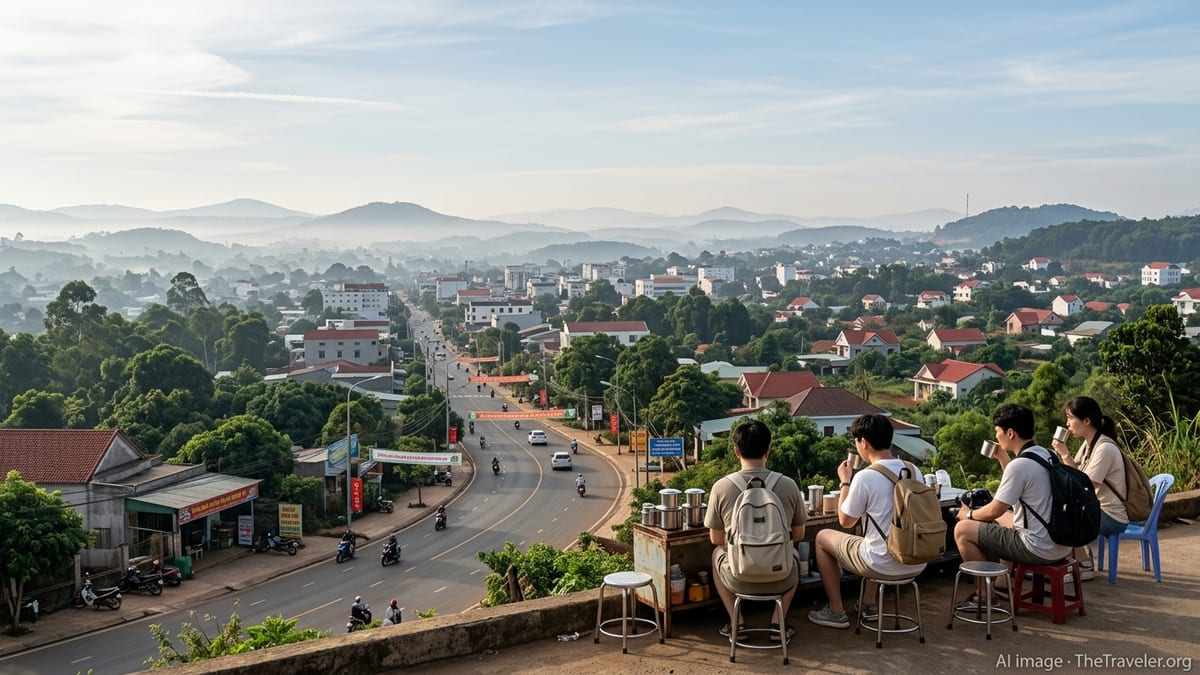
Gia Lai, a mountainous province in Vietnam’s Central Highlands better known domestically for coffee and gongs than for international crowds, is emerging as a fresh destination for South Korean travelers as local authorities and businesses expand aviation links, festival calendars, and cultural tourism offerings aimed at overseas visitors.
Get the latest news straight to your inbox!
Strategic Push to Attract South Korean Visitors
Gia Lai has been steadily raising its profile on Vietnam’s tourism map as international arrivals to the country rebound and new markets are targeted. Publicly available information shows that the province welcomed more than one million visitors in 2024, and it has been chosen to host Vietnam’s National Tourism Year in 2026, signaling national-level backing for its tourism ambitions.
Reports indicate that South Korea remains one of Vietnam’s most important outbound markets, and Gia Lai is positioning itself to capture some of this demand. Promotion campaigns in major Vietnamese cities highlight Gia Lai’s coffee culture, gong heritage, and cool highland climate, elements that tourism planners believe can appeal to South Korean travelers who are already familiar with destinations such as Da Nang or Nha Trang.
Recent tourism promotion days in Hanoi have put Gia Lai’s identity front and center, with performances of Central Highlands gong music, martial arts, and traditional theater alongside showcases of locally produced coffee and agricultural specialties. These events are framed as a way of introducing the province to domestic and foreign visitors in advance of larger tourism year activities planned for 2026.
The emerging partnership goes beyond tourism marketing. Investment announcements from Korean-linked companies, including plans for a large cultural, sports, and leisure complex in Gia Lai, suggest that long-term cultural and entertainment infrastructure is being designed with regional visitors, including South Koreans, in mind.
Aviation Access and How to Reach Pleiku
For South Korean tourists, the gateway to Gia Lai is Pleiku Airport, located just a few kilometers from Pleiku City, the provincial capital. The airport currently receives frequent domestic flights from Vietnam’s main hubs such as Ho Chi Minh City and Hanoi, operated by several Vietnamese carriers, and forms part of broader route networks that also link to South Korea.
Some airlines advertise Pleiku as a domestic connection point within itineraries that start in Seoul, Busan, or other Korean cities. Travelers typically arrive in Hanoi or Ho Chi Minh City on direct international flights and then connect onward to Pleiku on a short domestic leg of about one hour. For many South Korean visitors combining multiple destinations in Vietnam, this makes Gia Lai a feasible extension to an existing trip rather than an isolated journey.
Charter operations and seasonal adjustments remain fluid, and route structures can change from year to year depending on demand. Travelers from South Korea are therefore encouraged to check current schedules with airlines or travel agents when planning, particularly around peak seasons such as spring cherry blossom holidays or the Korean summer vacation period, when capacity to Vietnam often increases.
Pleiku Airport itself is relatively compact, which can make arrivals and departures straightforward. However, facilities and services are more limited than at Vietnam’s major international airports. South Korean visitors should be prepared for simple terminal amenities and arrange ground transportation in advance through their accommodation or a local transport provider, especially if arriving late in the evening.
Festivals Showcasing Coffee, Gongs, and Highland Culture
Festival tourism lies at the heart of Gia Lai’s strategy to attract more international guests, including those from South Korea. The province has announced a multi-year calendar of cultural and tourism events leading up to National Tourism Year 2026, with themes built around coffee, indigenous cultures, and the natural landscape.
Among the most prominent events is the Gia Lai Coffee Festival, which has been held in Pleiku with parades, coffee tastings, trade exhibitions, and art performances emphasizing the strength of local robusta beans grown on the basalt soil of the Central Highlands. Previous editions have drawn large domestic crowds and are now being promoted more aggressively to overseas visitors through national tourism campaigns and trade fairs.
Alongside coffee-focused events, tourism weeks branded around the essence of the great forest and blue sea link Gia Lai’s highland identity with nearby coastal provinces, promoting combined itineraries that include both mountain landscapes and coastal experiences. During these weeks, travelers can expect gong performances, ethnic minority dance shows, handicraft exhibitions, and culinary nights featuring highland dishes.
For South Korean visitors interested in culture, these festivals offer concentrated opportunities to experience traditional gong ensembles, which are recognized by UNESCO as part of the cultural heritage of Vietnam’s Central Highlands. Program details and dates can vary from year to year, so prospective travelers should monitor festival announcements and consider timing their visit to coincide with major events such as coffee festivals or the opening ceremonies of National Tourism Year 2026.
New Cultural and Entertainment Developments
Gia Lai’s tourism drive is not limited to seasonal events. Investment news from late 2025 describes plans for a large mixed-use cultural, sports, leisure, commercial, and tourism zone in the Cát Tin area of the province, backed by Korean-linked investors. The complex, valued at roughly 100 million US dollars, is envisioned as a multi-purpose destination capable of hosting concerts, sports competitions, festivals, and immersive cultural activities.
Publicly available coverage suggests that the project is intended to become a regional landmark connecting Vietnamese and Korean cultural exchange, with space for performances, outdoor leisure, and family entertainment. While much of the complex is still in the planning or early implementation stage, its scale underlines Gia Lai’s ambition to provide the sort of modern entertainment amenities that can meet the expectations of international tourists.
The province is also investing in smaller-scale cultural tourism products, such as community-based experiences in ethnic minority villages, eco-tourism routes around volcanic landscapes and lakes, and thematic coffee tours that guide visitors from plantations to roasting facilities and specialty cafes in Pleiku. These initiatives aim to spread tourism income more widely while giving visitors a deeper connection to local life.
South Korean travelers, who often combine shopping, food, and cultural discovery in their trips to Vietnam, may find this mix of modern attractions and traditional experiences appealing. Over the next few years, the balance between infrastructure still under construction and already available activities is likely to evolve quickly, so checking the status of large projects before traveling can help set realistic expectations.
Practical Advice for South Korean Travelers Considering Gia Lai
Compared with Vietnam’s coastal resort cities, Gia Lai offers a cooler, more temperate highland climate, especially noticeable in the evenings. South Korean visitors accustomed to tropical heat at destinations like Da Nang or Phu Quoc may appreciate Pleiku’s fresher air but should still be prepared for sun exposure during the day. Light layers are advisable, particularly between November and February, when nights can be chilly.
Tourism services in Gia Lai remain less developed than in the country’s main international hubs. Accommodation ranges from business-style hotels in Pleiku City to a growing number of homestays and small resorts near lakes and scenic areas, but luxury options are limited. English is spoken in many hotels and by younger tourism workers, though Korean-language services are still relatively rare outside major Vietnamese cities.
Reports from domestic tourism outlets note that night-time entertainment and “night economy” products in Gia Lai are still in an early stage of development. After dinner, options may be limited to cafes, casual eateries, and small bars, except during festival periods when night markets and cultural shows are scheduled. South Korean visitors expecting busy seafront promenades or large shopping malls may find Pleiku’s evenings quieter and more low-key.
On the positive side, this quieter atmosphere can make Gia Lai attractive to travelers seeking a slower pace, scenic drives, and immersive cultural experiences rather than nightlife. To make the most of a visit, South Korean tourists may wish to book guided day trips to nearby waterfalls, lakes, and volcanic landscapes, arrange visits to coffee farms, and plan ahead for festival dates. Combining a few days in Gia Lai with time in coastal or urban centers can create a balanced itinerary that showcases both Vietnam’s highland culture and its better-known city and beach destinations.