

More news on this day
Global air cargo demand rose 11.2 percent in February 2026 compared with a year earlier, according to newly released industry data, signaling a stronger than expected rebound in freight markets and reinforcing aviation’s role in fast-moving international trade.
Get the latest news straight to your inbox!
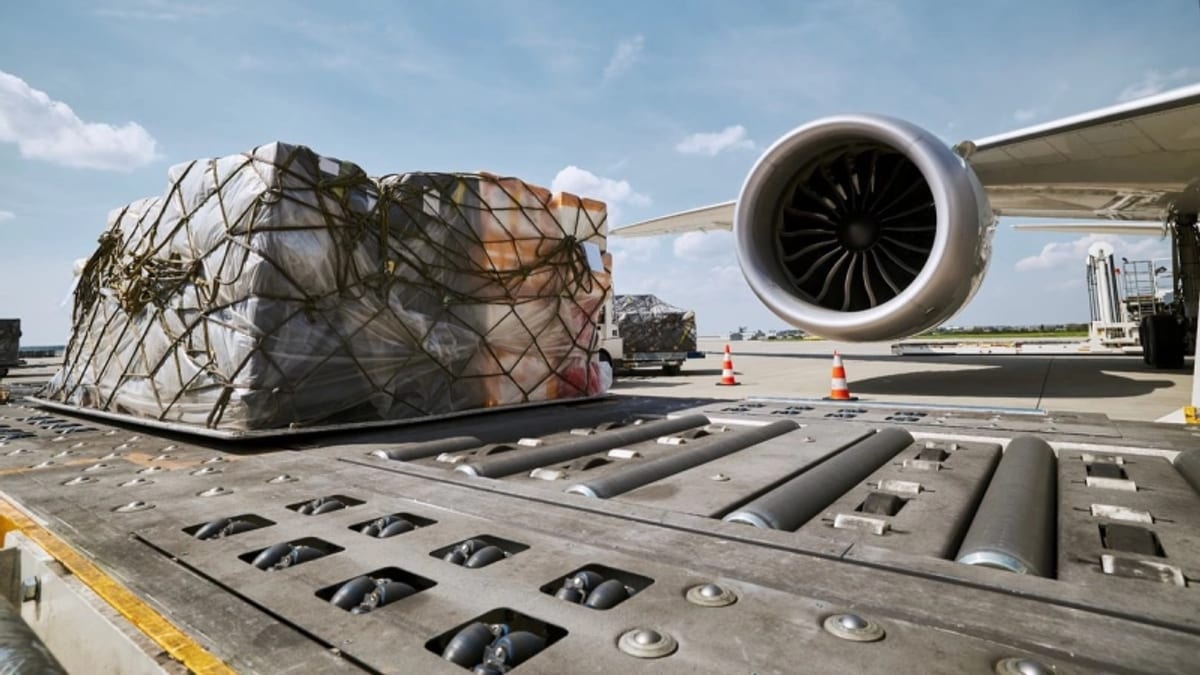
Image by Hospitality Trends
Double-Digit Growth Confirms Strong Start to 2026
Industry figures for February 2026 show that cargo tonne-kilometers, the standard measure of air freight demand, accelerated sharply after a robust January. Publicly available data for the first month of the year already pointed to a 5.6 percent year-on-year gain, and the latest 11.2 percent increase in February suggests that momentum is building rather than fading.
Market analyses indicate that this performance puts global air freight comfortably above pre-pandemic averages, even as broader trade indicators remain mixed. Purchasing manager indices for manufacturing and export orders have edged upward but still reflect only modest expansion, underscoring how air cargo continues to outperform some seaborne and land-based modes in value-sensitive segments.
Analysts note that the rebound is broad-based across most regions but remains uneven between trade lanes. High-value verticals such as electronics, automotive components, pharmaceuticals and e-commerce fulfillment continue to dominate uplift, while lower-yield industrial commodities remain more exposed to softer macroeconomic conditions and currency volatility.
Capacity is also tracking higher in tandem with demand, helped by sustained growth in widebody passenger networks. As airlines add more long-haul flights and restore routes suspended during earlier downturns, the return of bellyhold space has eased some of the tightness seen in dedicated freighter operations, though bottlenecks persist on certain corridors.
Regional Standouts Led by African and Middle Eastern Carriers
Regionally, African airlines again delivered the fastest growth, with February data pointing to demand gains of around 21 percent compared with the same month in 2025. This builds on a pattern of double-digit expansion reported through late 2025 and January 2026, driven by strong flows of perishables, mining-related shipments and growing intra-African e-commerce volumes.
Carriers based in the Middle East also continued to capitalize on their geographic position between Asia, Europe and North America. Hub airports in the Gulf and wider region have seen elevated freighter operations and intensive use of widebody passenger aircraft for cargo, reinforcing their role as critical transfer points in the global logistics network.
Asia Pacific airlines benefited from resilient export activity out of key manufacturing hubs and from restocking cycles linked to consumer electronics and fashion. At the same time, reports indicate that some shippers are redistributing volumes between Northeast and Southeast Asia, reflecting ongoing diversification of supply chains and the rise of alternative manufacturing centers.
In Europe and North America, demand gains were more moderate but still firmly positive. Market commentary suggests that cargo flows into consumer markets remain healthy despite inflationary pressure, while specialized sectors such as aerospace, pharmaceuticals and temperature-controlled goods continue to support higher-yield traffic.
Trade Disruptions and Modal Shifts Support Air Freight
This latest surge in air cargo demand is unfolding against a backdrop of persistent disruption in ocean shipping and evolving trade policies. Continued security concerns along certain maritime corridors and capacity imbalances on container routes have led some exporters to move time-sensitive shipments into the air, even at higher cost.
Forwarders and carriers report that specific lanes between Asia, the Middle East and Europe have seen particularly strong booking patterns as shippers seek reliability and shorter transit times. Recent announcements from major logistics groups about expanded flight programs between Asian production centers and European gateways highlight how operators are reconfiguring networks to capture this demand.
At the same time, tariff changes and export control measures introduced in 2025 and early 2026 are reshaping trade flows in ways that often favor agile modes such as air. While some commodities have shifted toward ocean freight to manage cost, higher-value goods affected by regulatory deadlines or inventory risk are increasingly routed through air cargo channels.
Industry observers point out that these conditions have created a more complex planning environment for shippers. Many logistics teams are now using hybrid strategies that combine seafreight for base volumes with targeted air cargo allocations for critical components, new product launches and rapid replenishment, supporting a structural floor under air freight demand.
Belly Capacity Returns as Freighter Fleets Stay Busy
On the supply side, the return of international passenger traffic continues to reshape available cargo capacity. Airlines have steadily restored long-haul networks, and in some regions traffic growth has already surpassed previous peaks. Each additional widebody passenger flight adds significant bellyhold capacity, particularly on transcontinental routes linking major manufacturing and consumption markets.
Despite this increase, dedicated freighter fleets remain heavily utilized. Large cargo operators and combination carriers continue to deploy widebody freighters on trunk routes where demand growth and yield levels justify additional lift. Several carriers are also pressing ahead with conversion programs for mid-life passenger aircraft, expanding the pool of narrowbody and widebody freighters serving regional and feeder markets.
Airport statistics from key cargo hubs indicate that throughput in 2025 and early 2026 has been trending higher, with some gateways reporting record or near-record volumes in tonnage terms. Investments in cargo terminals, cool-chain facilities and digital handling systems are being accelerated to manage higher volumes more efficiently and to reduce dwell times.
Industry commentary suggests that the balance between freighter capacity and passenger-belly space will remain a central question for airlines over the next two to three years. For now, the combination of both is enabling the market to accommodate double-digit demand growth without the extreme rate spikes seen during earlier periods of disruption.
Implications for Shippers, Rates and the Travel Ecosystem
The 11.2 percent year-on-year increase in February is already influencing contract negotiations, rate dynamics and network decisions across the logistics and travel sectors. While spot prices on some routes have stabilized or retreated from recent highs, structural demand on core lanes continues to support relatively firm yields for carriers.
For shippers, the environment is prompting renewed attention to capacity guarantees, longer-term agreements and diversified routing options. Companies in fast-moving consumer sectors, technology and pharmaceuticals are particularly focused on securing reliable uplift during peak periods, even as they monitor macroeconomic risks and currency moves.
The broader travel ecosystem is also feeling the effects of stronger cargo flows. Higher freight revenues can enhance route profitability for passenger airlines, supporting the sustainability of long-haul services that connect secondary cities and emerging markets. Airports with strong cargo performance are better positioned to attract new airlines and justify infrastructure upgrades that benefit both freight and passenger operations.
With two consecutive months of solid gains and an 11.2 percent jump in February, expectations are building that 2026 could mark a decisive phase of normalization and growth for global air cargo. Market participants are now watching upcoming manufacturing and retail indicators closely to gauge whether the current momentum can be sustained into the traditional peak seasons later in the year.