

More news on this day
Global air cargo demand increased 11.2 percent in February 2026 compared with a year earlier, extending a run of robust growth as shippers turned to aircraft to keep goods moving through an increasingly fragile trade and energy environment.
Get the latest news straight to your inbox!
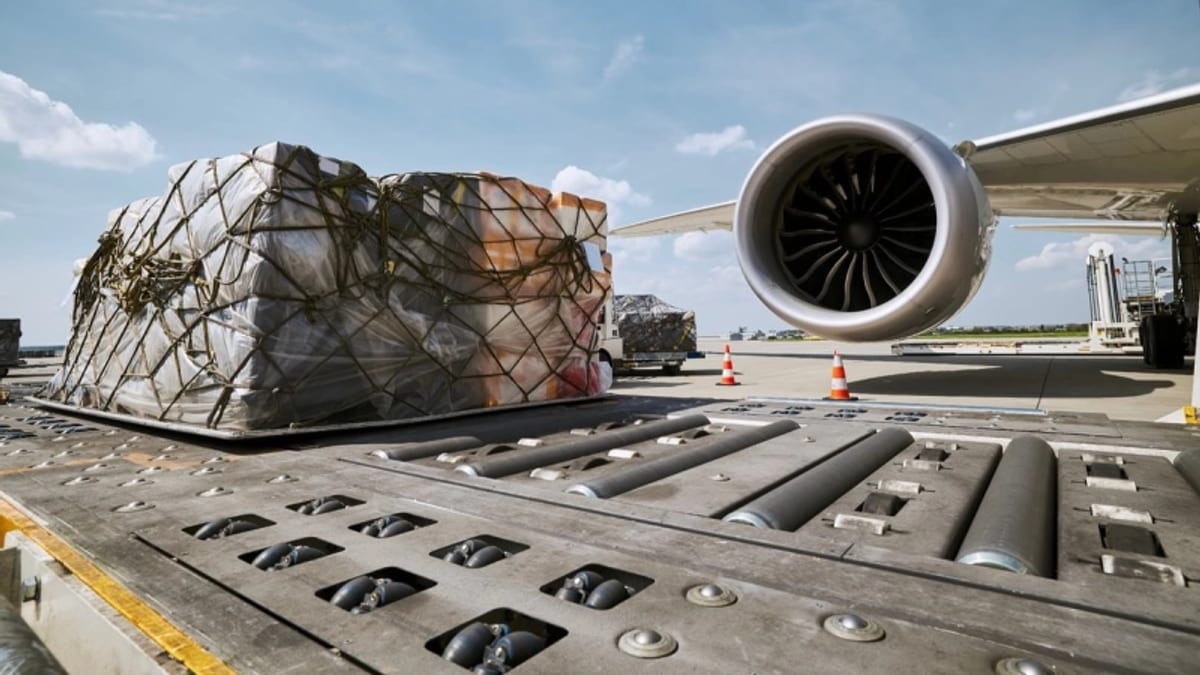
Image by Travel Industry Wire
Double-Digit Growth Led by International Operations
Publicly available industry data show that total cargo demand, measured in cargo tonne-kilometers, climbed 11.2 percent in February from the same month in 2025. International operations grew even faster, with tonne-kilometers up 11.6 percent, underscoring the strength of cross-border trade lanes.
Capacity, measured in available cargo tonne-kilometers, also expanded but at a slower pace than demand. Global capacity rose about 8.5 percent year on year in February, with international capacity up close to 10 percent. The gap between demand and capacity points to a tightening market that typically supports stronger yields for airlines and higher costs for shippers.
The February jump followed a steady start to the year. Earlier 2026 market analysis indicated a 5.6 percent year-on-year demand increase in January, suggesting that momentum was already in place before February’s surge. The latest figures confirm that air cargo continues to rebound after several years of volatility tied to the pandemic, inventory corrections and shifting consumer patterns.
Industry forecasts published in late 2025 had anticipated only modest cargo growth for 2026, in the low single digits, as overall global trade was expected to soften. The double-digit outcome for February therefore stands out, indicating that near-term factors such as front-loaded shipments and modal shifts are temporarily overpowering broader macroeconomic headwinds.
Seasonal Factors, E-Commerce and Modal Shifts Drive Volumes
Analysts note that part of the February strength reflects seasonal patterns. Some of the cargo growth appears tied to shipments advanced ahead of the Lunar New Year period in major Asian manufacturing hubs, when factory closures often disrupt supply chains. Moving goods by air before those shutdowns helps exporters avoid production backlogs and late deliveries.
Beyond seasonal timing, the structure of global trade continues to tilt in favor of air. E-commerce volumes remain elevated as retailers and platforms prioritize speed and reliability for international parcels and high-value consumer electronics. This has increased reliance on air networks linking Asia, North America and Europe, particularly on lanes where ocean schedules have become less predictable.
Ongoing disruptions in ocean shipping are also nudging some shippers toward aircraft. Extended routing around conflict-affected sea corridors and port congestion in selected gateways have lengthened transit times and added uncertainty for containerized freight. For urgent goods, components needed for just-in-time manufacturing and temperature-sensitive pharmaceuticals, air cargo has remained the preferred alternative despite higher costs.
Specialized logistics flows are adding to demand as well. Sectors such as semiconductor equipment, renewable energy components and high-end fashion continue to use air freight for at least part of their distribution, especially on launch-critical or tight-production schedules. These industries have helped underpin premium air cargo services even as general freight markets remain sensitive to price.
Regional Performance Highlights African and Asia-Europe Strength
The latest figures indicate that growth was not evenly distributed across regions. Airlines based in Africa recorded some of the strongest gains, with demand up around 21 percent year on year in February and capacity rising more than 17 percent. Analysts link this strength to improved connectivity, growing intra-African trade and increased flows tied to energy projects and infrastructure investment.
Asia-related corridors also continue to perform strongly. Forwarding and airline updates in late March highlighted particularly firm demand between Asia and Europe, where additional freighter capacity is being added to keep pace with customer needs. Network expansions on these lanes suggest that logistics providers expect elevated volumes to persist, at least in the short term.
Other major markets show a more mixed picture. North American carriers are benefiting from resilient e-commerce and manufacturing exports but face cost pressure from higher fuel prices. European operators, meanwhile, are contending with softer consumer demand in some economies while still seeing solid flows on long-haul routes to Asia and the Middle East.
At the airport level, the world’s largest cargo hubs in the Gulf, East Asia and North America remain critical nodes in the system. Capacity adjustments at these gateways, whether through additional freighter flights or more belly cargo on passenger services, are expected to influence how easily the market can absorb any further spikes in demand during 2026.
Geopolitical Tensions and Fuel Prices Add New Risks
The war that erupted in the Middle East toward the end of February has introduced fresh uncertainties for air cargo. Public analysis points to a combination of airspace restrictions, rerouted flight paths and operational adjustments at key hubs in the Gulf region, which together can lengthen routes and increase operating costs.
Fuel prices have already responded to the conflict, with benchmark crude climbing sharply since late February. For cargo carriers, fuel is a major component of total costs, and sustained price increases can quickly erode margins, particularly on long-haul routes. Airlines may respond with fuel surcharges, which would raise all-in logistics costs for shippers.
Some observers note that while geopolitical tensions usually depress trade sentiment, they can also trigger tactical surges in air cargo as companies rush to move goods before conditions worsen. The February data appear to capture part of this effect, though it remains uncertain whether such front-loading will be followed by a quieter period later in the year.
Regulatory and security considerations are likely to evolve as well. Changes in overflight permissions, crew safety protocols and insurance requirements could further complicate route planning for cargo operators serving affected regions. These factors will shape capacity decisions and could limit how much additional lift airlines can deploy in response to demand spikes.
Outlook for the Rest of 2026
Looking ahead, industry outlooks compiled before the latest conflict projected modest but positive air cargo growth for 2026, with Asia-Pacific expected to lead expansion. The strong February result suggests that the sector may outperform those early forecasts if current trends in e-commerce, manufacturing exports and modal shift continue.
At the same time, the balance of risks has clearly shifted. Higher fuel prices, potential airspace constraints and weaker consumer confidence in some regions could all weigh on volumes and profitability as the year progresses. Ratings agencies and economic forecasters have already revised some aviation and trade projections to reflect a more challenging operating environment.
For global shippers and freight forwarders, the February figures are a reminder that air cargo remains a critical shock absorber for supply chains. Even as ocean carriers, rail operators and trucking fleets adjust to new trade patterns, aircraft continue to provide the speed and flexibility needed when conditions change suddenly.
Many logistics planners are expected to maintain higher than pre-pandemic use of air freight as a hedge against disruption, especially on strategic corridors. Whether global air cargo can sustain double-digit growth through the rest of 2026 will depend on how quickly geopolitical tensions ease, energy markets stabilize and underlying trade demand holds up against a more uncertain economic backdrop.