

More news on this day
Air travelers heading into the 2026 peak season are confronting a fresh wave of sticker shock, as a jump in jet fuel prices, stubborn aircraft shortages and relentless demand combine to push global airfares higher despite earlier forecasts of stability.
Get the latest news straight to your inbox!
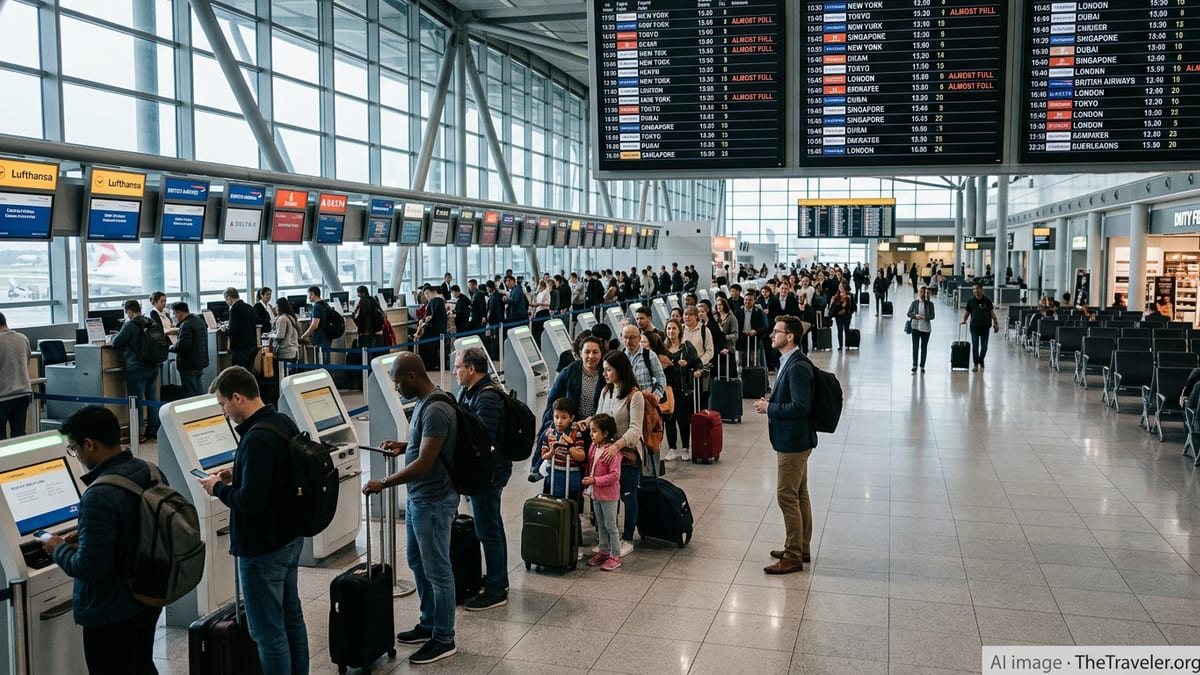
Fuel Shock Reignites Cost Pressures on Airlines
Airlines across major markets are entering the busy northern summer with fuel bills rising at the fastest pace since the immediate post‑pandemic rebound. Industry data compiled in late February and early March show global jet fuel prices climbing back toward levels last seen in mid‑2024, reversing the more stable trend seen through much of 2025.
Reports from aviation agencies indicate that the average jet fuel price rose by mid‑single digits in just a matter of weeks in late February, reaching its highest point in more than a year. This coincides with renewed volatility in oil markets linked to tensions in the Middle East and disruptions to energy shipping routes, which are rippling quickly into airline operating costs.
Fuel is typically one of the largest expenses for carriers, often accounting for a quarter or more of total operating costs on long‑haul routes. When prices jump quickly, airlines have limited room to absorb the increases, particularly after several years of pandemic losses and heavy investment in rebuilding networks. Many are now signaling that higher fuel surcharges and base fares are likely as summer schedules ramp up.
Earlier economic outlooks for 2026 assumed more moderate fuel conditions. As those assumptions erode, analysts warn that the gap between what travelers expected to pay this year and what they will actually see at the checkout is widening, especially on popular transatlantic and long‑haul leisure routes.
Capacity Crunch: Aircraft Shortages Keep Seats Scarce
At the same time as fuel costs climb, the global airline industry is still grappling with a shortage of aircraft and engines, constraining capacity just as demand intensifies. Industry outlooks published in late 2025 and early 2026 describe a persistent mismatch between airlines’ fleet plans and what manufacturers and engine suppliers can deliver.
Major airframers continue to face record order backlogs that stretch close to a decade at current production rates. Airbus, for example, has outlined a goal of record deliveries in 2026, backed by an order book of more than 8,700 commercial jets at the end of 2025. Yet executives also acknowledge that engine shortages, particularly affecting popular single‑aisle models, are slowing how quickly new capacity can reach airlines.
On the other side of the Atlantic, Boeing is still working through a series of production and certification constraints. Output of key narrow‑body models has been capped and is only gradually increasing, while the first deliveries of some long‑haul types have been postponed into the second half of the decade. Independent analyses note that global aircraft deliveries in recent years have lagged pre‑crisis expectations by double‑digit percentages, forcing carriers to keep older jets in service longer and limiting growth on high‑demand routes.
Aerospace supply chain reports suggest that a full normalization of aircraft and engine availability may not occur before the early 2030s. Until then, limited seat growth gives airlines strong pricing power during peak travel windows, allowing them to maintain elevated fares even as broader inflation eases in other parts of the economy.
Relentless Demand for International Travel
Despite higher prices and geopolitical uncertainty, global tourism demand has continued to surge into 2026. UN‑linked tourism barometers and national statistics agencies report that international arrivals reached or surpassed pre‑pandemic records in several major destinations in 2024 and 2025, with further growth expected this year.
Spain, one of the world’s largest tourism markets, announced a new record in 2025 with nearly 97 million foreign visitors and a sharp increase in spending. Dubai also reported its third consecutive year of record international visitation in 2025, with hotel occupancy above 80 percent, underscoring the strength of both leisure and business travel to major hubs.
On a global scale, estimates for 2025 indicate that more than 1.5 billion international tourists traveled worldwide, with travel and tourism’s economic contribution projected to hit an all‑time high. Forecasts from industry councils and government tourism offices point to continued expansion in 2026, driven by rising middle‑class populations, the reopening of key long‑haul markets in Asia and strong demand for experiences after years of disrupted mobility.
This resilience has important consequences for pricing. Even as some travelers in individual markets cut back or trade down, the overall pool of potential passengers remains large and increasingly global. With planes already flying at high load factors and limited new capacity coming online, airlines can raise fares or reduce discounting and still fill seats, particularly on routes linking Europe, North America and fast‑growing destinations in Asia and the Middle East.
Forecasts Clash With Reality as 2026 Peak Season Nears
Only a few months ago, several travel and aviation forecasts painted a more benign picture for 2026. A business travel outlook released in late 2025 projected that global airfares would largely stabilize this year, with only a modest uptick after a small decline in 2025. That assessment was based on expectations of steady fuel prices, gradual capacity growth and a normalization of post‑pandemic demand.
More recent developments have complicated that narrative. Updated economic reports from industry associations now show passenger ticket revenues continuing to climb in 2026, even as overall profitability stabilizes. This reflects a combination of slightly higher average yields and still‑strong passenger volumes, suggesting that airlines are successfully charging more per seat while keeping planes full.
In Europe, national and regional media coverage in March highlighted warnings from airline trade groups that fares could rise by high single‑digit percentages this year, largely attributed to fuel costs and hedging gaps. Some large carriers have already flagged the potential for fuel‑linked surcharges on long‑haul itineraries, adding to base fare increases introduced since 2022.
The result is a growing disconnect between earlier promises of “plateauing” ticket prices and what leisure travelers are seeing as they search for summer flights. Many of the cheapest fare buckets on peak‑season departures are being snapped up months in advance, leaving a higher share of mid‑ and upper‑tier prices in the market. For families planning school‑holiday trips or long‑awaited international vacations, that can translate into hundreds of dollars more per itinerary than in 2024 or 2025.
What Travelers Can Expect in Key Regions
For transatlantic travelers, analysts expect continued pressure on economy and premium‑economy fares between North America and Western Europe. Strong inbound demand into tourism hotspots like Spain, Italy and the United Kingdom, combined with aircraft and crew constraints at several major carriers, is likely to keep average prices elevated through at least the end of the summer peak.
In the Middle East and parts of Asia, large network airlines are benefiting from robust connecting traffic as travelers look for one‑stop options between Europe, Asia and Australasia. While some of these carriers have expanded capacity faster than peers, they are also seeing high load factors on trunk routes, giving them room to adjust pricing during peak travel weeks around major holidays and school breaks.
Domestic markets show a more mixed picture. In the United States, where capacity has recovered more fully, some secondary routes and low‑cost carriers are offering comparatively better value, particularly outside major holiday periods. However, on heavily trafficked leisure routes such as cross‑country sun destinations or access points to national parks, tight aircraft utilization and strong seasonal demand are still pushing fares higher.
Looking ahead, industry outlooks suggest that the combination of volatile fuel markets, lingering supply chain bottlenecks and resilient demand is unlikely to unwind quickly. Even if economic growth slows or demand softens in certain regions, the structural constraints on capacity mean that 2026 could mark another year in which air travel remains significantly more expensive than many travelers had anticipated when they first began planning their post‑pandemic journeys.