

More news on this day
Global aviation networks remain severely disrupted even after a two-week ceasefire deal between the United States and Iran, with airlines warning that route suspensions, diversions and extended delays are likely to continue for weeks as security concerns and airspace restrictions ripple through key hubs from the Middle East to Asia and Europe.
Get the latest news straight to your inbox!
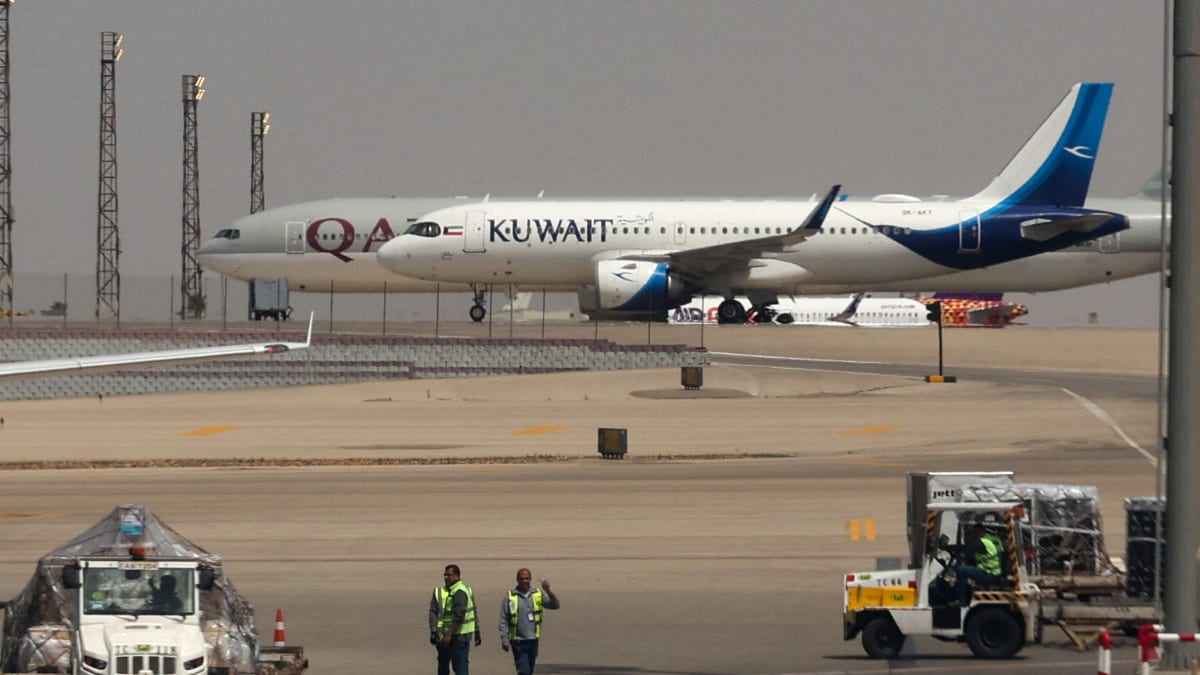
Ceasefire Brings Limited Relief to Closed and Contested Skies
The ceasefire announcement on April 7, which includes steps toward reopening the Strait of Hormuz, raised expectations of a swift normalization in air traffic over the Gulf. Publicly available reporting, however, indicates that clashes and missile activity have continued in parts of the region, and that airspace remains tightly controlled over several conflict zones. Aviation analysts describe the security picture as volatile, with short-term improvements easily reversed by new incidents.
According to recent travel and risk advisories, multiple Middle Eastern states still face partial or temporary airspace restrictions after weeks of missile and drone strikes linked to the Iran war. Initial closures by Iran, Israel, Iraq, Jordan, Qatar, Bahrain, Kuwait and the United Arab Emirates forced carriers to suspend or reroute services on late February and March dates, cutting off some of the world’s most heavily used east west corridors. The ceasefire has not yet translated into a full restoration of those prewar patterns.
Industry coverage indicates that many international airlines remain cautious about re-entering Iranian and neighboring skies, even where legal restrictions have eased. Operators continue to monitor military activity, insurance conditions and government advisories, which are updated frequently and still point to heightened risk along several Gulf and Levant corridors. This cautious stance has slowed the pace of schedule recovery despite the political deescalation effort.
As a result, the formal ceasefire has so far functioned more as a stabilizing signal for markets than as an immediate fix for passengers. Timetables remain fluid, with airlines prioritizing crew safety and operational resilience over rapid capacity restoration on routes that traverse or approach Iranian territory.
Gulf Hubs Struggle With Backlogs, Reroutes and Damage
Major Gulf gateways that underpin global long haul travel continue to grapple with the aftermath of direct attacks, temporary closures and ongoing rerouting. Publicly available information on recent strikes in the United Arab Emirates describes drone activity around Dubai International Airport and other strategic infrastructure, prompting short suspensions of flights and intensified security protocols on the ground.
Regional travel trade outlets and advisories report that airports in the UAE, Saudi Arabia, Qatar, Kuwait and Türkiye together registered dozens of cancellations and hundreds of delays in early April, even after diplomatic efforts began to cool the conflict. Capacity constraints at alternative airports, along with crew duty time limits and aircraft positioning issues, have contributed to rolling disruption that can extend well beyond the dates of specific attacks.
Airlines based in the Gulf have gradually rebuilt parts of their networks, focusing on shorter regional links and carefully selected long haul sectors. However, coverage in regional media shows that some international carriers are still steering wide around key hubs such as Dubai, Doha and Abu Dhabi, or are operating reduced schedules. In some cases, services have been shifted temporarily to secondary airports in Saudi Arabia or elsewhere on the Arabian Peninsula to maintain a basic level of connectivity.
Travel risk briefings suggest that airport congestion, lengthy security screening and sudden gate changes remain common across these hubs. The combination of residual war damage, intermittent alerts and airspace bottlenecks has made it difficult for carriers to run tightly timed banked connections, which were central to the Gulf model of connecting Europe, Africa, Asia and Australasia.
Asia and Europe Feel the Shockwaves of Middle East Airspace Limits
The Middle East has grown into a critical bridge between Europe and Asia, particularly since Russian and Ukrainian airspace became largely unavailable to many international airlines. The latest conflict and related closures have removed yet more routing options, forcing carriers to add hours to flight times or cancel sectors altogether. Aviation data providers tracking global operations in March reported thousands of cancellations and tens of thousands of delays worldwide, with Asia Pacific routes among the hardest hit.
Reports from Asia based outlets highlight widespread disruption in India and Southeast Asia, where airlines have cancelled or rerouted flights to Gulf destinations and beyond. Indian carriers, for example, have extended suspensions on several Middle East routes and warned of knock on effects for onward connections to Europe and North America. Analysts quoted in that coverage note that detours around closed or risky airspace significantly increase fuel burn, squeezing margins on already competitive long haul services.
European operators have also trimmed exposure to conflict adjacent air corridors. Publicly available airline updates show continued pauses or reduced frequencies on services to Iran, Israel and several Gulf states, even when limited humanitarian or repatriation flights resume. The need to route around both the Middle East and Russia narrows options to a handful of long, southerly tracks via the Mediterranean and North Africa, adding complexity and cost to flight planning.
This cascade of operational challenges has intensified pressure on airport slots, crew rostering and maintenance schedules well outside the conflict theater. For passengers on multi leg itineraries, a cancellation on a single Middle East sector can unwind entire journeys between continents, tying up aircraft and crews far from the original problem area.
Global Passenger Impact: Longer Journeys, Higher Costs, Uneven Recovery
The human impact of the continued disruption is visible in accounts from passengers stranded at Gulf and European hubs, as well as in warnings from travel industry bodies. The World Travel & Tourism Council has projected that more than one hundred million international trips could be at risk in 2026 due to reduced capacity and persistent uncertainty tied to the Middle East conflict, with many of those journeys originating outside the region.
Advisories from air passenger rights organizations show that travelers are facing a mix of outright cancellations, rolling delays and complex rerouting, often with limited advance notice. Rebooking options are constrained by the loss of overflight rights in certain corridors and by bottlenecks at the few remaining open east west pathways, particularly via Saudi Arabia. Where alternatives do exist, they may involve additional stops and significantly longer flight times.
At the same time, analysts note a divergence between commercial airline and business aviation trends. Recent data from aviation market research firms indicates that overall global flight activity in March increased year on year, driven in part by higher demand for private and charter services as corporate and high end travelers seek workarounds to airline disruption. Business aviation activity in the Middle East itself, however, has reportedly dipped due to the direct security risks.
For leisure and budget conscious travelers, higher fuel costs and insurance premiums linked to the conflict are feeding into fares across many long haul markets. Travel agencies and online booking platforms are advising customers to monitor airline apps closely and to factor potential schedule changes into plans, even when traveling on routes that do not pass directly over the Middle East.
Airlines Weigh Safety, Insurance and Politics Before Restoring Capacity
Behind the passenger facing disruption, airlines and regulators continue to weigh complex operational and political considerations as the ceasefire takes effect. Aviation safety notices and corporate briefings emphasize that risk assessments consider not only the formal status of a ceasefire but also the reliability of missile defenses, the proximity of military targets and the resilience of air traffic control infrastructure.
Insurers remain cautious about underwriting flights through or near contested zones, with war risk premiums still elevated on some Middle East routings. According to consultancy reports circulated within the travel industry, these higher costs can render marginal routes uneconomical even when they are technically permissible, encouraging airlines to keep suspensions in place until the security picture stabilizes more convincingly.
Regulatory guidance from several governments continues to advise operators to avoid specific airspace segments over Iran and neighboring countries, or to maintain higher cruising altitudes and wider buffers from known conflict areas. Until those advisories are eased, airlines are likely to maintain conservative routing strategies that prioritize safety margins over schedule efficiency.
Although the U.S.-Iran ceasefire marks a significant diplomatic pause in a fast moving conflict, publicly available aviation and travel data suggest that a full recovery in global air connectivity remains some distance away. Carriers are signaling that any restoration of suspended routes will be gradual and conditional, leaving travelers to navigate a period of prolonged uncertainty every time their journey depends on the skies around the Gulf.