

More news on this day
A sharp jump in oil prices, widening disruption to Middle East shipping lanes and a high-profile visit to France by U.S. Senator Marco Rubio are converging into a fast-evolving global travel alert for 2026, as airlines, tour operators and individual travelers absorb the financial and security shock of a deepening Iran war.
Get the latest news straight to your inbox!
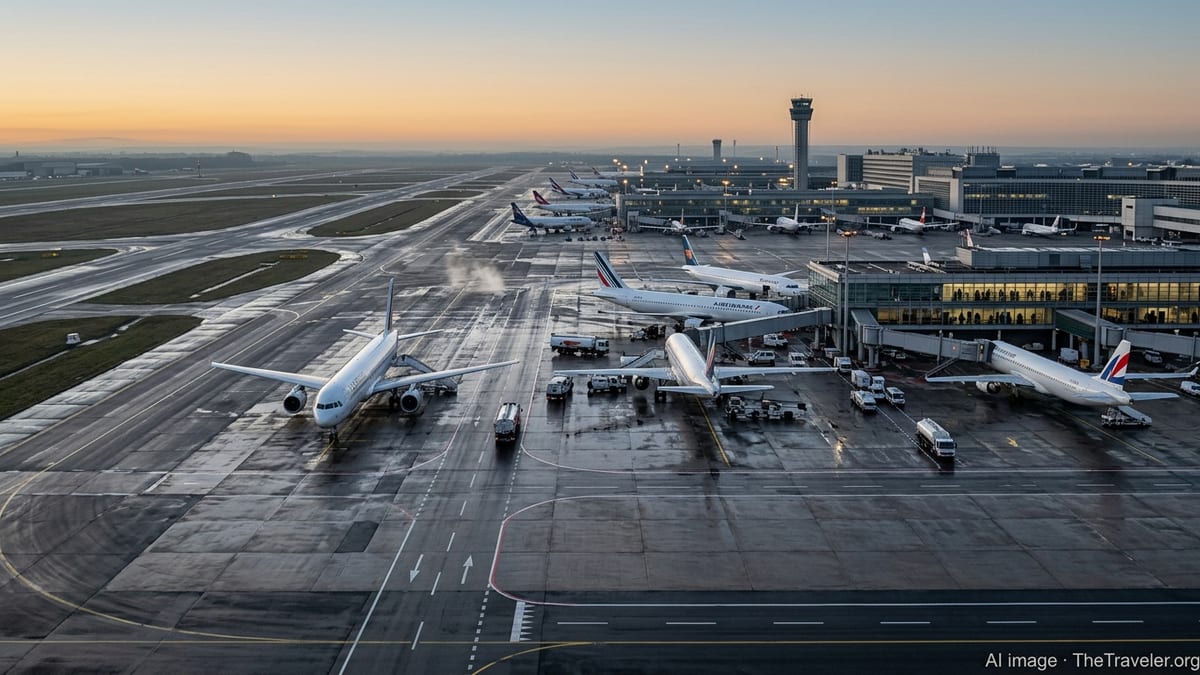
Rubio’s France Mission Puts Energy Security at the Center of Transatlantic Travel Fears
Publicly available information shows that U.S. lawmakers, including Senator Marco Rubio, have moved energy security and the fallout from the Iran war to the forefront of discussions with French counterparts, amid wider European efforts to shield consumers from rising fuel costs. Reports indicate that Paris has become a key stop in a broader diplomatic push on how to keep skies and supply lines open while oil markets convulse.
According to recent European coverage, leaders across the European Union are already wrestling with how to contain energy costs as the conflict drives up oil and gas benchmarks. France, as both a major aviation hub and a core player in EU decision making, sits at the intersection of these concerns. Rubio’s high-visibility engagements in the country underscore how closely Washington is tracking the impact on transatlantic travel and tourism flows.
Analysts note that any U.S.–France alignment on emergency fuel stockpiles, sanctions or naval deployments in nearby waters could shape how quickly airfares stabilize or surge further in the coming months. While the discussions are framed around strategic security, the practical implications are likely to be felt first by travelers in the form of higher ticket prices, tighter capacity and new routing constraints.
Middle East War Closes Chokepoints and Sends Oil Prices Soaring
Published economic assessments of the 2026 Iran war describe an energy shock that is surpassing some previous crises in its immediate effect on oil and gas markets. The Strait of Hormuz, through which roughly a fifth of global oil normally flows, has faced severe disruption as military strikes, naval standoffs and drone attacks ripple across the Gulf. In parallel, documented attacks on major Saudi and Iranian energy facilities have intensified fears of a prolonged supply interruption.
Recent reporting on the evolving Strait of Hormuz crisis shows that shipping traffic has been curtailed or diverted, with some Gulf producers rerouting crude and refined products via the Red Sea. These longer and more complex voyages add cost and time to deliveries, reinforcing the upward pressure on benchmark crude prices. Futures markets have seen Brent and other global markers push past the 100 dollar threshold, with some analyst commentary warning about the possibility of even higher levels if the conflict drags on.
The International Energy Agency has publicly characterized the situation as a major threat to the global economy, comparing the scale of disruption unfavorably to the oil shocks of the 1970s. For travelers, the translation is direct: aviation fuel, diesel for coaches and rental cars, and even the bunker fuel that powers cruise ships and ferries are all becoming more expensive at once, feeding almost immediately into transport prices worldwide.
Airlines Hike Fares and Redraw Routes as Fuel Costs Spike
Airlines were among the first to react as jet fuel bills soared in early March. Industry coverage from Europe, the Gulf and Asia shows that carriers on long-haul routes have announced fare increases, citing the rapid escalation in fuel prices tied to the Iran war and Hormuz disruptions. Some airlines have introduced new fuel surcharges on tickets, while others have reduced promotional capacity or trimmed marginal routes in an effort to conserve cash.
Publicly available route data indicates that airspace closures and military risk zones over parts of the Middle East have forced detours on key Europe–Asia and Europe–Australia corridors. Flights that once passed over the Gulf and adjacent territories are now tracking farther north or south, adding flight time and fuel burn. For passengers, that means longer journeys, more connections and, in some cases, higher exposure to delays as congested alternative corridors struggle to absorb the traffic.
Regional aviation hubs such as Doha and Dubai have also faced intermittent disruption as the conflict has intensified, according to recent economic impact assessments. While major airports remain operational, airlines are adjusting schedules and aircraft rotations to account for security considerations and tanker fuel availability. Travelers booking for spring and summer 2026 are being advised by industry commentators to prepare for dynamic pricing, last-minute schedule changes and the possibility of rerouting even after tickets are issued.
From Petrol Pumps to Cruise Piers: Travelers Feel the Price Shock
The effects of the Middle East crisis are not confined to air travel. Consumer-focused financial analysis in Europe and Asia highlights a sudden reversal from early-2026 lows in petrol and diesel prices, with filling stations now passing on the cost of more expensive crude. For self-drive holidays, road trips and motorhome rentals, this means higher daily operating costs that can materially change the budget of a trip.
Bus and coach operators, especially those running long-distance intercity or cross-border routes, are also confronting higher fuel bills. Some have begun adjusting fares or cutting underperforming services, according to regional transport coverage. Tour groups that rely on private coach transport in Europe, North Africa or parts of Asia may face surcharges or reconfigured itineraries if fuel costs continue to climb.
Maritime tourism is similarly exposed. Cruise lines and ferry operators typically hedge a portion of their fuel needs, but sustained price spikes eventually erode that buffer. Publicly reported industry commentary points to a renewed focus on itinerary efficiency, slower steaming speeds and selective reductions in port calls that involve fuel-intensive detours. Travelers eyeing repositioning cruises or complex multi-port itineraries in late 2026 may see fewer bargains and more emphasis on closer-to-home sailings.
What Global Travelers Should Watch in the Weeks Ahead
Travel risk analysts and economic observers are closely monitoring several indicators that will shape the outlook for the rest of 2026. The first is the stability of shipping through the Strait of Hormuz and nearby sea lanes. Any sustained reopening to commercial traffic, backed by credible security guarantees, could ease fears about extreme oil shortages and calm fuel markets even if prices remain elevated compared with earlier in the year.
A second variable is the trajectory of diplomatic initiatives involving the United States, France and other European partners. If Rubio’s consultations in France feed into a broader transatlantic strategy that secures key energy flows while avoiding further escalation, the worst scenarios for travel disruptions may be averted. Conversely, any additional strikes on major refineries, export terminals or gas fields could trigger another round of fare hikes and capacity cuts.
Finally, travelers are watching how quickly airlines, rail networks and shipping companies adjust to the new cost environment. Some carriers may absorb short-term spikes to protect market share on strategic routes, while others pass on increases almost immediately. For now, publicly available booking data and expert commentary suggest that flexible planning, early reservations on essential trips and careful review of routing options will be critical tools for anyone navigating the 2026 travel landscape as the Middle East crisis continues to unfold.