

More news on this day
Charter carrier GlobalX is being pulled into a widening aviation crisis as security alerts, airspace disruptions and fast-changing travel advisories unsettle tourism flows between the United States, Mexico and the Caribbean in early 2026.
Get the latest news straight to your inbox!
Airlines Brace as Security Alerts Reshape Mexico Travel
Publicly available information from the United States government shows that a series of security alerts and operations in Mexico since late February 2026 have disrupted access to major tourism gateways, including Guadalajara and Puerto Vallarta. While airports generally remained open, road blockages and localized unrest led to widespread cancellations and schedule changes across multiple carriers serving the country’s Pacific and Caribbean coasts.
According to published coverage tracking flight status and waivers, major North American airlines such as United, American, Southwest and Air Canada responded with travel flexibility measures and selective suspensions on routes into affected Mexican states. These decisions were driven by a combination of security risks on the ground and uncertainty about travelers’ ability to reach airports safely, creating rolling operational challenges for airlines at the start of the spring travel period.
For Mexico’s tourism sector, these developments arrived on top of an already complex advisory landscape. Recent explainer pieces on the 2026 Mexico travel advisory emphasize that the overall country rating masks significant state by state variation, with popular resort regions subject to higher advisory levels than in previous years. That nuance has become central to how airlines, tour operators and travelers interpret risk on specific routes, and it is sharpening scrutiny of air services from the United States into vulnerable corridors.
GlobalX Feels the Strain in Cross Border and Caribbean Networks
GlobalX, which operates as a charter and wet lease specialist with a focus on leisure routes linking the United States, Mexico and the Caribbean, is now operating in the same high alert environment confronting larger network airlines. Publicly available schedules and company information show that the carrier’s business model depends heavily on seasonal demand from tour operators, cruise lines and vacation brands sending travelers to beach destinations across the wider region.
As traditional hubs in Mexico face intermittent disruption and heightened caution, GlobalX and its partners are under pressure to adjust flying patterns without undermining capacity commitments. Industry reports indicate that some charter programs have shifted aircraft time toward Caribbean islands where booking momentum is accelerating, while keeping a close watch on Mexico routes that may still be viable for certain markets or be subject to rapid reinstatement once conditions stabilize.
For an operator like GlobalX, which often flies under the brand of client tour companies rather than selling tickets directly to consumers, the turbulence is as much commercial as operational. Tour operators are reevaluating package offerings, insurance requirements and contingency plans for passengers, and any adjustment filters quickly into the charter schedules that underpin GlobalX’s fleet utilization. The result is a planning environment where aircraft, crew and airport slots must flex around advisories that can shift with little notice.
Caribbean Winners Emerge as Travelers Pivot from Mexico
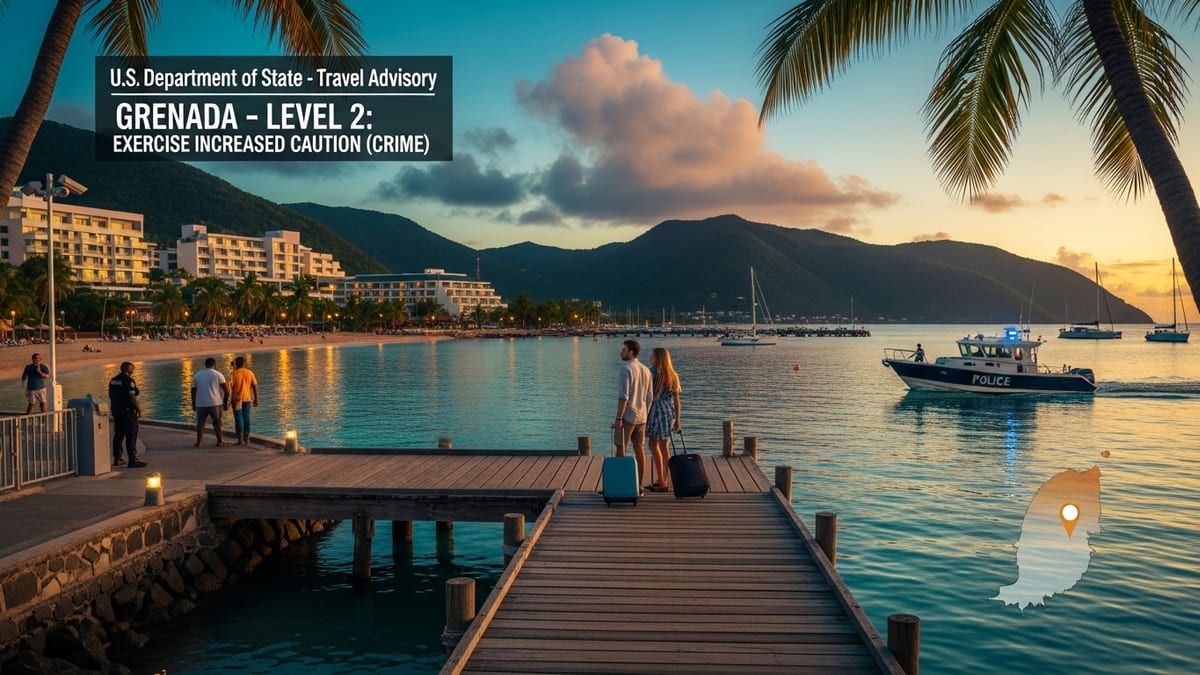
Recent travel industry data reports suggest that parts of the Caribbean are already experiencing a surge in bookings as travelers look for alternatives to certain Mexican destinations. Coverage from specialist resort and luxury travel outlets describes a noticeable redirection of vacation demand following security incidents in western Mexico, with advisors highlighting Caribbean islands as comparatively straightforward choices for families and higher end travelers seeking perceived stability.
This shift has significant implications for airlines and charter operators serving the region. Carriers are described as reallocating capacity from some Mexican gateways toward Caribbean leisure markets where demand is rising and airport access is less affected by security operations. For GlobalX, whose aircraft are frequently deployed on behalf of resort chains and cruise partners, these trends open opportunities to deepen service to established Caribbean hubs while maintaining a cautious footprint in sensitive Mexican states.
At the same time, the Caribbean is not insulated from broader geopolitical and security dynamics in the Americas. Airspace restrictions related to military and security operations around parts of the Caribbean basin and adjacent territories have periodically rerouted traffic and complicated planning for airlines. Industry analyses emphasize that charter carriers must account for these constraints when programming new services, particularly on thinner routes that do not benefit from the redundancy of large network systems.
US Perceptions and Foreign Advisories Add to Pressure
The crisis gripping tourism flows is not confined to Mexico. Travel advisory shifts directed at the United States from partner nations are adding another layer of uncertainty to cross border demand. Recent commentary on a strong warning issued by Germany for trips to the United States in March 2026 highlights growing international concern about safety and security in major American cities, feeding into a broader recalibration of how overseas travelers view North American destinations.
For airlines that rely on inbound tourism from Europe and Canada, these perceptions can weigh heavily on advance bookings and yield management. GlobalX sits at the intersection of these trends, operating charter flights that often carry foreign visitors from gateway cities in the United States to resort areas in Mexico and the Caribbean. Any softening in inbound confidence can ripple through to the company’s partners, who in turn may reduce or reshape their flying programs.
Domestic factors within the United States also continue to affect aviation operations. A large winter storm in late January 2026, described in meteorological summaries as historic in scope, disrupted flights across a vast swath of the country from northern Mexico to the northeastern United States. The episode served as a reminder that extreme weather, layered on top of security concerns and advisory changes, can rapidly amplify pressure on an already fragile tourism recovery.
Tourism Industry Navigates a Prolonged High Alert Phase
Industry wide travel alerts and safety updates published by tour companies and adventure operators underscore that many view the current environment as a prolonged high alert phase rather than a brief disruption. Safety pages updated in early 2026 continue to reference security incidents in Mexico and advise travelers to maintain contact with airlines regarding potential flight disruptions, reflecting an expectation that conditions may fluctuate throughout the coming months.
For GlobalX and other carriers with substantial exposure to leisure travel in the Americas, this means operating in a state of constant contingency planning. Fleet deployment, crew scheduling and commercial agreements must be adaptable enough to pivot between Mexican resorts, Caribbean islands and US gateways as demand and risk assessments evolve. Each advisory update or security bulletin can prompt adjustments that cascade from airline operations to hotel occupancy and local tourism employment.
Despite the challenges, tourism analysts cited in recent coverage note that demand for sun and beach vacations remains strong, especially among North American travelers seeking relatively short haul escapes. The contest now centers on which destinations can demonstrate consistent safety, reliable air access and clear communication. In that race, GlobalX is one of several carriers recalibrating its role, navigating between caution and opportunity as the United States, Mexico and the Caribbean confront an unsettled travel season.