

More news on this day
Remote communities at the top of New Zealand’s South Island have been handed a crucial lifeline, with Golden Bay Air confirmed as the first beneficiary of a new multi-million dollar government support package for at-risk regional air routes.
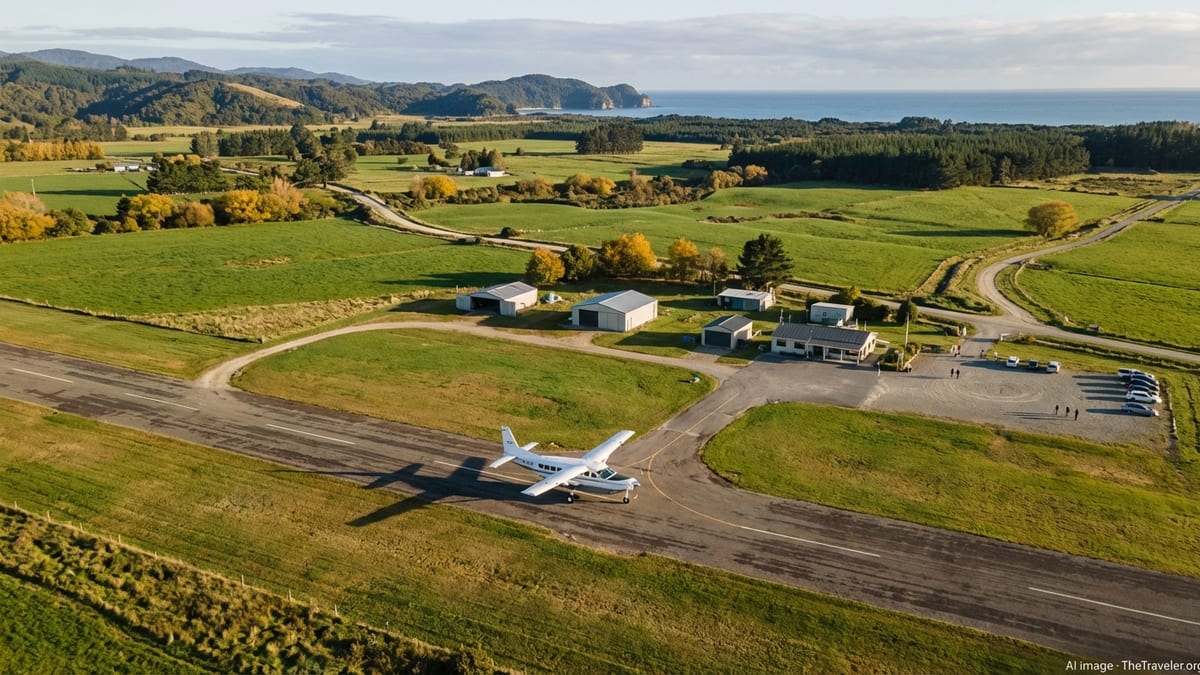
Flagship Loan Anchors 30 Million Dollar Rescue Package
Golden Bay Air will receive about 1.1 million dollars from a 30 million dollar Regional Infrastructure Fund package designed to stabilise struggling regional airlines and protect essential air links. Announced by Associate Transport Minister James Meager on 25 February 2026, the loan is structured to help the privately owned carrier refinance existing aircraft debt and pay for major maintenance checks that would have been difficult to fund from ticket revenue alone.
The funding is being drawn from a pool specifically earmarked for regional aviation, after mounting concern that small operators were under pressure from high maintenance costs, fluctuating visitor numbers and lingering effects of past travel disruptions. Officials say the package is aimed at the short to medium term, giving airlines breathing room to keep serving remote communities while longer-term commercial and infrastructure solutions are explored.
Golden Bay Air’s selection as the first airline supported under the scheme underscores how exposed the Golden Bay region is to any reduction in air services. With a small population, a strong dependence on tourism and a single winding road in and out, the area is widely viewed as a test case for how New Zealand can preserve lifeline routes that may never be commercially lucrative but are vital to regional resilience.
Government representatives stress that the loan is not a bailout in the traditional sense, but a targeted intervention intended to shore up viable operators whose balance sheets have been strained by rising costs. The expectation is that the airline will continue to operate on a commercial basis while benefiting from improved financial stability and aircraft reliability.
Keeping Golden Bay Connected When Roads Close
At the heart of the support decision is Golden Bay’s geography. The region, centred on Tākaka at the northwestern corner of the South Island, sits beyond the steep and sometimes fragile Tākaka Hill Road. Severe weather events have repeatedly disrupted that overland connection, temporarily isolating residents, businesses and visitors.
Golden Bay Air’s year-round flights between Tākaka, Nelson, Karamea and Wellington have become a critical backstop whenever the hill road is cut, carrying passengers, urgent freight and medical travellers in and out of the bay. Officials note that the airline also supports emergency access, enabling health workers and essential services to reach the region when road journeys are unsafe or impossible.
Beyond its role as a lifeline, the carrier is deeply woven into the local tourism economy. Its network connects trampers and bikers to the Heaphy and Abel Tasman tracks, links Golden Bay with the capital, and offers scenic flights over Farewell Spit, Kahurangi National Park and the Abel Tasman coastline. Local operators say that any prolonged reduction in flights would quickly be felt in accommodation bookings, hospitality jobs and guiding businesses.
By underwriting key maintenance and debt obligations, the government intends to ensure that aircraft remain available and reliable, rather than being grounded or sold to cut costs. For residents, that translates into greater confidence that scheduled services will continue through the shoulder seasons and not just during peak summer demand.
Interlining Plans Promise Easier Multi-Leg Journeys
Alongside direct financial support, the government package includes additional funding to help regional airlines like Golden Bay Air plug into the booking systems of larger carriers. This integration, known in the aviation industry as interlining, would allow passengers to book multi-leg journeys across New Zealand on a single ticket, combining flights on small regional aircraft with services operated by major airlines.
For travellers, the change could significantly simplify trips that currently require separate bookings and manual coordination of timings and baggage. A visitor flying from an international gateway such as Auckland or Christchurch could, in time, be able to secure a through itinerary that ends in Tākaka or Karamea, with baggage checked all the way and clearer protections in the event of delays.
Officials describe interlining as a commercial gamechanger for regional carriers. By making it easier for passengers to include remote destinations in larger itineraries, it has the potential to increase load factors on smaller routes, improve revenue predictability and make services less vulnerable to seasonal swings. That, in turn, could support more consistent schedules and better year-round connectivity.
Airlines will be invited to apply for interlining support in the coming weeks, with the government indicating that it wants to see broad participation from regional operators. While the detailed technical work on booking system integration will take time, the policy direction points toward a more joined-up domestic aviation network in which even the smallest destinations are easier to reach.
Implications for Travellers and Regional Tourism
For travellers planning New Zealand trips in the next few seasons, the Golden Bay Air announcement signals that some of the country’s most remote and scenic corners are likely to remain accessible by air. Tourism businesses in Golden Bay and on the West Coast say the assurance of continued flights helps with forward planning, from staffing and marketing to investment in new products tailored to hikers, cyclists and nature lovers.
The support package comes at a time when regional tourism operators are working to rebuild and diversify their markets, with an emphasis on longer stays and higher-value experiences rather than simple volume. Reliable air links to Wellington and Nelson allow visitors to incorporate Golden Bay into broader itineraries that may also include Marlborough, the West Coast or the central South Island, spreading economic benefits across multiple districts.
Domestic travellers stand to benefit from more dependable connections as well. Residents of Golden Bay gain improved access to specialist healthcare, government services and business opportunities in larger centres, while families and friends can travel more easily between the region and the rest of the country. For many locals, the reassurance that flights are safeguarded carries as much emotional weight as it does economic value.
Looking ahead, industry observers will be watching how quickly other regional airlines tap into the fund and whether the combined effect of loans and interlining support reshapes New Zealand’s internal air map. If successful, the Golden Bay Air package could become a template for sustaining thin but essential routes across a landscape where geography and weather still pose formidable challenges.