

When I first started researching Gonarezhou National Park, the phrase that kept coming up was "truly remote." I have done self drive safaris elsewhere in southern Africa, so I thought I had a decent sense of what that meant.
After finally going myself, I realized that "remote" in Gonarezhou is not a marketing adjective but a daily, lived reality. It shaped everything from how I planned the trip to how I slept at night, how I dealt with frustration, and how I now remember the experience. If you are curious what that kind of remoteness actually feels like, the good and the bad, this is my honest account.
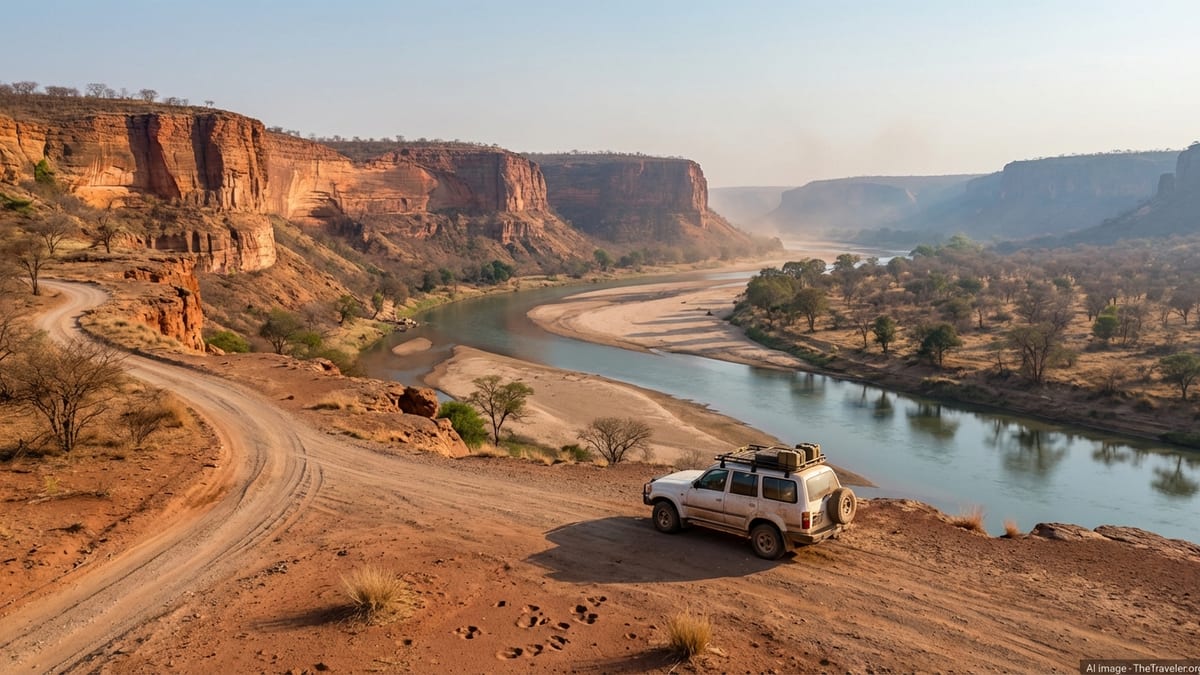
Planning A Trip Where Nothing Is Straightforward
My experience of Gonarezhou began long before I hit the park gate. It started with emails, phone calls that did not connect, and a spreadsheet trying to make sense of park fees, campsite categories, and park access points. The official tariffs list the conservation fees for international visitors, and the camping and lodge prices are there too if you dig through the tables. That part was at least clear: for a national park of this caliber, the nightly camping fees are reasonable, but they are not cheap charity prices either. The bigger confusion was availability and logistics rather than cost.
Booking through the parks authority was possible, but communication felt patchy and slow. Some days I got responses within 24 hours, other times several days passed with silence and I wondered if my reservation had simply evaporated. In a world of instant online bookings and automated confirmations, this felt frustrating and, frankly, anxiety inducing. I ended up confirming the critical pieces multiple times: campsite names, dates, even spelling of my surname. By the time I finally had a scrappy email chain that counted as proof, I already sensed this trip would demand more patience and self reliance than the average safari holiday.
Another planning curveball was understanding the park’s layout and access. Gonarezhou is huge, and the main tourism hubs are essentially three clusters: Chipinda Pools in the north, Chilojo area further in, and Mabalauta and Swimuwini in the south. The official description of how to get there is technically accurate: you drive from Chiredzi toward Mutare, then turn off at Chipinda Pools and follow a gravel road; or you peel off from the Beitbridge road near Mwenezi for Mabalauta. In reality, those distances felt longer than they looked on paper, and road conditions are variable enough that estimating driving times becomes an educated guess rather than a plan. If you are someone who likes everything locked down and predictable, the pre trip period alone may already test your nerves.
Getting There: The Long Road To Emptiness
Arriving in Gonarezhou is not a quick detour from anywhere. From Harare, I broke the drive with a night en route, because doing it in one push would have been an exhausting and frankly risky slog. The final approach to Chipinda Pools is on a long gravel road, and although you do not need a monster expedition truck, a high clearance 4x4 is, in my view, non negotiable. Corrugations, sand patches, and occasional washouts are all part of the deal. I passed only a handful of vehicles in several hours. The sense of isolation actually starts well before you see the park boundary.
By the time I reached the gate, the remoteness felt real in a way that was equal parts exhilarating and mildly alarming. This is not like arriving at the busy gates of Hwange or Kruger, where there is a line of cars, a shop, and staff who process visitors all day long. There were a few rangers, a simple office, and a kind of unhurried administrative rhythm. Conservation fees and vehicle entry were paid in US dollars, and the amounts matched what I had seen listed, which was reassuring. I had printed and saved offline copies of every relevant document, a precaution that turned out to be sensible given how often my mobile signal vanished.
What struck me almost immediately was the absence of background noise. No trucks droning on a highway just beyond the fence, no generator hum from a nearby lodge complex. Once the gate closed behind me and I rolled deeper into the park, the dominant sound was the crunch of my tires and the wind. The road network is extensive but not dense, and a basic map is essential; there is no app quietly tracking you here. I carried both a paper map and offline GPS, and I used both more actively than on any other self drive safari I have done.
First Impressions: Space, Silence, And A Slower Tempo
My first base was the main campsite at Chipinda Pools. It is the practical choice for a first night: close to the entrance, on the banks of the Runde River, and with basic facilities like ablutions and water. It is not glamorous. There are no manicured lawns, no decorative lanterns along paved pathways. Instead, I found a site that felt rough around the edges. Some taps worked, some did not; the showers delivered water, but the temperature and pressure were unpredictable. After dark, the appeal of hot water sometimes had to compete with the question of how many spiders had claimed the ablution block during the quiet hours.
If you are expecting polished infrastructure, Gonarezhou will disappoint you right away. This is not a park where the facilities are an attraction in their own right. I had to mentally recalibrate my standards and remember why I had come: for the wildness, not the tiles. Once I accepted that, the imperfections became part of the character rather than a source of constant irritation, but that adjustment did not happen instantly. The first evening, setting up camp in a swirling red dust while a troop of baboons eyed my food boxes, I felt more hassled than enchanted.
And yet, the park’s atmosphere worked its way under my skin quickly. As the sun sank, the river reflected streaks of orange and purple, and the bush behind camp melted into a deepening shadow. The absence of other people was stark. There were a couple of other vehicles scattered in the campsite, but we were separated enough that I could not hear their conversations or music. When night fell, it was genuinely dark and genuinely quiet. I slept to the sounds of frogs and distant elephants rather than traffic or bar chatter. It felt a little disconcerting and very, very good.
Wildlife: Quality Over Quantity, And Long Quiet Hours
I need to be blunt here: if you come to Gonarezhou expecting constant, dramatic sightings like the busier sections of Kruger or the Ngorongoro Crater, you will almost certainly be disappointed. On my first full day of game driving, I covered a big loop along the Runde River and inland, and there were long stretches where I saw nothing but impala, birds, and dust. No cars, either. At one point, I realized it had been almost three hours since I last saw another human being. That is thrilling in one sense, but on a hot afternoon with the windows open and my eyes straining for movement, it also felt monotonous.
When I did find animals, the encounters felt deeply rewarding. Elephants are a signature species here, and they are very present, but often shy or wary compared with their Hwange cousins. Some herds melted away into the thickets as soon as I stopped, which made photography more challenging and less satisfying. Others were more relaxed, and I had one extraordinary half hour watching a family group cross the river below the Chilojo Cliffs while the light softened and the sky turned from harsh white to pale gold. It was not dramatic like a predator kill; it was quiet, unhurried, and strangely intimate.
Predators were harder work. I saw fresh lion tracks and heard distant roars at night, but it took several days before I finally glimpsed two lions at dawn, silhouetted against the riverbank far away. Compared with other parks, these were fleeting, distant sightings rather than the close, prolonged encounters many safari goers are used to. I do not doubt there are excellent predator sightings here, especially for those staying at private concessions or with guides who really know the terrain, but in a self drive context, I found the wildlife experience to be more subtle, more about the overall wildness than ticking off species.
Birding, however, was consistently rewarding. Raptors, waders along the river, and a profusion of smaller species around camp made the quieter moments much more interesting. If you are a birder or someone who enjoys sitting with binoculars and a coffee, Gonarezhou has a lot to offer. If your heart is set on density and drama, you need to calibrate your expectations or risk feeling underwhelmed.
The Chilojo Cliffs: Iconic Beauty With Real Effort Behind It
The Chilojo Cliffs are the park’s poster image, and they deserve it. Reaching them from Chipinda is not technically difficult but does require time and attention. The tracks are rough in places, especially as you get closer, and this is not a road where you zone out. I left camp early to avoid the midday heat, carrying far more water than I thought I would need, which turned out to be wise. By the time I reached the viewpoints, I felt like I had truly earned the right to be there.
The cliffs themselves are spectacular: towering sandstone walls glowing in layers of red and orange, dropping down to the green strips of vegetation and the winding river. I had seen photos, but standing there, with no one else in sight, I felt their scale in a way no image had conveyed. I spent hours there, just moving between viewpoints and letting the scene change as the light shifted. It was one of those rare moments where expectation and reality aligned perfectly, maybe even exceeded what I had imagined.
But even on that high, the reality of the park’s remoteness intruded. There were no safety rails, no attendants, and no one checking in on visitors. If something had gone wrong, it would have been a long time before help arrived. That risk is part of what gives Gonarezhou its sense of real wilderness, but it also demands a more sober mindset. I found myself driving more conservatively, double checking my vehicle for rattles, and paying closer attention to my own fatigue. The cliffs are undeniably a highlight, yet they come packaged with the constant reminder that you are a tiny, fragile visitor in a very large, largely empty place.
Living With Limited Infrastructure: Camps, Water, And Supplies
One of the most important practical realities of Gonarezhou is that there are no shops inside the park. The official information is very clear about this, and it is not an exaggeration. Once you drive through the gate, whatever food, drinks, and basic supplies you have with you is all you will have until you leave. That sounds obvious in theory, but in practice, it changes your daily routine. Every meal, every forgotten item, every miscalculated snack becomes your problem alone. I did a substantial provisioning run in Chiredzi before entering, and even then, I found myself rationing fresh fruit and being annoyingly precious with my last few cold sodas.
The campsites themselves reflect the minimal infrastructure approach. At Chipinda and at the southern Swimuwini lodges, facilities are functional but basic. The lodges at Swimuwini are actually quite comfortable by park standards, with simple but solid accommodation overlooking the river, and they offer a nice reprieve if you are tired of dust and canvas. But even there, you should not expect daily housekeeping of the kind you might find in more developed destinations. When something breaks, it stays broken for longer. I had a sticky door and a finicky light, neither of which were serious, but they underscored how thinly stretched maintenance capacity seems to be.
Exclusive or undeveloped campsites inside the park, away from the main hubs, are where the remoteness really comes into focus. At one such site, I had a long drop toilet, a basic fire ring, and virtually nothing else. There was no staff presence, no neighboring campsite within earshot, and no cell signal. I loved the solitude, especially as night fell and the sky exploded with stars, but I would be lying if I said it was always comfortable. The first night, every twig snapping in the dark sounded like a large animal. Rationally, I knew most of them were probably small creatures, but camping alone in that kind of silence amplifies every sound and every worry.
On the flip side, the absence of infrastructure also means an absence of crowds, loud groups, and generator noise. I never once had to put up with someone else’s music blaring across the valley. There were no safari minibuses jockeying for position at sightings. That peace comes at the cost of convenience and a bit of personal comfort. You have to decide where on that tradeoff curve you are willing to stand.
Health, Safety, And Mental Load In A Remote Park
Before the trip, I had vaccinated where appropriate, updated my first aid kit, and packed a proper stock of malaria prophylaxis, painkillers, and basic antibiotics. Gonarezhou is in a malaria area, and while risk varies seasonally, it is not something to be taken lightly. Inside the park, there is no quick dash to a decent clinic if you develop a fever or get badly injured. That knowledge sat quietly at the back of my mind throughout the trip, a background hum I could not completely shut off.
Driving safety is another constant consideration. In more heavily trafficked parks, the worst likely outcome of a breakdown is an inconvenient wait until another vehicle passes. In Gonarezhou, hours can pass without seeing anyone, depending on where you are. I traveled with two spare tires, a proper jack, a compressor, and enough tools and fluids to handle minor mechanical issues. I also carried more drinking water than felt reasonable. I never needed most of it, but just knowing it was there made a noticeable difference to my mental comfort. If you are the kind of person who likes to wing it with a half charged phone and hope for the best, this park is not for you.
Animal safety felt more nuanced. The park is very wild, and there are large animals around camps and along roads, but the lack of habituation also means many of them keep a healthy distance. I did not feel menaced in camps, but I treated the surroundings with real respect. Walking at night without a strong torch would be reckless. Leaving food out would be foolish. This heightened awareness became tiring after a few days. Even simple tasks like washing dishes had to be done with one eye on the surrounding bush. It is not a relaxing, switch off entirely kind of environment; it is an engaged, attentive kind of wildness.
What Surprised Me, What Disappointed Me
Several things surprised me in a good way. First, the staff I interacted with at gates and camps were unfailingly polite and often genuinely warm. Even when systems felt slow or paperwork took longer than I thought it should, individual people tried to be helpful. I had braced for indifference or officialdom, but mostly encountered quiet, understated kindness. A ranger at one post went out of his way to mark a few recommended loops on my map, unprompted. Those small acts mattered a lot in a place where you are otherwise mostly on your own.
The landscape itself also exceeded my expectations. I knew about the cliffs and the rivers, but did not anticipate how varied the rest of the park would feel: dense sandveld, open pans, riverine forests, and rocky outcrops, all within a day’s driving. It never felt like I was circling the same scenery, even on days when sightings were thin. The sense of enormous space, of being in a truly large, unfragmented ecosystem, is something I have found in very few other places.
On the disappointing side, I struggled with the inconsistency of maintenance in some of the public facilities. A broken tap here, a non functioning light there, a shower that swung abruptly from cold to scalding: individually small issues, but together they chipped away at the comfort level, especially after several days of dust and heat. For the prices being charged, I do think the basics could be more consistently maintained. I was not expecting luxury, just reliability, and on that front the park did not always deliver.
I was also slightly let down by the overall game viewing compared with what I had hoped for, though this is as much about my expectations as the park itself. I had read accounts of prolific wildlife along certain river stretches, and perhaps I hit a quieter spell or the wrong combination of season and weather. There were magical moments, but the ratio of driving time to good sightings was higher than I am used to. If I returned, I would either give myself more days to let the park reveal itself slowly or consider mixing self drive with a guided stay at one of the private properties to tap into more local knowledge.
The Takeaway: Who Gonarezhou Is Really For
Looking back, I am glad I went to Gonarezhou, but I would not recommend it unreservedly to everyone. This is not a park for a first time safari traveler who wants guarantees, plentiful sightings, and a soft landing into the African bush. It is not for people who want to arrive, hand over their luggage, and be gently shepherded from game drive to sundowner and back, insulated from the harder edges of remoteness. If that is what you are after, there are many other destinations better suited to your needs.
Gonarezhou is, in my view, ideal for experienced self drivers and serious nature lovers who value solitude and wilderness atmosphere over comfort and spectacle. It rewards patience, preparation, and a certain tolerance for inconvenience. If the idea of going several days without a proper shop, of wrestling with patchy booking systems, of dealing with dust in everything you own, and of having long game drives with relatively few animals sounds like a deal breaker, this park will probably frustrate you more than it inspires you.
If, however, you feel drawn to places where you can camp in true quiet, hear only the sounds of the river and distant elephants at night, and stand alone at a viewpoint that looks out over tens of kilometers of untouched landscape, then Gonarezhou is worth the effort. For those travelers, the very things that make the park challenging are exactly what make it special. I would go again, but I would give myself more time, build in a rest day or two out of the park to reset, and possibly combine public campsites with a short stay at a more supported lodge to reduce the overall wear and tear.
In an era where so much travel is about convenience and instant gratification, Gonarezhou stands stubbornly apart. It asks more of you as a visitor, and at times it fails to meet even its own basic obligations in terms of maintenance. But it also offers a kind of wildness that is increasingly rare: imperfect, demanding, and, for the right kind of traveler, deeply rewarding.
FAQ
Q1: Do I really need a 4x4 to visit Gonarezhou National Park?
For main access routes in ideal dry conditions, a high clearance vehicle might reach some areas, but I would not attempt the park without a proper 4x4. Road conditions change quickly, and deeper inside the park, sand, ruts, and washouts make four wheel drive far more than a luxury.
Q2: How many days should I plan for a first visit?
If you are self driving, I would give Gonarezhou at least five nights in the park, plus a transit night on either side. Anything less feels rushed, especially given the long distances, slow driving, and the fact that wildlife sightings can take time.
Q3: Is it safe to visit Gonarezhou as an independent traveler?
It is reasonably safe if you are well prepared and experienced with remote travel. The bigger risks are vehicle breakdowns, medical issues far from help, and making careless choices around wildlife. If you are new to self drive safaris, I would not choose Gonarezhou as your first attempt.
Q4: What is the best time of year to go?
The dry season, roughly from May to October, is generally best for road conditions and game viewing. Early in the dry season the landscape is still green and pleasant, while later on the bush thins out and animals concentrate more around water, but temperatures can become very hot.
Q5: Are there any shops or fuel stations inside the park?
No. There are no shops and no fuel inside Gonarezhou. You need to stock up on all food and basic supplies in nearby towns like Chiredzi or Rutenga, and fill your fuel tanks and jerry cans before entering the park.
Q6: What kind of accommodation options are available?
The park offers public campsites, some exclusive or undeveloped sites in remote locations, and a handful of simple lodges such as those at Swimuwini. There are also private lodges and camps run by operators in and around the park if you prefer a guided, fully catered experience.
Q7: How does game viewing compare to other famous parks?
In my experience, animal densities feel lower and sightings are less predictable than in places like Hwange or Kruger. You can have excellent, intimate encounters, but they are often separated by long, quiet periods. If you value atmosphere over sheer numbers, you may still find it very satisfying.
Q8: Is malaria a concern in Gonarezhou?
Yes, Gonarezhou lies in a malaria area, especially during and just after the rains. I traveled with prophylaxis and took mosquito precautions in the evenings. Anyone considering a trip should discuss malaria prevention with a medical professional before going.
Q9: Can I visit without camping equipment?
It is possible if you book into the park’s lodges or private camps, but availability can be limited and you still need to be comfortable with remoteness and basic services. For a flexible, budget conscious visit, having your own camping gear makes things much easier.
Q10: Would I return to Gonarezhou in the future?
Yes, but with adjustments. I would stay longer, mix remote camping with a few nights of more comfortable lodging, and perhaps hire a local guide for a day or two to deepen the wildlife experience. For me, the wilderness atmosphere outweighed the frustrations, but I would plan more deliberately next time.