

More news on this day
European governments are resisting new limits on air travel as Ryanair highlights the risk of jet fuel supply disruptions linked to conflict in the Middle East, raising questions over how resilient summer flight schedules will be if energy markets tighten in the coming months.
Get the latest news straight to your inbox!
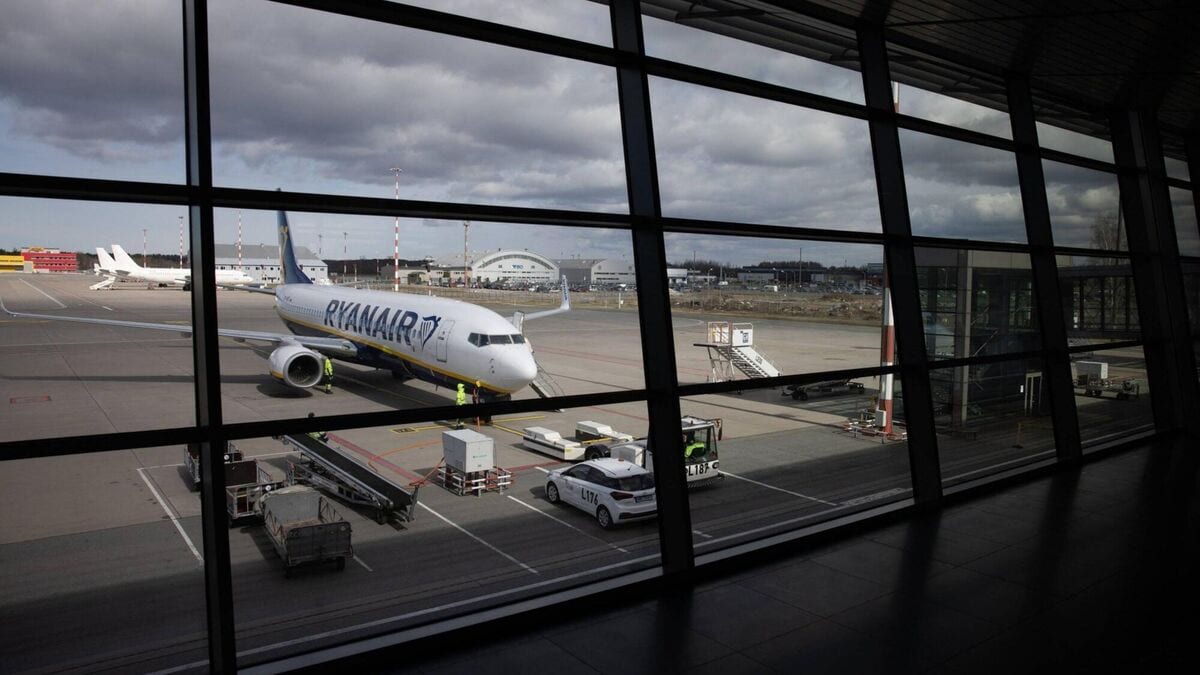
Image by Irish Examiner
Ryanair Flags Exposure to Jet Fuel Supply Routes
Recent coverage of airline industry assessments indicates that Ryanair has warned up to a quarter of its jet fuel supplies for Europe could be at risk if conflict in the Middle East persists into the peak travel season. Company executives have pointed to key refining and shipping corridors that supply European airports, noting that any prolonged disruption could drive up costs or constrain availability at short notice.
Publicly available information shows that these concerns are focused on the late spring and early summer period, when fuel demand typically rises as carriers ramp up capacity for holiday travel. Analysts note that even if outright shortages are avoided, tighter markets can translate into volatile prices, leaving low-cost carriers exposed because of the scale of their short-haul networks and the thin margins on budget fares.
Ryanair has previously described fuel and airport charges as among the most significant variables in its cost base, and recent investor documents highlight geopolitical instability and energy prices as material risks. Industry observers suggest that while the airline uses hedging and supply diversification to manage those risks, the sheer volume of fuel required across its network means it cannot be completely insulated from shocks.
The jet fuel warning has arrived alongside separate decisions by the carrier to reduce or cancel certain routes where higher fees and local taxes have eroded profitability. That combination of structural cost pressures and external fuel risk is feeding wider debate about how stable low-cost connectivity will be over the next year.
Governments Stick With Open Travel Policies
While airlines flag operational and cost hazards, European governments have largely avoided imposing new limits on air travel, instead reiterating support for market-based pricing and open connectivity. In several recent statements, transport and aviation policymakers have argued that direct intervention in fares or capacity would likely backfire by reducing route options and discouraging investment.
In some jurisdictions, ministers have stated that airfares are driven by a liberalized market framework and that authorities do not intend to cap prices, even as travelers complain about higher ticket costs. Officials have framed the current environment as a period of adjustment to elevated fuel prices, renewed demand after the pandemic and the need for airlines to rebuild balance sheets.
Regulatory initiatives under discussion are instead focused on long-term infrastructure and environmental policy rather than near-term travel restrictions. Examples include proposed changes to airport capacity rules, emissions trading schemes and sustainable aviation fuel incentives. These measures are aimed at steering the sector toward lower emissions and greater resilience rather than curbing passenger numbers in the short run.
Industry groups have welcomed clarity that governments are not planning new caps on travel demand, but they also caution that fragmented taxes and charges at the national level can still distort competition. For travelers, the message so far is that they are unlikely to see official limits on where or how often they can fly, even if prices and schedules remain volatile.
What Disruption Risk Means for Summer Travelers
For passengers planning trips in late spring and summer, the interaction between open travel policies and fuel or cost pressures creates a complex outlook. With no government-imposed caps to constrain demand, booking volumes on popular routes remain strong, but airlines are fine-tuning schedules to reflect aircraft availability, airport fees and evolving fuel expectations.
Travel experts monitoring schedules note that budget carriers, including Ryanair, have already trimmed some services where airport charges or local taxes have climbed sharply, particularly to certain peripheral or island destinations. These changes reduce redundancy in the network, which can amplify the impact of any future disruption if airlines have fewer alternative frequencies to reroute passengers.
Jet fuel market uncertainty could also influence last-minute operational decisions. While large-scale cancellations purely due to fuel prices are seen as unlikely, higher costs can encourage airlines to consolidate lightly booked flights or adjust capacity more frequently, especially outside major hubs. Travelers may therefore face greater chances of timetable changes, aircraft swaps or route consolidations as carriers respond to shifting economics.
Consumer advocates advise passengers to pay particular attention to fare conditions, rebooking options and insurance coverage, especially for multi-leg trips that rely on tight connections. Flexible tickets and direct flights, where available, may help reduce exposure to knock-on disruption if one segment of the network is affected by shortages, weather or geopolitical events.
Industry Balances Cost Pressures With Connectivity Goals
The latest signals from Ryanair and government officials reflect a broader balancing act in European aviation: preserving affordable connectivity while managing geopolitical, environmental and infrastructure constraints. Carriers are under pressure to keep fares competitive as living costs rise, yet they also face higher expenses tied to fuel, airport upgrades, staffing and climate policy.
Publicly accessible regulatory filings from airlines highlight a growing list of external risks, from energy markets and wars to new emissions rules and potential changes in passenger rights legislation. These documents emphasize that, although carriers employ hedging, diversified fuel sourcing and operational efficiencies, they cannot rule out periods of disruption or sudden cost spikes that feed through to schedules and pricing.
At the same time, policymakers are wary of measures that could be perceived as limiting ordinary travel, particularly after years of pandemic-related restrictions. Instead of direct controls on flight volumes, governments are pursuing frameworks that aim to safeguard national connectivity, such as revising airport capacity rules or encouraging investment in sustainable fuels and infrastructure.
This approach leaves airlines with significant discretion over how to shape their networks in response to fuel and fee dynamics. Travelers, in turn, are likely to experience an aviation market that remains open and highly competitive but subject to sharper seasonal swings and route-level adjustments as carriers navigate an uncertain operating environment.
Travel Planning in an Uncertain Energy and Security Climate
The backdrop to Ryanair’s fuel warnings includes a wider aviation landscape marked by security concerns, regional conflicts and occasional airspace restrictions. Recent episodes of heightened tension in the Middle East have led various airlines to reroute or suspend certain services, underlining how quickly conditions can change for flights transiting sensitive regions.
Although most European leisure routes continue to operate normally, risk assessments carried out by airlines and aviation authorities can lead to rapid timetable revisions when security alerts are raised. When combined with fuel supply worries, these factors introduce additional uncertainty for carriers mapping out their summer operations months in advance.
For travelers, this means that careful planning remains essential despite the absence of formal government limits on air travel. Observers recommend booking with airlines that offer clear rebooking policies, monitoring itineraries in the weeks before departure and allowing extra time for connections, particularly where flights rely on congested hubs or routes exposed to geopolitical risk.
While governments currently appear determined to keep skies open, the dynamics of fuel supply, conflict and airport economics mean that the risk of disruption has not disappeared. The coming season is likely to test how well Europe’s liberalized air travel model can absorb external shocks without resorting to formal curbs on passenger movements.