

More news on this day
On Seoul’s northwestern fringe, the city of Goyang is rapidly evolving from bedroom suburb to full-fledged destination, drawing visitors with a rare mix of K-culture entertainment, waterfront parks and new urban districts.
Get the latest news straight to your inbox!
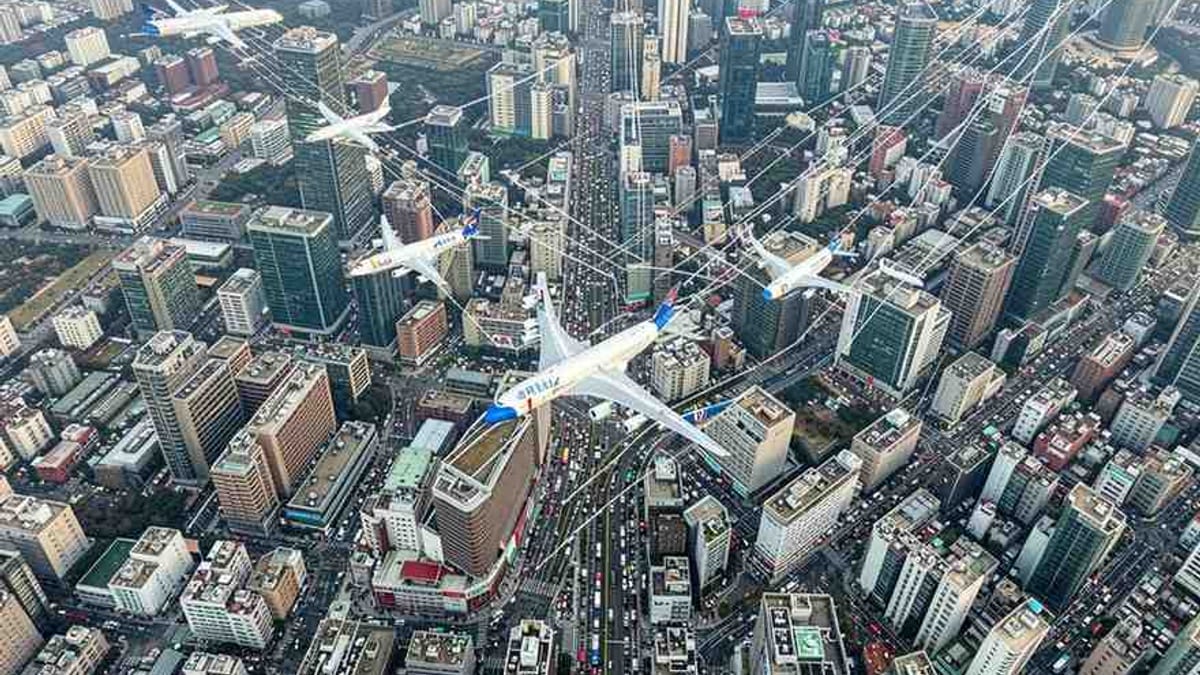
A Fast-Growing Neighbor Redefining Seoul’s Orbit
Publicly available data shows that Goyang, in Gyeonggi Province, has grown into one of South Korea’s largest cities by population, boosted by planned new towns such as Ilsan and expanded metro links into central Seoul. For travelers, that growth is reshaping what was once a commuter hub into a place worth plotting on an itinerary in its own right.
The city lies roughly an hour from central Seoul by Line 3 of the subway, putting it within reach for day trips while still feeling distinct from the capital. Visitors arriving at stations such as Daehwa, Juyeop or Jeongbalsan step out into broad boulevards, landscaped plazas and a skyline increasingly defined by high-rise apartments, malls and cultural venues.
Local tourism information presents Goyang as both a “special city” and a high-tech future hub, positioning it as part of a wider ring of satellite cities that distribute residents, workplaces and convention traffic beyond the capital’s dense core. For travelers, that planning translates into pedestrian-friendly districts where shopping centers, parks and exhibition halls cluster in walkable zones.
Goyang’s rise is also linked to broader efforts in Gyeonggi Province to develop “Hallyu” content clusters around Seoul. Long-discussed projects, including a large-scale K-culture complex in the city’s Ilsan area, have been moving ahead in stages, reinforcing Goyang’s identity as a showcase for contemporary Korean entertainment and lifestyle.
Ilsan Lake Park: Urban Nature on a Grand Scale
At the heart of Goyang’s appeal is Ilsan Lake Park, one of the largest man-made urban lakes in South Korea and a signature green space for the wider capital region. Built in the 1990s as part of the Ilsan new town plan, the park covers more than one million square meters and wraps around a broad artificial lake framed by tree-lined paths and lawns.
The lakefront has become a year-round leisure zone where residents and visitors jog along cushioned running tracks, hire bicycles, or picnic under cherry trees in spring. Travel reports describe more than four kilometers of trails, landscaped gardens and open-air art installations, giving the area a relaxed, residential feel that contrasts with central Seoul’s heavy traffic.
The park also serves as Goyang’s main festival stage. The Goyang International Flower Festival, one of the country’s best-known floral events, typically transforms parts of the lakeside into elaborate garden displays each spring, attracting exhibitors and visitors from Korea and abroad. In autumn, cultural programs such as the Goyang Lake Art Festival bring street performances and outdoor shows to the same public spaces.
Crucially for short-stay visitors, Ilsan Lake Park sits next to dense commercial districts. Shopping streets such as Lafesta and Western Dom, as well as large mixed-use complexes, cluster just beyond the park’s edges, allowing travelers to move in minutes from waterside walkways to cafes, restaurants and fashion stores.
KINTEX and the Rise of K-Culture Entertainment
Just southwest of the lake, the Korea International Exhibition Center, widely known as KINTEX, has become one of the most visited convention venues in the country. Official profiles describe it as the largest exhibition complex in South Korea, hosting international trade fairs, fan conventions, industry expos and large-scale cultural events throughout the year.
The complex’s outdoor plazas and performance areas have increasingly been used for major concerts and summer festivals, amplifying Goyang’s presence on the K-pop and live-entertainment map. Recent coverage in domestic media highlighted large-scale water-themed music festivals staged at KINTEX, part of a trend in which headline acts and seasonal shows are no longer confined to central Seoul.
Surrounding the convention center, a cluster of K-culture themed projects has been unfolding under various names, including Hallyu World and K-Culture Valley. Provincial and municipal planning documents outline a long-term vision of an entertainment district that could eventually include arenas, theme park-style zones, hotels and commercial streets, with KINTEX as its anchor.
For visitors, that concentration of venues means that a trip to Goyang can combine a specific event at KINTEX with nearby attractions. A growing hotel inventory, shopping malls such as Starfield Goyang and quick access to restaurants and cafes around Daehwa and Juyeop stations make it feasible to base a short stay in the city rather than commuting back to Seoul after each show or convention.
Family-Friendly Attractions and Everyday Urban Life
Beyond headline events, Goyang’s tourism appeal rests on a dense lineup of family attractions keyed to the city’s young population. Aqua Planet Ilsan, promoted in regional tourism guides as one of the largest aquariums in the greater Seoul area, offers multi-level tanks, marine shows and educational exhibits that draw school groups and weekend visitors alike.
Nearby, the Onemount complex combines shopping with seasonal leisure facilities, including indoor snow zones and water attractions. Guides position the two venues, together with Ilsan Lake Park, as a central trio that can fill a full day for families, especially during school holidays and humid summer months.
For younger children, the Goyang Children’s Museum and neighborhood-scale parks provide spaces for interactive play, while local markets and food streets offer a more everyday glimpse of Korean urban life. Traditional markets in districts such as Wondang and Neungok highlight regional produce and street food, contrasting with the polished, climate-controlled interiors of modern malls.
This mix is central to Goyang’s emerging brand: a place where residents can combine apartment living, convenient transit and large public facilities with quick access to nature and cultural programming. For travelers, dipping into that routine, whether through a picnic by the lake or an evening stroll through local shopping streets, offers a different angle on the capital region.
History, Heritage and Access to the Wider Region
Although much of Goyang’s current growth is tied to contemporary developments, the city also serves as a gateway to older sites along the Han River and in the surrounding hills. Haengju Fortress, a riverside stronghold associated with a key battle during the Imjin War in the late sixteenth century, lies within the city’s boundaries and has been developed as a historic park.
Tourism materials describe walking trails, memorial spaces and scenic viewpoints across the river toward Seoul, adding historical depth to what might otherwise be seen as a purely modern landscape. Elsewhere in Goyang, royal tomb clusters designated as part of a broader UNESCO World Heritage listing offer quieter wooded walks and insight into the rituals of the Joseon Dynasty.
Practical access further strengthens Goyang’s position for visitors exploring the capital region. Multiple stations on Seoul Subway Line 3 run through the city, while express bus services link KINTEX and other hubs to Incheon International Airport and central Seoul. For travelers already familiar with core districts such as Myeongdong or Hongdae, routing a day or two through Goyang can provide a less crowded, more spacious counterpoint.
As Gyeonggi Province invests in K-culture clusters and urban infrastructure, Goyang is likely to see continued development around its lakefront, convention center and entertainment zones. For now, it stands out as one of the clearest examples of how a fast-growing satellite city can blend large-scale events, family attractions, green space and everyday urban life within easy reach of Seoul.