

More news on this day
Greece is set to join Italy, Turkey, Portugal, Bulgaria, Spain and Croatia among Europe’s most sought-after Easter 2026 destinations, as travelers look to combine reliable spring sunshine, mild temperatures and fewer crowds with rich cultural traditions across the Mediterranean and Balkans.
Get the latest news straight to your inbox!
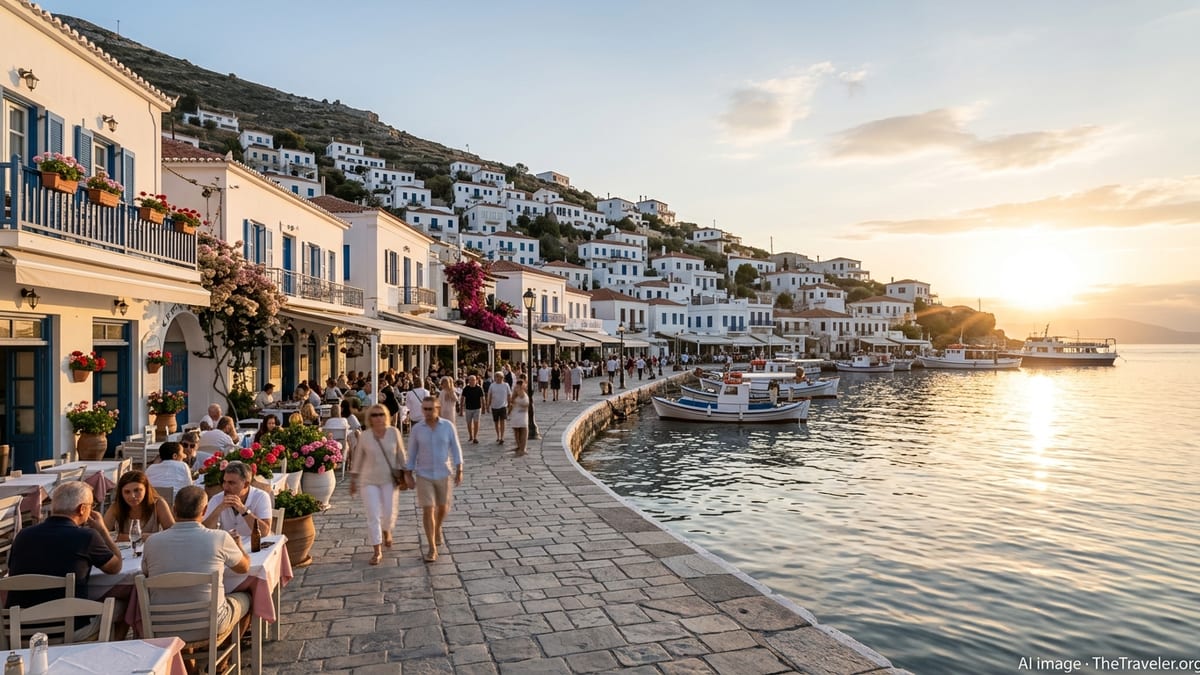
Easter 2026 Travel Shifts Toward Sun-Soaked Southern Europe
Easter Sunday in 2026 falls on 5 April, positioning the holiday squarely in the heart of southern Europe’s spring shoulder season, when days lengthen, flowers bloom and temperatures begin to climb across the Mediterranean basin. Publicly available calendars indicate that both Western and Orthodox Easter coincide on that date, a relatively rare alignment that is expected to concentrate demand into a single peak travel week across the region.
Industry trend reports and recent booking analyses highlight a clear pattern: Spain, Italy and Turkey continue to dominate Europe’s Easter getaway rankings, with Portugal, Greece, Croatia and Bulgaria consolidating their status as strong alternatives for travelers seeking milder conditions and generally lower prices than in the height of summer. Travel barometer surveys for 2025 already showed these countries leading European holiday preferences, suggesting that the pattern is likely to strengthen into 2026 as travelers lock in spring breaks earlier.
Short-haul flight search data published over the past year points to rising interest in coastal city breaks and island escapes over the Easter period, particularly where warm but not oppressive temperatures can be expected. This places much of the Mediterranean fringe in a favorable position, from the Iberian Peninsula and Italian peninsula to the Aegean, Adriatic and Black Sea coasts.
With concerns about extreme summer heat fresh in the minds of many European travelers after recent heatwaves, the prospect of April conditions that are pleasant for walking, sightseeing and outdoor dining, without the intensity of July and August, is emerging as a major factor in destination choice.
Greece Joins the Front Rank of Easter Favorites
Recent travel news coverage indicates that Greece has already recorded strong year-on-year growth in Easter bookings, with domestic and international travelers alike gravitating toward Athens, Thessaloniki and the Greek islands in April. Data from the 2025 season pointed to particularly high demand for islands such as Corfu, Santorini, Rhodes and Crete over the Easter period, reinforcing Greece’s reputation as a springtime escape rather than solely a summer beach destination.
Climate guides show that much of Greece enjoys daytime highs in the mid to upper teens Celsius in early April, often reaching around 18 to 20 degrees, accompanied by lengthening sunny spells and relatively low rainfall compared with late winter. These conditions support a style of travel focused on exploring archaeological sites, hiking coastal and island trails and enjoying café terraces, while sea temperatures remain cool but manageable for hardy swimmers, especially in the south.
For Easter 2026, travel planners are positioning Greece as a natural counterpart to Italy and Spain for visitors seeking a blend of culture, religion and relaxed seaside ambiance. Athens and Thessaloniki are being promoted as urban bases combining museums, vibrant food scenes and nearby coastal day trips, while islands in the Cyclades, Ionian and Dodecanese groups are marketed as quieter alternatives to their busy summer profile, with many businesses reopening for the season around the Easter period.
Publicly available guidance from regional tourism bodies emphasizes that Easter week traditionally marks the informal start of the tourist season across much of Greece, meaning ferries, local flights and key visitor services are in operation, but overall visitor numbers remain well below summer peaks. This balance is helping to position the country as a prime choice for travelers in search of atmosphere without overcrowding.
Weather Outlook: Mild Temperatures and Reduced Rainfall
Climatological averages compiled by European travel guides identify southern Europe as enjoying some of the continent’s warmest and driest spring conditions. For April, regions encompassing Greece, Italy, Spain and Portugal typically record average daytime temperatures around 16 to 20 degrees Celsius, with relatively cool nights and a noticeable drop in rainfall compared with March.
In Greece, coastal areas and islands usually see a mix of clear and partly cloudy days in early April, with showers tending to be brief rather than prolonged. Similar patterns are observed along Italy’s Tyrrhenian and Adriatic coasts, Spain’s Mediterranean shoreline and Portugal’s Algarve region, where early spring sunshine is often strong enough for al fresco lunches while remaining comfortable for city walks and excursions.
Further east, Turkey’s Aegean and Mediterranean coasts often experience comparably mild and bright conditions in April, while the Adriatic shores of Croatia and the Black Sea and lowland regions of Bulgaria gradually transition out of winter, with increasing sunshine hours and moderating temperatures. These factors underpin the positioning of all seven countries as “ideal weather” options for Easter 2026, particularly appealing to travelers from northern and western Europe emerging from colder, wetter winters.
While year-to-year variations remain possible, meteorological agencies continue to describe early April as a relatively stable period for travel across much of the Mediterranean and southern Balkans. Travelers are being encouraged to pack layers, light rain protection and comfortable walking shoes, but forecasts suggest that long stretches of sunny, mild days are more likely than sustained unsettled weather across the main holiday week.
How Greece Compares With Italy, Spain, Portugal, Turkey, Croatia and Bulgaria
Comparative travel analyses show that Italy and Spain remain anchor destinations for Easter breaks, thanks to their wealth of cultural landmarks, major festival observances and extensive air connections. Rome, Seville, Barcelona and Florence are frequently cited among the top city choices, while coastal hubs such as the Amalfi Coast, the Costa del Sol and the Balearic Islands attract visitors seeking an early taste of summer.
Portugal’s Lisbon and Porto, along with the Algarve coastline, are highlighted in recent roundups of Easter 2026 short breaks for offering a mix of historic districts, Atlantic scenery and relatively favorable pricing. Turkey’s southwestern coast and resort towns such as Marmaris and Bodrum are also singled out for budget-friendly packages combining warm weather, sea views and all-inclusive stays.
Croatia and Bulgaria, meanwhile, appeal to travelers looking for more emerging or less crowded alternatives. Dubrovnik, Split and the Dalmatian islands in Croatia, along with Bulgarian Black Sea resorts and historic inland towns, are drawing attention for their combination of competitive pricing and gradually warming spring conditions.
Within this context, Greece is increasingly positioned as a bridge between the more established western Mediterranean hotspots and the value-oriented destinations of the eastern Adriatic and Black Sea. Its extensive island network, diverse mainland landscapes and deep-rooted Easter traditions are helping it stand out in 2026 travel coverage, particularly for visitors willing to trade guaranteed beach weather for comfortable sightseeing and cultural immersion.
Planning an Easter 2026 Escape to Greece and Its Neighbors
Travel advisories and booking platforms recommend that travelers aiming for Easter 2026 in Greece, Italy, Spain, Portugal, Turkey, Bulgaria or Croatia begin planning several months in advance, especially given the overlap of Western and Orthodox observances that year. Early reservations are advised for key ferry routes, popular island accommodations and city-center hotels close to major churches and historic districts.
Transport patterns suggest that many visitors will opt for multi-stop itineraries combining a gateway city with one or more coastal or island destinations. For example, Athens paired with a Cycladic island, Rome with the Amalfi Coast, Lisbon with the Algarve, or Istanbul with Turkey’s Aegean resorts. Rail networks in Italy and Spain, along with inter-island ferries in Greece and Croatia, are expected to play a central role in these combinations.
Travel planners also highlight the benefits of shoulder-season pricing. Airfares and hotel rates in early April typically remain below their June and July levels in much of southern Europe, even at Easter, especially for travelers who book outside the immediate holiday weekend or stay in secondary towns rather than flagship resorts. This cost advantage, coupled with milder weather and lighter crowds at major heritage sites, is a key part of the appeal for 2026.
As booking windows open wider for the coming year, publicly available industry data indicates that Greece is firmly joining Italy, Turkey, Portugal, Bulgaria, Spain and Croatia on the shortlist of top Easter 2026 destinations. For travelers seeking sunny days, comfortable temperatures and a holiday atmosphere that balances local tradition with relaxed coastal living, the region is shaping up to be one of the most compelling choices on the global travel map.