

Greece remains one of Europe’s safest and most rewarding destinations, drawing millions of visitors each year to its islands, ancient sites, and vivid city neighborhoods. Yet like any popular country, it comes with some risks that smart travelers should understand before they arrive. From petty theft in busy squares to summer wildfires and ferry strikes, being prepared will help you enjoy Greece’s relaxed Mediterranean rhythm without unwelcome surprises.
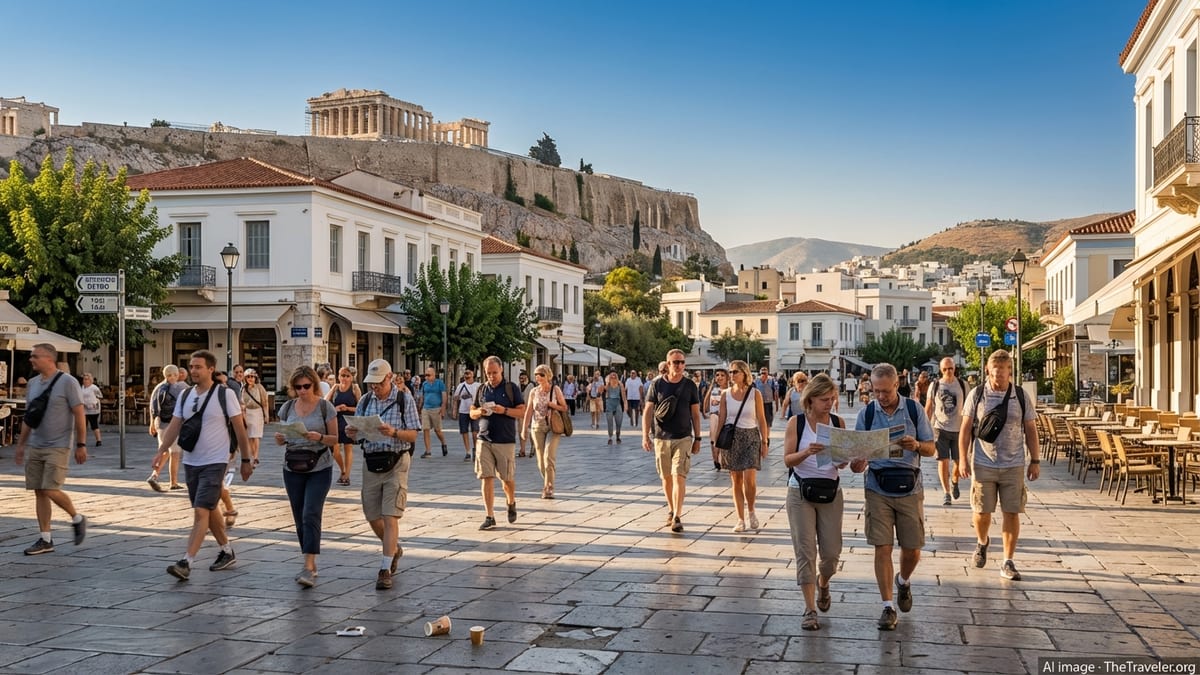
How Safe Is Greece Right Now?
Major government travel advisories currently rate Greece as a low-risk destination where visitors can generally exercise normal precautions. Violent crime against tourists is rare, and the country benefits from a strong tourism infrastructure, especially in well-known regions like Attica, the South Aegean islands, and Crete. Most visitors experience nothing more serious than a lost wallet, a delayed ferry, or a mild case of sunburn.
At the same time, officials are clear that petty crime is common in busy tourist areas and on public transport, particularly in central Athens and at major ferry and bus hubs. Travelers should expect a familiar set of urban risks: pickpocketing, bag snatching, and occasional scams designed to separate visitors from their cash or belongings. Staying aware in crowds and looking after your valuables will go a long way toward keeping your trip trouble free.
Greece also sees periodic protests, labor strikes, and seasonal wildfires that can affect local transportation and sometimes cause temporary disruptions. These events rarely target tourists, but they can affect your itinerary, especially during peak summer and around key national dates. Building flexibility into your plans and following local news will help you navigate these situations with minimal stress.
Overall, Greece compares favorably with many other European countries in independent global risk maps, which place it in a low-risk category for security, crime, and political stability. This does not mean there is no risk, but rather that most problems are manageable with common sense precautions and good travel planning.
Understanding Crime and Scams in Greece
The biggest safety concern for most visitors in Greece is opportunistic theft. Pickpockets and bag snatchers target crowded metro lines, airport and port connections, and busy tourist zones such as Monastiraki and Syntagma in Athens, as well as popular island ports and nightlife districts. They look for distracted travelers juggling luggage, phones, and cameras.
Thieves in Athens and other large cities often work in small groups. One person may bump into you or ask for help while an accomplice lifts a wallet or phone from an open bag or back pocket. Distraction techniques can be subtle: someone spilling a drink, sudden jostling near train doors, or a stranger insisting on “helping” with ticket machines or directions. These tactics are designed to shift your attention for a few seconds, which is all they need.
Common scams include “friendship bracelets” or small gifts pressed into your hand and then aggressively charged for, overcharging or confusing bills in bars in highly touristed neighborhoods, and occasional unlicensed taxis quoting inflated fares. Card skimming at poorly monitored ATMs can occur, particularly around nightlife strips and ports. None of these are unique to Greece, but they are worth keeping in mind when you are relaxed on holiday.
Outside of major cities, crime levels are generally lower, especially in small island communities where locals often know each other. That said, petty theft can still surface in crowded beach bars, busy ferry decks, and short-term rentals. Do not assume that a charming village is crime free. Lock doors, use safes when available, and be cautious about leaving belongings unattended on the beach while you swim.
Staying Safe in Athens and Other Greek Cities
Athens has transformed in recent years into a vibrant capital where historic sites and creative neighborhoods sit side by side. For most visitors, central areas like Plaka, Koukaki, Kolonaki, Syntagma, and the streets immediately around the Acropolis feel safe and lively well into the evening. These districts benefit from a strong police presence, good lighting, and a constant mix of locals and tourists.
At the same time, some central zones require more situational awareness, especially late at night. Parts of Omonia, Victoria, and the backstreets of Exarchia can feel rougher after dark, with more visible drug use, homelessness, or political graffiti and street gatherings. These neighborhoods are not necessarily off limits, but most visitors feel more comfortable sticking to main roads and avoiding poorly lit side streets after midnight.
The Athens metro and suburban rail network are generally safe and efficient, but they are also prime hunting grounds for pickpockets. The lines linking the airport and Piraeus port, as well as interchange stations at Syntagma, Monastiraki, and Omonia, see the highest concentration of thefts. Take your backpack off and wear it on your chest, keep a hand on zippered bags, and be especially alert when trains are crowded or doors are opening and closing.
Other Greek cities such as Thessaloniki, Heraklion, Chania, Patras, and Larissa tend to feel relaxed and walkable, with lower levels of visible disorder than many larger European urban centers. Still, the same rules apply: avoid dark parks late at night, do not flash expensive jewelry or electronics, and use licensed taxis or reputable ride apps when traveling after a late dinner or night out.
Island Travel, Beaches, and Summer Hazards
The Greek islands are the highlight of many trips, and for good reason. Safety risks there tend to be less about crime and more about common holiday hazards: road accidents on scooters or quad bikes, alcohol-fueled mishaps, dehydration, and occasionally rough seas. Incidents are more likely on heavily touristed islands with intense nightlife, such as Mykonos, Ios, or parts of Santorini, particularly in high summer.
Renting scooters and quad bikes is very popular but can be dangerous, especially on steep, winding island roads with loose gravel, limited lighting, and drivers unfamiliar with local conditions. Helmets are legally required and should always be worn, even if rental staff seem relaxed about it. Consider whether you are truly comfortable handling a scooter with a passenger or after drinking, and opt for a small car or public bus if not.
Beaches bring their own safety considerations. Strong currents and sudden drops can occur, and lifeguards are not present on every beach. Rocks and sea urchins are common along parts of the coastline, especially where the seabed is rocky. Beach bars and clubs sometimes encourage heavy drinking, which can increase the risk of falls, fights, or poor decisions about swimming at night or in rough conditions.
Seasonal wildfires are another important factor, primarily on the mainland and in forested island areas during hot, dry summers. Fires can lead to localized evacuations, smoke, and road closures even when tourist zones are not in immediate danger. Pay attention to local announcements, follow instructions from authorities quickly if an evacuation is ordered, and avoid lighting barbecues or discarding cigarette butts in rural areas.
Transport, Strikes, and Everyday Practicalities
Greece’s transport network is extensive but can be affected by strikes, protests, and occasional technical issues. Ferries are the lifeline of the islands and usually operate smoothly in peak season, but sailings can be delayed or canceled due to high winds or industrial action. Likewise, metro, bus, and taxi services in Athens may be disrupted on planned strike days, especially around major public sector negotiations or traditional protest dates.
To reduce stress, build at least one buffer day between island hops and international flights, and avoid scheduling tight connections that depend on a single ferry or domestic flight. Check your airline or ferry operator regularly for updates, and have a backup plan in mind, such as staying an extra night near your departure airport or port if needed.
Road safety is another consideration. Greek drivers can be assertive by the standards of some visitors, and rural roads often have narrow shoulders, sharp bends, and occasional livestock or pedestrians. When renting a car, verify that your insurance covers Greece fully, including for islands if you plan to take a vehicle on a ferry. Drive defensively, use seat belts, and avoid driving when very tired after long travel days or late nights.
For emergencies, Greece participates in the pan-European emergency number 112, which connects you to police, fire, and ambulance services with operators often able to assist in English. Tourist police units in major cities and resort areas can help with theft reports, disputes, or basic assistance. Keep digital copies of your passport, tickets, and insurance and store key phone numbers in both your phone and written form in case your device is lost or stolen.
Health, Environment, and Seasonal Considerations
Health risks in Greece are relatively low for most visitors, with no unusual infectious diseases of concern in main tourist areas. The biggest health challenges tend to be heat, sun exposure, and occasionally food and water hygiene. Summers are increasingly hot, especially in July and August, with heatwaves pushing temperatures well above 35 degrees Celsius in parts of the country.
To stay safe, plan strenuous sightseeing such as the Acropolis or archaeological sites early in the morning or late in the afternoon rather than at midday. Wear a hat, high-SPF sunscreen, and light, breathable clothing, and carry more water than you think you will need. Air conditioning is common in hotels, but not universal in older budget accommodation. If heat is a major concern for you, consider visiting in May, June, September, or early October instead of mid-summer.
Public hospitals in major cities provide a solid standard of care, and private clinics are widely used for non-emergency issues by insured travelers. Pharmacies are easy to spot by their green cross signs and can advise on minor illnesses, insect bites, and basic medications. Tap water is generally safe to drink in many mainland cities, but on some islands and rural areas visitors prefer bottled water because of taste or local supply issues; check local advice on arrival.
All travelers, including those from visa-exempt countries, should carry comprehensive travel insurance that covers medical care, emergency evacuation, and trip disruptions such as cancellations due to strikes or wildfires. New border systems in the European Union, including biometric entry and exit recording, may mean slightly longer queues at airports and land borders, so allow extra time when entering or leaving Greece, particularly in peak season.
Women, LGBTQ+ Travelers, and Solo Visitors
Greece is generally welcoming to women travelers, solo visitors, and LGBTQ+ tourists. Street harassment is less intense than in some neighboring countries, although comments or stares can occur, especially in nightlife-heavy zones. Solo female travelers report feeling comfortable in central Athens neighborhoods and on most islands, provided they follow the same precautions they would use in any busy European destination.
As a solo traveler, choose well-reviewed accommodation in central, well-lit areas and avoid walking through deserted parks or poorly lit alleys late at night. If a situation or person makes you uncomfortable, move toward busy, public areas such as cafes, hotel lobbies, or main squares. Locals are generally helpful if you ask for assistance or directions, and staff at hotels and guesthouses are usually able to suggest safer routes and reputable taxi or transfer services.
Greece has a visible LGBTQ+ scene in Athens and Thessaloniki, with several islands such as Mykonos long known as friendly destinations. Public displays of affection between same-sex couples may attract occasional stares in more traditional rural communities but are widely accepted in big cities and tourist hot spots. As in most places, gauging the mood of your surroundings and moderating behavior where needed will help avoid unwanted attention.
For all visitors, blending in with local norms goes a long way. Dress modestly at religious sites, respect neighborhood quiet hours late at night, and avoid loud or intoxicated behavior in residential streets. Such small gestures not only reduce the risk of confrontation but also deepen your connection with the places you visit.
The Takeaway
Greece in 2026 stands out as a relatively safe, stable, and deeply rewarding destination. Most travelers enjoy their time without serious incident, leaving with memories of clear seas, ancient temples, and generous hospitality rather than worries about security. The main risks you are likely to face involve petty theft in busy places, travel disruptions from strikes or weather, and environmental factors such as heatwaves and seasonal wildfires.
By staying aware of your surroundings, protecting your valuables, building flexibility into your itineraries, and respecting local customs, you can reduce those risks significantly. Choose accommodation in well-regarded neighborhoods, rely on official transport and reputable operators, and keep yourself informed about local conditions while you are on the ground. A bit of preparation before you arrive will pay off many times over once you are enjoying an island sunset or exploring a hillside village.
With realistic expectations and simple precautions, Greece remains what it has long been for travelers: a place where history, landscape, and everyday life blend into an experience that feels both timeless and refreshingly alive. Travel smart, stay curious, and you are likely to find that Greece’s reputation for safety and warmth holds up in person.
FAQ
Q1. Is Greece safe to visit in 2026?
Greece is considered a low-risk destination with generally low levels of violent crime. Petty theft and occasional travel disruptions are the main issues travelers should prepare for.
Q2. Is Athens safe for tourists, including at night?
Central Athens is usually safe and lively into the evening, especially in areas like Plaka, Syntagma, and Kolonaki. Take extra care in and around certain squares and backstreets late at night and avoid poorly lit areas.
Q3. How common is pickpocketing in Greece?
Pickpocketing is the most frequent crime affecting visitors, particularly on busy metro lines, airport connections, and crowded tourist squares. Keeping valuables secure and staying alert in crowds greatly reduces your risk.
Q4. Are the Greek islands safer than the mainland?
Many travelers feel very safe on the islands, where serious crime is uncommon. Risks tend to be related to road accidents, nightlife, and sometimes rough seas or wildfires rather than to violent crime.
Q5. Is public transport in Greece safe?
Yes, public transport is generally safe and widely used by locals. The main concern is theft on crowded services, so watch your belongings closely on the metro, buses, and ferries.
Q6. Are women and solo travelers safe in Greece?
Women and solo travelers usually find Greece comfortable and welcoming. Choosing central accommodation, avoiding very deserted areas after dark, and using reputable transport at night are sensible precautions.
Q7. What about terrorism or political unrest in Greece?
Serious security incidents are rare, but demonstrations and occasional small-scale political incidents do occur, mostly in central Athens. Avoid protests and follow local instructions if gatherings develop.
Q8. Is tap water safe to drink in Greece?
Tap water is generally safe in many urban areas, but on some islands and rural regions visitors prefer bottled water due to taste or local supply. Check local guidance when you arrive.
Q9. What health risks should travelers be aware of?
The main health risks are heat, sun exposure, and minor food or water-related upsets. Heatwaves are increasingly common in summer, so plan your activities accordingly and stay hydrated.
Q10. Do I need travel insurance for Greece?
Yes, comprehensive travel insurance is strongly recommended. It should cover medical care, emergency evacuation, and disruptions such as cancellations due to strikes, wildfires, or severe weather.