

More news on this day
Last-minute cancellations of Celestyal’s March Aegean cruises have rattled some cruise passengers, but tourism demand for Athens, Mykonos and Santorini remains resilient, with flights, ferries and competing cruise lines keeping Greece’s marquee destinations firmly open for business.
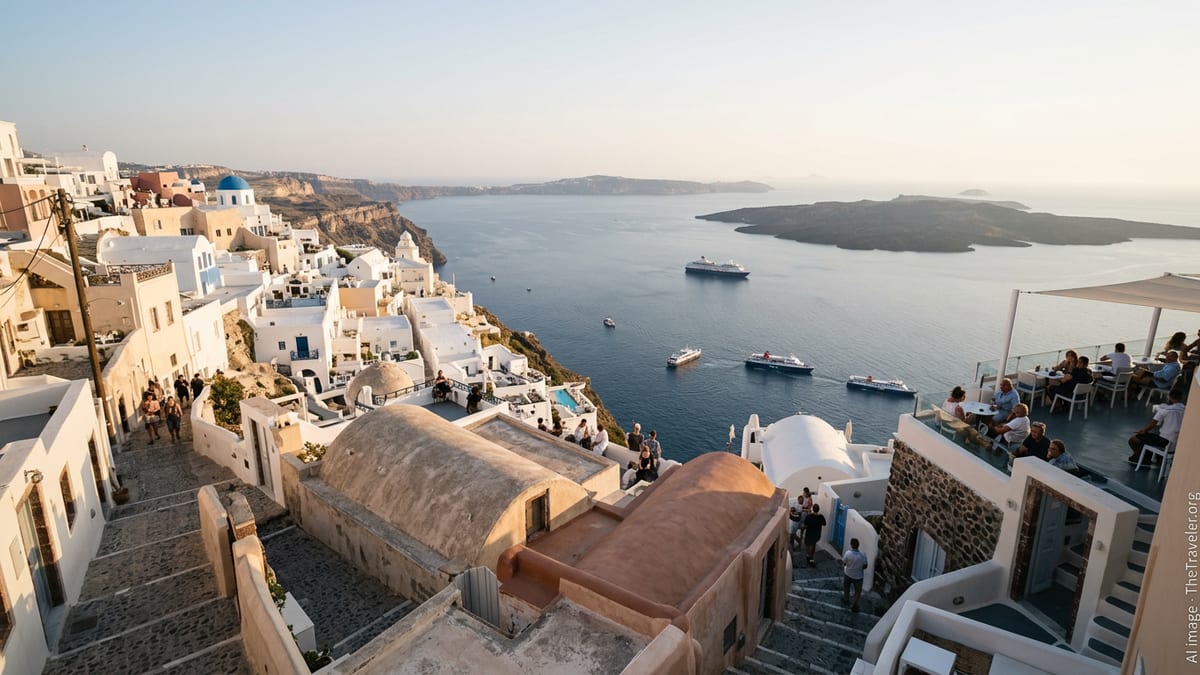
What Changed in Celestyal’s Aegean Cruise Program
Celestyal confirmed this week that two early-season "Iconic Aegean" cruises aboard the Celestyal Discovery, scheduled to depart from Athens on March 20 and March 23, have been cancelled as the ship remains delayed returning from the Arabian Gulf. The company is repositioning both Celestyal Discovery and Celestyal Journey back to Greece after tensions in the wider Middle East left multiple cruise vessels waiting to clear the Strait of Hormuz and disrupted spring deployment plans.
These March departures were among the first short Aegean itineraries of the season, typically calling at Greek mainstays such as Mykonos, Santorini, Patmos and Crete. Guests booked on the affected sailings have been offered the choice of a full refund or future cruise credit, and Celestyal has stressed that the cancellations are operational, not related to conditions in Greek ports.
The line’s published schedules show its summer season from Athens resuming from late March and early April, with three- to seven-night sailings in the Aegean and Eastern Mediterranean. Industry analysts note that the disruption is concentrated in a narrow window at the start of the season, rather than a wholesale pullout from Greece.
Other major cruise brands with Greek programs later in spring and summer have, so far, kept their Aegean itineraries intact while monitoring the broader regional situation. That reinforces the picture of Athens and the Cyclades as stable, high-demand destinations despite short-term fleet positioning challenges.
Tourism Flows to Athens, Mykonos and Santorini Remain Strong
The immediate impact of Celestyal’s adjustments on inbound tourism to Athens, Mykonos and Santorini is limited, because cruise passengers make up only part of overall arrivals to these destinations. Athens International Airport continues to see strong traffic from European hubs and long-haul markets such as North America, while Mykonos and Santorini benefit from extensive seasonal direct flights that bypass Athens entirely.
Recent tourism data and booking trends point to continued high interest in Greece’s flagship destinations, following several years in which the country has either matched or exceeded its pre-pandemic visitor records. Tour operators report that demand for peak-season stays in the Cyclades is tracking ahead of last year, with many hotels on Santorini and Mykonos already heavily booked for late spring and summer.
Cruise-specific volumes to the islands are also expected to remain robust, even with early-season cuts. Several global lines deploy ships on seven-night Eastern Mediterranean itineraries that include Athens, Mykonos and Santorini alongside Turkish and Italian ports. As Celestyal finalizes its own ship repositioning and other brands maintain or redeploy capacity into the Aegean, local port authorities in Greece still anticipate a busy 2026 cruise season overall.
For local businesses on the islands, the temporary loss of a handful of March calls translates into a marginal dip at the very start of the season, well before the main surge of visitors from May through October. Hoteliers and restaurant owners contacted by Greek travel media described the situation as “manageable” and emphasized that bookings from land-based travelers remain the primary driver of revenue.
How the Cancellations Affect Current and Future Travelers
For travelers directly affected by the cancelled March 20 and 23 cruises, the main consequence is the need to rework short-term plans rather than any safety issue in Greek waters. Celestyal is offering refunds or credits, and many passengers are choosing to pivot to land-based itineraries that still include Athens, Mykonos and Santorini, using domestic flights and ferries to recreate elements of their planned island-hopping experience.
Prospective visitors holding bookings on later Celestyal sailings from Athens are, for now, advised to monitor communications from the cruise line but not to assume their trips will be disrupted. The company’s public statements indicate its intention to operate the core Mediterranean season once both vessels are back in Greece, subject to operational conditions. Travel agents recommend ensuring that flights and hotels are on flexible or refundable terms and that comprehensive travel insurance is in place.
Travelers who prefer to keep a cruise component in their Greek holiday have options beyond Celestyal. Several international cruise operators run Aegean itineraries from late spring onward, and smaller expedition-style and premium lines call at the Cyclades throughout the season. Others are choosing to switch from cruises to multi-night stays on one or two islands, which allows more time in each destination and reduces exposure to last-minute maritime schedule changes.
Importantly, there have been no advisories against travel to Athens, Mykonos or Santorini from key source markets such as the United States, Canada or Western Europe. Governments currently differentiate between the conflict-affected Gulf region and the comparatively stable Eastern Mediterranean, keeping Greece firmly on the map for 2026 holidays.
Fees, Capacity Management and What Visitors Should Budget For
While cruise cancellations have dominated headlines, the most tangible change many travelers will notice in 2026 is financial rather than operational. Greece has introduced a sustainable development fee for cruise passengers calling at its ports, with higher charges applied to heavily visited islands such as Mykonos and Santorini. During peak season, visitors arriving by cruise ship can expect to pay an additional per-person levy collected by their cruise line or tour operator on behalf of Greek authorities.
This levy sits alongside other, separate measures aimed at easing overtourism pressures, especially on Santorini. Authorities continue to manage daily caps on cruise passenger arrivals and to spread ship calls more evenly across the week. These policies are designed to protect local infrastructure and preserve the visitor experience, and they have not reduced overall interest in the islands. Instead, they encourage travelers to book well ahead and to consider visiting in shoulder months such as April, May, September and October.
For independent travelers flying directly to the islands or arriving via ferry from Athens, the new cruise-specific fees will not apply, though standard accommodation taxes remain in force. However, all visitors should budget for generally high prices during peak periods, especially in Mykonos and Santorini, where room rates, dining and transport can be significantly above the Greek mainland average.
Industry observers note that these cost and capacity-management tools are signs of a mature, high-demand destination rather than a market in decline. For many travelers, the premium is considered acceptable in exchange for access to iconic caldera views, Cycladic architecture and vibrant nightlife.
Practical Advice for Planning Aegean Trips in 2026
For those planning to visit Athens, Mykonos and Santorini in 2026, the key message is to stay informed but not alarmed. Prospective visitors should track updates from their cruise line or tour operator, pay attention to airline advisories and check official government travel guidance from their home country, but there is currently no indication that tourism to mainland Greece or the Cyclades is under threat.
Travel experts recommend building flexibility into itineraries, particularly in the shoulder season when cruise schedules can still shift as ships reposition from winter bases. Booking a night in Athens before and after any cruise, or allowing an extra day between island ferries and international flights, can provide useful buffers against unforeseen changes.
Travelers who are nervous about cruise disruptions can easily design land-based alternatives. Athens pairs naturally with either one or two islands on a single trip, and regular domestic flights link the capital with both Mykonos and Santorini in under an hour. Ferries across the Aegean add further options for combining the islands or extending trips to nearby destinations such as Naxos or Paros.
Ultimately, the current adjustments in Celestyal’s early-season program highlight how interconnected today’s cruise industry is with events far beyond the Aegean. Yet on the ground in Athens, Mykonos and Santorini, hotels are open, restaurants are hiring for the summer and booking patterns point to another busy year for Greece’s most famous tourism hotspots.