

More news on this day
Long overshadowed by China’s coastal heavyweights, Guiyang is entering 2026 as an unexpected star on the travel map, fusing cloud-wrapped karst peaks, revived folk culture and a fast-growing high-tech economy into one destination.
Get the latest news straight to your inbox!
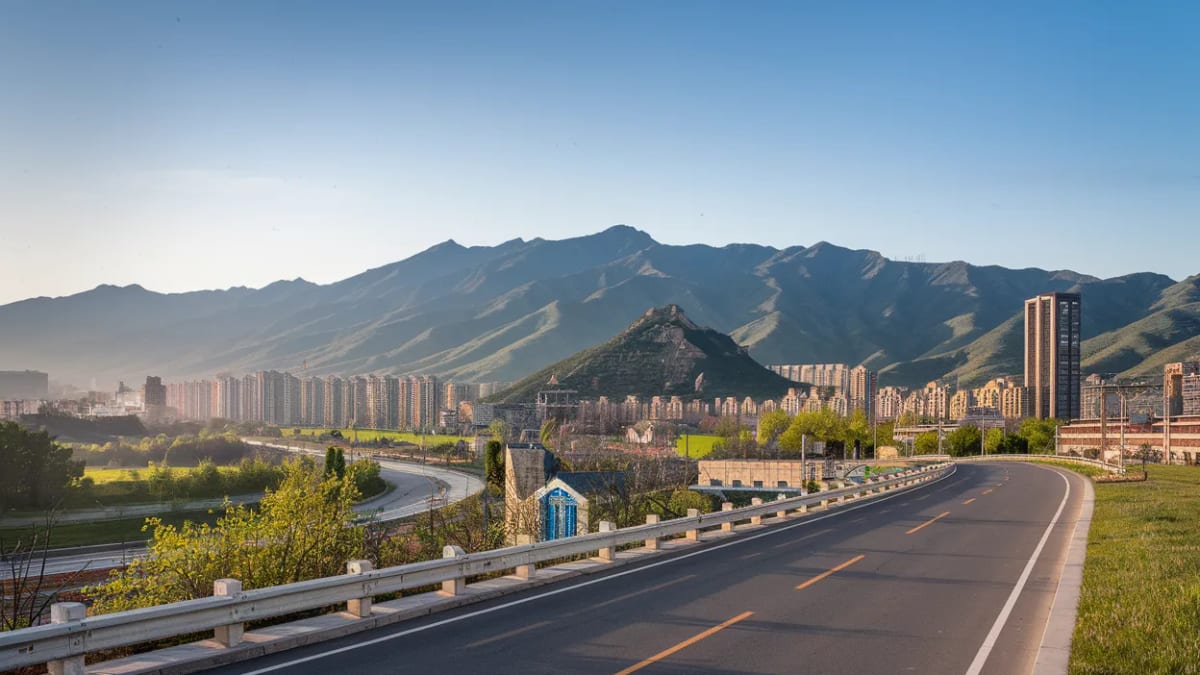
Image by Travel And Tour World
Award-Winning City Blends Big Data and Café Culture
Recent recognition as “City of the Year” by lifestyle magazine New Weekly has pushed Guiyang into the national spotlight and helped reframe perceptions of the southwestern provincial capital. Coverage of the award highlights a rare dual identity. Guiyang is described as both China’s “Data Valley,” home to a dense cluster of big data enterprises, and a relaxed “Capital of Coffee,” where small independent cafés and outdoor public spaces are becoming part of the city’s brand.
This dual image reflects wider changes on the ground. Official information on Guiyang’s big data hub indicates that more than 1,300 enterprises have clustered in the Guiyang Big Data Science and Innovation City, generating tens of billions of yuan in annual service revenue and positioning the city as a national computing power center. At the same time, Guiyang is promoting its “Cool Guiyang” tourism identity, using music, coffee and night-time cultural events to appeal to younger and more experience-driven visitors.
For travelers, this means a city that feels markedly different from China’s traditional heritage destinations or industrial powerhouses. Urban rail, high-speed rail connections and a growing airport have made Guiyang more accessible, while visitors increasingly encounter a streetscape where tech parks and data centers sit within reach of casual coffee corners and riverside promenades.
Green Tourism and Karst Landscapes Drive New Itineraries
Guiyang’s rise is also rooted in the natural environment that surrounds it. The city markets itself as the “Pearl of the Plateau,” a cool, high-altitude refuge backed by thick forests and karst hills. Government and media reports emphasize that districts such as Huaxi have been designated national ecological demonstration zones, and that nearby scenic areas including Qingyan Ancient Town, Tianhetan and Shilihetan Wetland Park anchor a growing cluster of nature-based attractions.
National coverage of China’s “cave economy” underscores Guizhou’s role in adventure and eco-tourism, with karst caves, forest parks and river canyons being upgraded for controlled, higher-value tourism. While many of these sites lie outside the city proper, Guiyang functions as the main gateway, with tour routes radiating into the surrounding mountains and river valleys. The trend dovetails with China-wide growth in experiential travel, highlighted during the 2026 Spring Festival holiday, when domestic trips surged and large-scale engineering and nature projects became major draws.
Recent holiday statistics from Guiyang and nearby Gui’an New Area reinforce that interest. During the 2025 National Day and Mid-Autumn Festival period, tourism authorities reported double-digit growth in visitor numbers and spending, with parks such as Qianlingshan, Huaxi Wetland Park and urban attractions like Jiaxiu Pavilion and Colorful Guizhou City among the most visited. Rural tourism combining agricultural experiences, outdoor art and intangible cultural heritage also recorded strong performance, suggesting that nature-oriented itineraries are moving from niche to mainstream.
Culture, Coffee and “Intangible Heritage Plus” Experiences
Beyond scenery, Guiyang is leaning heavily on culture to shape its 2026 appeal. In Huaxi district, a Spring Festival series built around an “intangible cultural heritage plus” concept has turned traditional crafts and customs into hands-on visitor experiences. Public information on the event describes a program that mixes performances, folk streets, hanfu parades, blessing ceremonies and farming celebrations, using the park landscape as an open-air stage for local heritage.
The city has also been experimenting with seasonal cultural programming. Under the “Cool Guiyang” umbrella, officials have promoted spring flower-viewing, summer retreats and winter hot spring products, often pairing them with concerts, sports and shopping events. Earlier roadside concerts, which gained online attention in 2022, have evolved into recurring performances that bring live music into everyday public spaces, offering travelers a low-cost way to engage with local nightlife.
Plans announced for 2025 and beyond include new educational travel products and “red tourism” routes that start from Guiyang and explore revolutionary history in the wider region. Projects such as the planned Guizhou Ethnic Culture Park and upgrades to Colorful Guizhou City signal a continued push to package ethnic culture, festivals and food into modern, visitor-friendly formats. For international travelers arriving in 2026, this is expected to translate into a broader menu of curated cultural tours in English and other major languages.
High-Speed Gateways and Tech Tourism Shape the New City Break
Guiyang’s growing presence on travel radars is closely tied to improved access. The city’s Longdongbao International Airport handled more than 22 million passengers in 2024, indicating a fast-recovering and expanding route network. On the ground, Guiyang North railway station has become one of southwestern China’s key high-speed hubs, linking the city by bullet train to major centers including Guangzhou and, more recently, Nanning through the Guiyang–Nanning high-speed line, which has cut travel times between the two provincial capitals to under three hours.
Within Guizhou, a new high-speed rail line scheduled to open in late 2025 is set to connect all prefecture-level cities in the province into a one to two hour travel circle with Guiyang at its center. Reports on the project suggest that this will further consolidate Guiyang’s role as a regional tourism gateway, allowing visitors to base themselves in the capital while making fast side trips to karst landscapes, ethnic minority villages and attractions such as the FAST “China Sky Eye” radio telescope in Pingtang County, which has evolved into a popular science and astronomy park.
Back in the city, the digital economy itself is increasingly part of the tourism story. Promotional material for Guiyang’s big data zones highlights urban design that invites visitors to explore technology parks, innovation centers and exhibition spaces. Some travel itineraries are beginning to feature stops at the Big Data Expo and related venues, positioning Guiyang as a short city break where travelers can combine urban coffee culture, tech sightseeing and easy access to the surrounding plateau scenery.
Sports, Summer Retreats and a Push for International Visitors
Guiyang’s medium-term development plans indicate an ambition to become an international mountain sports tourism city by the middle of the decade. Policy documents outline a network of eco-themed sports corridors along rivers, forest belts and mountain trails, with events like the Guiyang Marathon and youth climbing competitions designed to build a recognizable sports brand. For travelers, this is likely to bring more running festivals, cycling events and outdoor challenges integrated with scenic routes.
At the same time, local strategies for 2025 call for new “summer retreat” products, including real estate and long-stay services designed to attract seasonal residents escaping hot lowland cities. Infrastructure investments are targeting food, accommodation, shopping and entertainment, with the goal of building six “cool” product systems that cover climate, sports, culture, food, health and digital experiences.
To reach a wider global audience, Guiyang has also been increasing outbound promotion. In early 2025, tourism officials took the “Cool Guiyang” brand on the road to Zhangjiajie, a well-known inbound tourism destination, aiming to build joint products and transfer routes that channel more international visitors through Guiyang. With China’s overall domestic tourism numbers climbing and international air links gradually expanding, industry observers expect Guiyang to move from “hidden gem” status toward a recognized name among travelers looking for an alternative China city that combines culture, nature and high-tech experiences in 2026.