

More news on this day
Fresh cancellations by Gulf Air and several United Arab Emirates carriers are intensifying disruption for long-haul travelers, with a dozen newly scrubbed flights affecting routes to Auckland, Bahrain, Lahore, and other major hubs as Gulf airspace remains constrained by regional conflict.
Get the latest news straight to your inbox!
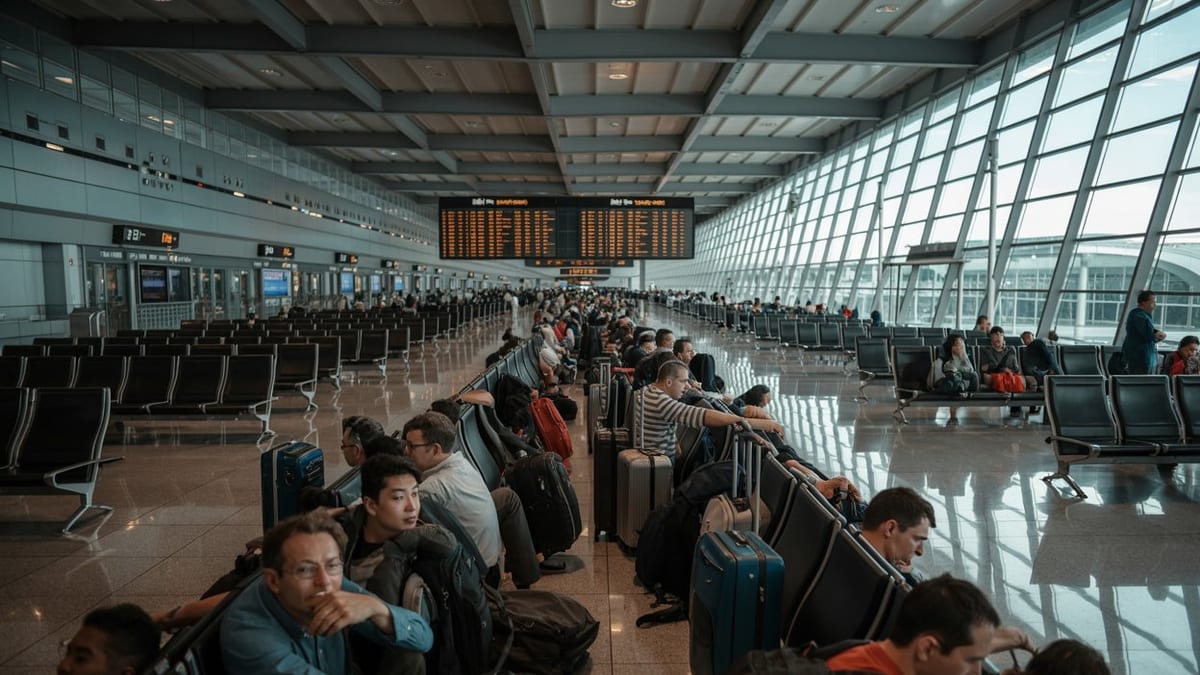
Image by Travel And Tour World
Middle East Conflict Keeps Airline Schedules in Flux
Published coverage in recent weeks shows that airspace closures and restrictions across the Gulf have continued to unsettle airline schedules, with Gulf-based carriers operating far below pre-crisis capacity. Reports on the broader aviation picture indicate that leading regional airlines, including those based in the United Arab Emirates and Bahrain, are flying at around half of their usual schedules as they navigate shifting safety assessments and routing constraints.
The latest dozen cancellations involving Gulf Air and UAE airlines add to thousands of flights that have already been withdrawn or rerouted since late February. Long-haul sectors that typically funnel through Gulf hubs, including services to Auckland, South Asian gateways such as Lahore, and intra-Gulf links to Bahrain, are among those affected. Publicly available dispatches describe a network that remains patched together day by day rather than following the predictable patterns travelers are used to.
Regional monitoring summaries and aviation briefings describe a highly dynamic situation in which airlines are frequently forced to adjust operations on short notice. Airlines have responded with special waivers, flexible rebooking policies, and revised schedules, but the incremental cancellation of additional flights this week underlines how fragile the recovery remains.
Gulf Air Cuts Add Pressure on Bahrain and South Asia Links
Gulf Air, Bahrain’s flag carrier, has already been navigating weeks of disruption tied to airspace closures and changing overflight permissions. Advisory documents circulated to travel agents show that the airline has had to revise ticketing procedures and refund options for passengers whose flights were canceled or significantly altered following the closure of Bahrain’s surrounding airspace in late February and early March.
The new round of cancellations is understood to affect several regional and medium-haul rotations, including services touching Bahrain and key South Asian cities such as Lahore. Coverage from South Asian outlets noted that routes between Pakistan and Gulf hubs have been especially exposed, as Middle East restrictions interact with separate airspace constraints in Pakistan, further limiting options for rerouting.
For travelers, the practical impact is a narrowing of choices and more complex itineraries. Passengers who might once have relied on a simple one-stop connection via Bahrain are increasingly being rebooked onto multi-stop journeys through alternative hubs or different regions entirely, in some cases adding many hours and new visa or transit requirements to what were once straightforward trips.
UAE Airlines Trim Long-Haul and Regional Services
Carriers based in the United Arab Emirates have played a central role in connecting Europe, Asia, and Oceania, with cities like Auckland heavily dependent on long-haul services via Dubai or Abu Dhabi. Since late February, however, UAE airlines have been running reduced schedules as they contend with intermittent airspace closures and the need to avoid certain flight paths.
Industry reporting suggests that while some services from Dubai and Abu Dhabi have gradually resumed, new cancellations continue to emerge whenever risk assessments shift. The latest batch appears to include additional flights linking Gulf hubs with South Asia and onward long-haul segments that would typically extend to destinations such as Auckland. Reduced frequencies on these trunk routes mean that when one flight is canceled, the ability to accommodate affected passengers on the next available departure is significantly constrained.
Shorter regional routes within the Gulf and to nearby cities have also been affected, especially where airspace corridors remain partially restricted. Schedules to and from Bahrain, Doha, and select Saudi and Kuwaiti cities have seen repeated changes, with some rotations temporarily withdrawn while others operate with altered timings and routings to skirt sensitive areas.
Knock-On Effects From Dhaka to Auckland
The cancellations announced this week are part of a much wider pattern of disruption stretching from South Asia to the Pacific. Recent reports from Dhaka describe dozens of flights canceled at the Bangladeshi capital’s airport within a single day as Gulf-based airlines adjusted operations in response to Middle East tensions, including reduced services by carriers such as Gulf Air, Emirates, Air Arabia, and flydubai.
These cuts ripple across global networks. Travelers flying from cities like Lahore or Dhaka to long-haul destinations such as Auckland often rely on carefully timed connections through Gulf hubs. When one leg is withdrawn, entire itineraries can collapse, forcing passengers to seek alternatives at short notice. Some travelers are being rerouted via Southeast Asian hubs or European gateways, while others face extended delays waiting for the next available seat on an already busy replacement flight.
Airports and tourism boards along popular leisure routes are also beginning to register the impact. Industry commentary from New Zealand, Southeast Asia, and European markets has pointed to softer inbound numbers and greater volatility in booking patterns on routes that depend heavily on Gulf carriers, as travelers weigh the risk of last-minute schedule changes.
What Affected Passengers Can Do Now
Publicly available advisories from airlines and aviation authorities emphasize the need for passengers to check their flight status repeatedly in the days and hours before departure. Because cancellations are often confirmed only once updated safety assessments are completed, timetables that appear normal several days in advance can still change with limited notice, particularly for flights transiting Gulf airspace.
Many Gulf-based airlines, including Gulf Air and major UAE carriers, have issued waivers that allow for free date changes or refunds in specific circumstances. These policies typically apply to tickets booked before the escalation of the crisis and for travel within certain date ranges. Travelers are being encouraged, through airline statements and media coverage, to read the conditions carefully and, where possible, to manage changes online to avoid congestion at airport service desks.
Travel experts quoted in recent media analysis recommend building more resilience into itineraries during this volatile period. That can include allowing longer connection windows, favoring routings that offer backup options if a Gulf leg is canceled, and ensuring that accommodation and ground transport bookings are flexible. With Gulf Air and UAE airlines now canceling additional flights on core routes to Auckland, Bahrain, Lahore, and beyond, cautious planning may be the best defense against an evolving disruption that shows little sign of ending quickly.