

More news on this day
Bahrain’s national carrier Gulf Air is adding new services from Dammam to Frankfurt and Nairobi, a move that reinforces growing tourism cooperation between Bahrain and Saudi Arabia and strengthens the Gulf’s position in global air connectivity.
Get the latest news straight to your inbox!
New Routes Underscore Shared Tourism Ambitions
The planned launch of Gulf Air routes from Dammam to Frankfurt in Europe and Nairobi in East Africa aligns closely with wider efforts by Bahrain and Saudi Arabia to position the Gulf as a competitive global tourism hub. Publicly available information shows that Gulf Air has been expanding its long-haul and regional network, including European destinations such as Frankfurt and African gateways like Nairobi, as part of a broader growth strategy.
Industry data and recent travel coverage indicate that Dammam’s King Fahd International Airport has emerged as a practical alternative gateway for Gulf Air operations, especially as regional carriers seek to maintain connectivity during periods of disruption elsewhere in the network. Adding direct or one-stop services from Dammam to major international hubs is seen by analysts as a way to preserve passenger flows and support tourism targets in both Bahrain and Saudi Arabia.
The new Frankfurt and Nairobi routes would complement existing flights from Bahrain International Airport, effectively extending the reach of the Bahraini flag carrier into Saudi Arabia’s Eastern Province while offering travelers more choice to connect with Europe and Africa.
Bahrain–Saudi Connectivity Built on Long-Standing Links
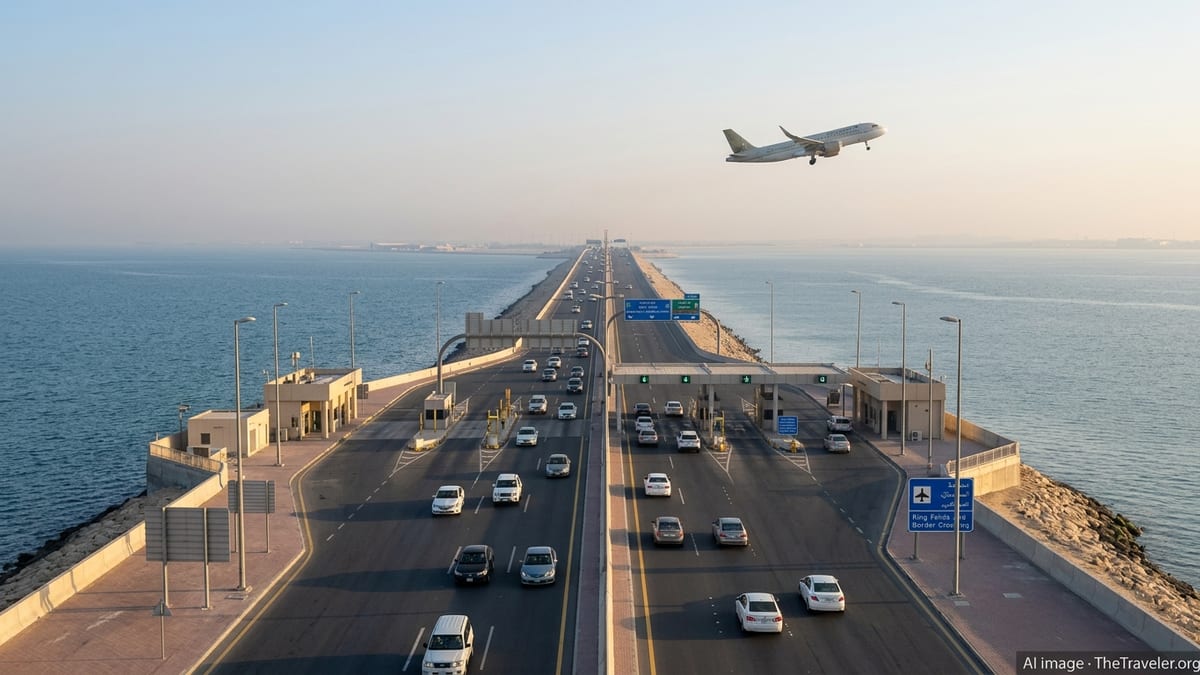
The Bahrain–Saudi transport relationship is built on decades of physical and economic integration, exemplified by the King Fahd Causeway and a pipeline of joint infrastructure projects. According to regional transport analyses, the planned King Hamad Causeway and associated rail and road links are expected to significantly boost cross-border passenger flows and tourism once completed, further knitting together the two economies.
Public reports on bilateral coordination meetings highlight that Bahrain and Saudi Arabia have repeatedly emphasized aviation, sea links and overland connectivity as priority areas for cooperation. These efforts reflect a shared goal of developing the Gulf as an integrated tourism and trade region rather than a collection of isolated markets.
Within this context, Gulf Air’s deeper use of Dammam as an operational point illustrates how airlines can capitalize on the proximity of the two kingdoms. The carrier is effectively deploying Bahrain’s hub strengths while leveraging Saudi Arabia’s large domestic and outbound travel market, a combination that industry commentators view as strategically important for long-term tourism growth.
Supporting Saudi Vision 2030 and Regional Tourism Goals
Saudi Arabia’s Vision 2030 strategy identifies tourism as a central pillar of economic diversification, with substantial investment flowing into new destinations, heritage projects and coastal developments. Government reports on Vision 2030 progress outline ambitions to attract tens of millions of international and domestic visitors annually by the end of the decade.
Improved air connectivity is widely regarded as critical to achieving those goals. By linking Dammam directly to Frankfurt, Gulf Air connects Saudi travelers to one of Europe’s key aviation and business hubs, while also giving European visitors easier access to Saudi Arabia’s Eastern Province and onward domestic destinations. Travel analysts note that such routes can stimulate both leisure and business traffic, especially when paired with streamlined visa policies and coordinated tourism marketing.
The Nairobi service strengthens ties with Africa, a region increasingly important to Gulf carriers seeking new tourism and investment flows. Nairobi is a major gateway to East African safari, coastal and conference tourism, and the addition of Dammam as a departure point broadens access for Saudi and Bahraini travelers looking for multi-destination itineraries that combine Gulf city stays with African nature and cultural experiences.
Dammam’s Rising Role as a Strategic Gateway
King Fahd International Airport has been gradually carving out a larger role in Gulf aviation, serving both the industrial heartland of Saudi Arabia’s Eastern Province and a rising number of leisure and religious travelers transiting the region. Aviation databases and route-mapping platforms show a steady increase in international services through Dammam, with regional and global carriers adding capacity in response to demand.
Gulf Air’s new flights to Frankfurt and Nairobi from Dammam deepen this trend by giving the airport additional long-haul connectivity. For travelers in eastern and central Saudi Arabia, the routes offer an alternative to flying via Riyadh, Jeddah or Doha, potentially reducing total journey times and enhancing convenience.
For Bahrain, the move helps preserve network resilience and maintains the country’s role as a bridge between Saudi Arabia and international markets, even as major infrastructure upgrades continue on both sides of the causeway. Travel industry observers suggest that a more distributed network, with Dammam acting as a supplementary gateway, can provide flexibility during periods of high demand or regional disruption.
Implications for Travelers and the Wider Gulf Market
For passengers, the announced expansion from Dammam into Frankfurt and Nairobi translates into more itinerary options, especially for those combining multiple Gulf and international stops. It also creates fresh opportunities for tour operators and travel agencies in both Bahrain and Saudi Arabia to package city breaks, religious tourism, business visits and African safaris in a single trip.
At the regional level, the move reinforces a broader Gulf trend toward collaborative positioning as a unified tourism destination. Policy initiatives such as closer coordination on visas, one-stop travel systems and joint marketing campaigns are designed to make cross-border movement within the Gulf as seamless as possible. Additional air links from cities like Dammam fit neatly into that vision, giving visitors more gateways and routing flexibility.
As Gulf Air integrates the new Dammam services into its schedule, the routes to Frankfurt and Nairobi are expected by industry watchers to contribute incrementally to passenger growth, hotel demand and ancillary spending in both Bahrain and Saudi Arabia. The development illustrates how targeted aviation decisions can support high-level tourism strategies, helping the two kingdoms advance their shared objective of stronger global tourism ties.