

More news on this day
Passengers transiting Singapore Changi Airport over the past week have faced fresh disruption as a series of Gulf Air and Scoot cancellations cut connections to Bahrain and key Malaysian cities, reflecting the widening impact of the Middle East conflict on routings across Asia.
Get the latest news straight to your inbox!
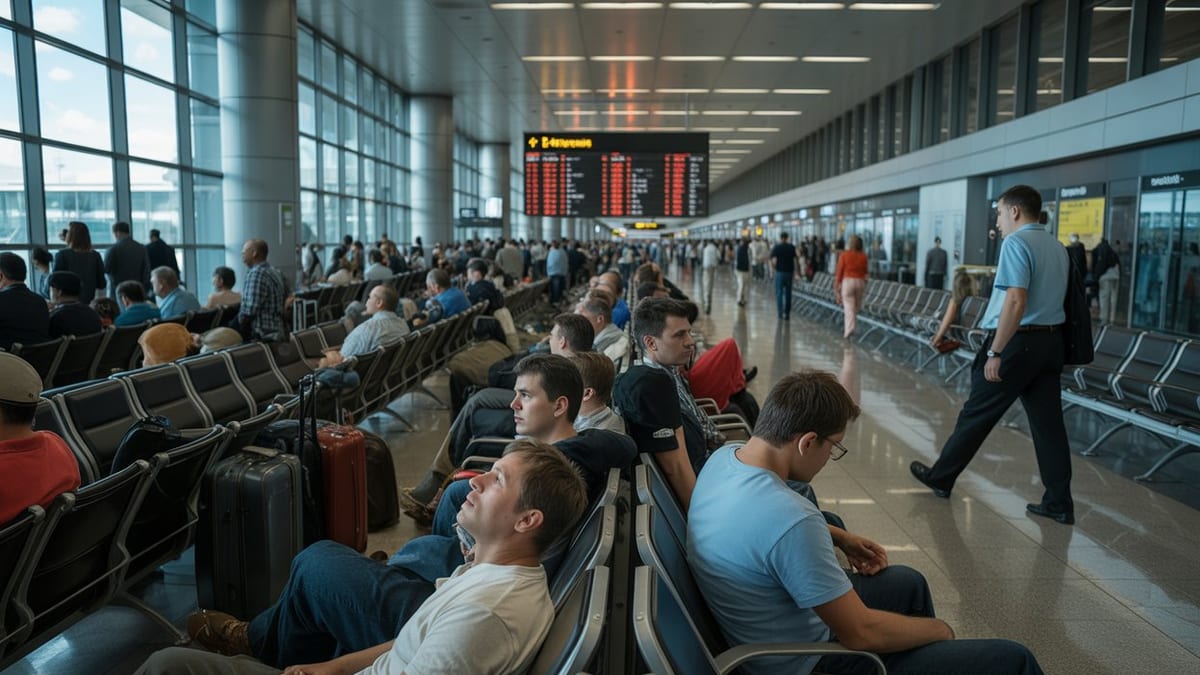
Image by Global Travel Alerts, Advisories, International Travel Alerts
Seven Canceled Services Hit Bahrain and Malaysian Routes
Publicly available flight information from Singapore Changi Airport in recent days shows seven combined cancellations affecting services operated by Gulf Air and Scoot, including links to Bahrain and several Malaysian cities such as Kuala Lumpur, Shah Alam via the Kuala Lumpur area airports, and Penang. The affected flights include both point to point routes and connections that are typically used by long haul travelers heading between the Middle East, Southeast Asia, and beyond.
Gulf Air, which normally uses Changi as an important Asia gateway for its Bahrain hub, has already been under pressure from widespread schedule cuts as Bahraini airspace remains restricted and regional routings are reconfigured. Industry reports indicate that some Gulf Air departures to and from Singapore have been withdrawn entirely from booking systems, while others appear intermittently as operational conditions evolve.
On the Singapore side, Scoot has pulled several services within its short haul network serving Malaysia, including flights that form part of larger itineraries under interline or codeshare arrangements. These cancellations affect popular leisure and family travel flows between Singapore and secondary Malaysian cities and reduce options for passengers looking to bypass congested road borders.
At Changi’s departure boards, the consecutive appearance of multiple canceled Gulf Air and Scoot flights has created a visible reminder for travelers that knock on effects from the Middle East airspace crisis are no longer confined to routes directly touching the conflict zone.
Middle East Airspace Closures Ripple Into Asia
The latest disruptions at Changi come against the backdrop of a prolonged closure or restriction of key Middle Eastern airspace, which has forced airlines to rework flight paths, add fuel stops, or suspend routes altogether. Analysis from aviation and travel industry outlets highlights that Gulf Air, along with several other regional carriers, has been particularly exposed because much of its network relies on overflying or operating within the affected region.
For carriers like Scoot that do not operate into the conflict area, the impact is indirect but still significant. As full service and low cost airlines juggle aircraft rotations, crew duty limits, and changing demand patterns, secondary routes in Asia can become prime candidates for short notice cancellations or downgauging. The series of seven scrapped services involving Gulf Air and Scoot at Singapore appears consistent with this pattern of opportunistic capacity trimming and operational risk management.
Travel analysis published in recent days notes that Singapore Changi has remained a key alternative hub for flows between North America, Europe, South Asia, and Australia, particularly as some traditional Gulf transfers have been curtailed. This shift places additional pressure on Changi based airlines to optimize their schedules, and can limit the flexibility to run marginal routes when aircraft and crews are needed on higher yielding long haul sectors.
With no clear timeline for a full reopening of the most affected airspace corridors, industry observers expect more rolling adjustments to timetables in the weeks ahead, making short haul links around the region especially vulnerable to further last minute changes.
What Stranded and Rebooked Passengers Are Facing
The immediate effect of the cancellations at Singapore Changi has been a surge in disrupted itineraries for passengers who relied on Gulf Air for connections through Bahrain or on Scoot for feeder flights into Malaysia. Many of these travelers are on multi segment tickets that involve onward legs operated by other airlines, meaning that the loss of a single Changi departure can unravel an entire trip.
Travel forums and social media posts over the past week describe passengers queuing at transfer desks for rebooking, sometimes being shifted to alternative routings via other Middle Eastern or Asian hubs, and in some cases being offered hotel stays when no same day options are available. Others report being asked to accept new dates several days away, or alternative airports in Malaysia that require additional ground transport to reach their final destination.
Because the affected services include both full service and low cost operations, traveler experiences have varied widely depending on the type of ticket purchased, the presence of interline agreements, and whether the booking was made directly with an airline or through an online travel agency. Flexible fares and itineraries issued on a single ticket have generally proved easier to reaccommodate, while fragmented bookings have left some passengers juggling multiple customer service channels to reconstruct their journeys.
Travel insurance coverage has also become an important factor. Policies that explicitly cover war related disruptions or extended airspace closures remain relatively rare, and many standard products treat such events as exclusions. As a result, some passengers have found that only the airline’s own disruption policy determines whether they receive refunds, vouchers, or assistance with accommodation and meals.
Impact on Links Between Singapore and Malaysian Cities
The cancellations involving Scoot services have particular implications for connectivity between Singapore and its Malaysian neighbors. Routes linking Changi to Kuala Lumpur, Shah Alam via the Klang Valley airports, and Penang are among the busiest short haul corridors in Southeast Asia, popular with both business travelers and holidaymakers.
Although alternative carriers continue to operate on these city pairs, the removal of even a handful of daily or weekly flights can quickly constrain options at peak travel times. Travelers seeking last minute seats are already reporting higher fares on remaining services, especially on departures that still offer workable same day connections at Changi for long haul flights to Europe, North Asia, or Australia.
For Malaysia, a reduction in low cost capacity out of Singapore also has a knock on effect on tourism flows into coastal and island destinations that rely on Penang and Kuala Lumpur as gateways. Travel trade professionals are watching booking patterns closely for signs that visitors may instead opt for domestic trips within Singapore or alternative regional breaks in Thailand or Indonesia when faced with limited seats and higher prices on Malaysia bound flights.
On the ground, bus and rail operators connecting Singapore with Johor and the wider Malaysian peninsula could see a modest uptick in demand as some passengers decide to travel overland to Kuala Lumpur or Penang and then continue by domestic flights, especially if schedules at Changi remain unpredictable.
What Travelers Should Do Now
For passengers holding tickets on Gulf Air or Scoot that involve travel through Singapore Changi in the coming days, the key advice from travel specialists is to monitor bookings frequently and prepare contingency plans. Airline schedules are being updated repeatedly as the situation in the Middle East evolves, and a flight that appears confirmed one day can be rescheduled or canceled the next.
Travel experts recommend checking reservation status on airline and airport channels before leaving for the airport, and considering earlier departures where possible to protect onward connections. Those with critical time sensitive travel, such as business meetings or family events, may wish to explore routings that avoid the most disrupted hubs entirely, even if that means longer journeys or brief overnight stops en route.
Passengers are also encouraged to review fare rules and disruption policies carefully. Some airlines operating in the region have introduced temporary waivers that allow date or routing changes without penalties for tickets issued before specific cut off dates. Understanding these conditions in advance can help travelers make timely decisions about whether to wait for an official cancellation, accept a rebooking, or request a refund.
While the cluster of seven cancellations at Changi involving Gulf Air and Scoot is only a snapshot of a much larger global disruption, it underlines how quickly distant geopolitical events can reshape everyday travel plans in Southeast Asia. Until there is greater clarity on regional airspace access, passengers using Singapore as a hub, particularly for journeys touching Bahrain and neighboring markets, are likely to face an elevated risk of last minute schedule changes.