

More news on this day
Gulf Air and several United Arab Emirates based airlines have cancelled another wave of flights, further disrupting long haul links to cities such as Auckland, Bahrain and Lahore as the Middle East conflict and unstable Gulf weather continue to reshape global air travel.
Get the latest news straight to your inbox!
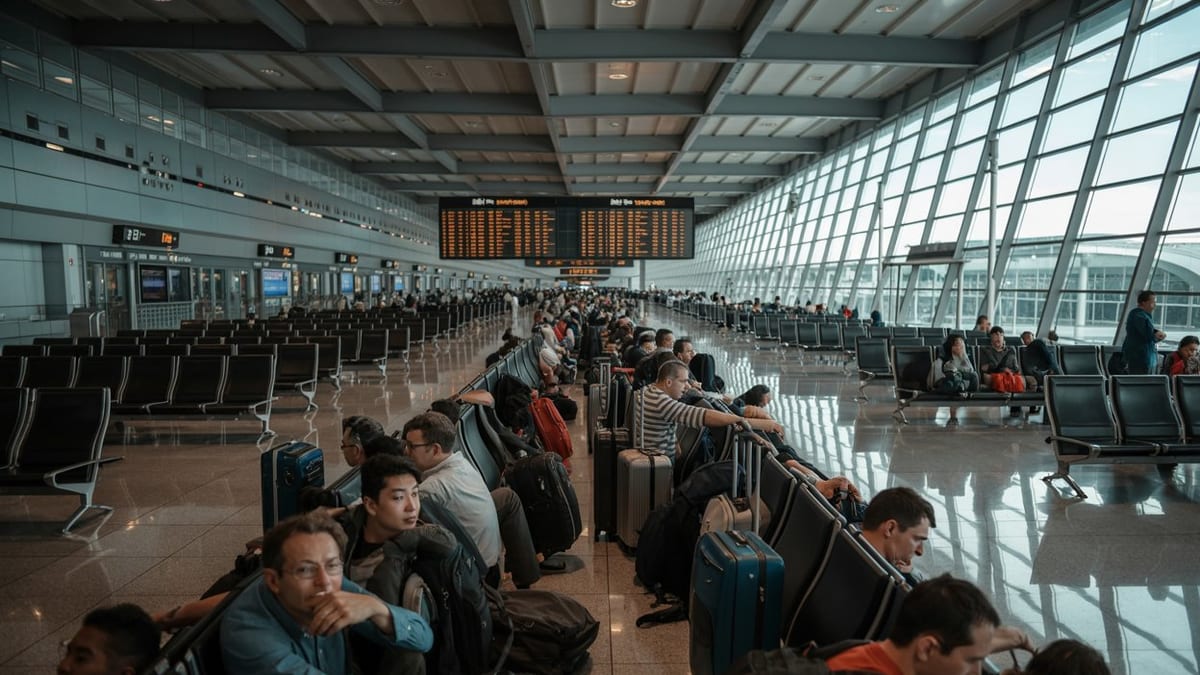
Image by Travel And Tour World
Dozens More Flights Pulled as Crisis Drags On
Publicly available schedules and aviation tracking data show that Gulf carriers have removed at least a dozen additional flights from their timetables in recent days, on top of thousands of earlier cancellations triggered by airspace closures and security concerns since late February. The latest cuts hit some of the most globally connected routes, including services between Dubai and Auckland, and flights from Gulf hubs to Lahore and other South Asian cities.
According to published coverage from aviation and travel outlets, Emirates has been operating a limited, largely repatriation focused schedule from Dubai while many regular commercial services remain suspended or reduced. A condensed list of daily flights circulated to passengers in early March included select departures such as EK448 to Auckland and EK622 to Lahore, underscoring how tightly controlled capacity has become across the network.
At the same time, regional reporting indicates that Gulf Air has faced repeated disruption at its Bahrain hub following missile and drone attacks linked to the wider Iran conflict. Advisory notices seen by travel agents describe special ticketing procedures and refund options for passengers whose flights to and from Bahrain have been cancelled or rerouted, with flexibility extended for travel dates well into March.
Travel industry bulletins suggest the pattern is similar across the Gulf, with carriers in the UAE, Qatar and neighbouring states forced to trim frequencies, consolidate routes and, in some cases, suspend entire city pairs. The result is a rolling schedule of cancellations that can change day by day, leaving passengers uncertain about whether their flights will operate.
Conflict, Closures and Weather Create a Perfect Storm
The latest wave of cancellations is unfolding against a backdrop of overlapping crises in the region. Reports from major international outlets describe how strikes involving Iran, Israel and the United States since late February prompted full or partial airspace closures across Iran, Iraq, Israel and multiple Gulf states, including the UAE, Qatar and Bahrain. Those restrictions initially halted or diverted thousands of flights a day and continue to limit which routes can operate safely.
In parallel, Gulf media highlight how Bahrain, Qatar and the UAE have experienced direct or attempted attacks near key aviation infrastructure, leading to temporary shutdowns and stricter operating procedures at major hubs. Safety driven pauses in operations have had a direct knock on effect for national carriers such as Gulf Air, Emirates, Etihad Airways, Flydubai and Air Arabia, which rely on dense transfer traffic across the region.
Compounding the geopolitical turmoil, parts of the UAE have recently faced bouts of unstable weather that further disrupted already fragile schedules. Local coverage from the Gulf notes that airlines and airports issued a series of advisories in late March urging passengers to monitor flight status closely and expect delays or cancellations as heavy rain and strong winds affected operations.
Aviation analysts quoted in international coverage describe the situation as one of the most severe tests for Middle East carriers in years. Higher fuel costs driven by the conflict, the need for longer reroutes to avoid closed airspace, and periods of low visibility or storm conditions over key hubs have combined to make planning reliable schedules especially challenging.
Impact on Long Haul Links to Auckland, Lahore and Beyond
The disruption has been felt most sharply on long haul and connecting routes that depend on the Gulf as a transit bridge between continents. For travellers between Europe or North America and Australasia, the reduction of services between Dubai and Auckland has removed one of the region’s key one stop options. Posts from affected passengers and schedule summaries shared online point to repeated cancellations or re timings of Auckland bound flights as airlines recalibrate their networks.
South Asian routes have been similarly affected. Flight tracking information and passenger accounts indicate that services between Gulf hubs and Pakistani cities, including Lahore and Islamabad, have faced rolling cancellations, capacity cuts or last minute rescheduling. Some travellers with bookings on flights such as EK622 to Lahore have reported being moved to alternative dates or left waiting for confirmation as airlines adjust daily to airspace availability.
Bahrain, home base for Gulf Air, has seen its own network reduced as the airline adapts to security considerations and regional closures. Advisory documents issued to ticketing partners explain that passengers on cancelled Bahrain flights may be offered refunds, vouchers or rebooking options, though availability on alternative services is often constrained by broader capacity shortages across the Gulf.
These route specific challenges are feeding into wider global repercussions. Travel magazines and aviation analysts note that the traditional east west corridors through the Middle East have been partially replaced by new routings over Egypt and other North African states, as well as longer detours via Central Asia. While these alternatives keep some journeys moving, they add flight time and complexity, and do little to relieve pressure on travellers trying to reach cities like Auckland or Lahore on short notice.
What Stranded Passengers Are Being Offered
In response to the prolonged disruption, Gulf Air and several UAE carriers have introduced temporary policies designed to give passengers more flexibility when flights are cancelled. Advisory notices and customer communications reviewed by travel agencies describe options including full refunds for flights cancelled by the airline, free date changes within specific travel windows, and in some cases travel vouchers for future use.
For Gulf Air customers, documentation circulating in early March outlines revised ticketing procedures for those impacted by Bahrain related cancellations. Passengers booked on affected flights are typically allowed to rebook onto alternative Gulf Air services without change fees, subject to seat availability, or to request refunds if their original trip is no longer possible. In some cases, re routing via partner airlines may be offered, though such options are limited by the broader regional capacity squeeze.
UAE based airlines have communicated similar measures through their websites, apps and public statements. Travel advisories compiled by consumer publications emphasize that many carriers are prioritizing passengers whose flights were cancelled on or after the outbreak of hostilities, offering them first access to repatriation services and limited commercial flights. Travellers are frequently urged to avoid going to the airport unless they have received confirmation that their flight will operate.
Despite these efforts, passengers report long waits for call center assistance, difficulty securing seats on replacement flights, and challenges obtaining timely refunds or vouchers. Travel insurers and tourism boards have also warned that policies may not cover trips to destinations under elevated travel advisories, leaving some travellers exposed to additional financial risk if they attempt to rebook into the region.
Outlook for Recovery Remains Uncertain
Looking ahead, analysts cited in recent aviation and travel coverage caution that a rapid return to normal schedules in the Gulf is unlikely without a sustained easing of regional tensions and a clear reopening of key airspace corridors. While some carriers have begun to add back limited frequencies on select routes, these moves are described as tentative and subject to change with little notice.
The immediate priority for Gulf Air and UAE airlines appears to be maintaining core connections and repatriation services while managing safety and regulatory requirements. Industry observers note that airlines are likely to continue trimming or consolidating long haul flights to destinations such as Auckland and South Asian cities if demand remains volatile or operational risks persist.
For travellers, the practical implications are clear. Public advisories encourage passengers with imminent trips involving Bahrain, the UAE or nearby hubs to check their booking status repeatedly, keep contact details up to date with airlines, and be prepared for last minute adjustments. Those planning new journeys through the Gulf are being steered toward fully flexible fares where possible, with the understanding that cancellations may remain a feature of the market for weeks or months.
As of late March 2026, the combination of conflict related airspace closures, targeted attacks near airports, and episodes of severe weather has left the Gulf’s aviation system operating on a fragile, day by day basis. The latest round of cancellations by Gulf Air and UAE carriers underscores how quickly conditions can shift and how dependent global travel remains on the stability of a few critical hubs.