

More news on this day
Hundreds of passengers were left stranded at Halifax Stanfield International Airport on February 27 as a powerful winter storm triggered at least 20 flight delays and four cancellations, snarling domestic and international traffic to major hubs including Toronto, New York, London, Montreal, and Vancouver.
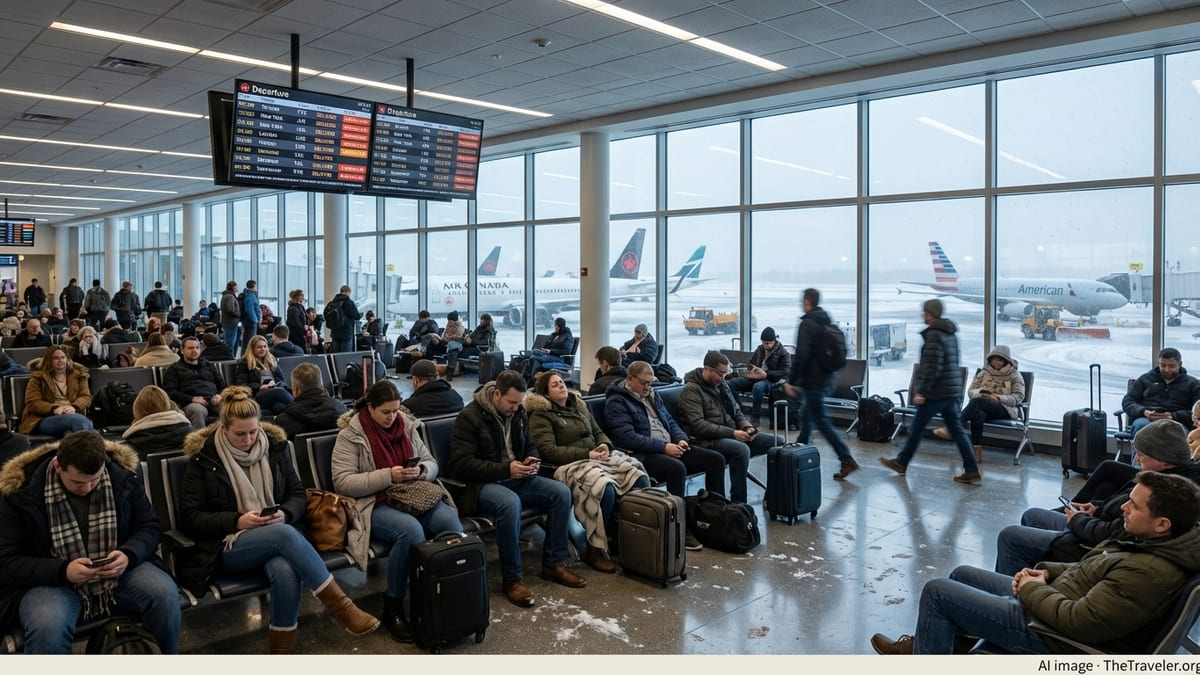
Storm-Battered Halifax Airport Struggles to Keep Flights Moving
The latest blast of winter weather across Atlantic Canada and the northeastern United States has pushed Halifax Stanfield’s operations to the brink. While the airport technically remains open, ground handling, de-icing, and runway clearing have slowed movements to a crawl, with knock-on effects across multiple airlines and route networks.
As of Friday morning, at least 20 flights in and out of Halifax were delayed and four were cancelled, affecting both arrivals and departures on key routes. Air Canada, WestJet, Jazz, American Airlines and other carriers all reported operational challenges as aircraft, crew and equipment were repositioned or held out of service for safety reasons.
The disruption in Halifax comes on the heels of a wider pattern of chaos across Canadian aviation this week. Industry tracking indicated hundreds of delays and dozens of cancellations nationwide, with Toronto, Montreal, Vancouver and Ottawa among the hardest hit, as airlines struggled to maintain schedules amid fast-changing storm conditions.
Airport officials have urged travelers to arrive early, build in extra time for security and de-icing, and to check their flight status directly with airlines before leaving home, warning that schedules remain “highly fluid” as the storm system slowly moves out of the region.
Key Routes to Toronto, New York and London Hit Hard
Among the most affected services at Halifax Stanfield are heavily traveled routes to Toronto Pearson, Montreal, Vancouver and major U.S. gateways such as New York. Several early-morning and mid-day departures were delayed as snow squalls, gusting winds and low visibility forced extended runway clearing and de-icing cycles.
Passengers heading to Toronto and Montreal reported rolling departure times, with some aircraft held at gates and others delayed on the tarmac while crews worked through a significant backlog. Connecting itineraries to Western Canada and transatlantic destinations through these hubs were also disrupted, leaving travelers scrambling to rebook onward flights.
International services linking Halifax with New York and London were not spared. Weather-related constraints across the broader North American and North Atlantic corridor led to tight crew duty windows and aircraft rotations, prompting airlines to consolidate flights or cancel select rotations outright. Some London-bound passengers were rebooked via Montreal or Toronto, while others opted to defer travel altogether.
For many travelers, the combination of hub congestion and regional weather made same-day re-accommodation difficult. Airline agents at Halifax reported limited seat availability on later services, particularly on Friday evening departures ahead of the weekend travel peak.
Air Canada, WestJet, American Airlines and Others Manage Fallout
Flag carrier Air Canada, which operates a dense schedule of domestic and transborder services through Halifax, bore much of the brunt. Several of its flights to Toronto and Montreal were delayed or cancelled as the airline attempted to keep priority trunk routes operating, while still adhering to strict safety and crew-rest requirements amid the winter storm.
WestJet, which has been expanding its presence in Atlantic Canada, also reported delayed departures to central Canadian hubs and Western Canada, with some services facing extended turnaround times due to the combined impact of snow, wind and ramp congestion. Passengers on WestJet flights to Toronto and Vancouver described crowded departure areas and frequent gate announcements as staff worked through rebookings.
U.S. carriers, including American Airlines and United Airlines, saw inbound and outbound services affected by deteriorating conditions along the eastern seaboard. Flights linking Halifax to New York and other northeastern U.S. cities faced particular challenges, as storm bands swept through multiple airports on both sides of the border, disrupting carefully timed cross-border schedules.
Regional partner Jazz and other smaller operators were similarly squeezed. With limited spare aircraft and narrow scheduling windows, even minor delays compounded throughout the day, transforming what might typically be short holdups into multi-hour waits for some passengers.
Passengers Face Long Lines, Cots and Uncertain Plans
Inside the terminal, scenes on Friday were familiar to anyone who has traveled during a major winter disruption. Long check-in queues, crowded seating areas and lines at food outlets underscored the strain on travelers who had already spent hours waiting for revised departure times or confirmation of cancellations.
Some passengers reported overnight stays at the airport or nearby hotels after missing connecting flights to London and Western Canada. Others were offered meal vouchers and, where possible, hotel accommodation, although availability was tight in the Halifax airport area as airlines moved quickly to secure rooms for stranded travelers.
Families with small children and elderly passengers were particularly affected by the uncertainty. With storm conditions shifting throughout the day, several travelers said they received multiple schedule changes via airline apps and email before ultimately learning their flights had been cancelled or significantly delayed.
Despite the disruption, many passengers voiced understanding of the safety-first approach taken by airlines and the airport. Several cited the visible work of snowplows, de-icing trucks and ground staff as a reminder of the complexity of keeping aircraft moving safely in such challenging conditions.
Outlook: Gradual Recovery but Continued Knock-On Delays
Forecasters expect storm conditions across Nova Scotia and parts of the northeastern United States to slowly ease into the weekend, offering hope for a gradual recovery in flight operations. However, aviation analysts warn that the ripple effects of Friday’s disruption at Halifax Stanfield and other major Canadian airports could linger for at least another day.
Aircraft and crew displaced by cancellations and lengthy delays will need to be repositioned, and airlines will be forced to prioritize the most time-sensitive routes and heavily booked flights. That could mean continued schedule adjustments, including consolidations and time changes, even as weather improves and runways are cleared.
Travel experts advise passengers departing Halifax over the next 24 to 48 hours to monitor their bookings closely, allow generous connection times, and consider traveling with carry-on luggage only, where possible, to reduce the risk of baggage misconnection. Those with flexible plans are being encouraged to move non-essential trips to later dates once operations stabilize.
For now, Halifax Stanfield remains emblematic of a broader winter aviation challenge facing Canada and the northeastern United States. As airlines, airports and passengers navigate yet another bout of severe weather, the day’s scenes of crowded gates, blinking departure boards and weary travelers underscore how quickly a single storm can bring a modern air network to a standstill.