

More news on this day
Hanoi is moving ahead with a seventy six million dollar theatre development, a flagship cultural investment intended to reinforce the Vietnamese capital’s status as a premier tourism and creative city by 2030.
Get the latest news straight to your inbox!
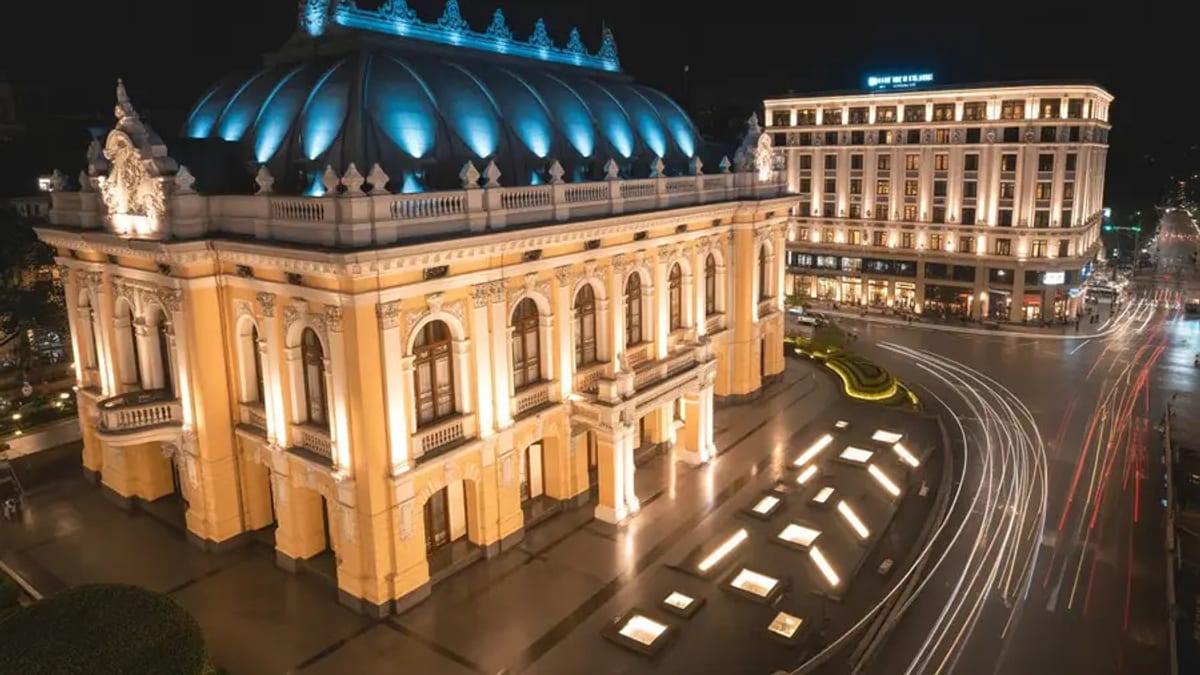
Image by Latest International / Global Travel News, Breaking World Travel News
Strategic Cultural Investment in the Capital
Publicly available planning documents and local media coverage indicate that the new Hanoi theatre is conceived as a major cultural landmark within the city’s long term development strategy to 2030. The project’s budget, reported at approximately seventy six million dollars, places it among the most significant cultural infrastructure investments currently under way in the capital. It is being framed as a key component of efforts to strengthen Hanoi’s profile as both a domestic and international tourism gateway.
The theatre aligns with broader national and municipal objectives that emphasize culture and the creative economy as pillars of sustainable growth. Hanoi has been positioning itself as a “creative city” in recent years, with initiatives that include new museums, heritage conservation, and contemporary arts programming designed to appeal to both residents and visitors. The new venue is expected to complement existing icons such as the historic Hanoi Opera House, while offering larger capacity and more flexible performance spaces suited to modern productions.
Planning information suggests that the theatre will be equipped to host a wide range of events, from orchestral concerts and traditional Vietnamese performing arts to contemporary dance, musical theatre, and large scale festivals. This multi use orientation is considered essential for attracting diverse audiences, maximizing occupancy, and ensuring that the building serves as a lively civic hub rather than a single purpose venue.
The project is also described in local coverage as part of a wider push to improve the quality of public space and the cultural experience in fast changing districts of Hanoi. Alongside upgraded transport, public realm landscaping, and tourism facilities, the theatre is expected to anchor new patterns of evening and weekend activity that could extend visitor stays and spending in the city.
Design Vision and Project Scope
Initial information on the theatre’s design points to an ambitious architectural brief that aims to create a contemporary landmark while referencing Hanoi’s heritage and landscape. Reports describe a complex that is likely to include a main auditorium, smaller performance and rehearsal spaces, exhibition areas, and public foyers that can function as gathering places even outside show times. The aim is to integrate the venue into its surroundings in a way that encourages casual visits as well as ticketed attendance.
In line with recent cultural projects in Vietnam, the theatre is expected to prioritize modern staging technology, sound and lighting systems, and modular seating arrangements. This would allow the space to host both elaborate touring productions and locally developed shows without extensive retrofitting. The inclusion of multifunction rooms, studios, and educational spaces has also been highlighted in planning narratives as a way to support training, workshops, and community arts initiatives.
Urban planning material indicates that the complex will be designed with careful attention to accessibility and public transport connections, reflecting the city’s parallel investments in metro lines and improved road infrastructure. Attention to pedestrian access, landscaping, and integrated public squares is viewed as crucial to ensuring that the venue contributes to a welcoming, walkable urban environment rather than functioning as an isolated megaproject.
Environmental considerations are also referenced in the project vision, with discussions of energy efficient building systems and climate responsive design. Given Hanoi’s rapid urbanization and growing concerns about flooding, heat, and air quality, there is increasing public interest in how major new civic buildings respond to environmental challenges while remaining comfortable, safe, and visually appealing for visitors.
Enhancing Hanoi’s Tourism Appeal by 2030
The seventy six million dollar theatre is widely interpreted as a lever to attract higher value tourism by focusing on culture, creativity, and distinctive local experiences. Tourism development strategies prepared for Hanoi to 2030 place strong emphasis on diversifying offerings beyond heritage sightseeing and street food, encouraging visitors to engage with performing arts, festivals, and night time cultural activities.
Travel and cultural sector analyses point out that contemporary visitors are increasingly drawn to destinations that combine historical character with a vibrant present day arts scene. By offering a major new venue for both traditional Vietnamese forms, such as opera and folk theatre, and international contemporary productions, Hanoi aims to present itself as a year round city break option with a calendar of performances and events.
Local reporting notes that the theatre is being considered alongside other initiatives such as creative districts, cultural heritage tours, and thematic tourism products. When taken together, these investments are expected to encourage longer stays, higher average spending, and repeat visits, particularly from regional markets in East and Southeast Asia. The new venue could also strengthen Hanoi’s appeal as a host city for international festivals, cultural exchanges, and business events that combine conferences with curated cultural programs.
Market observers suggest that the project may help shift perceptions of Hanoi from a stopover city on the way to destinations such as Ha Long Bay or the central coast, toward a standalone cultural metropolis. The challenge, they note, will be ensuring that programming, marketing, and ticketing strategies keep the theatre active throughout the year and accessible to both local audiences and international guests.
Supporting the Creative Economy and Local Artists
Beyond tourism, the new theatre is being framed as an important platform for Hanoi’s growing community of artists, performers, and creative workers. Policy documents on cultural industries in Vietnam emphasize the need for high quality venues where local talent can develop, present work, and collaborate with regional and global partners. The scale and technical capacity of the planned theatre are expected to open new possibilities for productions that would previously have struggled to find suitable stages in the city.
Observers of Hanoi’s cultural scene highlight the potential for the venue to support training, residency programs, and co productions that bring together traditional and contemporary art forms. With appropriate management, rehearsal spaces and smaller performance rooms could serve emerging artists, independent troupes, and youth programs, allowing the theatre to function as more than a showcase for established institutions.
Cultural policy analysis has noted that large scale cultural projects in Vietnam are most effective when they are integrated into broader networks of community spaces, smaller theatres, and grassroots initiatives. In this context, the seventy six million dollar investment is seen as an opportunity to build stronger links between municipal cultural planning and the independent arts ecosystem, provided that management structures and programming frameworks encourage collaboration rather than competition.
There is also discussion in local commentary about how ticket pricing, scheduling, and outreach campaigns will determine who benefits most from the new venue. Analysts argue that balancing high profile, revenue generating performances with subsidized or community oriented events will be central to ensuring that the theatre contributes to inclusive cultural development rather than serving only a narrow segment of the population.
Implementation Timeline and Next Steps
According to publicly reported project information, the theatre is tied to Hanoi’s 2030 horizon for becoming a leading center of culture and tourism in the region. While specific construction milestones are subject to detailed planning and procurement processes, the financial allocation signals the city’s commitment to keeping the project on the agenda through the current decade.
Observers note that recent large infrastructure and cultural projects in Vietnam have faced pressures related to cost escalation, site complexity, and contractor capacity. These experiences are prompting closer scrutiny of how new developments are managed from design through delivery. The theatre’s budget and prominence are therefore drawing attention to the need for transparent processes, clear timelines, and regular public communication about progress and potential adjustments.
Urban development analysts point out that the theatre’s impact will depend not only on the building itself but also on the supporting environment that grows up around it. Decisions about adjacent commercial uses, public transport links, open spaces, and complementary cultural facilities will shape how the complex functions in everyday life and in the perception of visitors.
As Hanoi moves toward its 2030 objectives, the seventy six million dollar theatre project is emerging as a symbolic test of the capital’s ability to align cultural ambition with practical urban planning. If effectively implemented and programmed, it has the potential to become a defining landmark of the city’s next development phase and a focal point for both residents and travelers seeking a deeper cultural experience of Vietnam.