

More news on this day
Havana’s deepening fuel crisis is rippling across Cuba’s skies and hospital wards, as international airlines scale back flights and medical centers restrict services amid rolling blackouts and shrinking fuel supplies.
Airlines Trim Cuba Schedules as Jet Fuel Runs Dry
Cuba’s aviation system has been thrust into turmoil after authorities acknowledged in early February that the country would effectively run out of jet fuel at its international airports for at least a month. Notices to airmen warned that commercial refueling would be unavailable from February 10 through mid March, forcing carriers either to suspend service altogether or introduce costly technical stops in neighboring countries.
Canadian airlines, long the backbone of leisure travel to Cuba, have reacted sharply. Air Canada, WestJet and Transat have suspended or significantly reduced flights to key resort destinations such as Varadero, Cayo Coco and Holguín during what should be the peak winter season, citing the inability to guarantee reliable fuel or stable operations. Travel analysts estimate that more than 1,700 flights could be canceled or reconfigured by April if the shortage persists, disrupting holidays for thousands of visitors.
European carriers are also recalibrating. Some airlines from France, Spain and other markets have maintained Cuba routes but added refueling stops in countries like Mexico or the Dominican Republic, lengthening journey times and raising operating costs. Others are quietly reviewing their summer programs, wary of committing capacity while Cuba’s energy outlook remains uncertain and blackouts continue across the island.
For travelers, the effect is immediate: fewer nonstops into Havana and resort hubs, more last minute schedule changes and a growing risk that future trips may be rerouted or refunded rather than operated as planned.
Hospitals Scale Back Care Amid Power Cuts and Fuel Shortages
The same fuel crunch that is grounding aircraft is also squeezing Cuba’s public health system, long held up as a point of national pride. With less diesel available for generators and severe strain on the aging electric grid, hospitals have been instructed to prioritize only the most urgent procedures and to conserve power wherever possible.
Reports from provincial centers describe suspended diagnostic tests and postponed non emergency surgeries when outages coincide with limited generator capacity. In some facilities, staff say they struggle to keep essential equipment powered for intensive care units and maternity wards while cutting air conditioning and non critical lighting to preserve fuel. Social media posts from eastern provinces have highlighted cases where patients were told key tests could not be performed because there was simply no electricity.
In Havana, medical workers describe a daily balancing act between continuing care and coping with unpredictably timed blackouts that can last hours. Refrigeration for medicines and blood products, sterilization of surgical instruments and even basic water pumping systems all depend on an energy supply that is increasingly unreliable. International organizations and a handful of foreign governments have pledged food and humanitarian aid, but fuel deliveries have lagged, leaving hospitals to operate in crisis mode.
The strain comes on top of shortages of medicines and supplies that predated the current emergency. For many Cubans, the combination of long lines for basic drugs, transport disruptions and limited hospital services is turning routine health issues into potential emergencies.
Tourism Reels as Hotels Close and Visitors Stay Away
Tourism, which accounts for a significant share of Cuba’s foreign currency earnings, is being battered on multiple fronts by the energy crisis. With electricity rationed and fuel scarce for everything from airport ground handling to hotel generators, authorities and operators have quietly closed dozens of low occupancy properties in key destinations including Cayo Santa María, Cayo Coco, Varadero and Holguín.
Guests with existing bookings are being moved to a smaller number of open hotels that can be kept supplied with diesel and staffed efficiently. Canadian tour operators have circulated lists of temporarily closed resorts and offered travelers options to change dates, accept rerouting to other properties or receive travel credits. Some European hotel groups have shuttered all of their Cuban properties, citing unsustainable operating conditions and weak demand.
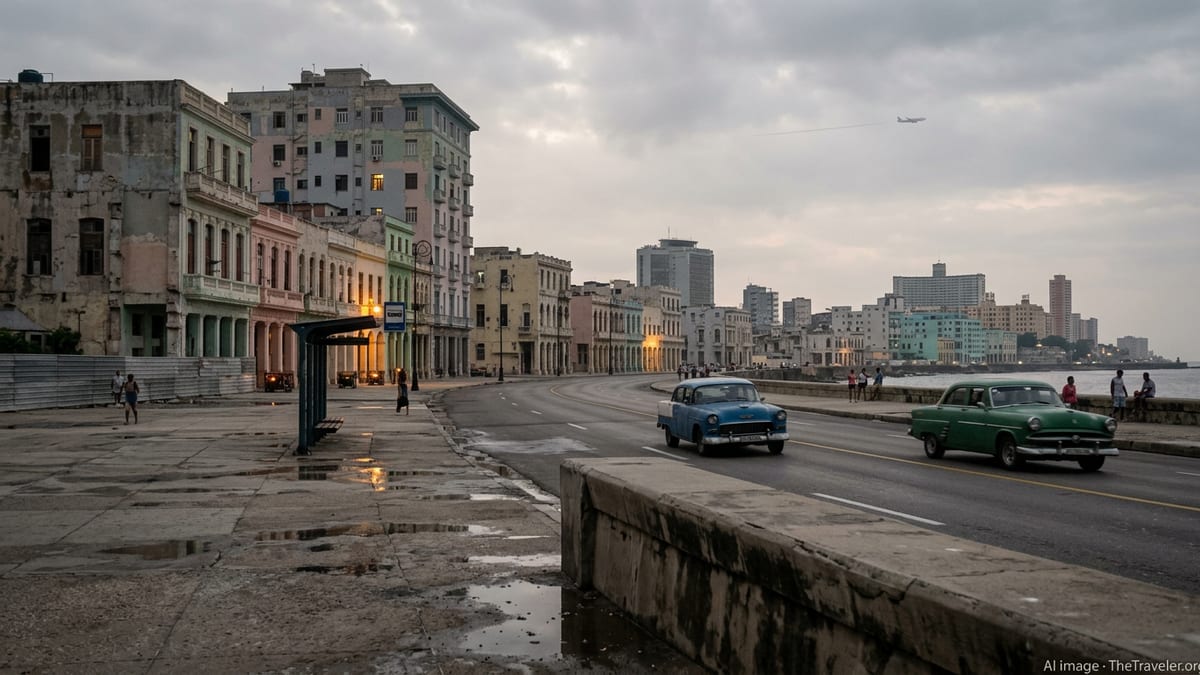
On the streets of Havana, the downturn is visible in half empty casas particulares, quiet paladares and classic cars sitting idle for lack of gasoline. Independent guides, taxi drivers and small restaurant owners report weeks with barely any clients, as higher airfares, persistent blackout reports and the perception of instability deter would be visitors. In the informal market, fuel prices have soared, making even short excursions for tourists prohibitively expensive.
Travel analysts warn that the loss of peak season revenue could deepen Cuba’s broader economic crisis, reducing the hard currency needed to import food, medicine and spare parts. With international arrivals already far below pre pandemic levels, the latest disruption risks pushing the sector to a point where recovery could take years even if energy supplies improve.
Havana Daily Life Disrupted by Transport and Power Failures
Within Havana itself, the energy shock is transforming everyday life. The city’s public bus network has been largely paralyzed at several points this year, with the main operator announcing that a fuel deficit would halt urban routes until further notice. Reduced interprovincial services have made it harder for people to travel for work or medical appointments, compounding the impact of hospital cutbacks.
Extended blackouts, sometimes lasting more than half the day in certain neighborhoods, are forcing residents to rearrange routines around unpredictable power schedules. Families rush to cook and pump water when electricity returns, then endure long hours without refrigeration or cooling. For small businesses, from barbershops to corner cafés, frequent outages mean lost income and spoiled stock.
Travelers arriving in Havana encounter an infrastructure struggling to cope: dimly lit streets, intermittent water service in some guesthouses and patchy mobile connectivity when telecom equipment goes offline during power cuts. While the historic center and major tourist corridors often receive priority for maintenance and generator use, disruptions still seep into areas where visitors stay, altering the experience of the city.
Despite the hardship, residents improvise. Private drivers organize informal ride sharing, neighbors share generator access, and community groups coordinate distribution of donated food and essentials. Yet many Cubans worry that the combination of fuel scarcity, inflation and falling tourism could push more people to emigrate, further hollowing out the workforce that keeps the capital running.
International Pressure, Limited Relief and Uncertain Outlook
Cuba’s energy emergency is unfolding against a backdrop of heightened geopolitical tension. A series of tightened U.S. sanctions and trade restrictions has discouraged traditional suppliers like Venezuela and Mexico from shipping crude and refined products, while shipping companies weigh legal and financial risks of serving the island. Officials in Havana blame what they describe as a de facto oil blockade for the severity of the current shortages.
Some governments have tried to carve out humanitarian channels. Canada recently announced millions of dollars in food assistance to be distributed through United Nations agencies, and Mexico has dispatched navy vessels carrying tons of food and basic goods. These efforts, however, do not directly resolve the jet fuel and diesel deficit that is crippling transportation, electricity generation and hospital backup systems.
A partial opening emerged when Washington signaled that some entities could be licensed to sell oil to Cuba under strict conditions, but industry observers caution that financing, insurance and shipping challenges will likely slow any tangible relief. Meanwhile, Cuba’s own production covers less than half of its daily fuel needs, leaving the country acutely vulnerable to external shocks.
For now, airlines, hospitals and hotels in Havana and beyond are operating week to week, adapting schedules and services as energy supplies fluctuate. Travelers considering trips to Cuba in the coming months face a landscape defined by uncertainty, where flight availability, hotel operations and even access to medical care can change on short notice as the energy crisis grinds on.