

More news on this day
As Hawaii begins to dry out after a series of powerful March storms, visitors are finding the islands largely open for travel, yet still grappling with damaged roads, lingering flood impacts, and evolving safety advisories.
Get the latest news straight to your inbox!
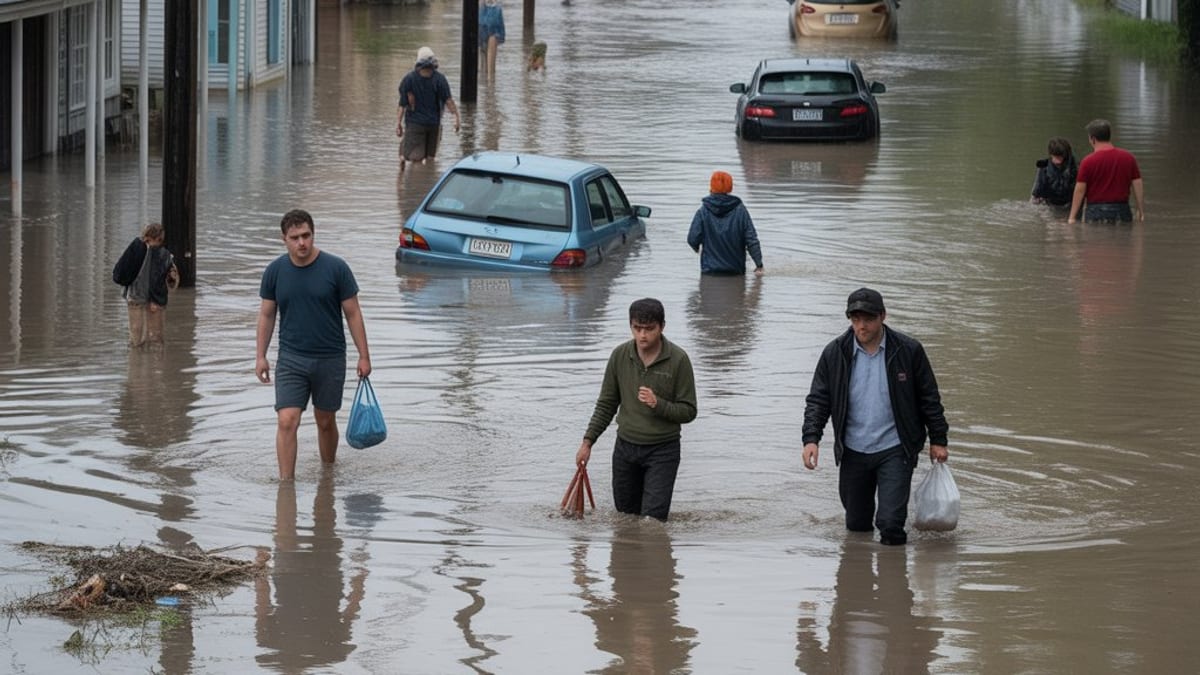
Image by Global Travel Alerts, Advisories, International Travel Alerts
Storms Ease, Emergency Declarations Continue
In recent weeks, a strong Kona low system and successive heavy rain events brought some of the most significant flooding Hawaii has seen in decades, affecting every major island. Publicly available information from federal and state agencies indicates that floodwaters have generally receded, and the most intense rainfall has passed, but recovery operations and emergency declarations remain in effect.
State proclamations relating to the March 2026 Kona low event describe extensive damage to transportation, power infrastructure, and public facilities. These emergency measures are intended to speed debris removal, infrastructure repairs, and other response actions, underscoring that the event is now shifting from acute crisis to longer-term recovery.
Reports from national weather and emergency briefings show that statewide shelters, power restoration work, and road assessments are ongoing. While most visitors can continue with planned trips, the level of disruption can vary block by block, especially in low-lying and windward areas that bore the brunt of the storms.
Travelers arriving in the coming days are being advised by local agencies and tourism-facing updates to monitor conditions closely, as additional showers on saturated ground can still trigger isolated flooding, rockfalls, or minor landslides.
Roads Reopening, But Key Routes Remain Fragile
Highway and local road conditions have improved compared with the peak of the storms, when flash flooding, debris, and washouts forced closures across Oahu, Maui, Kauai, and Hawaii Island. According to recent situation reports, some state highways on Oahu and Maui have reopened after temporary shutdowns, while crews continue to clear remaining debris and assess slope stability.
On Maui, visitor-focused forums and local updates describe ongoing concerns on narrow coastal routes and scenic drives that are popular with tourists. Sections of lesser-traveled roads where shoulders eroded or pavement washed out are still undergoing repairs, and travelers are encouraged to avoid back-road detours that may look passable but remain unsafe.
In Oahu’s North Shore and windward communities, earlier evacuations and road closures have given way to clean-up efforts and partial reopening. However, localized reports highlight that some residential streets and low-lying connectors may still be restricted to allow utility work, mud removal, and inspection of bridges and culverts.
Across the state, transportation agencies are emphasizing that conditions can change quickly. A road that is open in the morning may be limited to single-lane traffic or temporarily closed later in the day if rain cells pass through. Visitors planning day trips are urged to check the latest advisories before setting out and to build extra time into their schedules.
Brown Water, Beach Safety, and Outdoor Activities
Even as skies clear, one of the most visible signs of the recent flooding is the widespread “brown water” along certain coastlines, where storm runoff has carried sediment, debris, and potential contaminants into nearshore waters. State health and environmental agencies routinely issue brown water advisories after major rain events, and current public information indicates that several advisories remain in place around the islands.
These conditions can affect popular beach destinations and ocean activities such as swimming, snorkeling, and surfing. Runoff can reduce visibility, conceal debris, and elevate the risk of bacteria and other pollutants, particularly near river mouths, streams, and harbors. Travelers are encouraged to heed posted warnings, avoid murky water, and choose alternate beaches that are not under advisories.
Higher surf and strong currents are also a concern in some areas following the storms. Lifeguard agencies and county updates continue to highlight the importance of swimming at guarded beaches, staying within designated zones, and being prepared to change plans if a favorite cove or trail is temporarily closed.
Inland, trail systems and waterfall hikes have been affected by landslides, fallen trees, and damaged footbridges. Access to certain popular hiking areas may be limited until safety inspections and repairs are completed, so visitors should verify current status rather than relying on older guidebooks or social media posts.
Visitor Experience: Open for Tourism, With Extra Patience Required
Despite the severity of the flooding in some districts, Hawaii remains open for tourism, and flights, major resorts, and many attractions are operating. However, the visitor experience in late March 2026 may differ from postcard expectations, with pockets of ongoing disruption alongside normal holiday activity.
Firsthand accounts and traveler discussions online describe mixed experiences: some visitors have encountered closed beaches, shortened business hours, or detours around damaged streets, while others report largely unaffected stays in less-impacted areas. This variation reflects how hyper-local the flooding impacts have been.
Local businesses in hard-hit neighborhoods are working to clean up, restore inventory, and reopen safely. Some restaurants, shops, and tour operators are operating on modified hours or reduced capacity while they repair water damage or wait for utilities to be fully restored. Supporting open local businesses where it is safe to do so can aid the broader recovery.
For visitors, flexibility is emerging as the essential travel tool. Tourism-facing advisories encourage travelers to maintain backup plans, be ready to swap outdoor excursions for indoor cultural visits when the weather turns, and recognize that residents in affected areas may still be dealing with significant personal losses.
Practical Guidance for Upcoming Travelers
For those with imminent trips to Hawaii, publicly available guidance from state and county agencies stresses preparation and situational awareness rather than cancellation. Travelers are encouraged to monitor official weather forecasts, county alerts, and airline or accommodation notifications in the days before departure.
Flexible itineraries are recommended, with an emphasis on avoiding risky drives during heavy rain, steering clear of posted closure zones, and treating brown-water advisories and other warnings as firm boundaries. Visitors planning scenic drives on narrow coastal roads or to remote communities should treat these outings as weather-dependent and be ready to postpone if conditions deteriorate.
Travel insurance that covers weather-related disruptions, along with clear communication with hotels and vacation rental hosts, can help manage last-minute changes. Recent experiences shared in traveler communities indicate that policies and flexibility can vary widely, so understanding cancellation terms and emergency procedures in advance is important.
Above all, public messaging across agencies and local organizations is emphasizing safety, respect for closure areas, and empathy for communities still cleaning up. With storms easing and infrastructure repairs progressing, Hawaii is moving toward recovery, but the recent flooding remains a fresh event that visitors should account for in their plans.