

Choosing between Hawaii and Fiji is the kind of happy dilemma travelers dream about. Both promise turquoise water, swaying palms and relaxed island time, yet each delivers a very different experience once you arrive. From accessibility and costs to culture, activities and family friendliness, understanding how these two destinations diverge will help you match the right paradise to your travel style and budget.
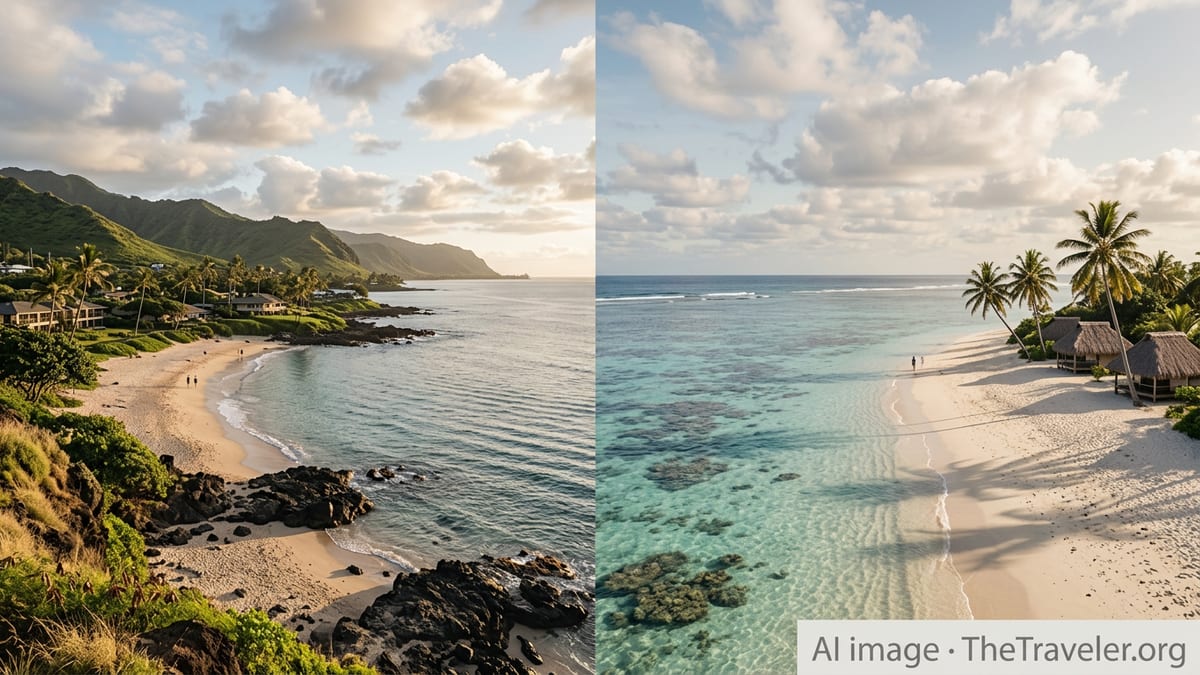
Overall Vibe: Polynesian Playground vs Remote South Pacific Escape
Hawaii and Fiji share volcanic landscapes, lush mountains and warm ocean water, but the feel on the ground is distinct. Hawaii, as a US state, blends Pacific Island heritage with American convenience, familiar retail brands and developed infrastructure. The experience feels polished and energetic, with busy resort areas, strong nightlife in certain hubs and plenty of English spoken everywhere. It is easy for US travelers in particular to slide into a familiar rhythm of rental cars, card payments and recognizable food chains between more local moments.
Fiji, an independent island nation in the South Pacific, offers a quieter and more remote escape. Outside the main urban centers, life moves at what locals call “Fiji time,” with a slower pace, softer nightlife and an emphasis on personal connections. While English is widely spoken, the cultural environment feels more distinctly Melanesian and less Americanized, especially in traditional villages and on smaller islands where resort complexes are surrounded by local communities rather than shopping districts.
For visitors who enjoy energy, choice and a sense of being in the middle of the action, Hawaii often feels like the better fit. Travelers who prefer an unplugged, low-key retreat, where days are structured around the tides and the village schedule rather than city traffic patterns, will often lean toward Fiji. Neither approach is inherently better, but they shape almost every other aspect of the trip, from daily routines to how you interact with local culture.
Another major difference is scale. Hawaii welcomes several million visitors in a typical year across its main islands, so you will find crowded beaches and busy highways in peak seasons. Fiji attracts a fraction of that number, spread across hundreds of islands, which can make it easier to find secluded stretches of sand and a sense of being far from the beaten path, especially if you base yourself outside the main corridors near Nadi.
Getting There and Getting Around
For US-based travelers, Hawaii is generally the simpler and more straightforward journey. There are frequent direct flights from major mainland hubs to Honolulu and, increasingly, to islands such as Maui, Kauai and Hawaii Island. Flight times from the US West Coast often fall in the five to six hour range, with no passport or international customs for US citizens. Once you arrive, domestic-style connections between islands are relatively fast, and rental cars, ride shares and organized tours are widely available.
Reaching Fiji usually requires a longer haul. Flights from the US commonly route through Los Angeles, San Francisco or Honolulu, with Nadi serving as the main international gateway. Travel times from North America are notably longer than to Hawaii, and all visitors need a valid passport, with rules about remaining validity that travelers must check before departure. Once in Fiji, domestic flights or ferries connect the outer islands, and transfers are often bundled into resort packages, especially for private island stays.
On the ground, Hawaii feels familiar to anyone used to traveling within the United States. Roads are generally well maintained, signage is in English and self-driving road trips are common, particularly on islands like Maui and Kauai. Public buses run in some areas, but most visitors rely on rental cars to explore beaches, trailheads and small towns at their own pace. The downside is that congestion, parking challenges and high fuel prices can erode some of the carefree island mood, especially around urban Oahu.
In Fiji, transport tends to be more centralized through resorts and tour operators. Many visitors stay on a single island, moving between the airport, their resort and a curated lineup of day trips via scheduled transfers and boats. This arrangement can feel pleasantly frictionless, but it also means less independence for travelers who enjoy spontaneous detours or roadside food stops. In return, you are spared city traffic and can often step directly from a small boat onto a quiet beach in front of your bungalow.
Costs, Value and Seasonal Price Swings
When it comes to overall costs, Hawaii often ranks among the more expensive tropical destinations for accommodation, food and car rentals. High demand, limited land and strict regulations keep average nightly rates elevated, and resort fees can further inflate bills. Dining out at popular restaurants, particularly in resort corridors, can be similar in price to major US cities, and parking charges at hotels or attractions may surprise first-time visitors.
Fiji, while not a budget destination in absolute terms, generally provides stronger value for money once you account for on-the-ground spending. Many mid-range and upscale resorts offer all-inclusive or half-board options that bundle meals and some activities, which can help control costs. Local markets and casual eateries in towns away from major resorts often price meals and basic groceries at more accessible levels than you would find in Hawaii’s tourist hubs.
Seasonality affects both destinations, but in different ways. Hawaii has a relatively mild year-round climate, with high demand during school holidays, winter escape season and peak summer. Shoulder months can bring slightly better deals, especially on accommodations, but true “low season” pricing is rare in the most popular areas. Airfare sales do occur, yet the combination of distance and strong demand means flights usually account for a sizable share of the budget.
Fiji’s pricing tends to fluctuate more visibly between peak and off-peak seasons. School holidays in Australia and New Zealand, as well as dry-season months, can push resort rates upward, but there are often attractive packages in the shoulder periods. Because Fiji attracts a mix of honeymooners, families and regional travelers, promotions targeting specific markets can significantly improve value, particularly for longer stays or multi-island itineraries.
Beaches, Water and Outdoor Adventures
Beaches sit at the heart of both destinations, but they present different personalities. In Hawaii, you will find classic crescent-shaped strands backed by high-rise hotels, rugged shorelines set beneath dramatic lava cliffs and sheltered coves ideal for beginner snorkelers. Sand colors range from white to golden to black, and in some places even green, reflecting the volcanic geology that created the islands. Surf culture is deeply embedded, with breaks to suit absolute beginners through to experts chasing powerful winter swells.
Fiji is more about soft, pale sand beaches, shallow lagoons and coral reefs located close to shore. Many resorts, especially in the Mamanuca and Yasawa island groups, front directly onto calm turquoise water with excellent visibility, which suits swimming, snorkeling and stand-up paddleboarding. While surfing does exist in Fiji, including some world-class reef breaks, it is less central to the mainstream tourism image than in Hawaii, and more often the domain of dedicated surf trips.
Underwater, Fiji has cultivated a reputation as one of the more vibrant coral destinations in the South Pacific, with colorful reef systems and abundant marine life accessible on both snorkeling and diving excursions. Hawaii also offers rewarding snorkeling and diving, including encounters with sea turtles and seasonal humpback whale watching, but in many areas coral health has been stressed by warming events and heavy use. That said, protected marine reserves and less-trafficked bays in Hawaii can still deliver memorable experiences for visitors willing to seek them out or join guided trips.
On land, Hawaii’s terrain may provide more variety for hikers and independent explorers. Trails range from coastal paths to rain forest climbs, crater rim walks around dormant volcanoes and ridge routes with sweeping ocean views. National parks and state-managed reserves provide clear infrastructure, marked routes and visitor centers, which allows travelers to piece together their own adventure days. Fiji’s hiking opportunities, while less publicized, include jungle treks, waterfall walks and village-based excursions, often undertaken with a local guide as part of an organized outing.
Culture, Food and Sense of Place
Culture is a major differentiator between Hawaii and Fiji. In Hawaii, Native Hawaiian traditions shape everything from language and storytelling to music and hula, but they exist alongside layers of influence from Asia, North America and Europe. Visitors encounter this blend in Honolulu’s urban food scene, plantation-era architecture, Buddhist temples and roadside poke stands. Cultural experiences such as hula performances, lei-making workshops and visits to historic sites can provide meaningful windows into the islands’ complex history if approached with respect.
Fiji’s cultural fabric mixes Indigenous iTaukei traditions with Indo-Fijian influences, the legacy of historical labor migration from the Indian subcontinent. This combination expresses itself in religious diversity, festivals, music styles and daily food. Travelers may find themselves sharing a traditional kava ceremony in a village one day and enjoying a curry with roti in town the next. Interactions in Fiji often feel more intimate, particularly on smaller islands where resort staff and guests mingle regularly, and where invitations to community events or school visits are not uncommon.
Food reflects the geography in both destinations, showcasing fresh seafood, tropical fruit and root crops. Hawaii’s dining landscape spans high-end farm-to-table restaurants, food trucks and plate lunch spots serving local staples. Influences from Japan, the Philippines, Korea and the continental United States make for a diverse palate, and specialty coffee, craft beer and artisanal desserts have grown more prominent in recent years.
In Fiji, cuisine leans into coconuts, taro, cassava and seafood, with lovo (a traditional earth-oven feast) providing a highlight for many visitors. Indo-Fijian dishes introduce fragrant spices and vegetarian options, and simple beachside grills serve freshly caught fish alongside salads and tropical sides. The culinary scene is less about trend-driven openings and more about generous hospitality, with many resorts emphasizing communal meals and locally sourced ingredients. Both destinations reward travelers who are willing to step beyond hotel dining rooms and try family-run eateries and market stalls where safe and appropriate.
Family Trips, Honeymoons and Special Occasions
Both Hawaii and Fiji have strong reputations for honeymoons and milestone getaways, but the ideal choice varies with priorities. Hawaii’s strength lies in variety and accessibility. Couples can combine beach days with city nights, road trips through lush valleys, visits to historical sites and dinners at acclaimed restaurants, all without leaving US territory. Multi-island itineraries allow honeymooners to pair, for example, a few nights in vibrant Waikiki with a quieter stay on Kauai or Hawaii Island.
Fiji tends to shine for travelers seeking seclusion and a resort-centered experience. Many properties on smaller islands are intentionally intimate, with a limited number of bures or villas spaced along the shoreline and few day visitors. This design supports romantic privacy, personalized service and a feeling of being far from everyday life. Honeymoon packages often include inclusive meals, spa treatments and special experiences such as private picnics on uninhabited sandbars, which can make planning straightforward, especially after a busy wedding.
For families, Hawaii often feels more flexible, particularly for those traveling with young children or grandparents. The availability of pediatric medical care, the familiarity of US safety standards and the ease of sourcing baby supplies in large stores can all provide reassurance. Attractions like aquariums, cultural centers and easy-access beaches with lifeguards give families a wide menu of age-appropriate activities, and shorter travel times from the mainland can reduce jet lag challenges for kids.
Fiji, meanwhile, has cultivated a reputation for warm, child-friendly hospitality, with many resorts offering kids’ clubs, nannies and tailored activities that introduce younger travelers to local culture and marine life. For families comfortable with the longer flight and more insulated resort setting, this can be an appealing way to spend quality time together, especially when grandparents or parents value a quieter environment. As always, families should weigh their children’s ages, attention spans and any medical considerations when choosing between the two.
Weather, Climate and When to Go
Weather patterns in Hawaii and Fiji are broadly tropical, yet there are meaningful differences that affect trip planning. Hawaii sits closer to the Tropic of Cancer and experiences relatively small temperature swings throughout the year, with coastal highs often sitting in a comfortable range that feels neither oppressively hot nor cool. Microclimates are a defining feature, with windward slopes receiving much more rain than leeward coasts, and elevations such as Haleakala and Mauna Kea bringing surprisingly cool temperatures compared with the shoreline.
Fiji, located deeper in the South Pacific, experiences a more pronounced wet and dry season. Warmer, more humid months align with the South Pacific cyclone season, while drier, cooler conditions typically occur during the local winter. The dry season tends to offer clearer skies and calmer seas, which benefit snorkeling, diving and inter-island boat transfers, while the green season brings lush landscapes and fewer crowds but a higher chance of heavy rain and storm-related disruptions.
In practical terms, many travelers choose Hawaii for its relative year-round reliability, especially when coordinating fixed dates such as weddings or school vacations. Even during wetter months, the ability to shift plans to a different side of an island often salvages beach time or hiking days. Fiji rewards those who can plan for shoulder periods at the edges of the dry season, when prices can be softer, trade winds more comfortable and resort occupancy lower, but it does require more attention to seasonal weather patterns and travel advisories.
Either way, both destinations benefit from flexible itineraries that balance pre-booked experiences with open days. This allows you to shift snorkeling trips away from windy afternoons, to move hikes to clear mornings and to build in rest time around any long-haul flights or time zone adjustments, particularly relevant when traveling to Fiji from North America or Europe.
Safety, Health and Practical Considerations
Hawaii and Fiji are both widely regarded as welcoming and relatively safe for visitors, but the practicalities of staying healthy and secure differ. In Hawaii, travelers navigate a familiar US-style environment. Tap water is typically safe to drink in major tourist areas, emergency services are well established and hospitals and clinics operate to US standards. The most common safety concerns relate to ocean conditions, such as strong currents and surf, as well as routine issues like car break-ins in busy parking lots.
In Fiji, crime levels affecting tourists are often opportunistic, with advice to take sensible precautions in urban areas at night and to secure valuables. Resort zones on outer islands tend to feel particularly calm and controlled. Health considerations can be more complex than in Hawaii. While many visitors encounter no serious issues, tropical illnesses present in the wider region, occasional advisories about mosquito-borne diseases and varying medical infrastructure outside major centers mean travelers should pay closer attention to vaccinations, travel insurance and local health guidance.
Travel logistics also differ. US citizens visiting Hawaii do not pass through immigration controls, can use domestic health insurance more easily and typically pay with US dollars without currency exchange. Connectivity is robust, with widespread mobile coverage and high-speed internet in resort areas. In Fiji, most visitors need to navigate international passport control, potentially secure visas depending on nationality and handle currency exchange into Fijian dollars. Internet speeds and mobile coverage can be strong around Nadi and major resorts but patchy on remote islands, which can be a benefit for those seeking digital detox but a concern for remote workers.
Regardless of destination, comprehensive travel insurance that covers medical care, emergency evacuation and trip interruption is advisable. In Hawaii, it can mitigate costs of urgent care or unforeseen cancellations. In Fiji, it can be crucial if an injury or serious illness requires transfer to a facility outside the country. Travelers with specific medical needs should consider proximity to hospitals when choosing between a city hotel in Honolulu, a remote eco-lodge in Fiji or anything in between.
The Takeaway
There is no single winner in the Hawaii vs Fiji debate. Instead, each destination aligns with different priorities and personalities. Hawaii excels for travelers who value convenience, choice and variety. It is ideal for first-time island visitors, multi-generational families, food-obsessed city dwellers who still want beach time and anyone who prefers the reassurance of American infrastructure and shorter flights from the mainland.
Fiji, by contrast, is compelling for those who dream of a softer, slower escape and are willing to travel farther to reach it. If your ideal holiday involves a thatched beachfront bure, a familiar group of staff greeting you by name, daily swims in a calm lagoon and evenings spent sharing kava under the stars, Fiji may offer more of what matters most to you. Its mix of Indigenous and Indo-Fijian culture, strong sense of community and emphasis on resort-centered relaxation create a very different rhythm from Hawaii’s busier, more urbanized stretches.
When choosing, start with your non-negotiables. If you need easy access to specialized medical care, prefer to self-drive, or want to combine beaches with shopping and nightlife, Hawaii is likely to serve you better. If you crave remoteness, are happy to hand logistics to resort staff and find joy in long, unstructured days by the water, Fiji can feel like a revelation. Budget, season and available flight routes will further tilt the decision in one direction or the other.
Ultimately, both Hawaii and Fiji can deliver unforgettable trips when matched to the right traveler. Understanding how they differ in vibe, costs, activities, culture and practicalities will help you invest your time and money in the version of paradise that aligns with your expectations. Whether you end up watching the sun set behind Hawaiian lava cliffs or rise over a Fijian reef, the key is to choose the island experience that truly fits the way you like to travel.
FAQ
Q1. Is Hawaii or Fiji easier to reach from the United States?
Hawaii is generally easier, with frequent direct flights from major US cities and no passport required for US citizens, while Fiji usually involves longer international flights and immigration formalities.
Q2. Which destination is typically more affordable overall?
Hawaii often has higher daily costs for lodging, food and car rentals, whereas Fiji can offer better value through inclusive resort packages and lower on-the-ground expenses in many areas.
Q3. Which is better for first-time international travelers?
Hawaii usually suits first-time or nervous travelers, especially from the US, because it combines island scenery with familiar currency, healthcare systems and consumer protections.
Q4. Where will I find better beaches and snorkeling?
Both offer excellent beaches, but Fiji’s calm lagoons and nearby coral reefs often provide more consistently gentle snorkeling, while Hawaii balances scenic beaches with strong surf culture and varied shorelines.
Q5. Which destination is better for families with young children?
Hawaii often wins for families who want shorter flights, ready access to medical care and self-catering options, while Fiji appeals to those who value kids’ clubs, resort-based activities and a quieter environment.
Q6. Where will I experience more distinctive local culture?
Both showcase strong island traditions, but Fiji’s village visits, kava ceremonies and Indo-Fijian influences can feel more immersive compared with Hawaii’s blend of Native Hawaiian heritage and broader American culture.
Q7. How do the climates of Hawaii and Fiji differ?
Hawaii has relatively consistent warm temperatures year-round with notable microclimates, while Fiji experiences a clearer wet and dry season pattern with more humidity and a distinct cyclone season.
Q8. Which is safer for solo travelers?
Both can be safe for attentive solo travelers, though Hawaii’s infrastructure and familiar systems may feel more straightforward, while solo visitors in Fiji often prefer resort settings and organized tours for added peace of mind.
Q9. Is island-hopping easier in Hawaii or Fiji?
Island-hopping is typically simpler in Hawaii thanks to frequent domestic flights between main islands, while Fiji’s inter-island travel often relies on scheduled ferries, small planes and resort-arranged transfers.
Q10. If I love food and nightlife, which should I choose?
Hawaii generally offers more diverse dining, bar scenes and late-night options, especially in Honolulu, while Fiji leans toward relaxed resort bars, communal meals and quieter evenings focused on conversation and stargazing.