

More news on this day
Hawaii is quietly redefining what an all-inclusive escape looks like in 2025, pairing high-end resort makeovers and bundled packages with a sharper focus on culture, nature and value.
Get the latest news straight to your inbox!
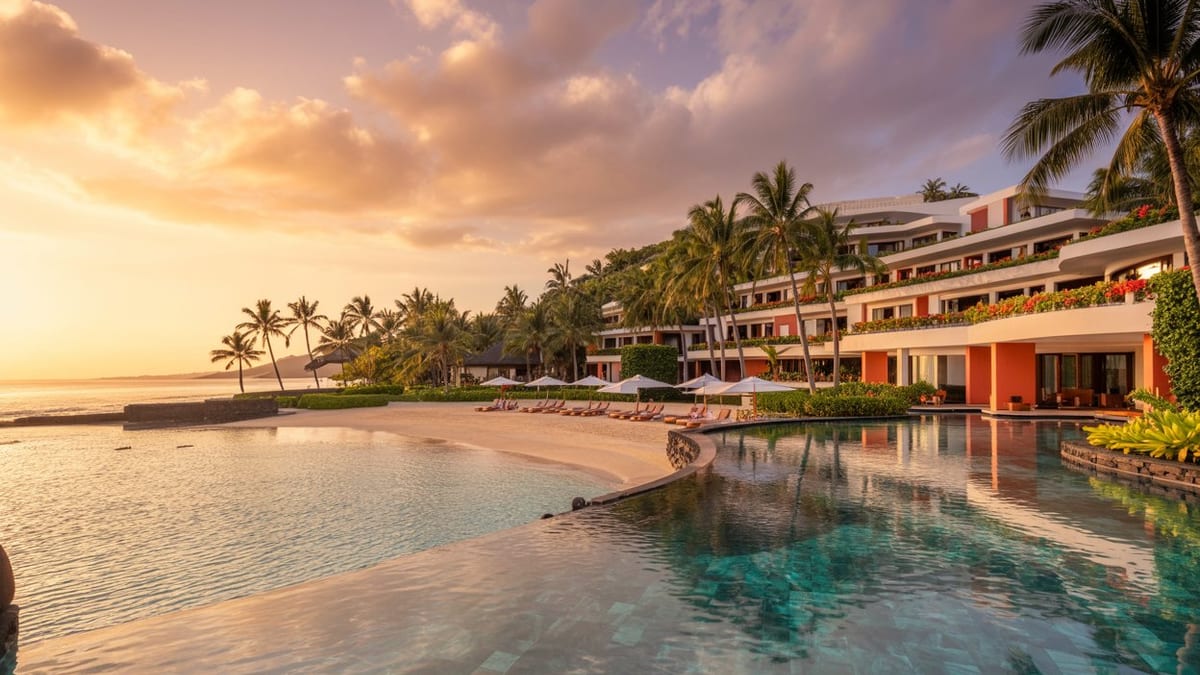
Image by Travel And Tour World
All-Inclusive, Hawaii Style: Fewer Buffets, More Bundles
Traditional, wristband-style all-inclusive resorts remain rare in Hawaii, but 2025 is seeing a surge in what travel sellers describe as “all-inclusive-style” offers. Publicly available package information shows that major online agencies and tour operators are leaning into bundled pricing, where flights, beachfront hotels, daily breakfast, activities and resort credits are wrapped into one upfront cost. These packages are designed to deliver the predictability travelers expect from classic Caribbean all-inclusives, without changing Hawaii’s long-standing preference for independent restaurants and locally owned excursions.
Industry reports indicate that this shift is happening at the same time as Hawaii’s visitor numbers ebb and flow, with soft periods in 2024 giving way to more targeted, higher-spend tourism in 2025. Marketing updates from state tourism bodies highlight a push toward “quality over quantity,” encouraging longer stays, deeper cultural engagement and a willingness to pay more for experiences that feel meaningful rather than mass market. For travelers, that is translating into curated packages that include cultural workshops, guided nature experiences and dining credits instead of unlimited buffets.
Travel trend analysis focused on 2025 points to a growing appetite for personalization and sustainability in Hawaii itineraries. Instead of one-size-fits-all meal plans, visitors are increasingly booking flexible, semi-inclusive stays that cover core costs up front while leaving room to explore street food, farmers markets and independent restaurants. The result is a hybrid model that balances convenience and budgeting confidence with support for local businesses beyond resort gates.
Major Resort Transformations Poised to Reshape Luxury Stays
Several marquee Hawaiian properties are deep into renovation cycles that will shape the island luxury scene for 2025 and beyond. On the Kohala Coast of Hawaii Island, the Mauna Kea Beach Hotel is undergoing a phased, multi-year overhaul that began in April 2024. Coverage on Hawaii-focused travel sites notes that all 252 guest rooms and suites are being redesigned, along with refreshed dining venues and public spaces, with key phases expected to reopen in the second half of 2025. The project is being positioned as a careful blend of contemporary design and the property’s midcentury heritage, with an emphasis on a more seamless beachfront experience.
In Waikiki, luxury inventory is being sharpened rather than expanded. Announcements from prominent oceanfront properties describe multimillion-dollar refreshes of suites, pool decks and restaurants, underscoring a race to stay competitive with global beach destinations. Renovation details released for an upscale Waikiki residence-style hotel, for example, highlight newly configured suite categories and upgraded infinity pools, which are likely to appeal to travelers seeking an upscale, quasi-residential base for longer, package-based trips.
On Oahu’s south shore, Ka Laʻi Waikīkī Beach, part of Hilton’s LXR Hotels & Resorts portfolio, is planning a comprehensive interior architecture and design renovation scheduled to begin in early 2025. According to Hilton’s own project outline, the work will span guest rooms, lobbies, spa, pools and landscaping, ensuring that by late 2025 the property presents a substantially refreshed take on high-end urban beach luxury. As these refurbishments come online, package providers are expected to fold upgraded rooms, spa credits and club access into bundled offers marketed as high-value, high-comfort “paradise” experiences.
Family-Friendly “Almost All-Inclusive” Retreats Gain Traction
For families, Hawaii’s most inclusive experiences are emerging at large, activity-rich resorts that combine kids’ clubs, water parks, character experiences or cultural programming with pre-booked meal plans and credits. Aulani, a Disney Resort & Spa on Oahu’s Ko Olina coast, remains a flagship example. The resort integrates extensive daily programming, from supervised kids’ activities to evening entertainment, with on-site dining and spa experiences. Travel sellers often position Aulani-based packages as “nearly all-inclusive,” where breakfast plans, shuttle transfers and select activities are prepaid, leaving only incidentals and off-property excursions to settle on the spot.
Other family-focused resorts on Oahu, Maui and Hawaii Island are following a similar playbook, even without advertising themselves as all-inclusive. Package descriptions from tour operators show increasing use of resort credits, dining plans for children, and add-on passes for in-house attractions such as slides, lagoon rentals and snorkeling experiences. This structure allows parents to get close to a fixed holiday budget while still encouraging families to explore nearby towns, food trucks and cultural sites.
Travel advisers and online forums frequently note that spacious suites and apartment-style accommodations are a growing part of the family equation. With kitchenettes or full kitchens, families can mix self-catered breakfasts and snacks with prebooked restaurant experiences, many of which are built into promotional offers for 2025. For visitors used to classic all-inclusive formats, these hybrid stays offer more freedom to tailor each day, without losing the reassurance of knowing the bulk of expenses before boarding the plane.
Sustainability, Culture and the New Definition of “Inclusive”
As Hawaii’s tourism industry recalibrates, the meaning of “inclusive” is expanding beyond food and drink to encompass environmental and cultural commitments. Analyses of booking behavior and sustainability reports suggest that a rising share of travelers to Hawaii in 2025 are willing to pay more for resorts that demonstrate credible environmental stewardship and support for local communities. Industry commentary referencing global research notes that more than two-thirds of travelers worldwide now say they prefer brands that can prove authentic environmental and cultural responsibility.
In practice, this includes resorts investing in renewable energy, water conservation and reef-safe amenities, as well as supporting local artisans and community programs. Some properties highlight partnerships with cultural practitioners, offering on-site workshops in lei making, hula, navigation or language, often incorporated into stay packages at no additional cost. Others fold voluntary contributions to restoration projects or local nonprofits into booking options, positioning these as part of a more holistic, “inclusive of impact” approach to vacationing in the islands.
State-level tourism messaging going into 2025 emphasizes “regenerative” travel, encouraging visitors to leave destinations better than they found them. This is being echoed by resorts that now market experiences such as guided reef walks, forest restoration outings and educational talks about wildfire recovery as core elements of their value proposition. For travelers, these offers extend the idea of all-inclusive from simple convenience to a sense of shared responsibility for Hawaii’s future.
Smart Strategies for Booking a 2025 Paradise Package
For travelers planning a 2025 Hawaii escape, timing and structure are becoming as important as property choice. Economic forecasts for the islands point to a mixed picture, with some periods of softer demand and shifting airfares. Travel analysis shows that visiting outside peak school holidays can deliver meaningful savings, particularly for flights into Honolulu, where fall and late spring shoulder seasons often see lower ticket prices compared with midsummer. In an environment of evolving taxes, fees and sustainability charges, all-inclusive-style packages can help smooth out surprises by bundling more of the trip’s costs into a single price.
Package descriptions from major online agencies and tour wholesalers suggest that value is strongest when travelers combine flights with longer resort stays of five nights or more. These bundles frequently layer in breakfast, resort credits and small extras such as late check-out or discounted parking at participating properties. Travelers who prioritize a near all-inclusive feel are being encouraged to look for offers that explicitly mention daily breakfast, activity credits and reduced resort fees, then budget separately for independent dining and off-site tours.
Travel trend reports focused on Hawaii in 2025 also underline the importance of aligning expectations with reality. Because the islands do not generally operate on a traditional all-inclusive model, visitors seeking that experience are advised to treat Hawaii as a premium hybrid destination. This means embracing curated packages, renovated luxury properties and sustainability-driven add-ons as the new definition of “inclusive,” where what is really bundled is not just food and lodging, but culture, nature and a more intentional way of experiencing paradise.