

More news on this day
Two diminutive marsupials believed lost for at least 6,000 years have been found alive in the remote rainforests of western New Guinea, a rediscovery that is already influencing heritage-focused conservation and eco‑tourism plans across the region.
Get the latest news straight to your inbox!
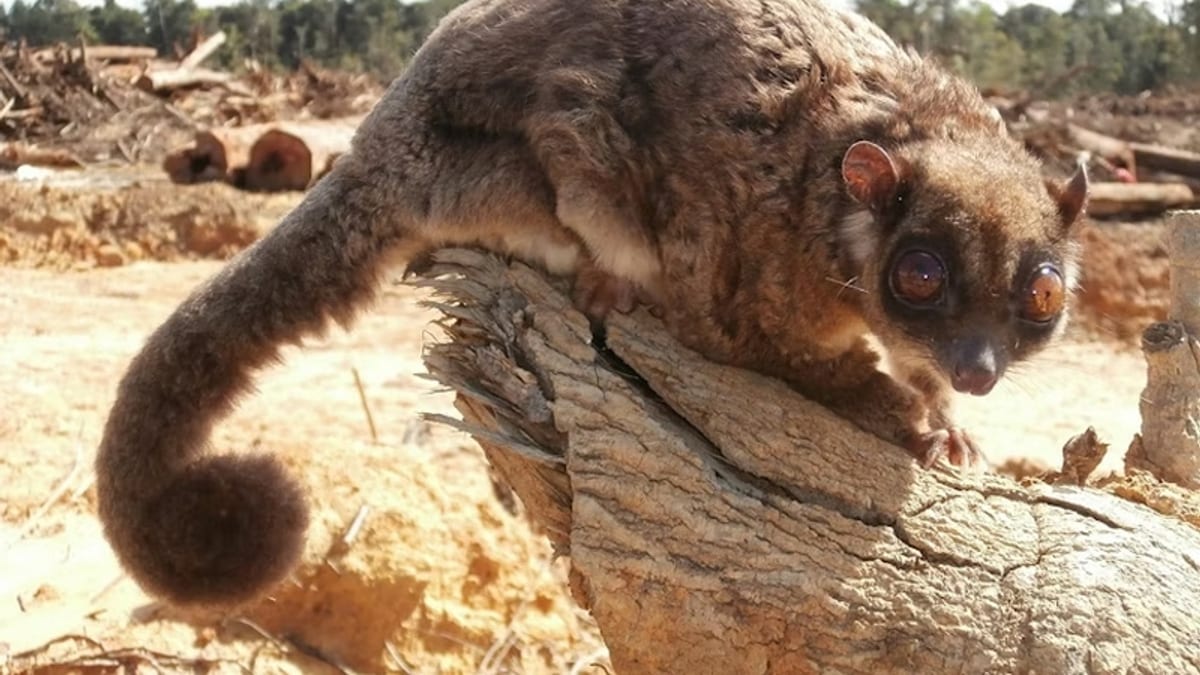
Image by Cruise Industry News | Cruise News
Marsupials Step Out of the Fossil Record
The rediscovery centers on the pygmy long fingered possum, Dactylonax kambuayai, and the ring tailed glider, Tous ayamaruensis, in the Vogelkop, or Bird’s Head, Peninsula of Indonesian New Guinea. For decades, both species were known only from subfossil remains dated to more than 6,000 years ago, leading researchers to treat them as long vanished relics of an ancient Australasian fauna.
Recent field work, piecing together camera trap images, museum material and field observations, has now confirmed that both species persist in pockets of intact montane and lowland forest. Scientific papers released in March 2026 describe them as classic examples of so called Lazarus taxa, species that disappear from the fossil record for millennia before reappearing in modern surveys.
The findings highlight the biogeographical singularity of the Vogelkop Peninsula, which geologists describe as an ancient fragment of the Australian continent sutured onto New Guinea. That geological history helps explain why the region still shelters lineages more typical of Australia than of tropical Southeast Asia.
For conservation planners and heritage advocates, the rediscovery underscores how incomplete the region’s biodiversity picture remains and how easily unique evolutionary stories can be written off as ended when they are, in fact, still unfolding.
Cultural Heritage and a Sacred Glider
The ring tailed glider has long held special status among Indigenous communities of the Vogelkop. Regional reporting notes that some Tambrauw and Maybrat clans refer to the animal collectively as Tous and regard it as a sacred forest being, woven into local stories and customary law.
These cultural ties are emerging as a central element in discussions about how to protect the species and its habitat. Publicly available information from museum outreach materials and regional media indicates that community members guided early researchers to sites where Tous were more likely to be seen, sharing long held knowledge that the animal persisted in high canopy forest.
Heritage groups in Indonesia and abroad are increasingly recognizing that such rediscoveries are not only biological events but also cultural reaffirmations. The continued survival of these marsupials validates oral histories that described elusive nocturnal animals gliding between trees, even as scientific literature still listed them as missing for thousands of years.
In emerging eco tourism proposals, local leaders are positioning these species as emblems of a living biocultural landscape, where Indigenous stewardship, sacred species and scientific curiosity intersect.
From Scientific Surprise to Conservation Priority
The scientific surprise of locating two mammal species presumed extinct for at least 6,000 years is hard to overstate. Commentaries in international science media point out that the probability of documenting even a single Lazarus mammal is considered extremely low, making a double rediscovery in the same region a rare event.
Researchers have emphasized that the possum and glider likely survived precisely because their forest refuges remained relatively intact. Satellite imagery and conservation assessments cited in recent coverage show that parts of the Vogelkop still retain large tracts of continuous canopy, in contrast to heavily fragmented lowland forests elsewhere in New Guinea.
Conservation groups are now arguing that the rediscovery strengthens the case for expanding protected areas and community managed forests in the peninsula. Policy briefs and news analyses link the find to wider calls for limiting road building, logging concessions and large scale plantations in these high biodiversity zones.
At the same time, biologists caution that simply knowing the species survive does not guarantee their future. Their apparent rarity, specialized forest requirements and exposure to broader climate and land use pressures mean that both may quickly move from being presumed extinct to formally listed as threatened if targeted action is not taken.
Heritage Tourism Looks to a New Flagship Species
Travel planners and regional tourism boards are already beginning to incorporate the rediscovered marsupials into narratives promoting West Papua’s interior as a destination for low impact, conservation oriented travel. Industry newsletters and destination marketing materials frame the Vogelkop as a frontier for natural history tourism, where visitors can learn how ancient lineages have persisted into the present.
Rather than promising direct encounters with the elusive nocturnal mammals, emerging itineraries tend to highlight guided walks in forests where the species occur, night listening sessions for gliders moving overhead, and visits to village cultural centers that explain the role of Tous in local cosmology. This approach reflects growing awareness that responsible tourism should prioritize habitat protection and cultural respect over wildlife showmanship.
Specialist tour operators focused on birding and mammal watching are also taking notice. Reports indicate that some are exploring partnerships with Indigenous communities to design routes that channel visitor spending into village level conservation initiatives, such as customary forest protections and community ranger programs.
For travelers, the story offers a compelling new lens on New Guinea, shifting attention from familiar icons such as birds of paradise to lesser known mammals that bridge deep time between Pleistocene fossil deposits and present day canopy ecosystems.
Global Lessons for Extinction, Data Gaps and Hope
The Vogelkop rediscoveries are reverberating well beyond New Guinea. International coverage situates the possum and glider alongside other high profile Lazarus species, such as the coelacanth and various amphibians, as reminders that extinction conclusions based solely on limited surveys and fossil gaps can sometimes be premature.
Conservation analysts note that the case illustrates how under surveyed tropical regions still harbor surprises, especially in montane forests and politically remote areas. The combination of museum reanalysis, local knowledge and modern field methods that led to the rediscovery is being cited as a model for similar efforts elsewhere.
The story also carries a cautionary edge. Specialists stress that most species lost from landscapes in recent centuries are unlikely to be rediscovered, since their declines are tied to permanent habitat conversion and invasive predators rather than natural fluctuations in the fossil record. In that context, the survival of the pygmy long fingered possum and ring tailed glider reads as an exception that underscores the urgency of preventing further losses.
For the travel sector, however, the rediscovery injects a rare note of optimism. It offers destinations, guides and travelers an opportunity to participate in a narrative that combines deep time natural history, cultural heritage and modern conservation, all centered on two tiny marsupials that have quietly persisted in the forests of New Guinea for thousands of years beyond their supposed extinction.