

Kos may be best known for its lively resorts, long sweeps of sand and busy harbor, yet the island still hides a quieter, more contemplative side.
Beyond the main strips are coves where you can hear only the wind and the water, hill villages where life still moves to the rhythm of the seasons, and small islands that feel a world away from the nightlife of Kos Town.
For travelers willing to wander, Kos offers a generous collection of hidden gems that reward curiosity with space, calm and a sense of discovery.
Finding Your Quiet Corner on Kos
Even in high summer, Kos offers more than rows of sunbeds and beach bars. Because many visitors naturally gravitate to the best-known stretches near major resorts, it does not take long to find uncrowded sands if you are prepared to walk a few minutes farther or drive a little beyond the obvious.
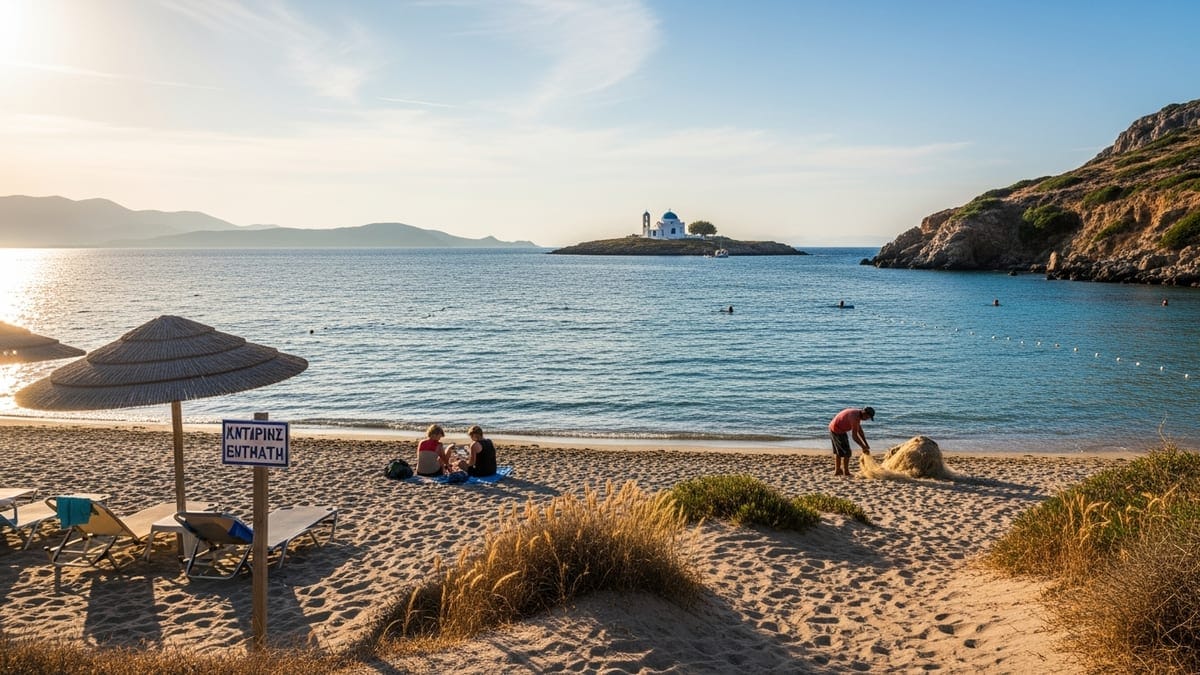
On the north, west and southern shores, small bays remain relatively undeveloped or attract a gentler, more local crowd. These are the beaches where you will see families from nearby villages, fishermen mending nets and just a scattering of visitors who prefer books to beach clubs.
The heart of the island is equally rewarding. Kos is dotted with villages that were once agricultural communities and are only gradually embracing tourism. In places like Antimachia, Asfendiou and the hilltop part of Kefalos, daily life still centers on coffee houses, small-scale farming and local festivals.
For travelers, that means enduring traditions, from restored windmills and old stone houses to church feasts and honey fairs. Staying in or near these villages, or at least dedicating a day to them, balances the beach time with a more grounded sense of place.
Finally, Kos’s position in the Dodecanese makes it a convenient springboard for day trips to smaller islands. Boats from ports such as Mastichari and Kardamena reach volcanic Nisyros, sponge-diving Kalymnos and tiny Pserimos, offering quiet hiking, harbor promenades and sea views without the bustle of larger hubs.
Each destination delivers a contrast with the main resort areas of Kos and lets you sample different flavors of island life in a single trip.
Quiet Beaches of the North Coast
The north coast of Kos faces the Turkish mainland but feels well removed from the busyness of Kos Town once you travel a few kilometers west. Around Tigaki and Marmari, long ribbons of sand border shallow, often gently breezy seas.
Tigaki lies about 10 kilometers from Kos Town, yet the atmosphere is markedly more relaxed, especially toward the edges of the settlement where development thins out. Behind the beach, the Alykes salt lake and wetland attract birdlife and provide a buffer of open space between the sea and the interior road network.
For many travelers, the appeal of this stretch is its balance of convenience and calm. At Tigaki you can still rent sunbeds and find simple tavernas for fresh fish and salads, but the scale is modest and there is enough room to stroll or find a more solitary patch of sand.
Marmari, further west along the same coast, feels even more low-key. This small village focuses on easygoing holidays rather than large-scale nightlife, and its beach tends to draw families and couples seeking unhurried days by the water. The prevailing breezes make the area popular with kitesurfers, yet it rarely feels overrun.
If you value atmosphere over amenities, explore on foot from the main access roads. Short walks in either direction can quickly lead you to quieter segments with only a few umbrellas or, in places, none at all.
The combination of dunes, soft sand and wide horizons makes these beaches particularly beautiful in the early morning or late afternoon, when the light slants across the sea and the day-tripper traffic fades. For a simple, peaceful beach day within easy reach of Kos Town, the north coast is an excellent starting point.
Hidden Coves Around Kefalos
The southwestern end of Kos, around Kefalos, is where the island reveals some of its most atmospheric coves. Kefalos itself has two faces: a traditional village perched on a hilltop and a coastal strip around Kamari Bay that has grown into a resort area.
Many visitors stay on the seafront and never realize how many small, relatively secluded beaches lie just beyond the main arc of sand. That is a missed opportunity, because the coastline here offers a chain of coves with strikingly clear water, rocky headlands and, in some cases, fine white sand or darker volcanic grains.
Beaches such as Polemi, often nicknamed Magic Beach, and others tucked into the broader Kefalos bay are valued precisely because they sit a little off the obvious track. Some are accessed by short dirt roads or narrow lanes that discourage large coaches, helping to preserve a tranquil mood.
The scenery is dramatic but not overwhelming, with low dunes, scattered cedars and views across the bay to the tiny islet of Kastri and the ruins of early Christian basilicas near Aghios Stefanos. It is a shoreline made for lingering swims, snorkeling along rocky edges and long, quiet lunches at modest tavernas above the sand.
Practicalities are straightforward, though you will need a car or scooter to make the most of this area. From Kos Town, it is roughly 40 kilometers to Kefalos, and once there you can spend a day hopping between coves.
Choose one beach as your base, then walk short distances along the shore or follow rough tracks to neighboring bays. Because services vary from place to place, it is wise to bring water and basic supplies in case your chosen cove has only a small café or no facilities at all.
The reward for this modest effort is space, clear water and a sense that you have stepped beyond the island’s main tourist circuits.
Traditional Villages and Slow Island Life
Leaving the coast behind is essential if you want to experience the quieter cultural side of Kos.
Villages scattered across the island’s interior offer a window into a lifestyle that is still deeply rooted in agriculture and local custom. Antimachia, on a plateau near the center of the island, is a prime example.
The settlement has been inhabited since antiquity and retains a strong sense of identity. Here you can visit a reconstructed traditional house, furnished in early 20th century style, and a restored windmill, reminders of how islanders lived before tourism and modern infrastructure reshaped the economy.
Nearby, the medieval castle of Antimachia sits on a low hill reachable by a reasonably maintained road. Its thick walls and interior ruins provide sweeping views over the central plain and the northern coast, yet the site is rarely crowded.
You are more likely to meet a handful of other visitors and perhaps a local farmer passing by than a tour group. Antimachia is also known for its honey, and if you time your visit around late summer festivals you may see stalls offering local varieties along with music and dancing.
On the northern slopes of Mount Dikeos, the villages that form Asfendiou, together with neighboring Lagoudi and Zia, show another face of traditional Kos. Stone houses, narrow lanes and small churches sit among olive trees and pine forest, with panoramic views down to the sea.
Asfendiou itself remains quieter than Zia, which has become well known for sunset views and draws more visitors in the evenings. Wandering through Asfendiou’s lanes earlier in the day gives a gentler impression of village life, with older residents chatting outside homes and the clink of coffee cups in simple kafenia.
Farther west, Kefalos’s hilltop core offers a similar blend of lingering tradition and gradual change. While the coastal strip may feel firmly on the tourist map, the upper village maintains a low-key rhythm.
Whitewashed houses cluster around a main square, and from various points you can look down over the bay and the narrow peninsula curling into the sea.
Spending a morning here, perhaps combined with a loop through the central villages and then an afternoon at the beaches below, is an effective way to experience the island’s contrasts without rushing.
Harbor Villages and Laid-back Seafronts
Alongside its interior settlements, Kos has a few coastal villages that have developed tourism in a softer, more organic way than the major resort hubs. Mastichari on the northwestern coast is a good illustration.
Originally a fishing community and still home to a working harbor, it has grown into a modest resort but retains a sense of scale and informality.
The main street and waterfront are lined with tavernas that source fish directly from the small boats moored nearby, and in the evenings locals and visitors mingle over simple plates of grilled catch and local wine.
The beach at Mastichari stretches along pale sand and often catches enough breeze to create small waves. It feels open and, outside of peak July and August periods, rarely overcrowded.
Because the village also serves as the departure point for ferries to the neighboring island of Kalymnos, there is a mild sense of movement and purpose, yet it never approaches the density of Kos Town’s main port.
For travelers, Mastichari can be either a quiet base for several days or an easygoing stop for dinner after a day spent exploring inland or along the coast.
On the south coast, Kardamena presents a slightly different character. Once a small fishing village, it has grown into one of the island’s larger tourist centers, with a reputation for nightlife and watersports.
However, step away from the main square and harborfront and you can still find corners that feel surprisingly local. Residential streets, small churches and the remnants of ancient sites reveal that Kardamena’s history stretches well beyond its recent resort identity.
Spending time here earlier in the day, before the bars fill, allows you to appreciate the scale of the bay, the beach and the surrounding landscape without the nocturnal buzz.
These harbor villages show how Kos manages to blend tourism with everyday life. Neither Mastichari nor Kardamena could be described as untouched, but both offer quieter intervals and authentic details if you know when and where to look.
Early morning harbor walks, lingering lunches at family-run tavernas and short strolls away from the busiest strips can transform them from transit points into destinations that complement the island’s more remote beaches and hill communities.
Day Trips to Nisyros, Pserimos and Kalymnos
One of the most rewarding aspects of basing yourself on Kos is the ease with which you can reach neighboring islands. Ferries and excursion boats link several nearby destinations, each with a distinct personality and, in many cases, a notably quieter atmosphere than you will find in the larger resorts.
Perhaps the most striking is Nisyros, a small volcanic island south of Kos. From ports such as Kardamena, day boats cross to Nisyros, where visitors can explore a still-active caldera, whitewashed villages and narrow lanes almost devoid of cars once you leave the main harbor.
Nisyros’s main village, Mandraki, is built around a harbor backed by steep cliffs and a fortified monastery above. Walking its alleys reveals quiet courtyards, traditional houses and small squares shaded by trees.
Beyond the villages, the island’s interior offers walking trails and vistas over the crater, with steam vents and sulfur-scented rocks reminding you of its geological energy.
Even if you join an organized excursion, there is usually time to slip away from the main group and sit quietly on a terrace or at the edge of the caldera to take in the landscape.
Closer to Kos, tiny Pserimos sits between the larger islands and feels like a step back in time. Excursion boats and small ferries bring visitors to its main beach and hamlet, where a single line of tavernas fronts a broad arc of sand.
Once the boats depart in the late afternoon, the island becomes very tranquil, but even during the day you can walk a few minutes along the coast or inland on goat paths to find solitude and views over the surrounding sea. Because there are few roads and little development, Pserimos is ideal for a simple day of swimming, walking and seaside lunches.
Kalymnos, reached most commonly from Mastichari, offers a different but equally appealing change of scene. Known historically for sponge diving and more recently for rock climbing, it combines rugged limestone cliffs with sheltered harbors and compact towns.
A day trip from Kos might include a wander around Pothia, the main port, with its neoclassical buildings and working waterfront, or a shorter hop to one of the quieter bays for swimming and seafood. Compared with Kos, Kalymnos feels more intensely local, with tourism layered onto long-standing maritime traditions.
Returning to Kos in the evening, you will likely feel that you have visited not just another island but another way of living with the sea.
Practical Tips for Seeking Out Hidden Gems
Exploring the quieter side of Kos is easier with a bit of planning. Renting a small car or scooter for at least a couple of days opens up the interior roads and less accessible coves.
While buses connect Kos Town with many villages and resorts, services can be limited outside peak season or in the evenings, and some of the most peaceful beaches are reached by minor roads that lie beyond typical bus routes.
When driving, allow extra time for slower, winding sections and be prepared for rough surfaces near more remote bays.
Timing also matters. Even popular beaches in areas like Kefalos or Tigaki feel very different early in the morning or late in the afternoon. If you arrive before 10 a.m., you are more likely to find long stretches of sand almost to yourself, with only local walkers and early swimmers for company.
Midday tends to be busiest, especially in July and August, but as the sun drops and day-trippers head back to hotels, quiet returns. In villages, late morning and the early afternoon lull can be particularly atmospheric, when older residents gather at coffee houses and the pace slows under the heat.
Respecting local rhythms will deepen your experience. Many of the island’s smaller communities still close shops for a few hours in the afternoon and then come alive again in the early evening. Religious festivals, often dedicated to local saints or seasonal events, are a chance to witness music, dancing and shared meals, but they are primarily for the community.
As a visitor, observing modest dress in and around churches, asking before photographing people and accepting invitations graciously helps maintain the welcoming attitude that makes Kos’s villages so appealing.
Finally, do not be afraid to improvise. Some of the most rewarding spots on Kos are not highlighted in glossy brochures or even clearly signposted. A side road that seems to lead nowhere may reveal a small chapel with panoramic views, an abandoned hamlet, or a cove used mainly by locals.
Carry water, sun protection and a flexible schedule, and give yourself permission to follow your curiosity. The island is compact enough that you are never far from the main routes, yet varied enough that small detours often feel like genuine discoveries.
The Takeaway
Kos may have earned its reputation on the strength of its large resorts and busy beaches, but its true character emerges most clearly in the quieter corners.
Long, lightly developed stretches of sand on the north coast, tucked-away coves around Kefalos, hill villages anchored in tradition and modest harbor towns all show sides of the island that mass tourism has not erased.
Day trips to nearby islands extend the palette even further, adding volcanic craters, tiny hamlets and working harbors to your experience.
For travelers willing to look beyond the obvious, Kos offers space to slow down, listen and observe. A morning watching fishermen prepare their boats in Mastichari, an afternoon wandering the alleys of Asfendiou, or a sunset swim at a nearly empty cove can be as memorable as any historic site or nightlife district.
By approaching the island with curiosity and respect, you not only find hidden gems but also contribute to the kind of low-impact, locally engaged tourism that helps keep them alive.
FAQ
Q1: When is the best time of year to find quiet beaches on Kos?
May, early June, late September and October are generally the calmest periods. The weather is warm enough for swimming, most services are operating, and both beaches and villages are noticeably less crowded than in peak summer.
Q2: Do I need a car to explore the hidden villages and coves?
Public buses connect major resorts and some villages, but a car or scooter gives you far more flexibility to reach smaller coves, hill settlements and viewpoints. For at least a couple of days, having your own transport is highly recommended if you want to explore beyond the main routes.
Q3: Which village is best for experiencing traditional island life?
Antimachia and the Asfendiou area are strong choices. Antimachia combines a historic core, traditional house museum and windmill with a working village atmosphere, while Asfendiou and neighboring hamlets on Mount Dikeos offer stone houses, narrow lanes and views over the north coast with relatively modest tourist development.
Q4: Are the quieter beaches suitable for families with children?
Yes, many of the less crowded beaches are family-friendly, especially along the north coast around Tigaki and Marmari, where the sand is soft and the water is generally shallow. More remote coves around Kefalos can have deeper water or rockier entries, so it is wise to check conditions before children go in.
Q5: How easy is it to arrange a day trip from Kos to nearby islands?
It is straightforward in the main season. Excursion boats and scheduled ferries run from Kos Town, Kardamena and Mastichari to islands such as Nisyros, Pserimos and Kalymnos. You can usually book through local agencies or directly at the harbor a day or two in advance, although popular excursions may require earlier reservations in high summer.
Q6: Can I find quiet accommodation away from the main resorts?
Yes. In addition to large hotels, there are smaller guesthouses, family-run pensions and self-catering apartments in villages like Mastichari, Tigaki, Kefalos and parts of the interior. Choosing a base slightly removed from the busiest strips often ensures quieter nights and easier access to local life.
Q7: Are the inland roads on Kos safe for driving and cycling?
Most main and secondary roads are paved and in reasonable condition, though they can be narrow and winding in hilly areas. Driving with caution, especially at night, is important. Cycling can be rewarding on less trafficked routes, but hills and summer heat mean it is best suited to reasonably fit riders or shorter outings.
Q8: What should I wear when visiting villages and religious sites?
Casual, modest clothing is appropriate. In or near churches and monasteries, covering shoulders and wearing knee-length or longer shorts or skirts is appreciated. In villages, beachwear is best kept for the shorefront; simple, light clothing is more in keeping with local norms inland.
Q9: Is it possible to hike on Kos away from the crowds?
Yes. The slopes of Mount Dikeos and the inland areas around Asfendiou, Zia and central villages offer walking routes with views over the island and the sea. Some paths are marked, while others follow old tracks and require basic navigation skills. Starting early in the day and carrying water and sun protection is essential, especially in summer.
Q10: How can I support local communities while exploring hidden parts of Kos?
Choosing locally owned accommodation and tavernas, buying products such as honey, olive oil or crafts directly from producers and treating communities and natural sites with respect all make a difference. Spending time and money in smaller villages and family businesses helps ensure that the quieter, more traditional side of Kos remains vibrant for residents and visitors alike.