

More news on this day
Hong Kong’s budget carrier HK Express has surged to the top of global low-cost rankings for 2026 just as a wave of visitors from Taiwan and the Philippines helps drive hotel demand in the city to record levels, underscoring how affordable regional air links are reshaping Hong Kong’s post-pandemic tourism landscape.
Get the latest news straight to your inbox!
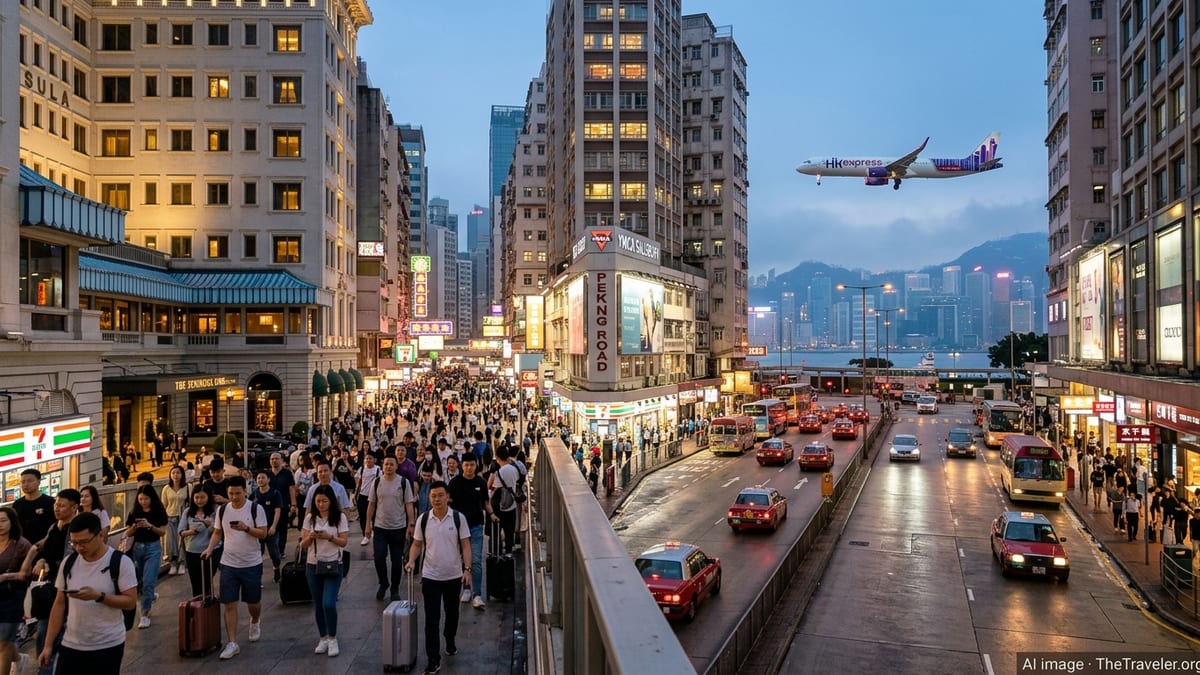
Global Recognition Cements HK Express as a Low-Cost Leader
Recent industry rankings for 2026 place HK Express at the front of the world’s low-cost airline pack, marking a milestone for the Hong Kong-based carrier as competition intensifies across Asia’s budget travel market. Publicly available information on airline league tables indicates that HK Express now sits ahead of regional rivals including AirAsia, Jetstar and Scoot in the latest World’s Best Low-Cost Carriers list, reflecting growing confidence in the airline’s network and service model.
The accolade adds to a string of distinctions the carrier has picked up in recent years. Aviation safety and product rating platforms have repeatedly cited HK Express for its operational record and modern fleet, while industry coverage highlights its rapid capacity rebuild and route expansion since international travel restrictions eased. The 2026 low-cost title consolidates that trajectory, positioning the airline as a key gateway for short-haul traffic into Hong Kong.
Analysts following the region’s aviation sector note that low-cost carriers have become central to Hong Kong’s efforts to diversify away from an overreliance on any single source market. By pairing competitive fares with dense frequencies on regional routes, HK Express has been able to stimulate demand among cost-sensitive leisure travelers and returning family visitors, particularly from Taiwan and Southeast Asia.
The carrier’s parent group has also emphasized connectivity within the broader Hong Kong aviation hub. Industry commentary suggests that HK Express’ performance is increasingly seen as complementary to premium full-service brands based at Hong Kong International Airport, strengthening the city’s overall appeal as a stopover and short-break destination.
Taiwan and Philippines Fuel a New Wave of Arrivals
While mainland China remains Hong Kong’s largest tourism feeder market, recent statistics show particularly strong momentum from Taiwan and the Philippines. Legislative and tourism board data for 2024 and 2025 indicate that arrivals from Taiwan climbed solidly year on year, with visitor numbers from the island surpassing 1.5 million in 2025 as connections were restored and flight capacity increased.
The Philippines has emerged as another standout. Tourism board figures and regional media reports describe a record-breaking year for Filipino arrivals in 2024, with more than one million visitors traveling to Hong Kong, supported by economic growth in the Philippines and greater availability of low-cost seats. Family travel and multi-generational trips, often built around theme parks and shopping, have been identified as key drivers of this surge.
Published hospitality research shows that overnight visitor volumes from these short-haul markets are especially important for hotels, as travelers typically stay several nights and maintain robust per-capita spending on accommodation, dining and attractions. As air connectivity normalizes, this segment has become a stabilizing force for Hong Kong’s tourism recovery, smoothing out fluctuations from longer-haul markets that take longer to rebound.
Observers of regional travel patterns note that Taiwan and the Philippines are also benefiting from simplified travel planning and a growing appetite for weekend escapes. The availability of late-night and early-morning low-cost flights operated by HK Express and other carriers has made short breaks more feasible, further lifting demand for centrally located hotels in districts such as Tsim Sha Tsui, Mong Kok and Causeway Bay.
Hotel Occupancy and Room Rates Hit Post-Pandemic Peaks
The influx of regional visitors is translating directly into Hong Kong’s accommodation sector. Government and tourism board statistics for 2024 and 2025 point to a sharp rise in overnight stays, with overall visitor arrivals edging back toward pre-2019 levels and the share of overnight guests recovering to nearly half of total arrivals. Industry commentary indicates that average daily room rates in key districts have climbed accordingly, in some cases surpassing pre-pandemic benchmarks.
Hotel consultancies tracking the market report that peak travel periods in late 2025 and early 2026 produced some of the strongest occupancy readings since borders reopened, with citywide figures tightening particularly during major holidays and events. Short-haul travelers from Taiwan and the Philippines, who are more likely to visit during school breaks and long weekends, have contributed disproportionately to these spikes.
Operators of midscale and upper-midscale properties appear to be benefiting the most from the current demand profile. Many of these hotels, which once relied heavily on group tours and corporate travel, have repositioned themselves to attract regional leisure guests seeking value, family-friendly room configurations and proximity to shopping districts. Reports from the sector describe a rapid pickup in bookings at renovated properties and those offering flexible room packages aimed at small groups.
At the top end of the market, luxury hotels are also seeing improved performance, though the mix of guests is more diversified, with long-haul business travelers returning alongside high-spending visitors from mainland China and certain Asian markets. Even so, the steady flow of arrivals on low-cost carriers has helped sustain high occupancy levels across the board, reducing the need for deep discounting outside traditional peak seasons.
Low-Cost Connectivity Reshapes Hong Kong’s Tourism Mix
The combination of HK Express’ elevated ranking and resurgent demand from Taiwan and the Philippines is beginning to shift Hong Kong’s tourism mix in subtle but meaningful ways. Market analysts note that the profile of inbound visitors now features a larger proportion of independent travelers who arrange flights and hotels separately, rather than relying on package tours. This cohort is more likely to explore neighborhoods beyond traditional tourist corridors and to seek out local dining and cultural experiences.
Travel pattern studies indicate that low-cost air connectivity tends to encourage more frequent, shorter trips instead of one-off, longer holidays. For Hong Kong, this is translating into a higher number of repeat visitors who return multiple times a year for shopping, concerts or family visits. Such behavior supports a broader base of hospitality and retail businesses, including mid-range hotels and smaller operators that may not have featured prominently in pre-pandemic group itineraries.
Another implication is the growing importance of late-booking behavior. Publicly accessible booking data analyzed by consultants suggest that many low-cost passengers from Taiwan and the Philippines now reserve flights and hotels just weeks or even days before departure, responding quickly to promotions and fare sales. This makes revenue management more complex for hotels but can lift yields when demand spikes unexpectedly.
Stakeholders in Hong Kong’s tourism sector are watching how this evolving mix interacts with capacity constraints. While airport throughput and hotel supply have both expanded over the past decade, the clustering of travel around holidays continues to put pressure on room availability and rates. The current pattern, fueled by regional low-cost connectivity, is prompting some operators to adjust strategies around minimum stays, group allocations and dynamic pricing to better capture value from these emerging visitor segments.
Outlook: Sustained Demand and Competitive Pressures Ahead
Looking ahead through 2026, most publicly available forecasts anticipate that regional demand will remain strong, though growth rates may moderate as the post-reopening rebound settles. The combination of HK Express’ enhanced global profile and the continued appeal of Hong Kong for Taiwanese and Filipino travelers positions the city to remain a key short-haul hub in East and Southeast Asia.
However, competitive pressures are also intensifying. Other low-cost carriers are adding capacity into the Pearl River Delta region, while neighboring cities vie for the same travelers with aggressive fare promotions and hotel deals. Industry observers suggest that maintaining Hong Kong’s edge will depend on continued investment in visitor experience, from airport processes to public transport connectivity and attractions programming.
For hotel operators, the challenge will be to convert cyclical peaks in occupancy into sustainable year-round performance. Research from hospitality consultancies points to opportunities in tailoring products more precisely to Taiwanese and Filipino guests, such as multilingual services, targeted digital marketing and partnership packages with airlines and attractions. Those able to align closely with the evolving low-cost travel ecosystem are expected to capture a disproportionate share of the benefits.
As 2026 progresses, the intersection of a globally recognized low-cost carrier and resurgent regional travel flows is reinforcing Hong Kong’s status as a compact, high-density destination where aviation, tourism and hospitality are tightly intertwined. The latest rankings for HK Express and the record demand now visible across the city’s hotel market highlight how pivotal regional leisure travelers have become to the city’s next phase of recovery and growth.