

More news on this day
Ho Chi Minh City is intensifying its role as Vietnam’s kinetic urban hub, layering wartime heritage, dense street life and rapid development into a tourism proposition aimed squarely at global travelers.
Get the latest news straight to your inbox!
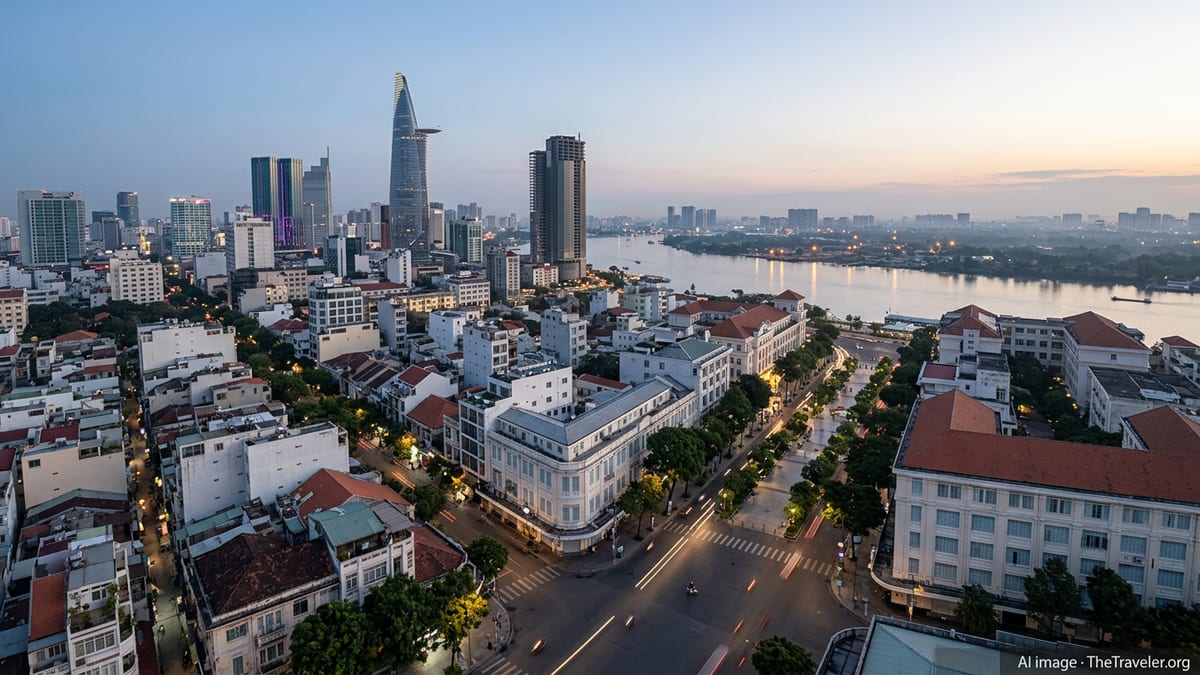
A City Recasting Itself as Vietnam’s Gateway
Recent tourism strategies present Ho Chi Minh City as both Vietnam’s largest tourism market and a primary international gateway, supported by an expanding network of attractions and services. Publicly available information indicates that the city now counts hundreds of classified tourism resources and thousands of hotels, travel firms and guides, giving it one of the most diverse tourism bases in the country.
Municipal planning documents referenced in domestic media describe a new development vision built around becoming a leading Southeast Asian megacity and one of the world’s more liveable urban centers. This outlook is reinforced by regional cooperation events, including international travel expos and economic forums that concentrate trade, culture and tourism promotion in the same week-long windows.
Industry coverage notes that visitor numbers have been rising steadily, with tens of millions of domestic and international arrivals recorded in 2025 and tourism’s share of the city’s gross regional domestic product climbing into double digits. The numbers support a narrative of a metropolis that increasingly competes with regional hubs such as Bangkok and Singapore for city-break, business and events tourism.
Underpinning this growth is a shift from a primarily business-focused destination to a multi-dimensional city break. New products marketed under themes such as “Find Your Vibes” and seasonal campaigns emphasize Ho Chi Minh City as a place to explore lifestyles, neighborhoods and creative scenes, rather than just a transit point.
Historic Layers Meet Contemporary Storytelling
Ho Chi Minh City’s wartime landmarks remain central to how the city is presented to visitors. Sites such as the War Remnants Museum, the Reunification Palace and historic temples continue to anchor classic city tours, framing the story of Vietnam’s twentieth-century conflicts and reunification. These museums and monuments are routinely highlighted as essential stops, especially for first-time international travelers.
At the same time, cultural coverage shows a growing focus on lesser-known institutions that broaden the narrative beyond war. The Southern Women’s Museum, recently recognized as a Class I museum at national level, is one example, documenting the social, economic and cultural contributions of women in southern Vietnam and emerging as a more prominent stop on heritage-oriented itineraries.
Citywide commemorations of the 50th anniversary of national reunification in 2025 have further linked history to contemporary urban spectacle. Large-scale light, music and multimedia performances along the Saigon River, including a high-profile drone show, have used digital storytelling to reframe historical milestones as immersive night-time experiences that appeal to younger audiences and international visitors.
This blending of memory and modern performance reflects an effort to move beyond static displays. Tourism campaigns now emphasize experiences that combine museum visits with live shows, neighborhood walks and riverfront events, positioning history as something to be felt across the city rather than confined to specific sites.
Street Life, Food and Nighttime Energy
Coverage of Ho Chi Minh City’s tourism strategy consistently identifies cuisine and street culture as central to its brand. The city is using culinary tourism as what one official description calls a “language of tourism,” with hundreds of documented street food spaces and a fast-growing catalog of dishes that mix southern Vietnamese flavors with regional and international influences.
Data from local tourism authorities indicate that structured culinary tours are expanding quickly. Surveys of visitors, summarized in domestic outlets, show food as a primary motivation for choosing the city, prompting new programs that tie tasting experiences to historical narratives and neighborhood identities. Street food festivals, night markets and pop-up events are now embedded in official tourism calendars.
Nightlife is another pillar of the city’s modern image. Rooftop bars, live music venues, riverside promenades and pedestrian streets like Nguyen Hue form a continuous nighttime corridor that contrasts with the daytime bustle of markets and alleyways. Marketing materials for campaigns such as the 2025 summer tourism program highlight this after-dark energy as a distinctive asset within Vietnam.
The emphasis on informal street life also extends to coffee culture, with dense clusters of cafes in converted townhouses and narrow alleys. These spaces have become favored stops on walking and photography tours, illustrating how everyday urban habits are being integrated into curated visitor experiences.
Infrastructure, Urban Upgrades and Riverfront Revival
To sustain its growing role as an international gateway, Ho Chi Minh City is investing heavily in transport and public-space infrastructure. Published reports describe extensive sidewalk renovation across key downtown streets, with nearly a hundred routes under upgrade to improve walkability and align street design with the long-anticipated Metro Line 1 stations.
The metro, together with expanded bus corridors and ride-hailing penetration, is expected to reduce congestion around central landmarks, making it easier for visitors to move between historic quarters, commercial districts and emerging creative hubs. Sidewalk projects near Ben Thanh Market and along major boulevards reflect an attempt to shift at least part of the visitor experience from vehicle-based tours to pedestrian exploration.
Along the Saigon River, new parks and event spaces in the Thu Thiem area and on the downtown waterfront are reshaping the city’s relationship with its river. These riverfront spaces are regularly used for festivals, fireworks, outdoor concerts and cultural programs, helping reposition the river from a backdrop to a central stage in the city’s tourism narrative.
There is also increased attention to connectivity beyond the core. Following an administrative merger that links Ho Chi Minh City more closely with neighboring provinces, tourism planners are developing river cruise routes, marine culture itineraries and coastal excursions that start in the metropolis and extend into nearby beach and port destinations. This effectively turns the city into a launchpad for wider southern Vietnam travel.
Creative Events and Campaigns Power a Tourism Rebrand
A series of high-profile campaigns is helping Ho Chi Minh City refine its image as a creative, youthful urban center. The “Find Your Vibes” promotion, launched in 2025, organizes experiences under pillars such as historical sites, spiritual culture and culinary arts, encouraging travelers to mix and match activities that suit their interests instead of following a single prescribed route.
Tourism festivals have become important testing grounds for new products and for collaboration between public bodies and private businesses. The Ho Chi Minh City Tourism Festival and the International Travel Expo now routinely host showcases for local tour operators, technology firms and hospitality brands, turning the city into a marketplace for innovation in urban tourism.
Cultural and music events, including long-running award ceremonies and new performance concepts, add to this sense of reinvention. Domestic media coverage of recent seasons highlights how concerts, fashion shows and design fairs increasingly select historic venues or outdoor public spaces, bringing contemporary creativity into direct contact with colonial architecture and traditional streetscapes.
Together, these initiatives portray Ho Chi Minh City as a place where history is not static, but continually reinterpreted through food, nightlife, art and infrastructure. For international travelers weighing where to experience Vietnam’s urban pulse, the city is positioning itself as the country’s most immediate expression of that vibrant heartbeat.