

More news on this day
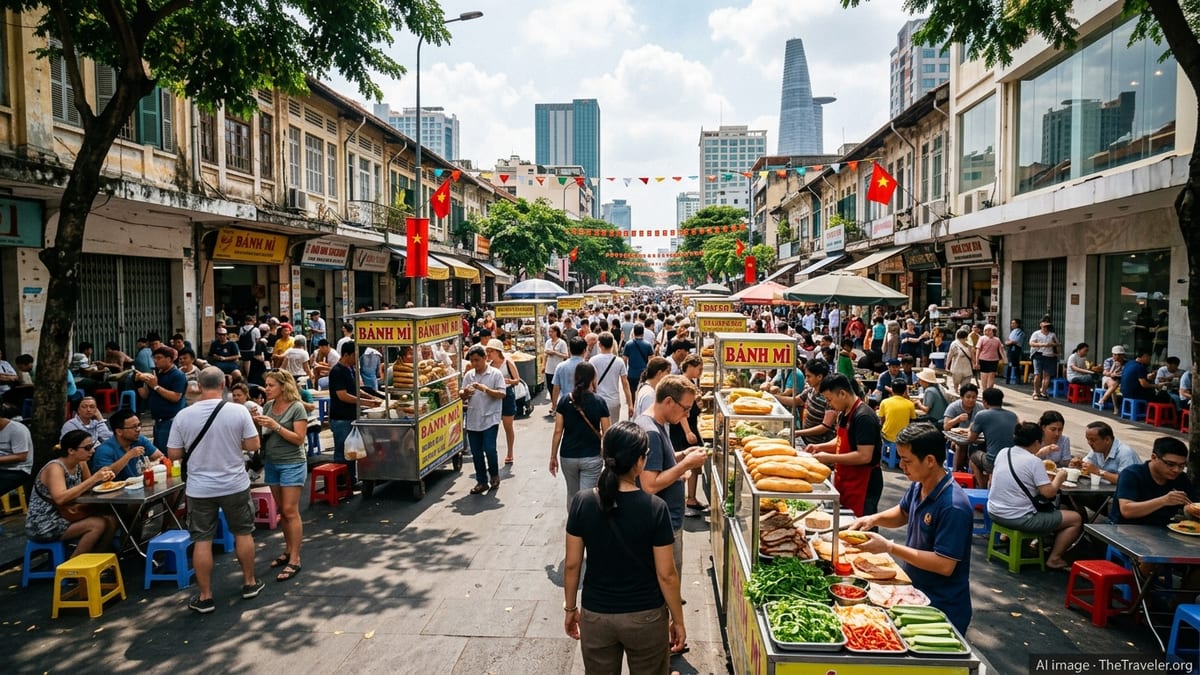
Ho Chi Minh City is positioning its signature street-food staple at the center of a major tourism push, with local media reporting preparations for a large-scale Bánh Mì festival in 2026 that is expected to draw more than 200,000 visitors to Vietnam’s largest metropolis.
Get the latest news straight to your inbox!
City Builds on Vietnam’s Rising Culinary Tourism Profile
The planned Bánh Mì festival comes as Vietnam steps up efforts to use food culture to attract both international tourists and domestic travelers. Publicly available tourism data show that the country welcomed record numbers of visitors through 2024 and early 2025, with Ho Chi Minh City serving as one of the main entry points and urban attractions for foreign arrivals.
Observers note that the city has already hosted a growing number of food-focused events, trade fairs and culinary showcases, particularly around the city’s exhibition centers and public squares. These activities have highlighted regional specialties, chef competitions and live cooking demonstrations, helping build an infrastructure and audience for larger, theme-specific festivals.
Reports indicate that a dedicated Bánh Mì festival is being positioned as a flagship addition to this calendar, designed to celebrate the evolution of the Vietnamese sandwich from humble street snack to globally recognized icon. The event is expected to serve as both a tourism draw and a platform for small food businesses to gain wider exposure.
A Culinary Extravaganza Centered on Vietnam’s Iconic Sandwich
Preliminary information circulating in local media and promotional materials suggests that the festival will bring together a wide spectrum of Bánh Mì styles, from classic Saigon combinations to contemporary and regional variations. Participating vendors are expected to include well-known bakeries, long-running market stalls and newer artisanal shops that have adapted the sandwich for modern tastes.
Plans outlined in early concept descriptions point to dedicated zones for traditional recipes, innovative fillings, vegetarian and plant-based offerings, as well as sweet and dessert-style Bánh Mì. Organizers are also expected to emphasize the role of fresh herbs, pâté, pickles and locally baked baguettes, treating each component as a showcase of Vietnamese craft and regional agriculture.
In addition to food stalls, the festival is anticipated to feature live culinary demonstrations, bread-baking showcases and educational displays about the historical roots of Bánh Mì in southern Vietnam’s urban neighborhoods. Event outlines also mention possible workshops introducing visitors to basic sandwich assembly techniques and the fundamentals of balancing flavors and textures.
Visitor Numbers Aimed Above Two Hundred Thousand
Reports about the proposed festival scale indicate an ambition to attract more than 200,000 visitors across the event period, including city residents, domestic tourists from other Vietnamese provinces and international travelers already routing itineraries through Ho Chi Minh City. This target would place the festival among the city’s higher-capacity cultural gatherings.
Travel industry commentary suggests that such a turnout would align with the city’s broader tourism trends, as Ho Chi Minh City has recorded strong visitor growth and is working to lengthen stays by promoting thematic experiences. A large-scale Bánh Mì festival is expected to encourage visitors to spend additional days exploring local markets, neighborhood bakeries and related culinary attractions beyond the main venue.
While detailed crowd-management plans have not yet been widely released, existing coverage of the city’s major events points to the use of multiple entry points, staggered programming and coordination with public transport systems to accommodate large flows of attendees. Accommodation providers and tour operators are already monitoring announcements to adjust packages and city tours around the festival dates once they are confirmed.
Boost for Local Vendors and the Wider Food Economy
Analysts of Vietnam’s food sector note that a dedicated Bánh Mì festival could provide a significant boost to small and medium enterprises across baking, fresh produce, meat processing and beverage supply chains. Many of the businesses that built the sandwich’s reputation operate at neighborhood scale, and a concentrated event is expected to give them access to larger volumes of customers and potential distribution partnerships.
Publicly available information on previous culinary fairs in Ho Chi Minh City shows that such events often include business-matching activities and opportunities for vendors to meet buyers from hotels, supermarkets and export channels. Similar components are likely to be integrated into the Bánh Mì festival, creating a bridge between street-food heritage and formal food-service networks.
The festival is also expected to generate demand for supporting services, from design and packaging to logistics, cleaning and event staffing. Local commentators have pointed out that successful large-scale food events can have a multiplier effect on the urban economy, with spending spilling over into transport, retail, nightlife and cultural attractions.
Showcasing Saigon’s Street-Life to the World
Beyond the commercial impact, the Bánh Mì festival is being framed in local coverage as an opportunity to highlight the everyday street culture that defines Ho Chi Minh City for many visitors. Sidewalk food carts, early-morning bakery queues and late-night snack runs are widely regarded as part of the city’s informal social fabric.
By concentrating these experiences in a single, high-profile event, the city is expected to position itself as a leading destination for casual, accessible food tourism in Southeast Asia. Travel commentators suggest that the festival could pair naturally with riverfront promenades, night markets and walking tours, helping first-time visitors explore a wider cross-section of the metropolis.
With final programming details and dates still to be formally announced, industry observers are watching how the festival concept evolves in the coming months. If projections for more than 200,000 visitors materialize, the event could set a new benchmark for how Ho Chi Minh City leverages one of its most beloved street foods to deepen its global travel appeal.