

More news on this day
As Holy Week travel ramps up in Costa Rica, early reports from Juan Santamaría International Airport outside San José indicate heavier passenger traffic and long lines at security and check in, especially during peak morning and midday departures.
Get the latest news straight to your inbox!
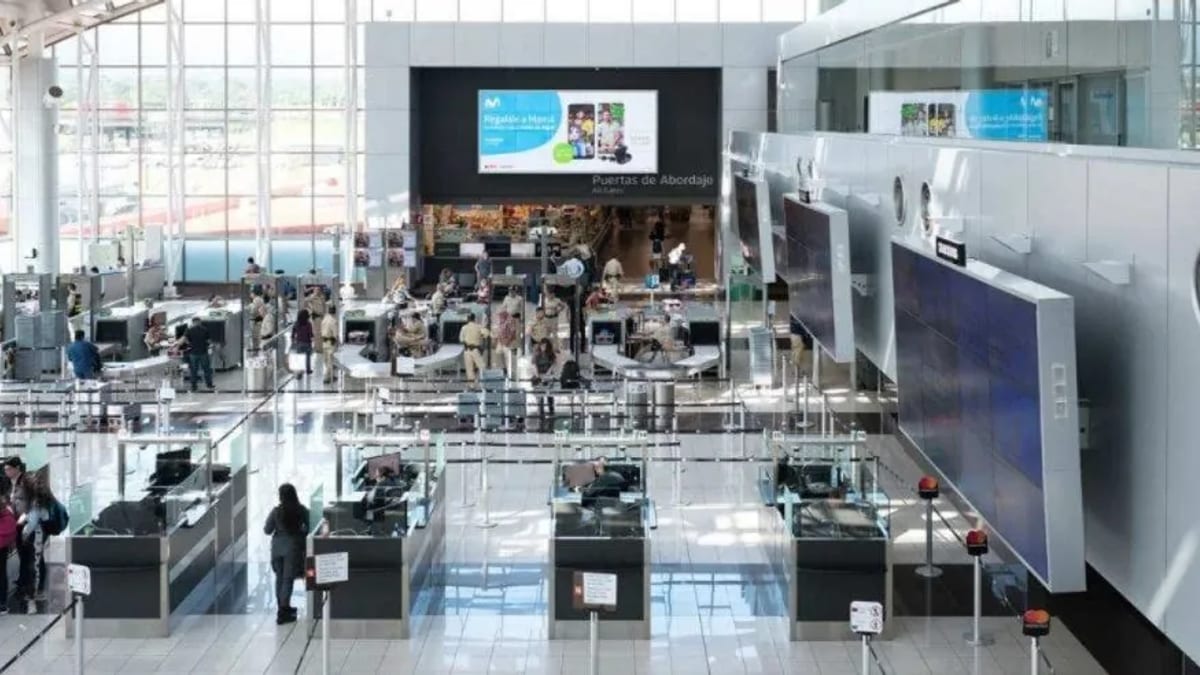
Image by The Costa Rica News
Holy Week 2026 Brings Peak Travel Rush to Costa Rica
Holy Week in 2026 falls from March 30 to April 5, coinciding with school holidays and a long public break in Costa Rica. Publicly available data from the Costa Rican Tourism Institute shows that the Juan Santamaría International Airport remains the country’s main air gateway for international visitors during this period, with volumes that typically spike compared with surrounding weeks.
Juan Santamaría, located in Alajuela just northwest of the capital San José, handles the greatest share of the country’s scheduled international flights. Government aviation statistics for recent years highlight sustained growth in passenger numbers through the airport, supported by an expanding mix of North American and regional routes. With more airlines adding seats into San José ahead of the Easter period, pressure on the terminal is expected to intensify through the weekend.
Historical tourism reports for earlier Easter seasons in Costa Rica point to a recurring pattern of congestion on key travel days, particularly from Palm Sunday through Holy Wednesday and again on Easter Sunday. This year’s calendar places the start of Holy Week directly after a regular weekend, compressing outbound and inbound travel into a shorter window and increasing the likelihood of bottlenecks at check in counters, immigration and security screening.
Reports Highlight Longer Lines at Security and Check In
Travelers departing through Juan Santamaría in the days leading up to Holy Week are already sharing accounts of longer waits at various stages of the departure process. While conditions can change quickly over the course of a single day, common themes in recent public reports include dense crowds in the main check in hall during early morning and late afternoon waves.
According to published airport operations data and traveler accounts from prior peak seasons, security screening is one of the most sensitive pinch points. When multiple widebody departures and regional flights are scheduled within a short time frame, queues can lengthen significantly, especially for passengers without priority screening or airline status. The layout of the terminal means that even when lines are moving, they can appear daunting as they snake through the public areas.
Check in and bag drop counters are also under strain on heavy departure days. Airlines that concentrate most of their long haul services into a few daily banks of flights tend to generate sudden surges of passengers. During Holy Week, those banks coincide with holidaymakers, returning residents and group travelers, a combination that leads to additional time at counters as agents process special requests, family seating and oversized or sports equipment.
Why Holy Week Creates Particular Pressure at SJO
Holy Week is one of the busiest travel periods in the Central American region, combining religious observances with beach and nature tourism. In Costa Rica, many residents leave the Central Valley for the Pacific and Caribbean coasts, while international visitors arrive to take advantage of the shoulder between the high and rainy seasons. Juan Santamaría Airport acts as a funnel for much of this movement, especially for international segments.
Tourism statistics published for recent years show a steady rebound of international arrivals through the airport after the pandemic period, with key markets such as the United States, Canada and Europe driving growth. Airlines have responded by adding frequencies and introducing new routes at San José, including additional seasonal services that tend to overlap with Easter vacation demand.
Beyond sheer passenger numbers, Holy Week also shifts travel behavior. Families traveling together, religious groups heading to processions and events, and organized tour groups often check more luggage and require more assistance at counters than solo business travelers. This results in longer processing time per passenger, which can quickly translate into queue build up at check in, security and boarding gates.
Practical Timing Tips for Departing Passengers
While exact wait times vary by day and hour, recent seasonal patterns and current traveler reports suggest that passengers should build additional buffer time into their plans when flying from Juan Santamaría during Holy Week. Early morning departures between roughly 5 a.m. and 9 a.m. tend to be particularly busy, as airlines concentrate North American connections in these windows. Midday and early afternoon banks can also see crowding when regional and long haul services overlap.
Airlines and airport operators commonly advise arriving several hours in advance during peak travel periods. For Holy Week, travelers on international flights from San José may wish to target a three hour buffer before scheduled departure, and consider even more time if checking bags, traveling with children or needing special assistance. Those flying around the main Holy Week holidays, such as Holy Thursday, Good Friday and Easter Sunday, should be prepared for heavier than usual traffic on access roads as well.
To reduce stress at the terminal, passengers can complete online check in when available, organize travel documents in advance and verify any updated baggage rules for their airline. Allowing extra time for agricultural inspections and routine airport security procedures can help ensure that unexpected lines do not result in missed flights during this high demand week.
What Arriving Travelers Should Expect
Arriving passengers during Holy Week may also experience congestion in immigration halls and at baggage claim, particularly when several international flights land close together. Tourism arrival data for previous Easter periods in Costa Rica indicates that inbound traffic from North America and regional hubs often clusters around weekend days and the first part of the week, creating short lived but intense peaks in the arrivals area.
Ground transportation services outside the terminal, including taxis, app based rides and shuttle buses, can see higher demand as both incoming tourists and local residents move simultaneously toward beach towns and other holiday destinations. Travelers may find it helpful to pre arrange transfers with hotels or shuttle providers where possible, and to anticipate some additional time for queues at taxi stands and rental car counters.
Despite the crowds, Juan Santamaría International Airport remains the primary gateway for exploring Costa Rica’s national parks, volcanoes and coastlines. For those traveling during Holy Week, awareness of the likely bottlenecks and a willingness to adjust schedules can make the difference between a rushed airport experience and a manageable start or finish to a holiday.