

Hong Kong is often described as a single city, yet on the ground it feels more like three distinct worlds. Central, Kowloon and the New Territories each offer their own rhythm, skyline and street life, shaped by history and geography but tied together by one of Asia’s most efficient metro systems. For travelers, understanding how these three areas differ is the key to planning smarter routes, choosing the right base, and experiencing Hong Kong beyond the postcard views.
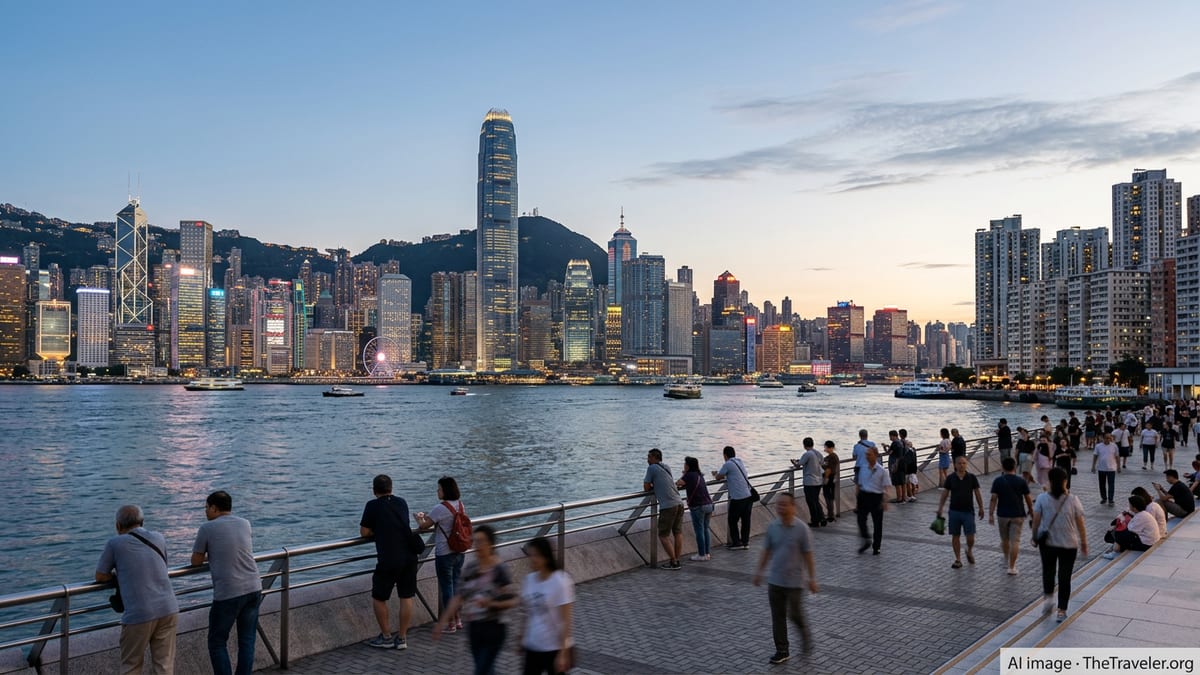
Understanding Hong Kong’s Three Main Regions
At a glance, Hong Kong is divided into Hong Kong Island, Kowloon and the New Territories, with outlying islands scattered around Victoria Harbour and beyond. Central sits on the northern shore of Hong Kong Island and is the traditional financial and political core, where glass towers rise directly from steep, tightly packed streets. Across the harbour to the north lies Kowloon, a dense peninsula famous for neon-lit shopping streets and older residential districts. Further north again are the New Territories, a broad swathe of land reaching toward mainland China that mixes new towns, wetlands, country parks and pockets of traditional village life.
The Mass Transit Railway, or MTR, ties these three regions together with frequent, clean and reliable trains that make cross-harbour travel routine for residents and visitors alike. Lines such as the Tsuen Wan Line link Central to busy Kowloon neighbourhoods and on to new towns in the New Territories, while the East Rail and Tuen Ma lines serve communities closer to the border. Trains are air conditioned, signage is bilingual in Chinese and English, and stored-value Octopus cards are widely used for quick payment. For most visitors, the MTR will be the backbone of any multi-neighbourhood itinerary.
While it is tempting to think in simple distances, it is better to think in travel times and terrain. Central and the Mid-Levels are walkable but steep, with staircases and escalators cutting through hilly streets. Kowloon’s core districts are relatively flat but can feel crowded, especially around Nathan Road. In the New Territories, distances are longer, but stations often open straight into compact town centres or transport interchanges. Planning around these patterns helps you pair neighbourhoods sensibly in a single day rather than zigzagging inefficiently across the region.
Each region also carries a different mood. Central feels like a global financial district layered onto older hillside streets and colonial-era landmarks. Kowloon is intense and energetic, with markets, malls and a long-standing reputation for some of the city’s best street food. The New Territories offer space and contrast, from quiet temples and wetlands to suburban housing estates and rugged hiking trails. Together they create the mosaic that makes Hong Kong feel vast yet navigable.
Central: The Vertical Heart of Hong Kong Island
Central is where many first-time visitors get their defining image of Hong Kong: mirrored office towers, double-decker trams ringing along Des Voeux Road, and the Peak rising steeply behind the skyline. This compact district is both the historical seat of British colonial administration and the contemporary engine of finance and professional services. Skyscrapers stand shoulder to shoulder with historic buildings and hidden laneways, making it one of the most rewarding areas to explore on foot.
By day, Central is all sharp suits, coffee bars and fast-paced lunches. Major commercial towers cluster around the Central and Hong Kong MTR stations, which sit at the base of the hillside. From here, the streets climb quickly toward the Mid-Levels. The Central–Mid-Levels escalator system, one of the longest outdoor covered escalators in the world, carries commuters uphill in the morning and downhill later in the day, allowing visitors to glide through layers of the city that would otherwise require serious effort. As you ride, you pass residential buildings, small temples, long-established dai pai dong-style eateries and fashionable wine bars that have taken over old shophouse fronts.
In the older streets to the west of the core business towers, Central blends into SoHo and Sheung Wan, where narrow lanes descend toward the harbour. Here you find antique shops, art galleries, coffee roasters and some of the city’s most creative small restaurants. Modern murals cover once-plain walls, while traditional dried seafood and herbal medicine stores continue to trade nearby. Evenings bring a shift in atmosphere as office workers move toward after-work drinks and the nightlife of nearby Lan Kwai Fong, while visitors explore quiet side streets and heritage sites.
Staying in or near Central suits visitors who prioritize access and convenience. The area is directly linked to the Airport Express via Hong Kong Station, is a hub for ferries to Kowloon and outlying islands, and connects to multiple MTR lines at nearby Admiralty. It is also one of the more expensive parts of the city for accommodation and dining. Budget-conscious travelers often choose to stay across the harbour in Kowloon, then use the fast cross-harbour trains to dip in and out of Central’s restaurants, galleries and viewpoints as needed.
Exploring Culture, Food and Nightlife in Central
Beneath Central’s polished skyline lies a dense cultural landscape that reflects Hong Kong’s layered history. Around the Mid-Levels you can trace colonial-era street names, visit churches and old government structures, and then turn a corner to find incense curling from a traditional temple. The mix of East and West, old and new, is particularly striking in the streets that step down from the escalator system, where sleek cafes share space with long-standing family businesses.
Food in Central ranges from humble noodle shops to high-end tasting menus. Office workers queue for quick meals at tiny storefronts serving wonton noodles, roast meats and congee, while visitors seek out dim sum spots that have both classic dishes and contemporary twists. In the evenings, SoHo and the surrounding streets come alive with wine bars, izakayas and small-plate restaurants. It is easy to craft an impromptu food crawl simply by following your nose from one corner to the next, though reservations are advisable for the most talked-about venues, especially on weekends.
Nightlife tends to cluster around Lan Kwai Fong and Wyndham Street, where bars and clubs spill onto compact lanes. The atmosphere tilts toward the energetic, with loud music and crowds that stretch late into the night. Those seeking a quieter experience can explore rooftop bars in the office core, where panoramic harbour views are paired with a more measured pace. For a more local feeling, smaller pubs and cocktail bars tucked into Sheung Wan and further west cater to residents looking for a casual drink without the thrum of the main party streets.
Despite its busy reputation, Central still offers quiet corners. Early morning walks along the tram tracks or through hillside streets reveal a softer side of the district, before the workday builds to full volume. Public art installations, pocket parks and observation points around the Mid-Levels provide moments to pause and absorb the city from above. For many visitors, this contrast between intensity and escape is what makes Central such a compelling base for exploring wider Hong Kong.
Kowloon: Energy, Markets and Harbourfront Views
Kowloon lies directly across Victoria Harbour from Central and delivers an entirely different experience. The peninsula is one of the most densely populated urban areas in the world, and it feels that way at street level, particularly along Nathan Road and in the districts of Tsim Sha Tsui, Jordan and Mong Kok. Signs jut out over the roads, traffic moves in constant waves and sidewalks can be packed well into the night. For visitors, Kowloon offers both world-class harbourfront views back toward the Hong Kong Island skyline and some of the city’s most atmospheric markets and street food hubs.
Tsim Sha Tsui, commonly shortened to TST, is the main gateway for visitors. Here you find large hotels, major museums, a waterfront promenade and direct connections to cross-harbour ferries and multiple MTR lines. The Avenue of Stars and nearby promenades provide iconic photo angles on Central’s skyline by day and night, as lights play off the water of Victoria Harbour. Just inland, shopping ranges from luxury malls to local boutiques and tailors. The area is busy throughout the day and into the late evening, with a constant mix of residents, mainland visitors and overseas tourists.
Further north along Nathan Road, the mood becomes more local and less polished. Jordan and Yau Ma Tei showcase street-level life, with smaller shops, markets and mid-range hotels. In Mong Kok, the crowds thicken significantly around sneaker streets, electronics shops and themed shopping centers. Night markets and flower and goldfish markets in the wider Mong Kok and Prince Edward area reflect long-standing local traditions, though some have adapted to modern tourism. Exploring these streets rewards patience and a willingness to wander beyond the most famous corners.
Staying in Kowloon is often more affordable than on Hong Kong Island, particularly for mid-range and budget travelers, without sacrificing convenience. The Tsuen Wan and Kwun Tong MTR lines run north-south through major Kowloon hubs, connecting easily with cross-harbour services. The Airport Express stops at Kowloon Station, which is linked by signage and pedestrian routes to nearby hotels and shopping complexes. From a practical standpoint, Kowloon works well as a central base for visiting both Hong Kong Island and the New Territories.
Local Life, Cuisine and Night Markets in Kowloon
While Kowloon’s skyline views draw the cameras, it is the everyday street life that often leaves the strongest impression. Early mornings see residents heading to traditional breakfast spots for noodles, buns or congee, while older generations gather in parks for tai chi and conversations. Wet markets display seasonal produce and freshly caught seafood, alongside stalls selling household goods. Even a simple walk from an MTR station to a side street can carry you through several layers of local life that rarely appear in glossy brochures.
Kowloon has long been synonymous with good, accessible food. Casual eateries serve wonton noodles, claypot rice, Cantonese barbecue and an array of snacks aimed at both residents and visiting food lovers. Small dessert shops, bubble tea outlets and bakeries extend the day’s eating deep into the evening. Visitors looking for particular dishes often target clusters of specialized restaurants, such as streets known for hotpot, seafood or regional Chinese cuisines, all packed into a few blocks. As always in Hong Kong, it pays to note where local queues form, as this is often the best indicator of reliable quality.
Night markets in Kowloon, while evolving over time, still play a role in the city’s after-dark character. Stalls selling clothing, souvenirs, small electronics and toys sit alongside food stands that serve skewers, stir-fries and sweets. The atmosphere is bright and noisy rather than refined, but it allows visitors to browse, snack and people-watch in one place. For a more relaxed evening, the harbourfront promenades offer benches, open views and room to stroll while watching ferries and harbor traffic against the illuminated skyline.
Kowloon also has significant cultural and historical depth. Former walled communities, colonial-era military sites and older religious complexes are scattered through the peninsula, some restored as parks or cultural spaces. Museums, heritage centers and occasional walking tours help contextualize how this dense urban landscape emerged from earlier fishing villages and fortifications. For travelers willing to look beyond shopping and skyline photos, Kowloon can be one of the most informative places to grasp how Hong Kong’s modern identity was built.
The New Territories: Space, Nature and New Towns
Move north from Kowloon and you enter the New Territories, a region that covers roughly two-thirds of Hong Kong’s land area and stretches to the boundary with mainland China. This is where high-rise estates sit alongside older villages, and where highways and railway lines cut through surprisingly green countryside. The New Territories encompass new towns such as Sha Tin, Tai Po, Tuen Mun and Yuen Long, as well as hiking areas, wetlands and coastal inlets that reveal a quieter face of the territory.
New town development in the New Territories began in the later decades of the twentieth century to relieve pressure on the urban core. Today, areas like Sha Tin and Tuen Mun host large residential populations with their own shopping centers, transport interchanges and community facilities. For visitors, these towns provide a glimpse of how most Hong Kong residents live away from the better-known tourist strips. MTR stations often open into multi-level malls, from which walkways lead to parks, housing estates and bus terminals. Spending a few hours in one of these towns, even without a specific attraction in mind, offers valuable context.
Beyond the town centers, the New Territories offer some of Hong Kong’s most compelling outdoor experiences. Country parks preserve rugged hills, reservoirs and coastal trails that attract hikers and families on weekends. Walking paths lead to viewpoints over islands, inlets and bridges, reminding visitors just how maritime and mountainous Hong Kong’s geography truly is. Villages in more rural pockets retain ancestral halls, temples and traditional festivals, although the degree of preservation and accessibility varies by area. It is possible to move from a modern shopping mall to a quiet village square within a single short bus ride.
The region also includes wetlands and conservation areas that are important for migratory birds and local biodiversity. Visiting these sites requires more planning around opening hours, transport connections and seasonal conditions, but they offer a sharp contrast to the canyons of Central or the intensity of Kowloon. For travelers who enjoy photography, birdwatching or simply a slower pace, allocating at least one full day to the New Territories can greatly broaden the overall experience of Hong Kong.
Transport, Practicalities and Choosing Your Base
Navigating between Central, Kowloon and the New Territories is straightforward once you understand the basic layout of the MTR network. Central and Hong Kong stations serve as the main nodes on Hong Kong Island, linked to Kowloon by cross-harbour lines that surface at stops such as Tsim Sha Tsui, Jordan, Mong Kok and beyond. From there, the network branches north and east into the New Territories via the Tuen Ma and East Rail lines, connecting major new towns and border-adjacent districts. Trains are frequent throughout the day, and peak-hour congestion, while noticeable, is usually manageable for visitors used to large urban systems.
For most travelers, the Octopus card is the most convenient way to pay for journeys, allowing tap-in and tap-out at stations and on buses, trams and many ferries. Fares are calculated by distance, with cross-harbour and longer New Territories journeys costing more than short hops in a single district, but overall public transport remains relatively affordable by global city standards. Taxis fill in gaps, particularly late at night or in more remote New Territories areas where bus frequencies may drop. Ride-hailing options exist but operate under local regulations, so availability can vary.
Choosing where to stay often comes down to budget, interests and tolerance for crowds. Central and its surrounding areas suit business travelers and visitors who want quick access to high-end dining, galleries and transport links, at a premium price. Kowloon offers a wide range of hotels and guesthouses, often at slightly lower rates, with excellent access to both Hong Kong Island and the New Territories. For repeat visitors or those interested in a longer stay, select New Territories towns can make an appealing base, trading immediate access to classic sights for a more local daily environment and easier access to hiking and countryside.
Regardless of where you stay, it is worth planning your days to minimize backtracking. Pair Central and nearby Island districts in one day, tackle Kowloon markets and harbourfront the next, then allocate a full or half day for a focused excursion into the New Territories. Building in time for rest, whether in a park, a quiet temple courtyard or a simple neighborhood cafe, will make the city’s intensity easier to enjoy. The beauty of Hong Kong’s compact geography and efficient transport is that you can sample all three regions meaningfully even on a relatively short trip.
The Takeaway
Central, Kowloon and the New Territories are more than just administrative labels on a map. They represent three distinct lenses on Hong Kong life: the vertical urban core of Central, the dense and vivid streets of Kowloon, and the spacious, varied landscapes of the New Territories. Each region has its own rhythms, food traditions and daily routines, yet they interlock to create the overall character that makes Hong Kong such a singular destination.
For visitors, understanding this three-part structure brings clarity to trip planning. Rather than trying to treat Hong Kong as a single compact downtown, you can design your days around the different moods and experiences each region offers, using the MTR and ferries to move smoothly between them. A morning in Central’s steep streets, an afternoon crossing to Kowloon’s markets and an additional day in the hills or wetlands of the New Territories will reveal just how varied the territory can be.
Ultimately, the most rewarding Hong Kong itineraries balance famous skyline views with quieter, everyday scenes. Watching office workers rush through Central’s footbridges, seeing families shop in Kowloon’s markets, or joining hikers along a New Territories ridge each tells a different part of the story. Taken together, they give travelers not only photographs of a remarkable city, but also a deeper sense of how its communities live, work and adapt within a tight but remarkably diverse landscape.
FAQ
Q1. How many days should I spend in Hong Kong to see Central, Kowloon and the New Territories?
Most visitors find three to five full days sufficient to experience highlights in all three regions, with at least one day each focused on Hong Kong Island, Kowloon and the New Territories.
Q2. Is it better to stay in Central or Kowloon?
Central offers convenience and proximity to business and nightlife at higher prices, while Kowloon usually provides better value, strong transport links and easier access to both the island and the New Territories.
Q3. How easy is it to travel between Central and Kowloon?
Travel between Central and Kowloon is straightforward using the MTR’s cross-harbour lines or the Star Ferry, with journey times typically measured in minutes rather than hours.
Q4. Can I visit the New Territories on a day trip from Central or Kowloon?
Yes, the MTR and bus network make day trips from Central or Kowloon to many New Territories towns, hiking trails and cultural sites both realistic and popular.
Q5. Are there major language barriers in these neighborhoods?
Cantonese is the main spoken language, but English is widely used on signs, in public transport announcements and in many hotels, restaurants and tourist-facing services.
Q6. Is public transport safe and reliable at night?
Public transport is generally considered safe and reliable into late evening, although some bus routes and MTR services reduce frequency or stop running around midnight.
Q7. How should I pay for transport around Central, Kowloon and the New Territories?
An Octopus stored-value card is the most convenient choice, allowing quick tap payments on the MTR, most buses, trams and many ferries, as well as in some shops.
Q8. Are there good options for hiking near the city?
Yes, the New Territories and parts of Hong Kong Island have extensive trail networks, with routes ranging from short family-friendly walks to demanding full-day hikes with significant elevation.
Q9. Is Hong Kong suitable for families with children?
Hong Kong can work very well for families, offering efficient transport, parks, child-friendly attractions and a wide choice of food, though crowds and heat in some seasons may require pacing.
Q10. When is the best time of year to explore these neighborhoods?
Many travelers prefer the cooler, less humid months from roughly late autumn to early spring, when walking between neighborhoods and spending time outdoors is more comfortable.