

Few cities reward smart budgeting and local know how quite like Hong Kong. With a little preparation around transport, payment options and everyday expenses, you can experience the city’s skyline views, street food and neighbourhood markets without overspending. This guide focuses on practical, up to date advice on the Octopus card, riding the MTR and simple money saving hacks that make Hong Kong feel less overwhelming and more accessible.
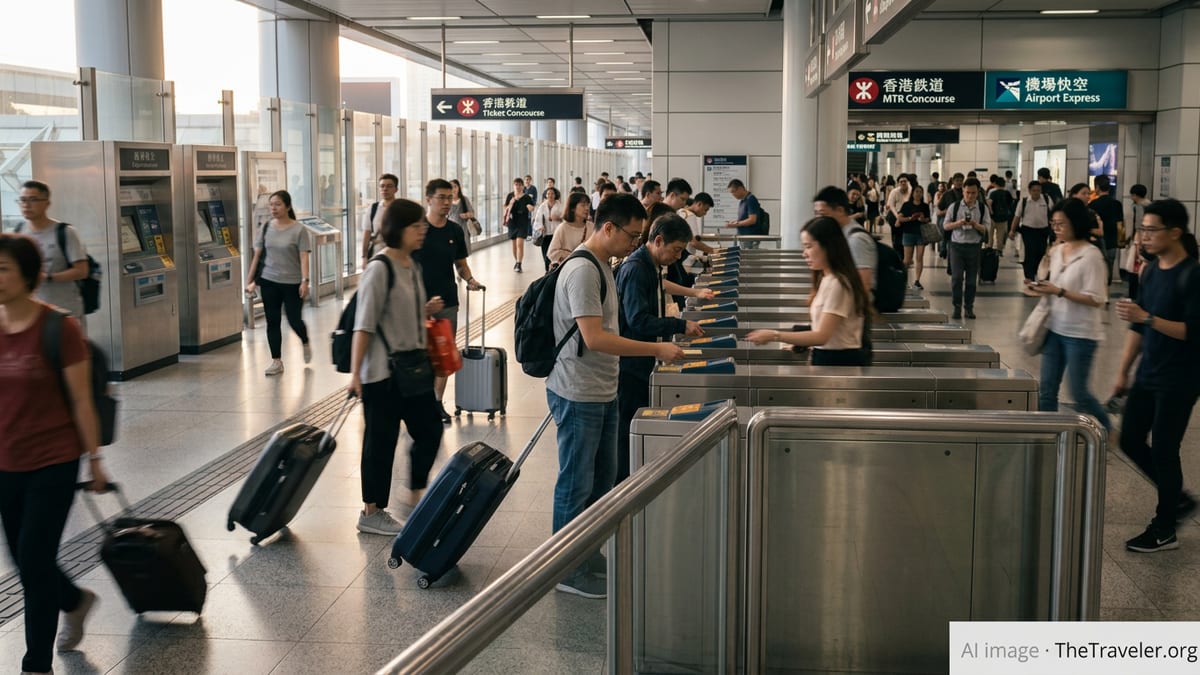
Understanding How Hong Kong Moves: Why Octopus Still Matters
The Octopus card has been part of Hong Kong life for decades, and it remains one of the most useful tools for visitors. It is a reloadable, stored value smart card that you simply tap on readers to pay for journeys and small purchases. Locals use it daily on trains, buses, trams, ferries, in convenience stores and many casual eateries, so carrying one helps you move through the city at local speed.
As of 2025 and into 2026, the city has broadened payment options to include contactless bank cards and mobile wallets at many MTR gates and on most buses. Even so, Octopus still offers advantages: it works on virtually all public transport, including older buses and some small merchants that may not take overseas cards. It also tends to process transactions slightly faster than bank cards or QR codes, which matters in a city where commuters tap in and out in seconds.
Visitors can choose between a standard on loan Octopus and tourist focused versions. The standard card functions exactly like a local card, with a refundable deposit and stored value you top up as needed. Tourist products sometimes bundle airport transfers or time limited unlimited rides on certain lines, which may be attractive if your itinerary is dense and transit heavy. The best choice depends on how long you are staying and how intensively you plan to use the network.
Importantly, an Octopus card is not tied to your identity unless you apply for a personalised version, which most tourists do not need. That means you can share spare adult cards within a family or group when travelling at different times, then return them for a deposit refund when you leave. Treated well and kept away from other contactless cards, an Octopus card can also be reused on future trips.
Buying, Topping Up and Refunding Your Octopus Card
The easiest place for most visitors to buy an Octopus card is Hong Kong International Airport. After clearing customs in the arrival hall, look for the Airport Express or MTR customer service counters near the train platforms. Staff there can sell you a regular adult or child on loan Octopus, or one of the tourist oriented cards if you prefer a package. You can also purchase cards at MTR station customer service counters across the city and at major convenience store chains such as 7 Eleven and Circle K.
When you buy an on loan Octopus, you typically pay a small refundable deposit plus an initial stored value balance. While exact figures can change, it is sensible to start with enough credit to cover at least your first few days of public transport, especially if you are arriving late at night when top up counters may have limited hours. For a short three or four day stay with regular MTR and bus use, many travellers find that loading the equivalent of several hundred Hong Kong dollars is a comfortable starting point.
Top ups are straightforward. You can add value at MTR station add value machines using cash, or at customer service counters and convenience stores using cash or cards, depending on the outlet. Increasingly, visitors also choose to link Octopus to mobile wallets or use official apps to reload from bank cards, though this can be more complex for non residents. If you prefer simplicity, stick to topping up with cash at stations, which is quick and widely available.
Before you leave Hong Kong, you can reclaim any remaining stored value and the deposit on an on loan Octopus at MTR customer service centres, including the Airport Express counter at the airport. A small handling fee may apply if you return the card within a short period after purchase, so it can be worth keeping your card for future visits if you think you will be back within a few years. If you decide to keep it, remember that old cards can sometimes need reactivation at a service counter or via the official app after long periods of inactivity.
Octopus Alternatives: Contactless Cards, Phones and QR Wallets
Hong Kong has become much friendlier for visitors who prefer to rely on their own bank cards or smartphones instead of buying a dedicated transport card. Most MTR stations now have selected gates that accept contactless Visa, Mastercard and in many cases mobile wallets like Apple Pay and Google Pay linked to those cards. Tap in and out with the same card or device and the adult fare will be charged directly to your bank in your home currency, subject to your card’s foreign exchange conditions.
On buses and some trams, readers commonly accept both Octopus and contactless bank cards. You simply tap your card or phone at the reader when boarding, or when alighting on certain routes where fares depend on distance. This flexibility allows ultra short stay travellers or business visitors to move around efficiently without buying a separate card, provided their bank cards support contactless payments abroad and any international usage alerts or limits are set appropriately.
QR based mobile payment platforms such as AlipayHK and WeChat Pay Hong Kong are also widely used by residents, and some support overseas bank cards. However, the onboarding process can be confusing for short term visitors, with identity checks, separate local versions of the apps and occasional language hurdles. Unless you are combining a Hong Kong stay with extended travel in mainland China or are already familiar with these platforms, relying on Octopus or simple contactless card payments is usually more straightforward.
The key trade off is coverage. While contactless bank cards work well in most MTR stations and on major bus routes, they do not unlock every gate or every operator yet. Small snack shops, local wet markets and independent eateries are also more likely to accept Octopus or cash than foreign bank cards. For that reason, many budget conscious travellers carry both a physical Octopus card and at least one contactless credit or debit card, switching between them based on what each merchant accepts and which option offers the better exchange rate.
Mastering the MTR: Routes, Passes and Peak Hour Tactics
The MTR is the backbone of Hong Kong’s public transport system, connecting the airport, major business districts and residential neighbourhoods with rapid, reliable service. For visitors, learning the main lines and transfer hubs pays off quickly. Central and Admiralty stations link Hong Kong Island’s business core to Kowloon and the New Territories, while Tsim Sha Tsui and Mong Kok serve as key gateways to shopping, markets and budget accommodation.
Fares on ordinary MTR lines are distance based and relatively affordable for a high income city. Short hops can cost the equivalent of only a few Hong Kong dollars, while longer cross harbour journeys are still moderate by global standards. When you pay with Octopus or a contactless card, the system automatically calculates the correct fare when you tap out, so you do not need to pre select zones or buy paper tickets for each journey. This makes spontaneous detours to new neighbourhoods easy and budget friendly.
Visitors staying several days and planning intensive sightseeing by train can consider tourist specific passes. Tourist day passes typically offer unlimited rides on most heavy rail MTR lines for a continuous 24 hour period, excluding premium services like the Airport Express and first class carriages on some routes. Other bundled products combine a single or return Airport Express journey with multiple days of unlimited MTR rides. These packages can be cost effective if you intend to ride the system frequently, especially across longer distances, but ordinary pay as you go Octopus fares may still be cheaper for light users.
Time of day matters. Hong Kong’s rush hours on weekdays usually fall between roughly 8 to 9.30 in the morning and 5.30 to 7.30 in the evening. Trains remain fast but can be extremely crowded, especially around major interchanges. If your schedule allows, plan your cross harbour or long distance trips outside these windows. When you must travel at peak times, position yourself near the ends of platforms where carriages are sometimes marginally less crowded, and have your Octopus or card ready before reaching the gates to avoid delays.
Airport Express and City Transfers on a Budget
The Airport Express is the fastest and most comfortable link between Hong Kong International Airport and the urban core, taking around 24 minutes to reach Hong Kong Station with spacious seats and luggage racks. Fares are higher than ordinary MTR lines, but discounts are often available for same day returns, group tickets or when using Octopus cards compared with single journey paper tickets. This makes it a premium choice that can still be reasonable value when time and convenience are priorities, particularly after a long flight.
To stretch your budget, look out for periodic offers that reduce round trip fares or provide special rates for families and off peak travel. Some promotions allow two or more passengers travelling together to purchase group tickets at a combined discount, while others temporarily cut fares during major events or holiday seasons. These offers can significantly lower the per person cost compared with buying two standard single journey tickets, especially if you are flexible about your travel times.
If your accommodation is near Kowloon or Tsing Yi stations rather than Hong Kong Island, consider alighting earlier to reduce your Airport Express fare, then transferring to the regular MTR or a bus for the final leg. For those on tighter budgets or staying in areas not well served by the Airport Express, direct airport buses and a combination of standard MTR and bus routes are cheaper alternatives, though they take longer and are more affected by traffic.
Whichever option you choose, factor in the cost and time of the last mile between the station and your hotel. While taxis are plentiful outside Airport Express stations and can be convenient if you have heavy luggage, short rides can add up, especially with luggage surcharges and tunnel tolls. In many cases, rolling your suitcase a few extra blocks or using a short MTR or tram connection will keep your arrival costs significantly lower.
Daily Money Saving Hacks: Fares, Food and Fees
Small decisions around everyday spending make a noticeable difference over a multi day stay in Hong Kong. On transport, the main rule is to stay consistent with your payment method. Using the same Octopus card or the same contactless bank card for each rider ensures that any daily caps, transfer privileges or promotional discounts are calculated correctly. Swapping between different cards or mixing contactless and QR codes can make it harder to track your true costs.
Plan your movements geographically to minimise long cross town journeys. Group activities on Hong Kong Island into one or two days and those in Kowloon and the New Territories into others, rather than zigzagging across the harbour multiple times per day. Not only will you save on fares, you will also reduce time lost in transit and avoid repeated queueing at busy interchange stations.
When it comes to food, Hong Kong can be as affordable or as expensive as you make it. Lunchtime set menus in local cha chaan teng cafes often offer excellent value, with main dishes, a drink and sometimes soup at a lower price than dinner. Exploring cooked food centres above wet markets, where stalls share a common seating area, is another way to enjoy authentic dishes at local prices. Here, cash and Octopus are more widely accepted than foreign bank cards, so carry a modest amount of cash alongside your transport card.
Foreign transaction fees and currency conversion margins can erode your budget quietly. If you are using overseas credit or debit cards, consider those that offer low or zero foreign transaction fees. When presented with a choice between being charged in your home currency or Hong Kong dollars, opt for Hong Kong dollars. This avoids dynamic currency conversion, which often uses unfavourable exchange rates compared with your bank’s standard rate.
Staying Safe, Polite and Efficient While Getting Around
Hong Kong’s public transport system is generally safe, clean and well policed, but observing local etiquette helps you blend in and avoid misunderstandings. On the MTR, stand on the right side of escalators to let others pass on the left, queue behind platform markings and allow passengers to exit trains fully before boarding. Inside carriages, priority seats near doors are reserved for the elderly, pregnant women, passengers with disabilities and those carrying infants, and giving up your seat when appropriate is both expected and appreciated.
Keep your Octopus or contactless card in an easily accessible pocket or card holder, separate from other contactless cards if possible to avoid misreads at gates. Tapping a thick wallet or phone case containing multiple cards can cause the reader to fail to detect the correct card, leading to delays and occasional confusion. In crowded buses or at busy MTR gates, having your chosen card or device ready in advance keeps lines moving smoothly and lowers the risk of dropping items while rushing.
Petty crime rates on public transport are relatively low, but crowded trains and markets can still attract opportunistic pickpockets. Carry day bags with zippers closed, keep valuables in interior pockets and avoid displaying large amounts of cash when topping up cards or paying at small stalls. At night, train services run late enough for most evening outings, and red and green minibuses and taxis extend coverage, but always check the last train times for outlying lines to avoid expensive late night taxi rides.
Language barriers are limited on transport, as station names, signage and ticket machines are usually in both Chinese and English. If you do get lost, station staff and many younger locals can manage basic English directions. Keeping an offline map or screenshot of your hotel’s Chinese name and address can help taxi drivers and bus staff understand your destination quickly without relying on mobile data.
The Takeaway
Hong Kong rewards travellers who prepare a little and stay flexible on the ground. An Octopus card remains a powerful tool for seamless movement and small payments, even as contactless bank cards and mobile wallets become more common. Choosing the right mix of payment methods for your comfort level and trip length will keep both your journey and your budget running smoothly.
Understanding how the MTR, Airport Express, buses and ferries fit together allows you to design days that minimise backtracking and maximise time in neighbourhoods rather than in transit. Combined with simple money saving habits such as eating where locals eat, avoiding unnecessary conversion fees and timing travel to dodge the worst of the crowds, you can enjoy a rich Hong Kong experience without overspending.
Ultimately, the goal is not to squeeze every cent, but to remove friction. When your transport, payments and basic logistics feel easy, you are free to focus on skyline views from the harbourfront, neon lit night streets in Mong Kok and quiet temple courtyards hidden between towers. That sense of ease and discovery is what makes a well planned Hong Kong trip feel truly rewarding.
FAQ
Q1. Do I still need an Octopus card if my credit card is contactless?
Many visitors can get by using only a contactless credit or debit card on the MTR and buses, but an Octopus card still offers wider coverage, especially on older buses, small shops and local eateries that may not accept foreign bank cards. Having both options gives you maximum flexibility and can reduce reliance on cash.
Q2. Which Octopus card is best for tourists?
For most visitors staying several days, a regular adult on loan Octopus is the most flexible choice, since it works across transport and shops and can be refunded when you leave. Tourist focused cards or passes may be good value if you will ride the MTR very intensively or want bundled Airport Express journeys, but ordinary pay as you go works well for many itineraries.
Q3. Where can I buy an Octopus card on arrival?
You can buy an Octopus card at the Airport Express or MTR customer service counters at Hong Kong International Airport, as well as at customer service centres in MTR stations across the city. Convenience stores such as 7 Eleven and Circle K also sell certain types of Octopus cards, which is helpful if you arrive during very late or early hours.
Q4. How much money should I load onto my Octopus card?
The right amount depends on your plans, but for a short three to four day stay with regular MTR and bus travel, many travellers start with several hundred Hong Kong dollars of stored value. You can always top up quickly at MTR stations or convenience stores, so there is no need to load a very large amount at once.
Q5. Is the Airport Express worth the price compared with buses or taxis?
The Airport Express is faster and more comfortable than buses, with reliable journey times and an easy connection to central districts, which makes it good value for many travellers, especially after long flights. If you are on a tighter budget or staying in an area not near its stations, airport buses and a mix of MTR and bus routes can be significantly cheaper, though they take longer and may be affected by traffic.
Q6. Are there any special passes that save money on the MTR?
Yes, there are tourist day passes and bundled products that combine Airport Express trips with unlimited MTR travel for limited periods. These passes are most cost effective if you plan to use the network heavily over a short timeframe. Light users often save more by paying standard Octopus or contactless fares as they go.
Q7. Can I use one Octopus card for more than one person?
Each rider needs their own card or payment method when entering gates or boarding transport, so a single Octopus cannot be tapped multiple times for different people in one journey. However, adult cards can be reused by others at different times, and families often keep spare cards that are passed around as long as only one person uses each card at a time.
Q8. How easy is it to get a refund for my Octopus card at the end of my trip?
Refunds are straightforward. Visit an MTR customer service centre, including the Airport Express counter at the airport, and request a refund of your remaining balance and deposit. A small handling fee may apply if you return the card shortly after purchase, so long term visitors sometimes prefer to keep the card for future trips instead.
Q9. Is cash still necessary in Hong Kong?
While Hong Kong is very card friendly, carrying a modest amount of cash is still useful for local markets, small eateries, some taxis and unexpected situations such as card network issues. Combining a physical Octopus card or contactless bank card with a limited cash reserve provides good coverage without the risks of carrying large amounts of currency.
Q10. How can I avoid extra fees when using foreign bank cards in Hong Kong?
Choose cards with low or zero foreign transaction fees where possible and pay in Hong Kong dollars rather than your home currency when given the choice. Avoiding dynamic currency conversion and being aware of your bank’s exchange rates will help keep hidden costs down, especially if you rely heavily on card payments for transport and daily spending.