

More news on this day
A spike in flight cancellations at Houston’s George Bush Intercontinental and William P. Hobby airports is disrupting travel across the United States and on some long-haul international routes, leaving passengers facing missed connections, extended delays and rapidly shifting itineraries.
Get the latest news straight to your inbox!
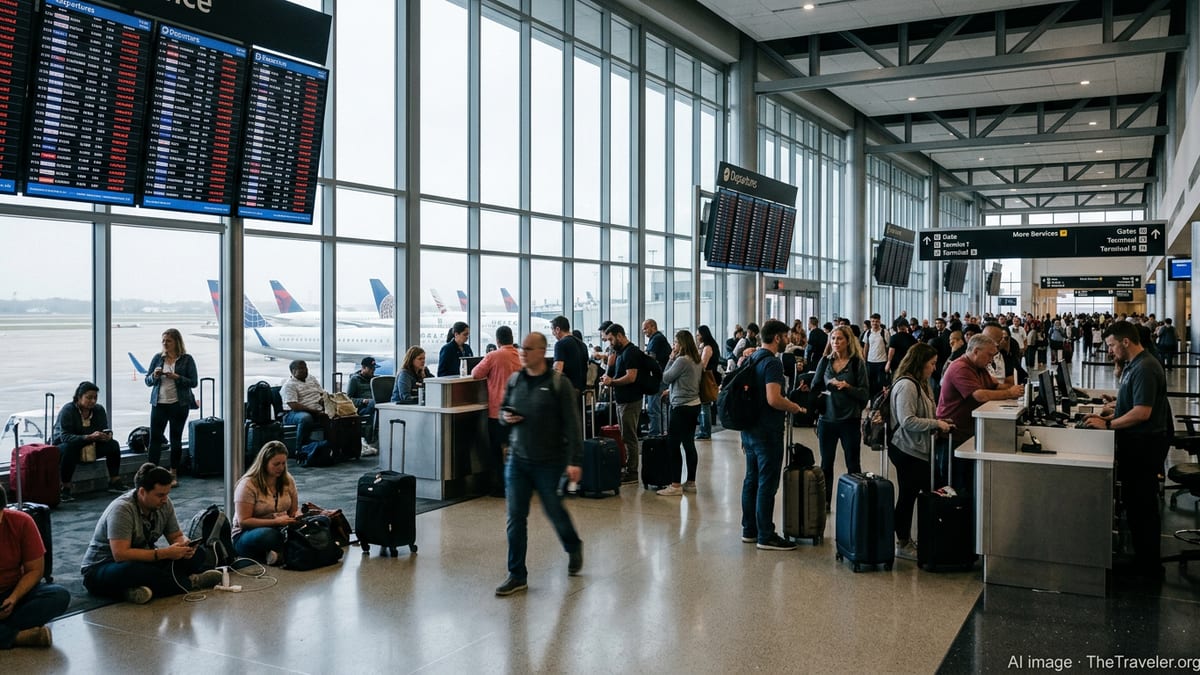
Disruptions Mount at Houston’s Two Major Airports
Houston’s role as a major domestic and international hub means any operational turbulence at its two primary airports, George Bush Intercontinental and William P. Hobby, is quickly felt well beyond Texas. Recent schedule data and traveler reports indicate an elevated number of flight cancellations and significant delays affecting both departing and arriving services.
At Bush Intercontinental, where a large share of the traffic involves connecting passengers, cancellations on key routes are creating knock-on effects across the network. Travelers report last-minute changes, diversions and overnight misconnects as airlines work to rebalance aircraft and crew. Hobby, which focuses more on domestic and regional traffic, is also seeing scrubbed flights and extended delays on popular routes.
The spike arrives during a period of already fragile airline operations, with crews and aircraft stretched by busy spring travel and earlier weather-related disruptions across North America. When a hub like Houston stumbles, the resulting disruption can quickly spread to secondary and even smaller airports nationwide.
Operational strain is compounded by tight turnaround times and complex crew scheduling rules. When earlier flights arrive late or are canceled, aircraft and flight crews are often left out of position for subsequent departures, forcing carriers to cancel additional flights to maintain safety and regulatory requirements.
Weather, Network Strain and Global Factors Behind the Spike
Several overlapping factors appear to be contributing to the spike in cancellations into and out of Houston. Recent storm systems across parts of the United States have led to widespread delays and airport ground stops, forcing aircraft to divert or hold and, in some cases, cancel altogether. Even when Houston’s skies remain clear, disruptive weather in other regions can trigger delays that ripple into the city’s tightly scheduled hub operations.
At the same time, airlines are still operating with relatively lean staffing and limited spare capacity after years of cost-cutting and fluctuating demand. Publicly available data and coverage highlight that many carriers continue to run schedules that leave little room for recovery when irregular operations occur. Once a few flights are disrupted, the lack of spare aircraft and reserve crews makes it harder to protect the rest of the day’s schedule.
International networks are also under pressure. Some long-haul services to Houston have seen intermittent cancellations or reduced frequencies linked to broader geopolitical and operational issues on specific routes. When a long-haul segment is removed from the schedule, hundreds of passengers can lose both their transoceanic flights and onward domestic connections through Houston, worsening the overall impact.
These dynamics are playing out at the same time that spring travel demand is trending higher, particularly around weekends and school holiday periods. With fuller aircraft and fewer empty seats, airlines have less flexibility to rebook disrupted travelers, extending the time many passengers spend waiting for an available alternative.
Nationwide and International Ripple Effects
The cancellations centered on Houston are not confined to Texas-based travelers. Because Bush Intercontinental in particular functions as a key connecting hub, disruptions there quickly spread across the domestic and international networks of the airlines that operate through it.
Passengers on routes that do not touch Houston directly can still experience delays and cancellations when their aircraft or crew are scheduled to operate earlier legs into or out of the city. A canceled Houston segment can remove an aircraft from subsequent flights elsewhere in the United States, leading to unexpected cancellations hundreds or even thousands of miles away.
Internationally, the fallout can be even more complex. When an inbound long-haul flight to Houston is delayed or canceled, travelers lose planned connections to dozens of domestic destinations, often requiring wholesale itinerary changes. Outbound disruptions from Houston to overseas hubs can similarly force travelers to reroute via other U.S. cities or rebook on different days.
These ripple effects mean that even travelers who are not monitoring conditions in Houston may find their journeys disrupted. As schedules adjust in real time, some flights are added, upgraded to larger aircraft, or retimed to cope with demand, while others vanish from departure boards with little notice.
What Travelers Can Do Right Now
For passengers scheduled to travel through Houston in the coming days, preparation and flexibility are critical. Publicly available information from airlines and airport status boards suggests that same-day conditions can change rapidly, so experts recommend checking flight status frequently, starting at least 24 hours before departure and again on the way to the airport.
Whenever possible, travelers with tight connections in Houston may want to consider earlier departures into the hub or selecting itineraries with longer layovers to provide a buffer against delays. Those with critical time-sensitive trips, such as international connections or important events, may want to evaluate alternative routings that avoid the most affected banks of flights.
Passengers whose flights are canceled or significantly delayed should review the specific policies of their airline regarding rebooking, refunds and accommodation. Many carriers provide options through their mobile apps and websites, which can be faster than waiting in airport lines or on the phone. Some credit cards and travel insurance products may also offer limited coverage for additional costs such as hotels and meals, although terms vary widely.
Travelers are also encouraged to build extra time into their airport experience in Houston, particularly during peak hours, since congestion at check-in, security and baggage claim can worsen when large numbers of disrupted passengers are moving through the terminals at once.
Outlook for the Days Ahead
Looking ahead, operational conditions at Houston’s airports will depend heavily on weather patterns, airline crew and aircraft availability, and the pace at which carriers can reset their networks. If major storm systems or other disruptions subside, schedules may stabilize gradually, although residual delays and isolated cancellations could continue as airlines work through backlogs.
Industry analysts note that hubs like Houston remain vulnerable to cascading disruptions whenever capacity is stretched and schedules are tightly packed. Even routine spring and summer weather can cause outsized impacts when there is little spare slack in the system to absorb irregular operations.
Travelers planning trips that connect through Houston over the next week are advised to monitor their reservations closely and to remain prepared for potential changes. While most flights are still operating, the current spike in cancellations serves as a reminder that conditions can shift quickly at major hubs, affecting journeys across the United States and beyond.
As airlines adjust schedules and demand remains strong, flexibility, real-time information and backup plans will remain essential tools for anyone relying on Houston as a gateway to the rest of the country or to international destinations.