

More news on this day
Travel across the United States faced fresh disruption today as operations at Houston George Bush Intercontinental Airport were hit by 287 delays and 20 cancelled flights, tangling schedules for United Airlines and regional partners CommuteAir, Mesa, SkyWest and others on busy routes to New York, Atlanta, San Francisco and additional hubs.
Get the latest news straight to your inbox!
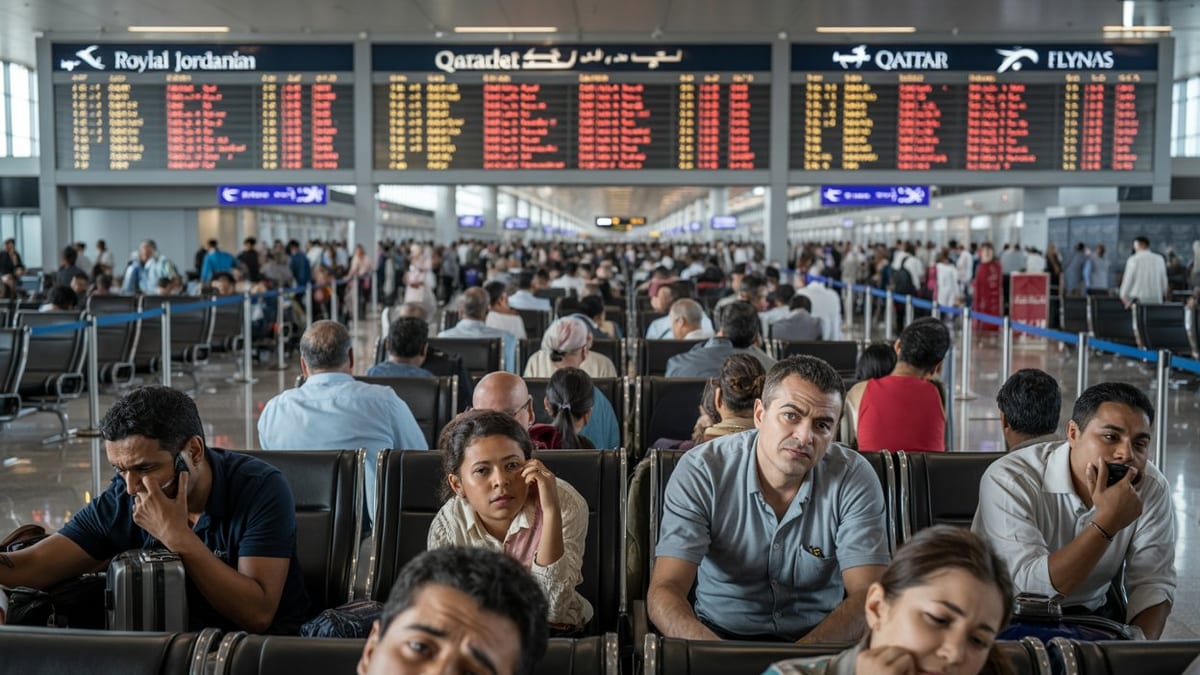
Severe Weather And Congestion Converge Over Houston
Publicly available information indicates that the latest disruption follows days of unsettled spring weather across Texas and the broader South, with thunderstorms and low visibility periodically slowing traffic into and out of Houston George Bush Intercontinental Airport. Recent local coverage described a ground delay program at the airport that extended into the evening as storms moved across the metro area, forcing departing aircraft to wait for improved conditions and incoming flights to be metered into available arrival slots.
Ground delay programs and temporary ground stops can quickly cascade into large numbers of late departures and arrivals. In this case, 287 delayed flights and 20 cancellations attributed to Houston connections translated into rolling schedule changes that were still being felt hours later across the national network. Aircraft and crews scheduled to continue from Houston to other cities were often out of position, forcing airlines to reshuffle rotations or cancel flights entirely.
The impact was felt most sharply at peak travel periods in the early morning and late afternoon, when large "banks" of connecting flights are designed to bring passengers through a hub in tightly timed waves. When those banks are disrupted by weather, even minor operational issues such as slow turnarounds or limited gate space can amplify the overall effect, pushing average delay times higher and increasing the risk of missed connections.
Travel and aviation tracking services show that Houston has been among several major U.S. airports experiencing elevated congestion and weather related interruptions in recent days, alongside other large hubs such as Dallas Fort Worth, Chicago O Hare and Atlanta Hartsfield Jackson. That broader pressure on the air traffic system makes it harder for airlines to recover quickly once a single airport experiences significant delays.
United And Regional Partners Bear The Brunt
United Airlines, which uses Houston as one of its primary connecting hubs, was the most exposed carrier in the latest disruption. Aggregated delay tallies for the day show United linked to a substantial share of the 287 delayed operations through Bush Intercontinental, reflecting the airline s heavy schedule from the airport to destinations across the United States.
Regional affiliates operating under the United Express brand also saw their operations affected. Publicly available breakdowns list CommuteAir, Mesa Airlines and SkyWest among the carriers experiencing knock on delays and cancellations tied to Houston. These operators typically fly smaller regional jets that connect passengers between Houston and mid sized or smaller cities, as well as on some shorter haul routes to larger hubs.
Because these regional flights often feed into longer domestic or international services, even a modest disruption on a short segment can force passengers to miss onward connections. As aircraft arrive late into Houston, turn times shorten and crews face duty time limits, making it difficult to keep the published schedule intact. In some cases, airlines will prioritize keeping long haul flights on time, which can result in additional reshuffling or cancellation of shorter regional legs.
Operational data for the current disruption period also shows that several other U.S. airlines, including major carriers such as American and Delta and low cost operators, have been managing elevated levels of delays and cancellations at their own hubs. That context suggests that while United and its partners were particularly hard hit around Houston today, pressure on the wider U.S. network has been building for several days.
Ripple Effects From New York To Atlanta And San Francisco
The Houston disruptions quickly spread beyond Texas, affecting travelers on routes across the country. Published coverage tracking same day performance highlights delays and cancellations on flights linking Bush Intercontinental with major markets including New York area airports, Atlanta, San Francisco and several Midwestern and Mountain West cities.
In New York, where airspace is among the most congested in the nation, additional schedule strain from delayed Houston connections further complicated already busy operations at LaGuardia, Newark Liberty and John F Kennedy. Even a small number of late arriving aircraft from Houston can disrupt gate availability and departure sequencing at those airports, leading to secondary delays for flights that are otherwise unaffected by Texas weather.
On the West Coast, San Francisco International Airport experienced a measurable uptick in delayed arrivals and departures linked to United and regional partner flights from Houston, according to aviation performance trackers. With both airports serving as major hubs, the disruption of transcontinental links between Houston and San Francisco reduced available connection options for passengers traveling onward to Asia, the Mountain West or smaller cities along the Pacific coast.
Atlanta, a critical crossroads for domestic travel, also reported schedule pressure as delayed Houston flights arrived late into already crowded afternoon and evening banks. Even though Atlanta is primarily associated with another large carrier, many passengers connect between United operated services and other airlines at the airport, meaning that irregular operations in Houston can spill over into itineraries across multiple networks.
Passengers Face Missed Connections And Overnight Stays
For travelers, the operational statistics at Bush Intercontinental translated into missed meetings, disrupted vacations and, in some cases, unplanned overnight stays. With 20 flights cancelled and hundreds more delayed, many passengers found their original itineraries no longer viable, especially those relying on tight connections through Houston to reach smaller regional airports.
Airlines generally attempt to rebook affected passengers on the next available flights, but when a hub experiences concentrated disruption over several hours, spare seats can quickly disappear. Reports from consumer travel outlets in recent months have noted that high load factors during peak travel periods leave limited capacity to absorb disrupted passengers, meaning travelers may have to wait until the next day for an open seat on certain routes.
Hotel availability near major hubs can also become strained during large disruption events, particularly when weather is involved and carrier obligations vary. Travelers who booked separate tickets on different airlines or who were flying on the final leg of a complex itinerary often face additional challenges arranging alternate transportation or securing compensation.
Airport operations teams, meanwhile, must manage crowded gate areas, longer lines at customer service counters and pressure on concessions and ground transport. When delays extend into late evening, local transit services and rideshare availability can become another pinch point for passengers finally reaching their destination city.
What The Latest Disruption Signals For Spring Travel
The turmoil at Houston Bush Intercontinental arrives as U.S. air travel moves into the busy spring period, a time when volatile weather and rising passenger numbers frequently collide. Data from federal transportation and security agencies shows that checkpoint volumes and scheduled flights have been trending above last year s levels, leaving the system with less slack to absorb irregular operations.
Aviation analysts cited in recent national coverage have noted that many carriers are operating tight schedules with limited spare aircraft and crew reserves. In that environment, a ground delay program at a key hub such as Houston can trigger nationwide consequences more quickly than in years when airlines maintained larger buffers. The 287 delays and 20 cancellations tied to Bush Intercontinental highlight how a local weather event can ripple across a web of interconnected routes.
The latest disruption may also renew discussion of infrastructure and air traffic control modernization in the United States. Several recent reports have pointed to the need for continued investment in navigation technology, staffing and airport capacity improvements to help handle peak demand, particularly as climate patterns bring more frequent severe weather events that can shut down or slow large hubs.
For travelers planning spring and early summer trips, the situation in Houston serves as another reminder to build flexibility into itineraries, allow extra connection time when routing through storm prone regions and stay alert to changing conditions. While airlines and airports continue working to restore normal operations, the day s statistics out of Bush Intercontinental underscore how quickly disruptions at a single hub can spread across the national grid of flights.