

More news on this day
Spring travel through Houston’s William P. Hobby Airport has turned into an ordeal for many passengers, as reports of hours long security lines, mass delays and scattered cancellations combine with unsettled weather to create a bumpy start to the busy season.
Get the latest news straight to your inbox!
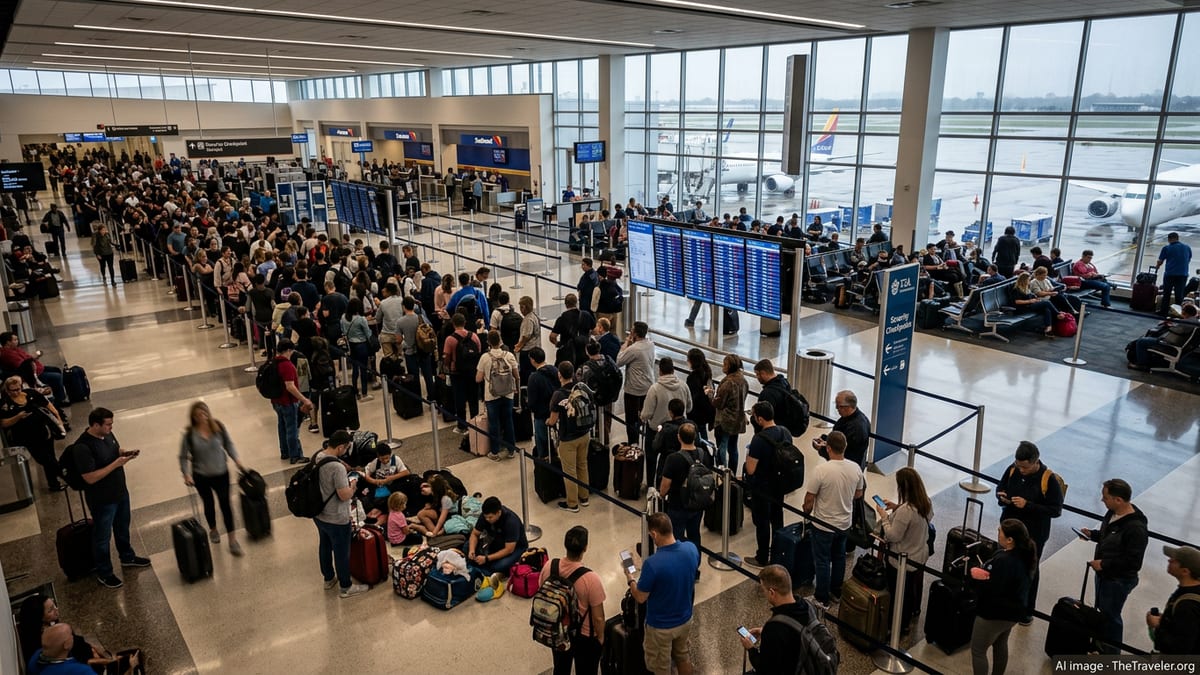
Long Lines, Missed Flights and Mounting Frustration
Travelers passing through William P. Hobby Airport over the past week have described scenes of gridlock at the security checkpoint, with wait times in the early morning reportedly stretching well beyond the typical 15 to 30 minutes. Social media posts and traveler forums depict snaking queues, crowded concourses and anxious passengers watching departure boards fill with yellow and red alerts.
Much of the disruption has been concentrated in the morning rush, when multiple departures on popular business and leisure routes are scheduled within tight windows. When security screening slows, even slightly, the effect can ripple quickly as boarding times are compressed or missed entirely, forcing some travelers to rebook later in the day or on different routings.
Compounding the situation, intermittent weather systems across Texas and the wider United States have prompted delays and cancellations that reverberate through the network of airlines operating at Hobby, particularly on routes linking Houston with storm affected hubs in the Midwest and Southeast. Each grounded or diverted flight adds pressure to an already strained schedule, leaving aircraft and crews out of position and reducing the margin for recovery.
The result is a travel experience that feels unpredictable for passengers, even those accustomed to building in extra time. Many are arriving significantly earlier than usual, only to find that security conditions and departure estimates can change multiple times before boarding.
Weather and Systemwide Strain Behind the Chaos
The turbulence at Hobby is not occurring in isolation. Recent winter and early spring storm systems across large portions of North America have led to thousands of flight cancellations and widespread delays, according to publicly available aviation and weather data. When these storms intersect with major connecting hubs, the impact spreads quickly to secondary airports like Hobby, where tight aircraft rotations leave little room for error.
In addition to weather, broader operational pressures continue to weigh on airlines and airports. Carriers are operating close to full capacity during peak periods, particularly on popular domestic routes served by Hobby. Any disruption, whether from storms, air traffic flow programs or equipment issues, can cascade rapidly when there are few spare aircraft or crews available to absorb the shock.
Hobby’s role as a key base for low cost and point to point carriers means its schedule is especially sensitive to these network shocks. Aircraft may operate several legs per day, so a delay or cancellation on an early segment can echo across multiple subsequent flights. Passengers booked later in the day may find their trips affected by a problem that began hundreds of miles away that same morning.
Travel industry analysts note that airports nationwide are still adjusting to shifting demand patterns and staffing realities in security screening, ground handling and airline operations. When those structural pressures intersect with active weather and busy travel periods, airports like Hobby can experience the kind of rolling disruption now troubling Houston travelers.
Impact on Houston Tourism and Local Economy
The timing of Hobby’s operational headaches is particularly sensitive for Houston’s tourism and convention economy. March typically marks a ramp up in leisure travel, with families heading to and from the Gulf Coast, visitors arriving for events and conferences, and a steady stream of business travelers moving through the city’s two main airports.
When flights are delayed or cancelled, the effects extend far beyond the terminal. Late arriving visitors may shorten their stays, miss ticketed events or reschedule trips altogether. Hotels can see same day cancellations or late check ins, restaurants and attractions lose expected foot traffic, and ground transportation services experience uneven peaks and troughs instead of predictable demand.
Historical passenger data already show that Hobby has at times struggled with on time performance relative to other major U.S. airports, which can influence how travelers and meeting planners think about routing future trips through Houston. Prolonged periods of irregular operations risk reinforcing a perception of unreliability that is difficult to reverse, particularly when competing destinations are campaigning aggressively for convention and leisure business.
Local tourism organizations and businesses are closely watching how quickly operations at Hobby stabilize. A return to more reliable schedules as spring progresses would help reassure both repeat visitors and first time travelers that Houston remains an accessible and convenient gateway, even during an unsettled weather season.
What Passengers Should Do Before Heading to Hobby
With conditions in flux, travel experts emphasize preparation and flexibility for anyone flying through Hobby in the coming days. Airlines and airport operators provide real time updates through mobile apps and digital displays, and passengers are encouraged to monitor both flight status and estimated security wait times frequently in the 24 hours before departure.
Arriving earlier than usual has become a practical necessity for many travelers, particularly for morning departures. For domestic flights, reaching the terminal a full two hours ahead of departure is now a conservative guideline at Hobby, with more time advisable during peak holidays, weekends or announced weather disruptions. International travelers connecting elsewhere should plan for even longer buffers.
Passengers are also advised to build contingencies into their broader plans. Those connecting to cruises, long distance rail or time sensitive events may want to schedule arrivals into Houston a day in advance rather than relying on tight same day connections. Flexible hotel bookings and travel insurance that covers delays and cancellations can help cushion the financial impact if schedules unravel.
Inside the terminal, checking gate information frequently, listening for announcements and keeping carry on items organized can reduce added stress if plans shift. Travelers with special assistance needs, families with small children and those unfamiliar with the airport layout may find it helpful to allow extra time simply to navigate crowded spaces comfortably.
Is Relief on the Horizon for Hobby Travelers?
Looking ahead, the outlook for passengers at Hobby will hinge on several variables: the trajectory of late season storms, the ability of airlines to rebalance schedules and crews, and how quickly security and ground operations can normalize during peak travel waves. If weather patterns settle and carriers are able to restore more predictable rotations, travelers could see a gradual return to shorter lines and fewer last minute cancellations.
At the same time, publicly available data and industry commentary suggest that demand for air travel remains strong heading into the spring and summer. That means Hobby is likely to stay busy, even if operational performance improves. For passengers, the most realistic expectation may be not a sudden end to disruption, but a slow easing of the most extreme pinch points as the airport and airlines adjust.
For now, the core advice remains consistent: plan ahead, arrive early, remain flexible and treat any trip through Hobby in the near term as subject to change. Travelers who give themselves room to absorb delays and who stay closely informed through official airline and airport channels will be best positioned to navigate the current turbulence with their plans largely intact.