

More news on this day
Houston’s William P. Hobby Airport is grappling with some of the most severe travel disruption of the spring break season, as long security lines, rolling delays and clusters of cancellations ripple through airline schedules and threaten to dampen the city’s crucial tourism period.
Get the latest news straight to your inbox!
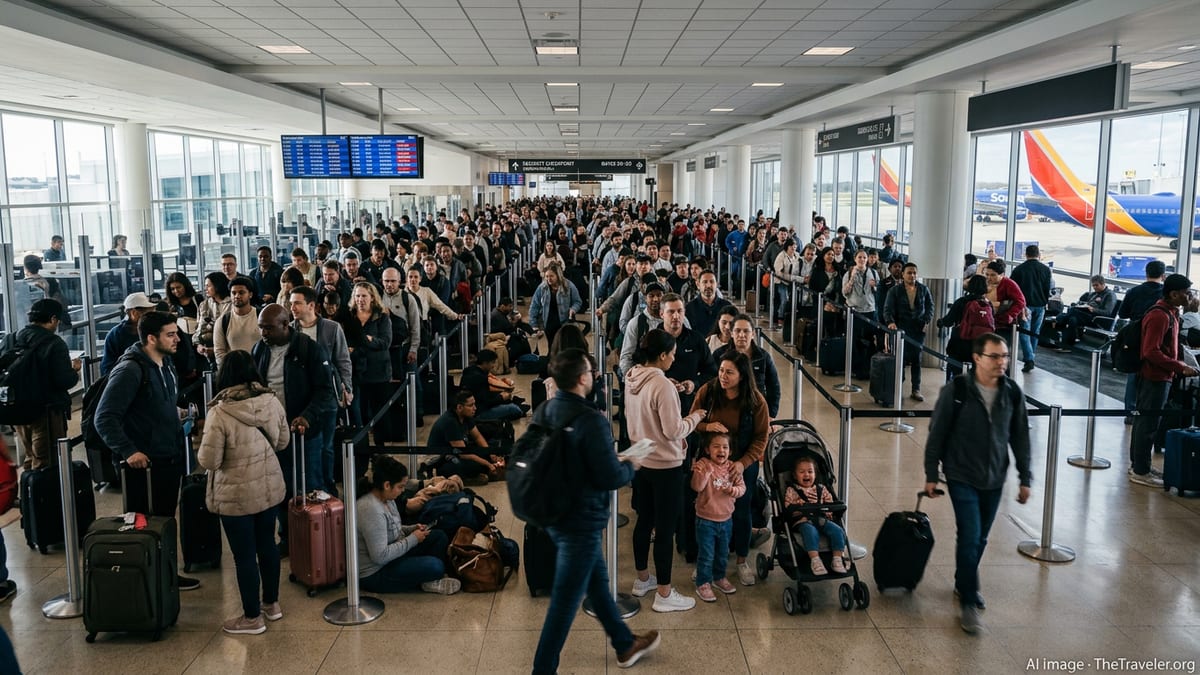
How a Perfect Storm Brought Hobby Airport to a Standstill
Publicly available coverage indicates that March 2026 has delivered a convergence of pressures at Hobby Airport just as spring break demand peaks. A partial federal government shutdown affecting the Department of Homeland Security has left large numbers of Transportation Security Administration employees working without pay, contributing to staffing shortages at screening checkpoints. At the same time, passenger volumes through Houston’s airports are running above last year’s already busy levels, with Houston’s airport system preparing for more than two million travelers over the core spring break window.
Reports from local broadcasters and travel outlets describe scenes of packed departure halls and security queues stretching deep into the terminal at Hobby. On several days during the week of March 9, standard TSA wait times at Hobby were reported at 90 minutes to more than three hours, while TSA PreCheck lanes remained comparatively fluid. Social media posts from passengers show lines winding past food courts and down concourses, with many travelers stating that they missed flights despite arriving more than two hours early.
The pressure on the system has at times been intensified by weather disturbances across Texas and the wider region. Thunderstorms earlier in March triggered temporary ground stops and cascading delays at both Hobby and Bush Intercontinental, creating a backlog of aircraft and crews that rippled across already tight schedules. As airlines attempted to recover, sporadic cancellations and rolling delays compounded the frustrations of passengers already stuck in security bottlenecks.
Cancellations and Delays: What Passengers Are Experiencing
While Hobby Airport has remained open, the disruption has translated into an unusually high number of missed departures, missed connections and same day rebookings. Flight status boards in recent days have shown banks of delayed departures, with clusters of cancellations concentrated around peak morning and midday periods when security queues have been longest. Regional flights to and from Texas and nearby leisure destinations have been especially vulnerable, as airlines shuffle aircraft and crews to protect longer haul services.
Travel reports indicate that the experience for passengers can vary dramatically by time of day. Early morning flights have seen some of the worst congestion, with travelers describing security lines that barely move for extended stretches. By late afternoon and evening, some days have seen wait times ease to more manageable levels, only to surge again the following morning as new shifts and staffing levels take effect.
At the gate level, delays are being driven not only by late arriving passengers but also by aircraft arriving behind schedule from other parts of the country facing similar staffing and weather challenges. In some cases, departures have waited on the tarmac for available slots in congested airspace, further compressing turnaround times. The net result is a level of unpredictability that has made it difficult for passengers to plan tight connections or schedule same day commitments at their destinations.
Industry commentary suggests that airlines operating out of Hobby are attempting to manage the disruption through voluntary travel waivers, limited schedule thinning and on the day rebooking. However, during peak spring break periods, available seats on alternative flights are often limited, leaving some travelers waiting many hours or even an extra day to depart.
Impact on Houston’s Tourism and Local Economy
The timing of Hobby’s operational difficulties is particularly sensitive for Houston’s tourism sector. Spring break is a pivotal period for the city’s hotels, restaurants, cultural attractions and events, as domestic leisure travelers flow through both Hobby and Bush Intercontinental on their way to cruises, Gulf Coast beaches, sporting events and city breaks. Any prolonged disruption risks weakening what is traditionally one of the most profitable stretches of the year.
Local tourism and economic data released prior to the current disruption show that Hobby is a key gateway for short haul domestic visitors, especially those flying low cost and point to point carriers. These travelers often spend one or two nights in the city before continuing on to nearby destinations, making them particularly sensitive to schedule reliability. When flights are delayed or canceled, many of these short trips are cut down or abandoned altogether, reducing spending on hotels, dining and attractions.
Travel industry analysis notes that widespread reports of three hour security lines and missed flights can have a chilling effect beyond the immediate period of disruption. Some visitors may choose to route future itineraries through Bush Intercontinental or competing airports in Texas if Hobby is perceived as less reliable, particularly while the federal funding dispute affecting TSA remains unresolved. For Houston, which has invested heavily in positioning itself as an easy access, visitor friendly destination, maintaining confidence in its airports is a strategic priority.
On the other hand, hospitality businesses in central Houston and near Hobby report that when flights are canceled late in the day, stranded passengers often seek last minute hotel rooms and meals, creating a short term bump in demand. Over time, however, most analysts view these gains as insufficient to offset the broader loss of visitor days and the reputational risk associated with prolonged airport disruption.
What Travelers Need to Do Now
Given the current conditions at Hobby, publicly available guidance from airport and airline advisories is converging around a few practical steps for anyone flying in or out of Houston in the coming days. The most consistent message is to arrive significantly earlier than usual. Hobby has urged passengers on peak spring break days to plan for arrival four to five hours before departure, especially for morning flights and for those checking bags or traveling with families.
Travel reports also highlight the importance of monitoring wait time information and flight status throughout the travel day. The Houston Airport System publishes security wait estimates, and several third party tools aggregate real time updates from passengers and official feeds. Checking these resources before leaving for the airport can help travelers decide whether to advance their departure time from home or adjust ground transportation plans.
Passengers are being encouraged to make full use of airline apps and digital communication channels to identify rebooking options quickly if they miss a flight or if their departure is canceled. Same day standby lists, alternate routings and nearby airport options may provide faster solutions than waiting for the next direct flight on an already crowded route. Travelers with flexible schedules may also consider shifting to off peak travel days or times when demand and wait times are lower.
For those eligible, enrolling in trusted traveler programs such as TSA PreCheck or using CLEAR where available can reduce the risk of being caught in the longest lines, although these programs do not fully insulate passengers when staffing shortages are severe. Packing light, using carry on baggage where possible and ensuring travel documents are ready before reaching the checkpoint can further streamline the screening process.
Short Term Turbulence, Long Term Questions
As of March 17, the situation at Hobby remains fluid. Reports from the past several days suggest that security wait times can swing from relatively modest to extreme within hours as staffing levels and passenger surges shift. Weather systems moving across Texas and other parts of the country continue to pose an additional risk of sudden ground stops and regional air traffic slowdowns that can quickly translate into new waves of delays and cancellations.
Travel analysts note that the current turbulence raises broader questions about the resilience of U.S. airport operations when federal workforce disruptions coincide with peak travel periods. Hobby’s experience this month, in which a local gateway with a heavy concentration of leisure traffic finds itself at the center of a national conversation about TSA staffing and government funding, illustrates how quickly stress in one part of the system can spill into the tourism economy of a major city.
For now, travelers planning to use Houston’s William P. Hobby Airport over the remainder of March should prepare for longer than normal processing times and a heightened risk of schedule changes. While conditions may ease if staffing stabilizes or travel volumes decline after the school holiday period, the recent wave of cancellations and delays has already underscored the value of building extra time and flexibility into any trip that depends on this busy Texas gateway.