

Alaska cruises combine classic cruising comforts with front-row access to glaciers, wildlife, and remote coastal towns. Understanding how itineraries, pricing, and shore excursions work in this region will help you choose the right ship, budget realistically, and make the most of every day in port.
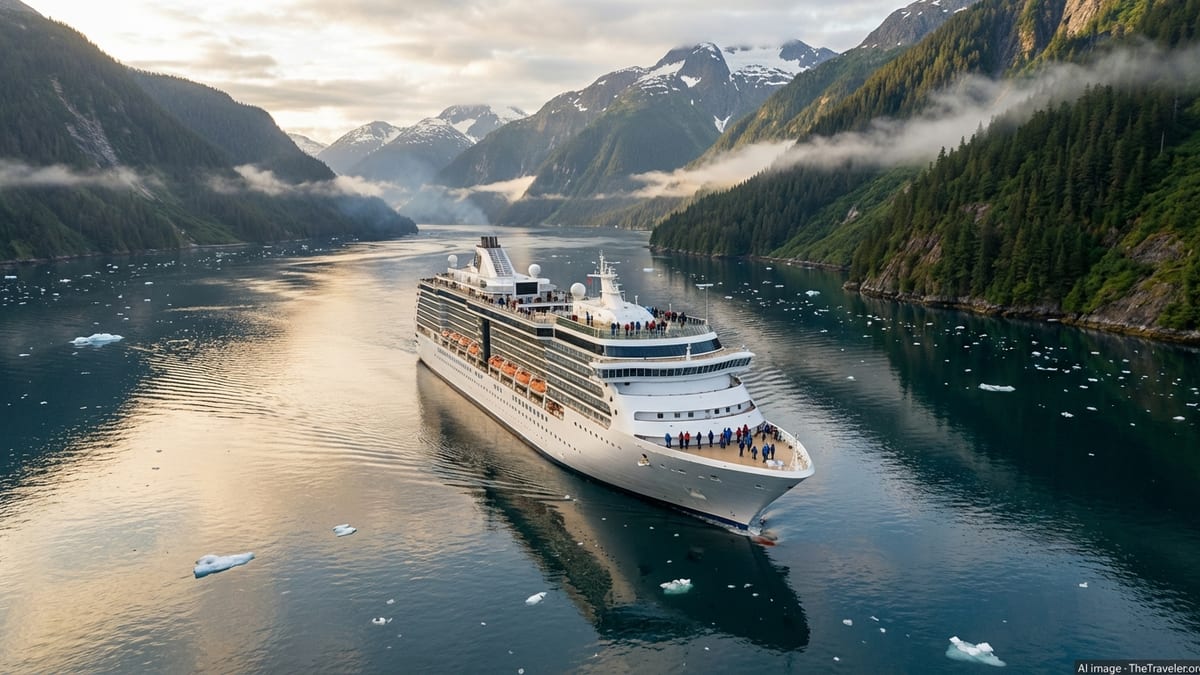
Alaska Cruise Season and Main Departure Ports
Most mainstream Alaska cruises operate on a short but intense season that typically runs from late April through September, with a limited number of sailings at the fringes in early spring and early fall. Within that window, conditions can vary markedly. Early and late season bring cooler temperatures and a higher chance of rain, but they can also mean quieter ports and better value. Peak months from June through August usually deliver longer daylight, more reliable wildlife viewing, and lusher scenery, along with higher prices and fuller ships.
Cruise lines use a handful of main homeports for Alaska. For North American travelers, Seattle is one of the most convenient options, with numerous roundtrip Inside Passage itineraries on large mainstream ships. Vancouver is another major gateway, especially for routes that include more scenic coastal cruising and one-way voyages. Farther north, Anchorage is accessed via the nearby ports of Whittier and Seward, which serve as turnaround points for so-called Gulf of Alaska cruises that link the Pacific Northwest with southcentral Alaska.
Choosing your departure port often comes down to flight options, passport rules, and the style of trip you want. Roundtrip Seattle cruises are logistically simple and generally focus on Southeast Alaska, while one-way itineraries between Vancouver and Whittier or Seward are ideal for combining a cruise with an inland tour to places such as Denali or the Kenai Peninsula. Each approach gives slightly different scenery and pacing, but all follow the rhythm of Alaska’s brief, high-impact summer season.
The short season and strong demand mean that sailings can fill quickly, especially during school holidays. Travelers who want specific cabin types, particular dates, or special itineraries with extra glacier viewing or remote ports often find it worthwhile to book many months, or even a year or more, in advance.
Key Alaska Itinerary Types and Typical Ports
Most Alaska cruises follow one of two broad patterns. Classic Inside Passage itineraries typically begin and end in the same port, often Seattle or Vancouver, and trace a loop through Southeast Alaska. These routes showcase narrow channels, forested islands, and a mix of popular ports such as Juneau, Ketchikan, and Skagway, with at least one day of glacier or fjord viewing. They tend to be seven nights long and are common on large mainstream ships that focus on a wide audience, including families and first-time cruisers.
The second major pattern is the Gulf of Alaska itinerary, often marketed under names like Voyage of the Glaciers. These are one-way sailings between Vancouver and a southcentral Alaska port such as Whittier, the gateway for Anchorage. In addition to Southeast ports like Juneau and Ketchikan, these itineraries typically include two distinct glacier viewing days in areas such as Glacier Bay National Park, Hubbard Glacier, or College Fjord. The one-way routing makes them well suited for pre- or post-cruise land packages that add time in Denali National Park or other inland destinations.
Regardless of pattern, most itineraries build around a handful of signature stops. Juneau, the state capital, is known for whale watching, visits to Mendenhall Glacier, and flightseeing. Skagway reflects Gold Rush history and is the starting point for scenic railway excursions into the mountains. Ketchikan mixes Indigenous cultural experiences with easy-access hiking and fishing. Sitka, Icy Strait Point, and smaller communities provide variations on wildlife, coastal scenery, and local culture. Many itineraries also spend a day cruising in a glacier area where the focus is on scenic viewing from the ship rather than going ashore.
Beyond these mainstream choices, small-ship operators offer more flexible routes along the Inside Passage or in areas such as Prince William Sound. These ships often visit tiny communities and quiet coves unreachable by large vessels. Their itineraries may emphasize kayaking, guided hikes, and extended time in wildlife-rich channels, trading the amenities of a resort-style ship for a more expedition-style experience. Travelers should be clear about whether they value onboard options like multiple restaurants and large theaters, or a more intimate ship that can linger in a remote bay.
How Long to Go and How Days at Sea Work
The most common Alaska cruise length is seven nights, which usually allows for three or four port days, at least one dedicated scenic cruising day, and one or two sea days. Shorter four- or five-night sailings exist but typically offer a trimmed-down version of the experience, with fewer ports and less time in glacier areas. On the other end of the spectrum, longer itineraries of ten nights or more, or back-to-back combinations of two seven-night routes, can expand your range to more remote regions and additional glacier viewpoints.
Days at sea in Alaska feel different from those in many warm-weather cruise regions. Even when you are not in a designated port or glacier area, the ship may be sailing through forested channels, past snow-capped peaks, or near feeding grounds for whales and seabirds. Many passengers treat sea days as prime wildlife watching opportunities, scanning from open decks or their balconies. Cruise lines typically schedule naturalist lectures, photography talks, and cultural presentations on these days so guests can learn more about what they are seeing from the rail.
Because much of the scenic splendor unfolds outside, even routine transits can become highlights. Early morning and late evening hours often provide dramatic light, especially in midsummer when daylight is long. Travelers who want to make the most of these periods may choose cabins with easy access to outdoor decks or invest in a balcony, knowing that a significant part of the value lies in being able to step outside quickly when whales or glaciers come into view.
Sea days also give you time to experience the ship itself. Larger vessels offer a wide range of restaurants, lounges, entertainment options, and wellness facilities, while smaller expedition ships tend to focus on lectures, briefings, and casual social spaces. How you like to spend your days at sea can influence which line and ship will suit you best for Alaska.
Understanding Alaska Cruise Pricing and What Affects It
Alaska cruise fares vary widely, and understanding the main drivers can help you compare options realistically. Published base fares for a typical seven-night sailing can range from hundreds of dollars per person on larger mainstream ships to several thousand dollars per person for small-ship or luxury expedition-style experiences. Cabin category matters greatly. Interior and oceanview cabins usually carry lower prices, while balcony cabins and suites cost more because they offer private viewing space in a scenic destination where time outdoors is a major part of the appeal.
Timing has a strong impact on pricing. Shoulder-season departures in May and September are often noticeably more affordable than peak midsummer sailings, reflecting cooler weather, fewer families traveling during school terms, and shorter days at either end of the season. Some later-season itineraries that edge into early October can undercut summer pricing even more, although the tradeoff is chillier temperatures and a higher chance of rougher seas. Travelers focused on value may find that aiming for early May or mid-to-late September offers a balance of reasonable weather and better fares, while those who prioritize warmth and long days should expect to pay more in June, July, and early August.
Beyond timing and cabin type, the cruise line’s positioning in the market matters. Premium and luxury brands usually include more in their base fares, from higher-end dining to enhanced service levels, and that is reflected in pricing. Expedition-focused small ships with fewer passengers can cost significantly more per person because they deliver a more intimate, highly guided experience with access to remote areas. By contrast, larger mainstream ships spread costs across many more guests and can offer lower price points, although onboard extras such as specialty dining, drinks packages, and some activities typically carry additional fees.
When building a budget, it is important to look beyond the headline fare. Taxes, port charges, and gratuities add noticeably to the bottom line, and travelers should also factor in airfare, pre- or post-cruise hotel nights, and transfers. Shore excursions can be a substantial line item, especially in Alaska where popular activities such as helicopter flights, small-boat whale watching, or guided fishing charters are high-value experiences with correspondingly higher price tags. Many travelers find that cruise fare is only part of the total cost and that a realistic budget provides room for the experiences that make Alaska feel unforgettable.
Budgeting for Shore Excursions and Day Tours
Shore excursions are central to how Alaska cruises work because they turn scenic ports into active experiences. In broad terms, travelers can expect to spend anywhere from modest amounts for basic sightseeing tours to several hundred dollars or more per person for premium adventures such as helicopter landings on glaciers or flightseeing over fjords. Some operators and travel planners suggest that a traveler who wants to sample several high-impact tours on a seven-night cruise might comfortably plan a four-figure excursion budget per person, though actual spending can be adjusted up or down depending on priorities.
Typical offerings include whale watching cruises in places such as Juneau and Icy Strait Point, railway excursions into the mountains from Skagway, floatplane tours to isolated fjords from Ketchikan, and guided hikes or kayaking in protected coves. Prices reflect the equipment, fuel, and staffing required in remote areas that have short operating seasons. As a result, headline per-person costs may appear high compared with more conventional sightseeing in urban destinations, but the experiences are often one-off opportunities that are difficult to replicate elsewhere.
Many cruise lines sell their own curated excursions, which carry the reassurance of being timed to the ship’s schedule and backed by guarantees that the ship will wait or arrange transportation if an official tour runs late. Independent local operators also offer tours that can sometimes be more flexible or differently priced. Travelers who book outside the cruise line need to pay close attention to departure times, meeting points, and cancellation policies, especially in a destination where weather can cause last-minute adjustments.
Because popular tours regularly sell out, booking early is sensible, particularly for limited-capacity activities like helicopter trips, small-boat wildlife tours, or intensive hiking excursions. At the same time, keeping one or two port days open for self-guided exploration can help preserve spontaneity. Many Alaska ports are walkable, with trails, local museums, and cultural centers accessible without formal tours, which is good news for travelers balancing standout splurges with low-cost or free activities.
Choosing the Right Ship and Cabin for Alaska
Selecting a ship for Alaska is partly a matter of taste and partly about how you plan to spend your time. Larger ships operated by major mainstream lines tend to offer many dining venues, entertainment options, children’s programs, and a wide range of cabin categories. They suit travelers who enjoy a resort-style environment and appreciate the economies of scale that can keep base fares relatively accessible. Smaller premium or expedition ships cater to guests who favor intimate spaces, more personalized service, and a schedule built around nature viewing and expert talks rather than large-scale shows.
Cabin choice is particularly important in a scenic region. Interior cabins are the most affordable and can be attractive to travelers who plan to spend most of their time on deck or in public areas, using the room primarily for sleeping. Oceanview cabins offer natural light and a view without the cost of a balcony, though the windows on some ships may be smaller or partially obstructed. Balconies are popular because they provide private, always-available viewing space, making it easy to step outside in comfort when wildlife appears or the ship approaches a glacier face.
Suites and higher-end categories add extra living space and often come with perks such as priority boarding, dedicated dining areas, and enhanced service. In Alaska, the additional square footage and upgraded balcony or verandah space can be appealing for travelers who expect to spend substantial time in their cabin watching the passing scenery. Families or groups may also find that a suite or a pair of connecting cabins creates a more comfortable base for a week or longer at sea.
When weighing options, it helps to think about personal habits. Travelers who are early risers and enthusiastic about photography may value a balcony and quick access to outdoor decks, while those who plan to be active in port and attend shows in the evenings might be content with an interior cabin and use the savings for excursions. There is no single right answer, but being honest about how you will actually use the space can prevent regret once you are on board.
Booking Strategies and When to Reserve
Because Alaska cruises operate in a compressed season and demand has been rising, booking strategies matter more than they might for some other destinations. Cruise lines often open Alaska itineraries 12 to 24 months ahead of sailing, and early bookings frequently capture the widest choice of cabins and departure dates. This is especially true for in-demand cabin types such as midship balconies, family staterooms, and accessible cabins, which can sell out quickly for popular weeks.
Seasonality affects not just the onboard experience but also airfare and pre-cruise hotel prices. Travelers who plan well ahead can sometimes combine early cruise fares with competitive flight options and secure rooms in busy gateway cities like Seattle, Vancouver, or Anchorage at better rates. Some cruise lines bundle air, hotel, and transfers into packages for added convenience, while independent travelers may prefer to assemble their own combinations using frequent flyer miles or loyalty points.
Promotions and sales occur throughout the year and can add value through onboard credits, included drinks packages, or discounted excursions. However, the most attractive offers may still favor those who already have a booking in place, as some lines allow guests to re-price or apply new promotions before final payment if conditions permit. Last-minute deals do exist, particularly in years when capacity outpaces demand in late August or September, but they are unpredictable and may come with limited cabin choice or higher airfares.
In addition to the cruise itself, travelers should aim to reserve key shore excursions early, especially marquee experiences like helicopter glacier landings, dog sledding, or small-boat wildlife tours that operate with limited seats. Booking these core activities as soon as excursion windows open helps avoid disappointment and makes it easier to structure free time in each port around the highlight experiences that matter most to you.
What to Expect Onboard and in Port
Life onboard an Alaska cruise blends classic cruise routines with a strong focus on the scenery outside. Daily schedules typically include talks by naturalists or local experts, demonstrations or tastings that highlight regional ingredients, and cultural performances that showcase Alaska Native traditions. The pace can be quieter than on some warm-weather itineraries, particularly in the evenings when many travelers choose to turn in earlier after long days in the fresh air and extended hours of daylight.
Dining on Alaska sailings often features local seafood such as salmon, halibut, and crab, alongside familiar international dishes. Some cruise lines highlight regional specialties or partner with local suppliers, while others offer themed menus and pop-up events featuring Alaskan flavors. Casual buffets, main dining rooms, and specialty restaurants cater to different moods and budgets, and passengers who know they want to sample premium venues frequently benefit from reserving times in advance.
In port, the tempo shifts. Turnaround is usually efficient but compressed, with ships typically docked for a half-day or full day depending on the itinerary. Passengers booked on shore excursions are guided ashore in groups, while independent explorers can usually walk directly into town or catch local shuttles. Weather is changeable, so dressing in adaptable layers, with waterproof outerwear and sturdy footwear, is essential for comfort whether you are on a pier, a forest trail, or a small sightseeing vessel.
Internet connectivity in Alaska can be more variable than on some other routes because ships sail through remote areas. Cruise lines offer Wi-Fi packages, but speeds may fluctuate and some travelers choose to disconnect during scenic cruising hours. In port, cellular coverage may be available depending on your provider and plan. Being prepared for occasional digital slowdowns helps set expectations and encourages travelers to focus on the views outside rather than the screen in front of them.
The Takeaway
Alaska cruises work best for travelers who understand the region’s rhythms and build their plans around them. The short season, the interplay of weather and wildlife, and the balance between time at sea and time ashore all shape what you will see and how much it will cost. Choosing between Inside Passage loops and Gulf of Alaska one-way routes, picking the right ship size and cabin type, and timing your trip for either value or maximum daylight are the foundational decisions.
Once those pieces are in place, the focus shifts to experiences. Shore excursions transform views into memories, whether through a quiet kayak paddle, a rail journey into the mountains, or a flight over crevassed ice. Budgeting realistically for these activities, and booking early where capacity is limited, allows you to say yes to the moments that matter most without constant cost calculations in the background.
Ultimately, an Alaska cruise is about immersion in landscapes that feel both grand and fragile. Snow-streaked peaks, calving glaciers, and sudden whale sightings become part of your daily routine. With thoughtful planning and clear expectations about itineraries, pricing, and excursions, you can step aboard with confidence and spend your days looking outward, not worrying about the logistics that brought you there.
FAQ
Q1. When is the best time of year to take an Alaska cruise?
The best time depends on your priorities. June through early August usually offers the warmest temperatures and longest days, while May and September often provide lower prices, fewer crowds, and a higher chance of cooler, wetter conditions.
Q2. How far in advance should I book an Alaska cruise?
Booking 12 to 18 months in advance is often helpful, especially if you want a specific ship, balcony cabin, or popular summer departure. Last-minute deals sometimes appear, but they can come with limited cabin choice and higher airfare.
Q3. Do I really need a balcony cabin for an Alaska cruise?
A balcony is not strictly necessary, but many travelers value the private outdoor space for wildlife watching and glacier viewing. If you are comfortable spending most scenic time on public decks, an interior or oceanview cabin can be a smart way to save.
Q4. How much should I budget for shore excursions in Alaska?
Budgets vary widely, but many travelers plan at least several hundred dollars per person for a seven-night cruise, and significantly more if they want multiple high-end experiences such as helicopter tours, flightseeing, or guided fishing trips.
Q5. Is it better to book excursions through the cruise line or independently?
Cruise line excursions are usually timed to the ship and come with added reassurance if something runs late. Independent operators can sometimes offer different experiences or pricing. If you book independently, allow extra time to return and confirm exact meeting locations and policies.
Q6. What should I pack for an Alaska cruise?
Pack layered clothing, including a waterproof jacket, warm hat, and gloves, along with sturdy walking shoes or light hiking boots. Even in summer, mornings and evenings can be chilly, especially near glaciers or on open decks.
Q7. Are Alaska cruises suitable for children and multigenerational groups?
Yes. Larger mainstream ships offer kids’ clubs, family cabins, and flexible dining, making them good choices for multigenerational trips. Activities such as whale watching, easy hikes, and wildlife viewing tend to appeal to a wide range of ages.
Q8. Will I see glaciers on every Alaska cruise?
Most itineraries include at least one day of glacier or fjord viewing, but the specific locations vary. When comparing cruises, check whether they feature areas such as Glacier Bay, Hubbard Glacier, or similar scenic highlights and note how much time is scheduled there.
Q9. Do I need a passport for an Alaska cruise?
Passport requirements depend on your itinerary and nationality. Many Alaska cruises depart from or visit Canadian ports, which usually means a valid passport is required for most travelers, even if the cruise begins and ends in the United States. Always confirm current entry rules before booking.
Q10. How rough are the seas on an Alaska cruise?
Conditions vary by route and weather. Inside Passage itineraries often sail in more sheltered waters, while Gulf of Alaska segments can be choppier. Modern ships have stabilizers, and many travelers experience only mild motion, but those prone to seasickness may wish to bring appropriate remedies.