

More news on this day
Far from crowded theme parks and beach resorts, some of the most influential stories in American tourism are unfolding on frozen trails in Alaska and in city parks where horses still share the streets with cars.
Get the latest news straight to your inbox!
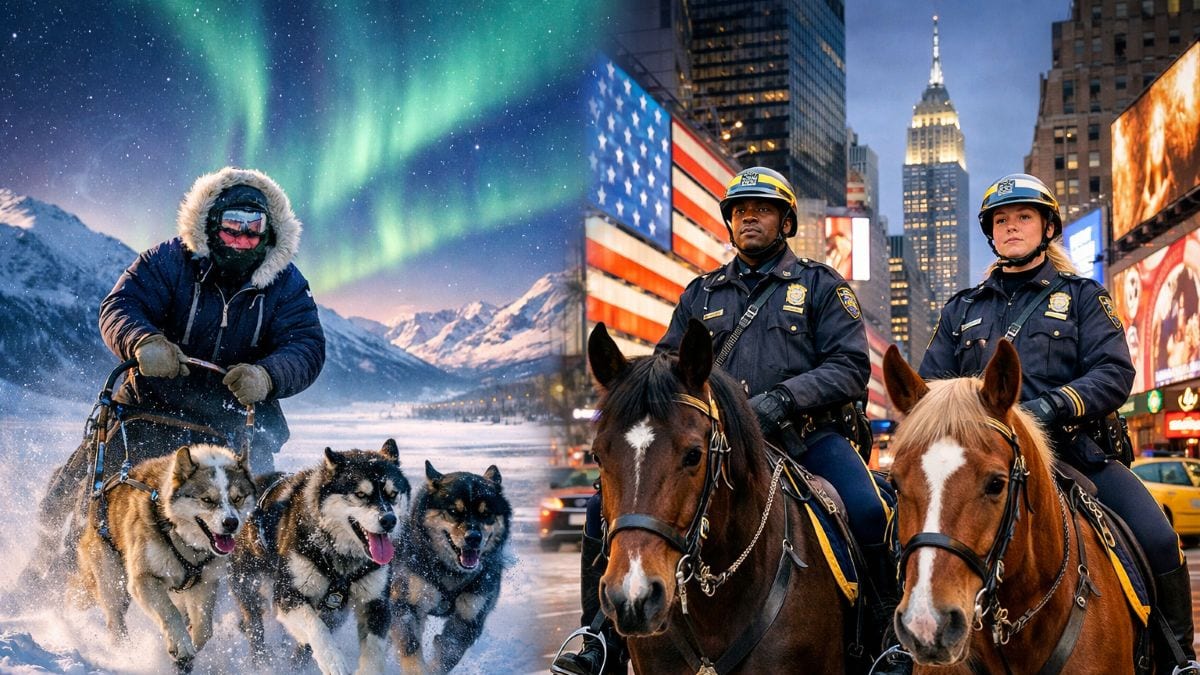
Image by Travel And Tour World
Alaska’s Frozen Race Becomes a Winter Tourism Anchor
The Iditarod Trail Sled Dog Race has long been billed as the “Last Great Race on Earth,” but recent seasons are underscoring its role as a tourism engine as much as an endurance test. The 2026 edition, which ran along the northern route from Anchorage to Nome in March, drew international competitors and a global audience, with 34 mushers from five nations registered to start. The race stretched more than 1,000 miles across remote Alaska, yet its economic footprint extended deep into hotels, restaurants and small businesses along the route.
Publicly available information from the race organization and destination reports indicates that communities on the historic Iditarod National Historic Trail now plan their winter around race-related visitor flows. Anchorage benefits from the ceremonial start, with downtown streets turned into a snow chute that fills hotels and bars, while the official restart in Willow attracts spectators who combine the event with winter recreation. Farther along the trail, smaller hubs such as McGrath and Unalakleet see spikes in charter flights, guiding work and seasonal employment tied to the movement of race volunteers, media and fans.
Federal land management reports for fiscal year 2025 show that the Iditarod corridor is increasingly marketed as a year round destination, with the race serving as a flagship story for snowmobiling, skiing and heritage travel. For tour operators, packaging the Iditarod as part of broader winter itineraries has become a way to extend the season between the December holiday peak and the spring aurora-watching rush.
Despite periodic debates about animal welfare and the cost of staging a remote event, recent coverage of the 2026 race highlighted a strong field and a repeat victory by reigning champion Jessie Holmes, developments that keep international attention fixed on Alaska in what is traditionally a quiet tourism month elsewhere in the United States.
Beyond Anchorage and Nome: Small Communities Chase Race Dividends
The economic story of Alaska’s frozen races is increasingly playing out off the main television feeds. Yukon Quest races and shorter regional sled dog events, some of which have shifted formats in response to funding pressures, still function as crucial magnets for winter visitors in communities with limited diversification. Race weekends often fill the few available hotel rooms and rentals, pushing visitors into neighboring towns and creating demand for guiding, dog kennel tours and cultural programming.
Annual impact reports compiled for Alaska’s travel industry describe how historic transportation corridors, including the Iditarod and related trails, anchor a broader narrative of remote adventure that resonates with international travelers. In the Kenai Mountains and Turnagain Arm corridor, for example, heritage trail stories tied to mail runs and supply routes are now embedded in interpretive programs and guided excursions. These experiences appeal to visitors who are less interested in racing itself than in understanding how sled dogs shaped settlement patterns and survival in the North.
Local tourism advocates point out that this niche travel segment brings relatively high spending compared with volume-driven cruise tourism. Guests who travel specifically for winter races often stay longer, book smaller, locally owned lodges and seek out add-on experiences such as snowmachine tours, backcountry skiing and cultural presentations. That pattern can spread spending across multiple communities instead of concentrating it in a single port call.
At the same time, the volatility of sponsorships, snow conditions and race formats keeps operators cautious. Public reports from community meetings in Nome and other hubs emphasize the need to diversify winter offerings so that economic gains do not vanish if a race stage is shortened or rerouted by weather or financial constraints.
Mounted Patrols Become Quiet Urban Tourism Ambassadors
Thousands of miles south of Alaska’s frozen trails, horses are shaping tourism in a different way. Mounted patrol units in cities such as Washington, New York and New Orleans have become part of the visual identity that visitors remember, even though their primary mandate is public safety. The United States Park Police Horse Mounted Patrol, one of the country’s oldest federal equestrian units, is a visible presence in high-profile destinations around the National Mall and other park sites.
Information from the Department of the Interior describes the mounted patrol as a kind of living landmark in crowded public spaces, where horses can move through areas that are difficult for vehicles to navigate. For travelers, the sight of officers on horseback has become a recurring motif in photos and social media posts from visits to monuments, protests and seasonal festivals. The same reports point to the unit’s role in visitor outreach, particularly for families and international tourists who may never have encountered working horses in an urban setting.
Local tourism bodies have learned to incorporate these mounted units into destination storytelling, even if indirectly. Washington’s promotional materials often feature images of horses near the Washington Monument or along tree-lined avenues, helping to frame the capital not only as a seat of government but also as a city of parks and promenades. In San Francisco and New York, park agencies publish profiles of volunteer-supported horse patrols that operate on trails and beaches, reinforcing a message that dense cities can still offer close contact with animals and open space.
The popularity of these patrols has spawned related visitor experiences, from behind the scenes barn visits during open houses to themed walking tours that explore how horses once dominated city streets. While such events remain modest compared with headline attractions, they add layers of authenticity that some visitors now actively seek out.
New Orleans and the Festival Economy of Mounted Units
Few places highlight the intersection of mounted patrols and tourism as clearly as New Orleans. The city’s police horses, stabled in a quiet corner of City Park, play a highly visible role during Mardi Gras parades and major festivals, when the French Quarter and surrounding neighborhoods swell with visitors. Historical coverage of the mounted division notes that its horses train extensively to handle dense crowds, flashing lights and loud music so they can operate amid the city’s largest street celebrations.
Equestrian media and local outlets frequently spotlight how the unit has turned public interest into fundraising and outreach opportunities. Annual events at the City Park stables invite residents and visitors to meet the horses, learn about their training and support their care through merchandise and donations. These functions have evolved into niche tourism draws in their own right, particularly for repeat visitors looking for experiences away from the main party routes.
City Park’s status as one of the country’s largest and most visited urban parks amplifies that effect. The park’s mix of art museum, botanical garden, amusement rides and vast green space provides a framework where horses are part of a broader leisure landscape. For families, a stop at the mounted unit’s facilities can sit alongside a visit to the sculpture garden or a picnic under the oaks, deepening engagement with the destination beyond the French Quarter’s bars and music clubs.
During Carnival season, photographs of horses lined up beneath live oaks or stationed along parade routes become part of the city’s global image. While the mounted division exists to manage crowds, its presence also reinforces New Orleans’ positioning as a place where tradition, spectacle and living history coexist in the streets.
From Historic Cavalry to Experiential Horse Tourism
Mounted patrols are not the only equestrian presence reshaping visitor experiences. Across the United States, a web of horse focused tourism products has grown up around historic battlefields, national parks and former cavalry posts, often blurring the line between heritage interpretation and adventure travel. In Pennsylvania, for example, operators based near Gettysburg National Military Park promote guided battlefield rides on horseback, marketed as a way to experience the terrain from a soldier’s perspective while supporting the care of rescued horses.
In the northern Plains, private outfits have built multi day programs that combine cavalry style horsemanship training with visits to historic sites connected to 19th century conflicts. Promotional materials for these experiences present them as immersive learning opportunities rather than traditional dude ranch stays, appealing to visitors who want both physical challenge and historical context. Participants spend days in the saddle practicing formations, camping in period inspired encampments and riding across landscapes that feature heavily in American history books.
National Park Service concession documents published this year show that horse based visitor services remain a structured component of recreation planning in several coastal and mountain parks. Operators are required to meet detailed standards for animal care, safety and interpretation, and their guided rides often serve as a gentle introduction to backcountry travel for visitors who might not hike long distances. For gateway communities, these saddle horse concessions can extend stays and broaden the appeal of shoulder seasons when hiking or river use is limited by weather.
As the broader outdoor recreation sector continues to grow, federal economic data released in March 2026 highlight that activities linked to nature based tourism contribute significantly to national output and employment. Within that picture, niche products such as sled dog races and horse mounted programs may represent relatively small slices, but they help destinations differentiate themselves in an increasingly competitive market for visitors’ time and attention.