

More news on this day
Australians are flying in greater numbers again, but new data suggests their enthusiasm for travel is tempered by frustration over high fares, crowded planes and persistent concerns about reliability and value.
Get the latest news straight to your inbox!
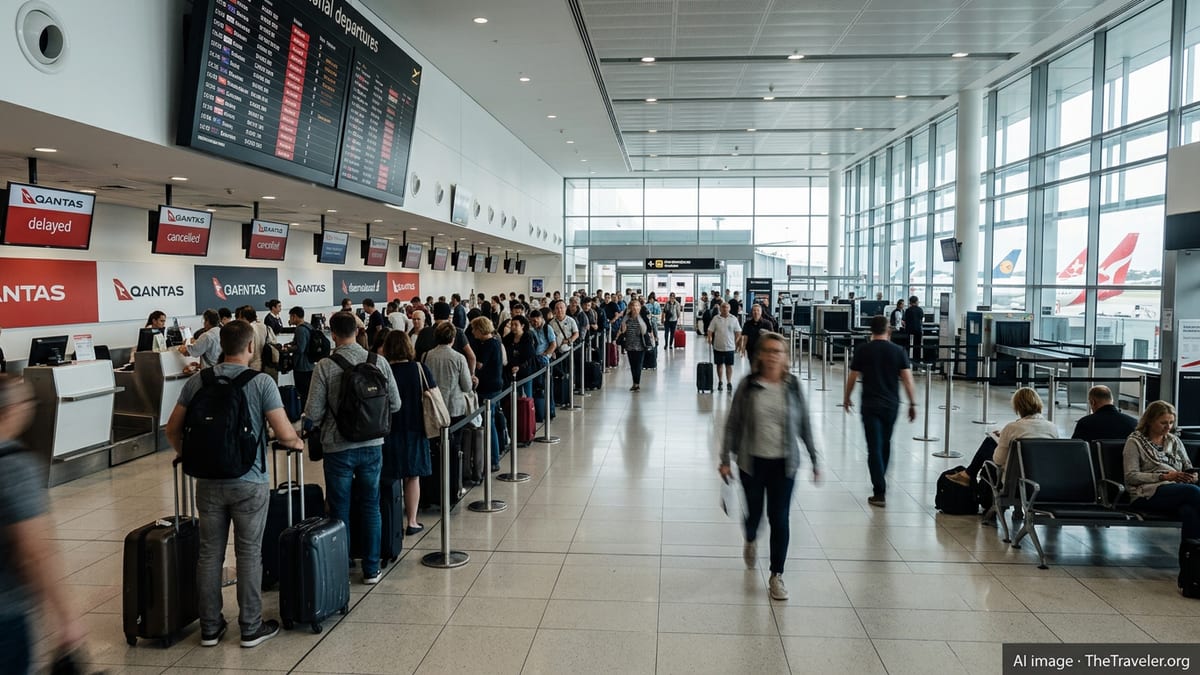
Stronger Demand Meets High Fares and Fuller Flights
Recent aviation and consumer reports indicate that demand for both domestic and international air travel in Australia has climbed steadily since 2023, with 2024 and early 2025 marking some of the strongest volumes since before the pandemic. Industry monitoring has shown that passenger numbers on key domestic routes grew faster than seat capacity through late 2024, resulting in flights that are frequently close to full and limited flexibility for travellers seeking cheaper or last-minute options.
At the same time, airfares remain a flashpoint in public debate. Regulatory and consumer analyses describe only modest easing in ticket prices compared with the sharp increases that followed pandemic-era disruptions, with many routes still well above 2019 levels. For leisure travellers in particular, these conditions have reinforced the perception that flying has become an expensive undertaking, even as many Australians continue to prioritise travel in their household budgets.
Despite cost pressures, broader travel-intention research suggests a resilient appetite to get away. Large-scale survey work published in 2025 points to rising plans for both domestic and overseas trips over the coming 12 months, even as overall consumer confidence lags. Analysts interpret this as evidence that Australians are choosing to cut back in other areas of spending rather than abandon travel altogether, underscoring the emotional importance of holidays and family visits.
Airlines, in turn, are benefiting from this robust demand, but the same conditions are shaping traveller attitudes in more critical ways. Fuller cabins, increased competition for cheaper seats and the perception of limited alternatives on major routes are contributing to a sense that the balance of power in the market still sits firmly with carriers rather than passengers.
Reliability, Delays and the Search for Accountability
Alongside price, punctuality and reliability have become defining issues for Australian flyers. Government and industry data released over the past year highlight that on-time performance across major domestic airlines has struggled to reach benchmarks seen in comparable markets, with more than one in four flights arriving late in 2024 and cancellation rates that remain elevated by pre-pandemic standards.
These figures have helped cement a narrative among travellers that delays and last-minute schedule changes are now a routine part of flying. The experience of missed connections, disrupted holidays and extended airport waits has progressively shifted expectations, with many passengers factoring in extra time or selecting earlier departures in anticipation of potential disruption.
Consumer advocates and transport analysts have drawn attention to the relatively limited compensation available to Australian passengers affected by delays and cancellations. While airlines offer various remedies through their own policies, public commentary on recent aviation reform packages notes the absence of a comprehensive statutory compensation scheme comparable to those in some overseas jurisdictions. This gap has become a focal point for debate about whether existing consumer protections adequately reflect the realities of modern air travel.
The tension between strong demand and these operational challenges is reshaping how travellers make choices. Surveys of customer satisfaction show that while many Australians continue to rate their overall flying experience as acceptable, tolerance for repeated disruption appears to be waning, particularly in light of sustained high fares and record profits in parts of the industry.
Loyalty, Value and Changing Airline Preferences
Frequent flyers in Australia have historically shown strong attachment to major national brands, but new data suggests these loyalties are being tested. Banking and consumer sentiment surveys tracking satisfaction across industries in 2024 show airlines sitting in the middle of the pack, with modest improvements over earlier pandemic years but little sign of a return to pre-crisis goodwill.
Travellers are increasingly describing their decisions in terms of concrete value rather than habit or brand affinity. Comparisons between full-service and low-cost carriers, for instance, are often framed around total trip cost, on-time performance and baggage policies rather than soft benefits such as in-flight meals or lounge access. Some surveys and market reports note a growing willingness to mix and match carriers on a single itinerary if it reduces risk or price, especially on domestic sectors.
The rise of fare-tracking tools and booking platforms has given Australians more visibility over pricing patterns, which in turn appears to be fuelling more opportunistic behaviour. Research produced by travel companies in late 2024 indicates that a significant share of Australians are ready to book holidays less than a month before departure, taking advantage of short-lived fare drops and shoulder-season discounts where possible.
At the same time, industry watchdog reporting shows that complaint volumes directed at major airlines remain elevated. Issues relating to refunds, credits and schedule changes continue to feature prominently, suggesting that many passengers feel the value promised at booking is not always matched by the experience delivered on the day of travel.
Safety, Risk Perception and Environmental Concerns
On safety, Australians generally continue to express high confidence in the technical standards of commercial aviation, with the country’s carriers and airports operating under stringent national regulation. However, new research into perceived travel risks points to shifting priorities. Surveys conducted ahead of the 2025 travel season rank flight disruptions, extreme weather and geopolitical instability among the top concerns for Australian travellers, ahead of many traditional safety worries.
The growing salience of climate and environmental issues is also beginning to influence attitudes to air travel, particularly among younger demographics. International survey work that includes Australian respondents shows that a substantial share of travellers are now aware of aviation’s carbon footprint and express interest in lower-impact options. Many, however, indicate that cost and convenience still outweigh environmental preferences when choosing flights, especially given the long distances involved in travel to and from Australia.
Airlines and airports have responded with a range of public sustainability commitments, including investments in more fuel-efficient aircraft, exploration of sustainable aviation fuels and targeted offset schemes. Reports from booking platforms suggest that features such as emissions estimates or “greener choice” badges are slowly gaining traction, although they remain secondary considerations for most Australians compared with schedule and price.
Nonetheless, the emergence of climate-conscious sentiment is beginning to shape public discussion around long-haul leisure trips and short domestic hops where alternative modes are feasible. Analysts note that as rail and coach options improve on specific corridors, some travellers may start to substitute away from short flights, particularly if environmental messaging and pricing incentives align.
Airport Experience and the Rise of Digital Planning
Beyond the aircraft cabin, Australians’ attitudes to air travel are being influenced by their time on the ground. Recent submissions and surveys related to the aviation sector report generally solid satisfaction with many aspects of the airport experience, from check-in and security to retail and amenities, although frustrations persist around peak-hour congestion and limited seating at some terminals.
Digital tools now frame much of the journey. Audience data from online measurement firms show that in the months leading up to peak holiday periods, tens of millions of visits flow to airline sites, travel apps and comparison platforms as Australians research and refine their plans. Airlines have invested heavily in mobile apps for check-in, boarding passes and disruption notifications, and many passengers now expect real-time updates as standard.
However, the same reliance on digital systems can amplify dissatisfaction when things go wrong. Travellers report irritation when rebooking options are not clearly displayed in apps during disruptions, or when customer-service channels are difficult to reach. The contrast between smooth digital processes on routine days and the perceived lack of support during irregular operations is contributing to more critical attitudes toward airline communication strategies.
Looking ahead, industry observers anticipate that Australians will continue to embrace air travel while being more demanding of both airlines and airports. Expectations are shifting toward a model in which reliability, transparent pricing and responsive communication are seen as non-negotiable elements of the flying experience, rather than added benefits.