

Churchill, Manitoba sits on the remote southwest shore of Hudson Bay, closer to the Arctic Circle than to most major cities. It is one of the world’s best places to see polar bears, beluga whales, and the northern lights, but that isolation comes at a cost. From high season tour packages that rival an African safari to more bare-bones independent stays, the price of a Churchill trip can surprise even seasoned travelers. Understanding where the money goes and which costs you can control is essential before you commit.
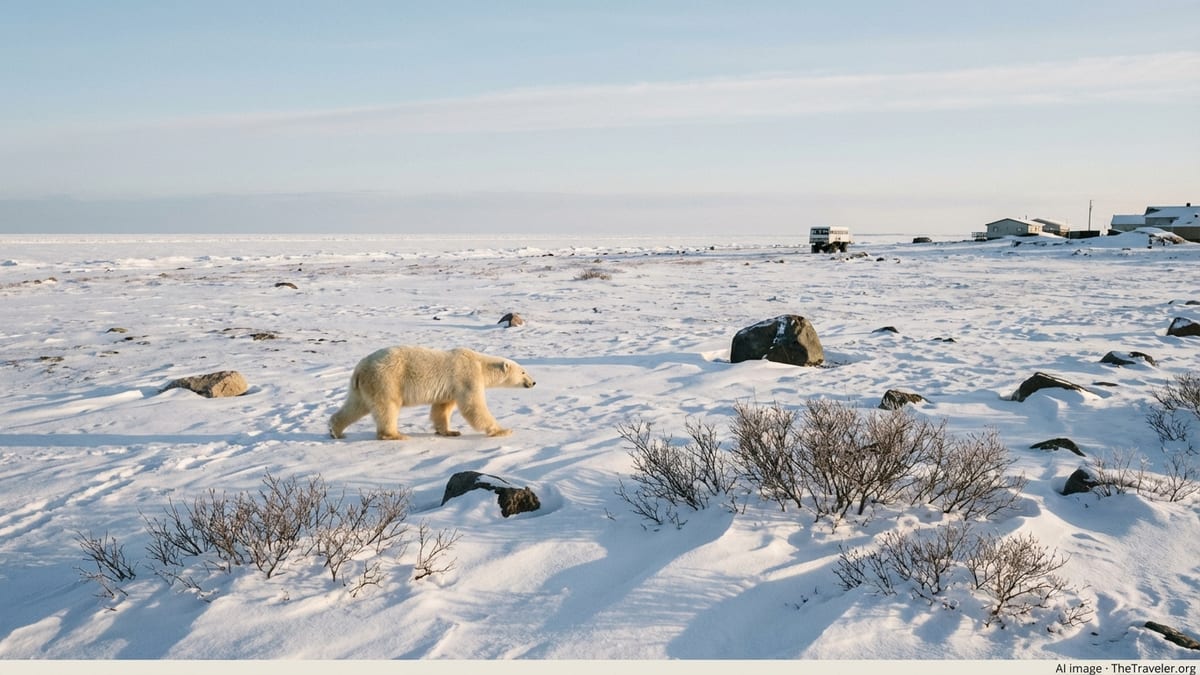
Why Churchill Is So Expensive
For many travelers, the first surprise about Churchill is not the wildlife but the price tag. Churchill has no road access to the rest of Manitoba, so everything and everyone arrives by plane, train, or barge. That lack of road infrastructure makes routine logistics, from stocking grocery store shelves to fueling tour vehicles, significantly more expensive than in southern Canada. Visitors effectively pay a premium for the privilege of reaching this subarctic outpost and operating in an environment where the basics cost more.
The town itself is small, with only a few hundred year-round residents and a short, intense visitor season in summer and autumn. That limited capacity, combined with global demand for polar bear sightings, constrains supply. Lodges, guides, and tundra vehicles can only serve a finite number of guests in a narrow seasonal window, and prices reflect that. In peak polar bear season, tour companies report selling out a year or more in advance, which reinforces higher per-person rates.
Churchill also has a dual tourism identity. On one end of the spectrum are multi-day lodge-based wildlife safaris that position travelers in remote coastal camps with gourmet meals and expert guides, with per-person prices similar to luxury safaris in Africa. On the other are more modest hotel stays in town paired with day trips on tundra vehicles or in small trucks. The spread between these experiences can be dramatic, from a few thousand Canadian dollars for a basic short visit to well into five figures for a premium all-inclusive package. Understanding where your expectations fall on that continuum is the first step in budgeting.
Finally, the subarctic climate adds cost in less obvious ways. Vehicles require constant maintenance, buildings demand heavy insulation and heating, and specialized gear is necessary for guides and guests. Operators factor in not just staff wages and fuel but also insurance, contingency planning for weather disruptions, and investments in safety. While not all of this is visible in a brochure, it contributes to daily rates that can feel steep when compared with adventures in more accessible destinations.
What Polar Bear and Wildlife Tours Really Cost
Polar bear tourism is the main draw for Churchill, and it is also the single biggest cost driver for most trips. Package rates for classic tundra vehicle based polar bear adventures in October and November often start in the high four figures per person. Operators that bundle several days on specialized tundra buggies with hotels in Churchill and guiding commonly list six day itineraries in the range of roughly 8,000 to 9,000 Canadian dollars per person before tax, based on double occupancy, with a single supplement that can add well over a thousand dollars to the bill. ([adventurecanada.com](https://www.adventurecanada.com/land-tour/classic-churchill-polar-bear-adventure/classic-churchill-polar-bear-adventure-2025?utm_source=openai))
More immersive or small group photographic trips push costs higher. Some week long polar bear photography workshops that include charter flights, multiple days of guided bear viewing, and lodging in town price out around 7,000 to 8,000 United States dollars per person. ([markbouldoukian.com](https://www.markbouldoukian.com/Workshops-/Polar-Bears-Workshop-2025-?utm_source=openai)) Small group size and intensive guiding are part of what you pay for. High end lodge based walking safaris on the Hudson Bay coast often start around 18,000 Canadian dollars per person for seven to eight days, including internal flights from Winnipeg and nights at upscale remote ecolodges. ([churchillwild.com](https://churchillwild.com/polar-bear-tours-safaris/?utm_source=openai)) These ultra premium programs cater to travelers who prioritize exclusive wildlife access, comfortable accommodations, and all inclusive service.
There are more moderate options, particularly if you are willing to skip the most luxurious lodges and instead base in Churchill town. Some operators offer multi day packages that include return flights between Winnipeg and Churchill, basic hotels, and multiple days on tundra vehicles or in trucks for wildlife viewing. Per person prices on these shorter trips generally fall somewhere between about 5,000 and 8,000 Canadian dollars for three to six days, depending on inclusions and the exact dates. ([churchillwild.com](https://churchillwild.com/how-to-plan-a-trip-to-churchill-manitoba-a-guide-for-wildlife-enthusiasts/?utm_source=openai)) Travelers can also book standalone day tours on tundra vehicles or smaller trucks once in Churchill, which can significantly cut costs if you handle your own transportation and lodging.
Independent travelers sometimes look for bare minimum experiences, such as a single day on a tundra buggy during shoulder seasons, which can be far cheaper than full polar bear packages. Discussion among residents and repeat visitors suggests that some summer season sightseeing days on tundra vehicles without bundled lodging or flights can be priced in the low hundreds of dollars per person, though these outings are less likely to focus on bears and more on general tundra scenery or other wildlife. ([reddit.com](https://www.reddit.com/r/Manitoba/comments/1dmrv8j/churchill_polar_bear_tour_recommendations/?utm_source=openai)) That lower price point comes with trade offs: fewer guaranteed sightings, fewer inclusions, and more planning on your part.
Lodging Prices in Churchill and at Remote Lodges
Accommodation costs vary widely depending on whether you stay in Churchill itself or at an outlying wilderness lodge. In town, options include small hotels, motels, and bed and breakfasts. While detailed, up to the minute rate tables are scarce, traveler reports and tour package breakdowns suggest that midrange hotel rooms in season often fall somewhere in the low to mid hundreds of Canadian dollars per night, with premium dates in late October and early November commanding higher prices. Packages that include Winnipeg pre and post nights often use full service airport or downtown hotels, where rates are comparable to other Canadian cities, then add more expensive Churchill nights on top. ([adventurecanada.com](https://www.adventurecanada.com/land-tour/classic-churchill-polar-bear-adventure/classic-churchill-polar-bear-adventure-2025?utm_source=openai))
The major cost jump comes with remote ecolodges on the Hudson Bay coast. These are typically accessible only by charter plane from Churchill and are designed to allow guests to walk with guides in polar bear country or watch wildlife from lodge windows. Operators price these experiences as fully inclusive safaris, and the nightly rate is embedded in the overall tour cost, which can exceed 18,000 Canadian dollars per person for a week. When broken down, that figure covers charter flights, guides, full board dining, specialized gear, and the capital cost of maintaining an off grid property in a harsh environment. ([churchillwild.com](https://churchillwild.com/polar-bear-tours-safaris/?utm_source=openai))
For travelers on a tighter budget, bed and breakfasts and simple guesthouses in Churchill provide a way to reduce accommodation spending. Some photography tours, for example, base guests in modest local inns rather than luxury lodges but still build a full slate of guided polar bear outings into the itinerary. One such trip notes that it includes multiple nights at an airport hotel in Winnipeg and a local bed and breakfast in Churchill while keeping the all inclusive cost below the very top tier of lodge safaris. ([scottstonephotography.com](https://www.scottstonephotography.com/scott-stone-photography-book-now/p/churchill-polar-bears-september?utm_source=openai)) These kinds of arrangements strike a compromise between cost and comfort.
Regardless of style, seasonal demand shapes pricing. Rooms that might be relatively modest in cost during the quieter shoulder months of late winter or early spring often rise sharply in October and November, when polar bear viewing is at its best and supply is constrained. Travelers who visit in summer primarily for belugas and wildflowers may find somewhat more manageable hotel rates, though flights and tours can still be expensive. Flexibility around timing remains one of the few levers visitors have to manage lodging budgets.
Getting There: Flights, Trains, and Transfers
Reaching Churchill is itself a major line item in any budget. Most international travelers route through Winnipeg, then connect onward. Many organized polar bear tours include the round trip flight between Winnipeg and Churchill in the package price, sometimes valuing that segment at a couple of thousand Canadian dollars per person. ([markbouldoukian.com](https://www.markbouldoukian.com/Workshops-/Polar-Bears-Workshop-2025-?utm_source=openai)) Independent visitors need to purchase this flight separately, and pricing fluctuates with season and demand, but it is typically far higher than a short hop of similar distance in southern Canada.
Some trips, particularly those marketed as fully escorted experiences, bundle not just the Winnipeg to Churchill leg but also domestic flights from select cities, advertising round trip transportation to Winnipeg and onward chartered flights in a single package price. ([globetreks.com](https://www.globetreks.com/polar-bears-2025?utm_source=openai)) These arrangements can simplify planning but do not necessarily guarantee the lowest airfare. Travelers who are comfortable booking their own flights may be able to find sales or loyalty fare options to get to Winnipeg, though the Churchill segment is less likely to have deep discounts due to the limited service and specialized nature of the route.
Rail remains an alternative, especially for travelers with flexible schedules and an interest in the journey itself. The train from southern Manitoba to Churchill is slower than flying and can be subject to weather and infrastructure related delays, but in some cases it can undercut the cost of peak season flights, particularly if booked early or with resident style passes. However, because many high end tour packages lock in flights as part of their value proposition, rail is more commonly used by independent travelers trying to keep costs down or extend their stay.
On arrival in Churchill, transfers add incremental but noticeable costs. Taxis shuttle passengers between the airport, train station, hotels, and tour departure points. Some package tours include all local transportation, while independent travelers will pay per ride or arrange pick ups directly with operators. None of these expenses rival the cost of the long distance journey, but in a destination where everything is imported and distances are amplified by the cold, even short transfers and baggage handling can feel more expensive than in urban centers.
Seasonal Differences: Polar Bears, Belugas, and Northern Lights
The timing of your visit to Churchill has a direct impact on what you see and how much you spend. The classic polar bear season, running roughly from early October into mid November, is when bears congregate near Hudson Bay waiting for the sea ice to form. Demand peaks during these weeks, and so do prices. This is when many of the highest priced tundra lodge experiences, premium photography tours, and multi day tundra vehicle packages operate. ([adventurecanada.com](https://www.adventurecanada.com/land-tour/classic-churchill-polar-bear-adventure/classic-churchill-polar-bear-adventure-2025?utm_source=openai))
Summer brings a different draw. In July and August, beluga whales gather by the thousands in the Churchill River estuary, and polar bears begin to return to shore after months on the ice. Beluga focused tours, often combined with opportunities to see bears along the coast, still command robust prices but can be slightly lower than the very peak autumn bear season. Some operators market combination beluga and bear trips of about a week that price in a similar range to winter northern lights tours rather than at the very top of the bear market. ([greatwhitebeartours.com](https://greatwhitebeartours.com/package-tours/?utm_source=openai))
From January through March, Churchill pivots toward aurora tourism. The town’s latitude and generally clear winter skies make it an excellent place to watch the northern lights. Multi day northern lights and culture programs, often seven days in length and including specialized viewing domes or heated facilities, are generally priced a bit below the most sought after polar bear lodge stays, but they are still a significant investment, frequently in the mid four figures in United States dollars or higher. ([greatwhitebeartours.com](https://greatwhitebeartours.com/package-tours/?utm_source=openai)) For some travelers, this season offers a more moderately priced way to experience Churchill, albeit without the iconic bear congregations of autumn.
Budget travelers sometimes ask whether shoulder season or single day tours offer genuine savings. The answer is nuanced. A one day tundra buggy excursion or truck based bear search can cost a fraction of a weeklong safari, particularly if scheduled outside of the absolute peak dates. However, there is always a trade off in terms of wildlife reliability and the intensity of the experience. In summer, for example, day tours on tundra vehicles can be more focused on scenery or birdlife, with fewer bear sightings, and travelers must weigh whether the lower price compensates for that reduced certainty. ([reddit.com](https://www.reddit.com/r/Manitoba/comments/1dmrv8j/churchill_polar_bear_tour_recommendations/?utm_source=openai))
How Much to Budget Per Day
Estimates from tour companies and recent itineraries suggest that a realistic daily budget in Churchill varies widely depending on travel style. For independent travelers piecing together their own trip, a basic framework might start with flights to and from Winnipeg, the onward journey to Churchill, midrange lodging, meals, and a small number of guided activities. Factoring in the premium pricing of the Winnipeg to Churchill leg and subarctic food and fuel costs, even a relatively frugal visitor might find daily outlays in the low hundreds of Canadian dollars while in town, excluding the cost of arrival and departure transport.
Once guided activities are added, the per day figure rises quickly. When you divide the total cost of a classic six day polar bear package that includes flights between Winnipeg and Churchill, several full days on tundra vehicles, and all meals by the number of nights, per person daily costs often land in the 1,500 to 2,000 Canadian dollar range or higher, especially once local taxes are included. ([adventurecanada.com](https://www.adventurecanada.com/land-tour/classic-churchill-polar-bear-adventure/classic-churchill-polar-bear-adventure-2025?utm_source=openai)) Premium lodge based experiences can easily exceed that threshold due to the expense of operating remote facilities. By contrast, some shorter photography workshops and beluga trips that base in town and leverage simpler accommodations can bring the daily all inclusive cost down somewhat, though still well above many mainstream vacation destinations.
These numbers help explain why some operators and local experts frame Churchill as a destination where even a “budget” trip tends to start around a few thousand Canadian dollars per person for just a few days. One planning guide aimed at wildlife travelers suggests that a rough framework for independent or lower tier packaged travel might run in the range of 2,000 to 4,000 Canadian dollars per person for a short stay, 5,000 to 8,000 for midrange multi day experiences, and 10,000 or more for high end lodge based safaris. ([churchillwild.com](https://churchillwild.com/how-to-plan-a-trip-to-churchill-manitoba-a-guide-for-wildlife-enthusiasts/?utm_source=openai)) Travelers should treat these figures as directional rather than fixed, but they underline the reality that Churchill is rarely an inexpensive trip.
Because many costs are bundled, breaking down an itinerary line by line can clarify value. Some packages appear expensive at first glance but include Winnipeg hotels, charter flights, heavy winter gear, and meals that would be costly to purchase separately. Others, particularly more bare bones offerings, quote an attractive base price but leave flights to Winnipeg, some meals, specialty gear, and gratuities up to the traveler. Comparing inclusions carefully is essential when estimating your true per day cost.
Where You Can Save and Where You Should Not
In a place where almost everything is expensive, it helps to distinguish between line items where you can economize and those where cutting corners is unwise. One of the most effective ways to save is by choosing timing strategically. Visiting slightly outside absolute peak dates, or opting for a beluga and bear summer trip instead of the most coveted autumn bear weeks, can shave costs without fundamentally altering the nature of the experience for some travelers. Flexibility with departure cities and travel dates when booking flights to Winnipeg can also help.
Lodging is another area where you can exercise some control. If you are comfortable with simpler accommodations and are willing to trade on site luxury for a town based hotel or bed and breakfast, you can reduce nightly rates significantly compared with a top tier wilderness lodge. Sharing rooms to avoid single supplements is a classic tactic on small group trips, and some operators explicitly allow solo guests to request same gender roommates to keep their per person rate at the double occupancy level. ([lazybearlodge.com](https://www.lazybearlodge.com/expeditions/ultimate-polar-bear-adventure?utm_source=openai)) For independent travelers, self catering some meals using groceries from local shops or hotel kitchenettes can help manage food costs, though selection is more limited and prices are higher than in southern cities.
On the other hand, cutting corners on safety and expertise is not advisable in polar bear country. Professional guides, properly maintained tundra vehicles, and operators with strong safety records and contingency plans are worth paying for. Low advertised prices that seem too good to be true should be treated with caution, especially if the operator’s credentials and insurance are unclear. Reliable companies also tend to invest in ethical wildlife practices, such as maintaining respectful distances from bears and avoiding disruptive behaviors, which can add to costs but are crucial for long term conservation.
Travel insurance is another cost that many travelers underestimate. Weather in Churchill can disrupt flights and tours, especially in late autumn and winter. Policies that cover trip interruption, evacuation, and medical care in remote regions add to the upfront cost but can protect you from far larger losses if conditions force changes. Some high end operators explicitly require proof of emergency medical and evacuation insurance as a condition of booking, which underscores how central risk management is to polar travel. ([nanpa.org](https://nanpa.org/eventcalendar/polar-bears-in-churchill-mb-regional-event-nov-6-11-2025/?utm_source=openai))
The Takeaway
Churchill is a destination where the line between once in a lifetime experience and financial overreach can feel thin. The combination of remote subarctic location, specialized wildlife infrastructure, and intense seasonal demand means that almost every component of a trip, from the flight north to a single day on a tundra buggy, carries a premium. While there are meaningful differences in price between town based hotel stays and remote luxury lodges, there is no true bargain basement version of Churchill that delivers the same intensity of polar bear encounters and northern wilderness immersion.
For travelers who have long dreamed of seeing polar bears in the wild, belugas swirling through icy water, or curtains of aurora over the tundra, the key is realistic budgeting and expectation setting. Start by deciding which season and wildlife focus matter most, then work backward from that to compare tour styles and inclusions. Be prepared for headline numbers in the multiple thousands of dollars per person and use those as a framework rather than a shock. If the cost is higher than you hoped, consider saving for a year or two longer rather than compromising on safety or the quality of guiding.
With thoughtful planning, many visitors find that the investment is justified by the depth of the experience. Standing on the edge of Hudson Bay while a polar bear pads across the snow or watching the northern lights dance above a frozen landscape is inherently expensive to orchestrate, yet its value is measured in more than dollars. By understanding the true costs of tours, lodging, and travel to Churchill in advance, you can choose the style of trip that fits both your budget and your dream, and arrive in the subarctic prepared rather than surprised.
FAQ
Q1. Is a trip to Churchill really worth the high cost?
For many travelers, Churchill is a genuine once in a lifetime wildlife experience, with reliable polar bear, beluga, or aurora viewing that is hard to replicate elsewhere. The costs are substantial, but travelers who prioritize these encounters and plan carefully often feel the expense is justified.
Q2. What is the cheapest way to see polar bears in Churchill?
The lowest cost approach is usually to arrange your own transport to Churchill, stay in modest town accommodations, and book a single day or short series of guided bear viewing outings, rather than a fully inclusive lodge safari. This still requires a meaningful budget but avoids the highest tier prices.
Q3. How far in advance should I book a Churchill polar bear tour?
Peak autumn polar bear trips can sell out a year or more in advance, especially for small group photography tours and remote lodges. If you want specific dates or a particular operator, planning 12 to 18 months ahead is wise, while shoulder season or aurora trips may offer a bit more flexibility.
Q4. Are there extra costs beyond the tour price I should plan for?
Yes. You should budget for flights to Winnipeg, potential overnight stays there, travel insurance, gratuities, personal gear, and any meals or activities not included in your package. Exchange rate shifts and local taxes can also add to what you ultimately pay.
Q5. Can I visit Churchill independently without a package tour?
It is possible to travel to Churchill on your own by booking flights or the train, arranging local lodging, and purchasing day tours separately. Independent travel can offer more flexibility and some savings, but you will need to manage logistics, safety considerations, and availability of tours yourself.
Q6. Which season offers the best value for money?
Value is subjective, but some travelers feel that summer beluga and bear trips or winter northern lights programs deliver strong experiences at slightly lower prices than the very peak autumn bear weeks. If your main goal is not a specific seasonal event, these periods can be a good compromise.
Q7. How much should I budget per person for a quality Churchill trip?
As a rough guide, many travelers find that a well planned multi day Churchill trip, including transport from Winnipeg, lodging, and guided activities, typically starts around a few thousand Canadian dollars per person and can easily reach or exceed 8,000 to 10,000 for premium experiences.
Q8. Do I need special clothing or gear, and is it included?
Churchill can be extremely cold, especially in late autumn and winter, so insulated boots, parkas, and windproof layers are essential. Some high end operators provide heavy outerwear as part of the package, while others expect guests to bring their own, so you should confirm gear policies when booking.
Q9. Are there ways to protect my investment if weather disrupts my trip?
Weather related delays are a real possibility in Churchill, so comprehensive travel insurance that covers trip interruption, missed connections, and emergency evacuation is strongly recommended. Reading policy details carefully and understanding your operator’s change and cancellation terms will help safeguard your budget.
Q10. Is tipping expected on Churchill tours?
Gratuity customs vary by operator, but tips for guides, drivers, and lodge staff are generally appreciated and sometimes suggested in pre-departure materials. Some premium packages include certain gratuities, while others leave tipping at your discretion, so it is wise to ask in advance and budget accordingly.