

Manitoba rarely tops lists of Canada’s most expensive destinations, and that can be good news for budget-conscious travelers. The prairie province offers a mix of city culture in Winnipeg, lake country escapes, and northern wilderness experiences, generally at lower prices than hot spots such as Vancouver or Toronto. Still, costs can add up if you are not prepared. Understanding what you are likely to spend on accommodation, food, transportation, and activities will help you decide whether Manitoba fits your budget and how to make the most of your visit.
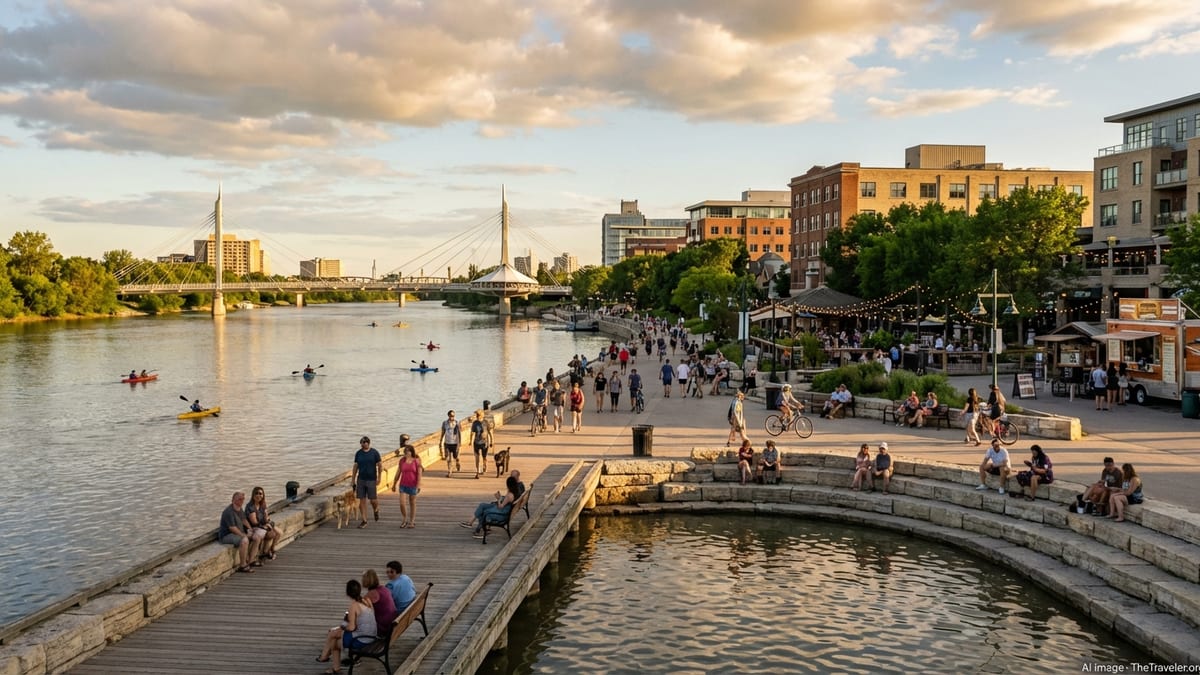
Manitoba At A Glance: Overall Affordability
Compared with many other Canadian provinces, Manitoba is considered relatively affordable for visitors. Hotel prices in Winnipeg, the main gateway city, tend to sit in a mid-range bracket, with recent averages suggesting typical nightly rates that are noticeably lower than those in Canada’s largest metropolitan areas. Outside the capital, lodging prices often dip further, particularly in smaller communities and basic motels along major highways.
Day-to-day expenses such as restaurant meals, groceries, and public transit are also moderate by Canadian standards. A casual sit-down meal in Winnipeg usually falls somewhere in the low-to-mid twenties in Canadian dollars per person, while a fast-food combo or quick takeaway meal often comes in closer to the low teens. Groceries for self-catering can keep your daily food budget reasonable, especially if you are traveling as a couple or family and can share bulk items.
Where costs rise is in specialized experiences and remote travel. Venturing to northern Manitoba for wildlife viewing, fly-in fishing, or aurora adventures involves higher transportation and tour prices than a city or lake weekend. However, many of the province’s signature outdoor experiences, such as visiting provincial parks, hiking, and enjoying free festivals, remain accessible for travelers who watch their spending.
For most visitors, Manitoba feels more “good value” than “cheap.” You are unlikely to encounter rock-bottom prices, but you can expect a comfortable experience at generally fair rates, especially if you plan ahead and travel outside major event weekends.
Accommodation Costs: From City Hotels To Lakeside Cabins
Accommodation is often the largest line item in a Manitoba travel budget. In Winnipeg, recent data from hotel price trackers indicates that an average hotel room typically lands a little above one hundred Canadian dollars per night, with simple two-star properties coming in lower and well-located three and four-star hotels climbing higher during busy periods. Peak seasons such as major sports events, summer festivals, or long weekends can push nightly rates toward the upper end of that range.
Travelers looking for good value in Winnipeg usually have several options. Chain hotels near the airport or along major routes tend to offer competitive rates, particularly outside peak summer travel. Downtown and boutique properties near attractions like The Forks or the Exchange District often cost more, but walking access to sights can reduce transportation costs. Booking midweek, looking for advance purchase deals, or considering slightly off-center neighborhoods can all help keep your nightly spend in check.
Outside Winnipeg, prices vary by region and season. In popular lake areas or cottage country, such as parts of eastern Manitoba or along major recreation lakes, you will find a spectrum from basic motels and small-town inns to vacation rentals and seasonal cabins. Nightly rates at simple motels can undercut Winnipeg averages, while full homes or cottages with multiple bedrooms may look expensive at first glance but become economical when costs are shared among a group or family.
Camping is an important part of the accommodation picture in Manitoba. Provincial park campgrounds typically charge modest nightly fees for basic, electric, or full-service sites, making camping one of the least expensive ways to stay, particularly if you already own or can borrow gear. Comfort camping options such as yurts and cabins in certain parks are priced higher than tent sites but still often undercut hotel costs, while providing a more sheltered experience for less seasoned campers.
Food And Drink: What You Will Spend On Eating In Manitoba
Food spending in Manitoba depends heavily on how often you dine out and the style of restaurants you choose. In Winnipeg, recent cost-of-living surveys suggest that an inexpensive restaurant meal commonly sits in the 20 to 25 Canadian dollar range per person before tip, while a three-course dinner for two at a mid-range restaurant often totals somewhere around the high double digits to low hundreds. These figures provide a helpful anchor for building a daily food budget.
Casual fast-food meals and takeout options are notably cheaper. Expect to pay around the low teens in Canadian dollars for a typical combo meal at a major fast-food chain, slightly more if you add specialty drinks or extras. Many neighborhoods also feature budget-friendly ethnic eateries where a filling plate can cost roughly what you would pay for fast food, but with more variety. If you prioritize these options, you can keep your daily dining costs relatively modest.
Coffee and drinks add up but are manageable. A regular cappuccino in Winnipeg commonly lands in the mid single digits in Canadian dollars, while a pint of domestic draft beer in a bar or casual restaurant typically runs in the mid-to-upper single digits. Cocktails and imported drinks cost more, especially at higher-end venues. Travelers who enjoy nightlife can easily double their daily food budget with bar tabs, while those who stick to water and occasional coffees can keep costs under firmer control.
Self-catering remains the most economical strategy for longer trips or family travel. Supermarket prices in Manitoba are comparable to other Canadian prairie cities: a loaf of bread, a dozen eggs, and basic produce items usually fall in an affordable range when bought at standard grocery chains instead of convenience stores. Stocking up on breakfast supplies and picnic lunches allows you to reserve restaurant spending for one main meal per day, an approach that can noticeably reduce your overall travel bill.
Getting Around: Transportation And Local Transit Costs
Transportation costs in Manitoba vary based on whether you stay in Winnipeg, explore by rental car, or join organized tours. Within the capital, public transit is a practical and relatively inexpensive option. As of 2026, Winnipeg Transit lists a standard adult cash fare in the mid three-dollar range per ride, with discounted rates for youth and seniors. Travelers who expect to ride frequently can load an electronic fare card and pay slightly less per trip, or they can purchase short-term e-passes that provide unlimited rides over 24 hours or several days at a bundled rate.
For visitors planning to move around the city often in a short time, an e-pass can be good value. A 24-hour pass costs roughly the same as several individual cash fares, so using transit for multiple journeys in a day quickly justifies the up-front cost. Longer passes, such as seven or 28-day options, make more sense for extended stays, digital nomads, or visitors combining work and travel. Children under a certain age can ride free with a paying adult, which lowers transportation costs for families.
Outside Winnipeg and Brandon, public transit options thin out, and a vehicle becomes more important. Rental car prices fluctuate with demand, vehicle type, and booking lead time, but are generally in line with rates elsewhere in Canada. Fuel costs in Manitoba tend to be moderate by national standards, and for typical city driving, some estimates peg average monthly fuel spending around the low hundreds in Canadian dollars for residents who drive regularly. Travelers on shorter trips will likely spend less, but it is wise to budget for longer distances if you plan to reach lakes, parks, or small communities.
Taxis and rideshare services are available in Winnipeg and limited other centers, with base fares and per-kilometer rates that reflect standard Canadian city pricing. For budget travelers, these are best reserved for late-night returns, airport transfers when luggage is heavy, or situations where transit connections are inconvenient. Cycling can be a low-cost supplement during warmer months, as Winnipeg and other communities have invested in bike lanes and trails, though distances and weather conditions must be considered.
Outdoor Adventures And Activities: Parks, Culture, And Wildlife
One of Manitoba’s biggest budget advantages is the sheer volume of low-cost and no-cost outdoor experiences on offer. Provincial communications currently note that entry to Manitoba’s provincial parks is free until the end of March 2026, removing what is often a standard day-use fee in other jurisdictions. This policy makes it especially appealing for travelers to base themselves in a nearby town and spend multiple days hiking, swimming, paddling, or simply relaxing on lakeshores without worrying about cumulative park entrance costs.
While entry may be free, camping and facility use are not. Provincial park camping fees vary by service level, with basic sites at the lower end, electric or water hookups at mid-level prices, and full-service sites at the top of the scale. Nightly rates remain quite competitive compared with private campgrounds in more touristy regions of Canada, making provincial park campgrounds a cost-effective base for multi-day stays. Group sites and seasonal camping options exist as well, though these tend to suit residents and long-term stays more than short-term visitors.
Cultural and urban activities in Winnipeg add variety to an itinerary. Major museums, historic sites, and galleries generally charge admission fees, with reduced prices for children, students, and seniors. Special exhibitions, interactive experiences, and guided tours may carry surcharges. Travelers focusing on arts and culture should plan a dedicated portion of the budget for entry fees and perhaps a few ticketed performances or concerts. However, seasonal festivals, public art walks, and many community events remain free or donation-based, especially in summer.
High-cost activities enter the picture when you consider remote or specialized adventures. Trips to northern Manitoba for polar bear viewing, beluga encounters, or backcountry expeditions involve higher transportation and guiding fees that can quickly exceed a thrifty city trip. These experiences are often once-in-a-lifetime and priced accordingly. Travelers should treat them as premium add-ons rather than baseline expectations and weigh them against a more modest itinerary of hiking, paddling rentals, and local tours available across southern and central Manitoba.
Building A Realistic Daily Budget For Manitoba
Estimating a daily budget for Manitoba begins with the big three categories: accommodation, food, and local transportation. A mid-range traveler staying in a standard hotel in Winnipeg, eating a mix of restaurant meals and simple self-catered options, and relying largely on transit can expect to spend a moderate amount per day, aligned with other mid-sized Canadian cities. Those who choose budget hotels or hostels, cook most of their own meals, and walk or use transit selectively can bring that figure down, while travelers at higher-end hotels who dine out frequently will push it upward.
For a broad sense of scale, imagine three rough styles of travel. A budget traveler might combine camping or hostels, groceries for most meals, and transit passes, focusing on free or low-cost attractions. A mid-range traveler could opt for central three-star hotels, one restaurant meal a day plus takeaway or groceries, and occasional paid attractions such as museum visits or organized day trips. A comfort-focused traveler might choose higher-rated hotels, dine out most evenings, use taxis more freely, and book guided excursions or premium experiences.
Seasonality plays a significant role. High summer and major festival periods in Winnipeg can nudge hotel prices up and make last-minute deals harder to find. Shoulder seasons in late spring and early fall often bring more forgiving rates and fewer crowds, along with decent weather for hiking and city exploration. Winter can yield lower hotel prices in some cases, but added costs for winter clothing, gear rental, or specialized tours need to be factored in, especially if you are not already prepared for cold conditions.
For families, economies of scale matter. Larger vacation rentals, campsite fees shared among multiple people, and grocery-based meal plans can make Manitoba an appealing choice for group travel. Entrance discounts for children and family passes at attractions help too. The key is to decide in advance where you want to allocate your splurge money, whether that is a standout restaurant meal, a night in a special lodge, or a memorable guided excursion, and then trim costs in less important categories.
Money-Saving Tips For Visiting Manitoba
There are several practical ways to manage your expenses while still enjoying a rich Manitoba experience. Booking accommodation early, especially for peak summer or event dates, gives you access to the widest range of price points. In Winnipeg, consider staying slightly outside the most central districts if transit connections are good, as nightly rates there can be lower without significantly increasing your travel time to major sights.
Meal planning plays an equally important role in controlling costs. Many hotels include basic breakfast offerings, which can offset one daily meal. Stocking up on snacks and simple lunch supplies at supermarkets or large-format stores helps avoid repeated small purchases at higher-priced convenience shops. Targeting independent cafes, casual diners, and food trucks rather than always choosing full-service restaurants can keep your food budget in a comfortable range.
Transportation savings come from smart ticket choices and route planning. In Winnipeg, using an e-pass rather than paying cash for every bus ride can shave the per-trip cost and simplify boarding. Pair transit with walking in compact neighborhoods such as The Forks and the Exchange District to reduce both transit and taxi use. For trips beyond the city, traveling with companions and splitting rental car costs can make driving more economical than buying multiple intercity tickets or tours.
Finally, take advantage of low-cost or free attractions. With provincial park entry currently free through March 2026, travelers can enjoy multiple days of hiking, beach time, and scenic drives without daily entrance fees. City parks, river walks, self-guided heritage tours, and open-air festivals round out an itinerary without straining your wallet. Combining these with a small number of paid marquee experiences creates a trip that feels rewarding but still aligns with a sensible budget.
The Takeaway
Manitoba occupies a sweet spot in Canada’s travel landscape: not a rock-bottom budget destination, but generally more affordable than many of the country’s best-known urban centers and resort areas. Travelers who understand the typical costs of accommodation, food, transportation, and activities will find it easier to match the province to their expectations and design a trip that feels both enjoyable and financially comfortable.
In Winnipeg, average hotel rates, moderate restaurant prices, and a straightforward transit system support a city break that does not have to be overly expensive, especially for visitors willing to mix self-catering with eating out. Beyond the capital, provincial parks, lakeside communities, and small towns offer attractive lodging at a range of price points, with camping and comfort camping providing some of the lowest-cost overnight options.
Perhaps Manitoba’s biggest financial advantage lies in its wealth of accessible outdoor spaces and free or low-cost cultural experiences. With provincial park entry currently free and many festivals and community events open to the public, travelers can fill their days with memorable activities without constantly reaching for their wallets. By planning ahead, choosing where to splurge, and taking advantage of these built-in values, you can experience the best of Manitoba without overspending.
FAQ
Q1. Is Manitoba an expensive place to visit compared with other Canadian provinces?
Manitoba is generally mid-range in cost. It is often cheaper than major hubs like Vancouver or Toronto, especially for accommodation and day-to-day expenses, but it is not a rock-bottom budget destination.
Q2. How much should I budget per day for a trip to Winnipeg?
A typical mid-range traveler might plan for a moderate daily budget that covers a standard hotel room, meals at casual restaurants plus some groceries, local transit fares, and a paid attraction or two. Budget travelers who camp or use hostels and cook most meals can spend less, while those staying in upscale hotels and dining out frequently will spend more.
Q3. Are hotels in Manitoba affordable?
Hotel prices in Winnipeg usually sit in a reasonable mid-range compared with other Canadian cities, and smaller communities can be cheaper. Rates rise during peak seasons and event weekends, so booking early and being flexible with location often leads to better deals.
Q4. Can I save money by camping in Manitoba?
Yes. Provincial park campgrounds generally offer lower nightly costs than hotels, especially for basic sites. While you must still pay camping fees, the overall cost per night is often significantly less, particularly if you already have camping gear.
Q5. How expensive is eating out in Manitoba?
In Winnipeg, a casual restaurant meal typically costs in the low-to-mid twenties in Canadian dollars per person, while a mid-range three-course dinner for two can reach the high double digits or low hundreds. Fast food and budget eateries are cheaper, and self-catering with groceries reduces overall food costs.
Q6. What does public transportation cost in Winnipeg?
As of 2026, a standard adult cash bus fare in Winnipeg is in the mid three-dollar range per ride, with slightly lower prices when using stored-value electronic fares. Short-term e-passes provide unlimited travel for 24 hours or several days and can be economical for visitors who ride frequently.
Q7. Are Manitoba’s provincial parks really free to enter?
Current provincial information indicates that park entry fees are waived until the end of March 2026, meaning you do not need a vehicle entry permit during that period. Camping and other services still carry fees, and policies may change in future, so check details before traveling.
Q8. Is renting a car necessary in Manitoba?
In Winnipeg, you can rely on public transit, walking, and occasional taxis or rideshares, especially if you stay centrally. To explore lakes, small towns, or rural areas, renting a car becomes more practical, and sharing a vehicle with travel companions helps spread the cost.
Q9. When is the cheapest time of year to visit Manitoba?
Shoulder seasons in late spring and early fall often bring more moderate accommodation prices than peak summer, with fewer event-related surges. Winter can also offer lower hotel rates, though visitors should budget for appropriate clothing, gear, and any specialized cold-weather activities.
Q10. What are some easy ways to keep costs down while traveling in Manitoba?
Booking accommodation early, using transit passes, mixing restaurant meals with groceries, choosing budget-friendly eateries, and focusing on free or low-cost activities such as parks, walking tours, and festivals are all effective strategies for keeping expenses under control.