

Remote, wild and steeped in Arctic mythology, Canada’s Hudson Bay exerts a powerful pull on travelers. But its location on the edge of the subarctic also makes it one of the most logistically complicated and expensive regions in North America to visit. From hard-to-reach towns like Churchill to high-demand polar bear and beluga tours, expenses add up rapidly. Understanding where the money goes is the first step in deciding whether a Hudson Bay adventure fits your budget, and in shaping an itinerary that delivers maximum experience for the cost.
Why Hudson Bay Is So Expensive To Visit
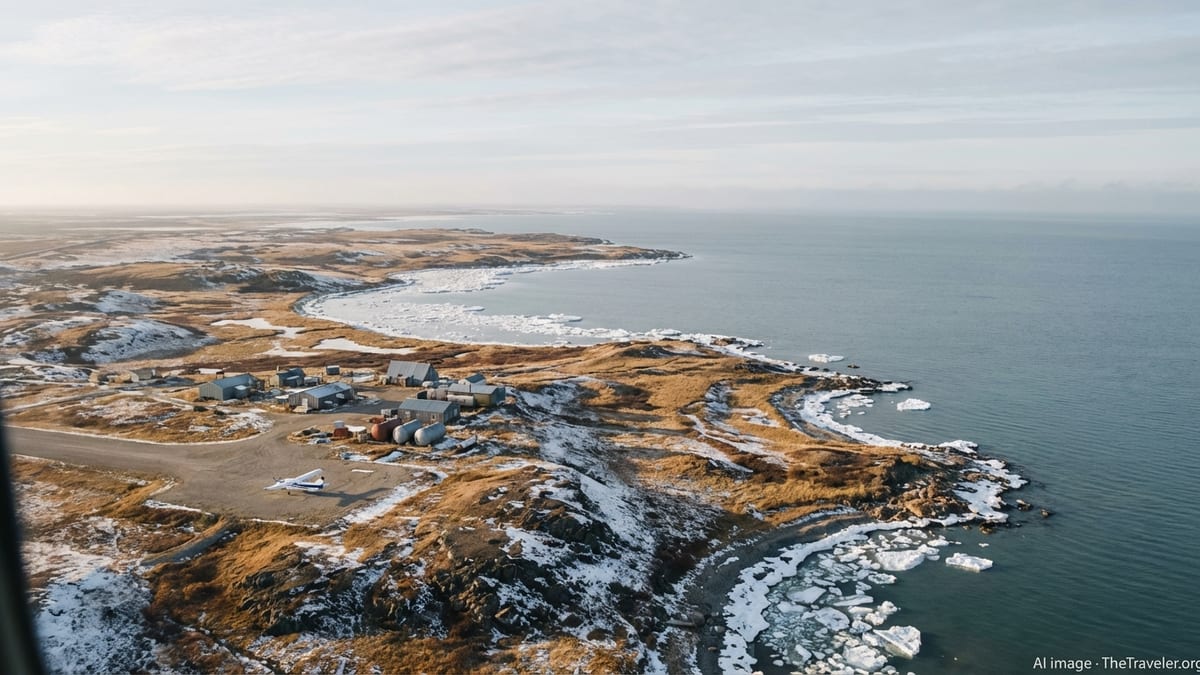
Hudson Bay covers a vast area of northern Canada, fringed by small communities in Manitoba, Nunavut, Quebec and Ontario. Places like Churchill on the western shore and coastal villages in Nunavut are true frontier outposts, with no road access and limited infrastructure. Everything from food to fuel to building materials must arrive by air, rail or seasonal ship. Those supply realities are a key driver of travel prices for visitors.
There is also strong global demand for a very short polar bear viewing season and a beluga whale season that lasts only a few summer weeks. Tour operators must compress their entire prime business into a narrow window, then maintain equipment and staff year-round. As a result, prices for packaged safaris, tundra buggy excursions and specialized photography tours reflect limited capacity and the high cost of operating in extreme conditions.
For most international travelers, the journey begins with a flight to Winnipeg or occasionally Montreal, then a second stage by air or rail toward the bay. Each transfer adds cost. Once you arrive, accommodation choices are fewer and more expensive than in southern Canada, while guided excursions are often essential both for safety and for meaningful wildlife viewing. All of this makes Hudson Bay more comparable in price to once-in-a-lifetime safari destinations than to a typical domestic getaway.
That said, there is a range. Budget-conscious visitors who are flexible on dates, willing to travel by train and content with modest lodgings can experience Hudson Bay for far less than those booking all-inclusive luxury ecolodge packages. Understanding this spectrum will help you align expectations, budget and style of travel.
Getting There: Flights, Trains and Transfers
For most visitors, reaching Hudson Bay begins in Winnipeg, the main gateway to Churchill and the western shore. Return flights between Winnipeg and Churchill are often priced in the mid to high three figures in Canadian dollars when bought separately, and on busy polar bear season dates they can climb toward the low four-figure range per person. Some tour packages bundle these flights into their pricing, while others require you to book independently, so it is important to check what is and is not included when comparing offers.
An alternative for those with more time than money is the train. Via Rail operates the long, two-night route from Winnipeg to Churchill, and some tour companies use the train for one direction of travel while flying the other. Fully independent travelers who book directly can sometimes save compared with last-minute flights, especially outside the very peak bear-viewing weeks in late October and November. However, the long journey means you should factor in extra nights of accommodation and meals along the way, which can eat into the savings.
On the eastern side of Hudson Bay in Nunavut and northern Quebec, access is even more tightly tied to expensive regional flights on small aircraft. Schedules are less frequent than to Churchill, which reduces flexibility and can push up fares. Travelers heading for remote ecolodges or Inuit communities usually fly from a southern hub such as Winnipeg, Ottawa or Montreal and then connect north. These extra legs, combined with the high cost of aviation fuel and aircraft operations in the Arctic, are a major component of overall trip cost.
Whichever side of Hudson Bay you target, budgeting carefully for transportation is essential. For a typical traveler starting in the United States or Europe, it is common for long-haul flights to a Canadian gateway plus internal flights or train segments to represent a significant share of the total budget, sometimes rivaling the price of the guided experience itself.
Accommodation Costs Around Hudson Bay
Once you arrive, the next big variable is where you sleep. In Churchill, the main western Hudson Bay hub, hotel and guesthouse options range from simple motels and B&Bs to more comfortable inns. Because rooms are limited and demand spikes during bear season, nightly rates are considerably higher than in most southern Canadian cities. Visitors often find that even basic rooms can cost as much as midrange hotels in major urban centers during peak weeks.
At the premium end of the spectrum are remote ecolodges scattered along the Hudson Bay coast. These wilderness properties, some accessible only by charter flight from Churchill, cater to small groups with a strong emphasis on guided wildlife encounters, gourmet meals and a high level of comfort. All-inclusive walking safaris to view polar bears and other wildlife, operating out of such lodges, typically start in the five-figure range per person in Canadian dollars for a week-long stay. Those higher price tags usually cover internal flights, lodging, meals and guided activities, making them predictable but undeniably expensive.
On the more economical side, some travelers base themselves in Churchill proper and join day tours rather than staying at isolated lodges. Guesthouses and B&Bs often offer somewhat better value than the few hotels, although even these are not inexpensive relative to their simplicity. During summer beluga season and shoulder months, however, you can sometimes find more competitive rates than during the intense autumn polar bear period.
In smaller Hudson Bay communities in Nunavut or northern Quebec, lodging is usually limited to one or two inns or community hotels. These properties are typically functional rather than luxurious, yet their prices reflect the high cost of heating, maintenance and supply in the North. When planning, it is wise to factor accommodation into your budget early, as room availability can determine your travel dates as much as flight schedules do.
What Guided Tours and Wildlife Experiences Really Cost
The main reason many travelers venture to Hudson Bay is wildlife: particularly polar bears in autumn and beluga whales in summer. Guided experiences around Churchill and along the bay range from single-day outings to immersive week-long safaris, with pricing that can vary by an order of magnitude depending on style and inclusions.
In Churchill, classic tundra vehicle excursions that take guests onto the frozen coastal flats for polar bear viewing are a signature experience. One-day packages that bundle a charter flight from a southern city, a tundra tour and meals can run into the low thousands of dollars per person. Multi-day arrangements including multiple tundra outings, city tours, dogsled experiences and northern lights viewing often cost several thousand dollars per traveler, especially once you include Winnipeg accommodation and internal flights.
Photography-focused polar bear tours, which keep group sizes small and spend many hours each day seeking the best light and animal behavior, tend to be more expensive. Rates commonly run into the high four or low five figures in Canadian dollars for a week of guiding, lodging and local transportation, with airfare to Winnipeg extra. On top of that, some operators quote separate prices for the Winnipeg–Churchill flight, which can add a significant amount to the package total.
Summer brings a different set of opportunities, including zodiac or kayak excursions among beluga whales in Hudson Bay estuaries and along river mouths. These day tours are generally less expensive than polar bear safaris, but still priced above comparable outings in more accessible regions due to fuel, staffing and equipment costs. Over several days, the cumulative price of boat trips, coastal hikes and cultural experiences in local communities can still be substantial, so it is wise to build a line item in your budget for activities rather than focusing solely on transport and lodging.
Daily Expenses: Food, Gear and Incidentals
Beyond the big-ticket items, everyday costs in Hudson Bay communities also surprise many first-time visitors. Food must be flown or shipped in over long distances, and short growing seasons and small markets limit the availability of fresh produce. As a result, restaurant meals and grocery prices are typically noticeably higher than in southern Canada. Travelers staying in town rather than at all-inclusive lodges should plan on an elevated daily food budget, especially if they are eating out for every meal.
Specialized cold-weather clothing and gear is another potential expense. Some premium tour operators provide Arctic-rated parkas, boots and snow pants as part of their packages, while others expect guests to rent or bring their own. Purchasing high-quality winter gear solely for a single trip can be costly, so consider borrowing, renting in Winnipeg or choosing a package that includes appropriate clothing if you do not already own it.
Other small but cumulative costs include airport transfers, local taxis, souvenir purchases, tips for guides and drivers, Wi-Fi or mobile data in remote areas, and travel insurance that covers evacuation and medical care in regions with limited facilities. Gratuities are not always included in tour prices, so it is worth asking operators about typical tipping guidelines and setting aside funds for that purpose. While none of these items individually approaches the cost of flights or tours, together they can add a meaningful percentage to the total price of a Hudson Bay journey.
Finally, factor in contingency funds. Weather can cancel flights, delay trains or ground excursions, and in small communities there may be few alternatives if plans change. An extra night or two of lodging, additional meals and rebooked travel can be expensive. Having a financial buffer for such disruptions is prudent in the North, where schedules are more vulnerable to the elements than in most destinations.
Seasonality, Trip Styles and Ways To Save
Seasonality is one of the most powerful levers affecting cost. Autumn polar bear season, particularly from mid-October into November, is the most expensive time to visit Churchill and nearby Hudson Bay coasts. Flights, hotels and tours sell out months in advance, and late bookers pay a premium if they can find space at all. By contrast, early autumn or late winter shoulder periods may offer somewhat lower prices, though they may not deliver the classic congregation of bears on the ice edge.
Summer beluga season around Hudson Bay is still busy but can be more affordable. Accommodation rates may be slightly softer than during peak bear weeks, and some travelers combine beluga viewing with hiking, birding or cultural experiences at a more moderate total cost. Traveling just outside the highest-demand weeks, or visiting midweek instead of over weekends, can also help secure better airfare and lodging prices.
Your style of travel has an equally large impact. At one extreme are ultra-premium, small-group ecolodge stays that include charter flights, high guide-to-guest ratios and gourmet dining. At the other are self-organized trips using scheduled trains and flights, modest B&Bs and a few carefully chosen day tours. Many travelers land somewhere in the middle, opting for a midrange multi-day package in Churchill that bundles flights from Winnipeg, a handful of guided excursions and local accommodation, while allowing some free time to explore independently.
To keep costs manageable, consider traveling in a small group to share fixed expenses like taxis, private excursions or charter boats. Booking well ahead can secure lower fares and early-bird discounts from some operators. It is also worth paying close attention to what each package actually includes: a higher sticker price that covers internal flights, gear rental and most meals can sometimes end up better value than a cheaper-looking offer that leaves you to arrange, and pay for, essentials on your own.
Sample Budgets: From Bare-Bones To Bucket List
Because of the variability in travel styles, exact budgets for Hudson Bay trips differ widely, but it is possible to sketch out broad ranges to guide planning. A minimalist, independent visit to Churchill in shoulder season, using the train in at least one direction, staying in one of the simpler guesthouses and joining a limited number of group day tours, might fit into a budget that is high but still below the cost of premium safaris in more distant parts of the world. Factoring in flights from a North American gateway, a traveler taking this approach would still need to be comfortable with northern pricing, but could keep the total lower by choosing slower transport and limiting paid excursions.
A midrange option might involve flying both ways between Winnipeg and Churchill, staying three or four nights in a standard hotel or B&B, and joining two or three significant guided activities such as a tundra vehicle day, a coastal road wildlife tour and perhaps a dogsled or cultural experience. With meals, local transfers and incidentals, many visitors pursuing this style of trip find themselves in a middle band of spending that reflects both the destination’s remoteness and the decision to prioritize a few standout experiences.
At the high end, a week-long all-inclusive coastal lodge experience that includes scenic flights from Churchill, top-tier guiding and an emphasis on photography or walking safaris can easily reach the level of a once-in-a-lifetime bucket-list journey. Travelers choosing this route are often less concerned with economizing and more interested in maximizing wildlife encounters, comfort and exclusivity. They may still make cost-conscious decisions at the margins, such as using flight reward points to reach Winnipeg, but the core spend is driven by the lodge package.
Whatever your budget band, it is important to build in a margin for currency fluctuations and taxes if you are paying in Canadian dollars from abroad. Prices quoted by operators may exclude federal and provincial sales taxes or local levies, which can add a noticeable percentage at checkout. Asking for a clear, all-in estimate in the currency you will actually use can prevent unwelcome surprises later.
The Takeaway
Visiting Hudson Bay is rarely a budget break. Remote logistics, small communities, extreme weather and intense global demand for short wildlife seasons all conspire to keep prices high compared with more accessible destinations. Yet for many travelers, the chance to watch polar bears pacing the ice, beluga whales rolling through icy estuaries or the northern lights rippling over a vast, empty coast justifies the investment.
Understanding where the costs lie helps you make smarter choices. Transportation, accommodation style and the number and type of guided tours are the main levers you can control. By deciding whether you lean toward independent travel or all-inclusive packages, peak polar bear season or slightly quieter windows, simple in-town lodging or high-end remote lodges, you can shape a Hudson Bay experience that aligns with your priorities and financial comfort.
Above all, approaching Hudson Bay with realistic expectations about pricing, along with respect for the communities and fragile ecosystems that make such journeys possible, will position you for a more rewarding trip. When viewed as an investment in a rare Arctic experience rather than a conventional holiday, the costs make more sense, and the memories you carry home may feel all the more valuable.
FAQ
Q1. Is visiting Hudson Bay really more expensive than other Canadian trips?
Yes, in most cases it is. Remote access, higher local prices and specialized tours mean that a Hudson Bay trip typically costs significantly more than a holiday in southern Canadian cities or national parks.
Q2. What is the cheapest time of year to visit Hudson Bay?
The very peak polar bear weeks in late October and November are usually the most expensive. Shoulder periods in early autumn or late winter, and some parts of summer beluga season, can be moderately cheaper if you are flexible with dates.
Q3. Can I save money by taking the train instead of flying to Churchill?
Often you can reduce direct transport costs by using the train for at least one direction, especially outside peak demand weeks. However, the two-night journey requires more time, extra meals and possibly additional accommodation, so the true savings depend on your schedule and overall itinerary.
Q4. Are all-inclusive polar bear lodge packages worth the high price?
They can be, if you value intensive wildlife time, expert guiding and comfort in a remote setting. These packages are costly, but they typically bundle internal flights, lodging, meals and most activities, which provides clarity and convenience compared with assembling everything independently.
Q5. How far in advance should I book to get better prices?
For popular polar bear and beluga seasons, booking six to twelve months ahead is common and often necessary to secure space. Early planners are more likely to access promotional fares or preferred room categories than those who wait until the last minute.
Q6. Do I need to budget extra for winter clothing?
Yes, unless you already own high-quality cold-weather gear or choose a package that includes it. Proper parkas, insulated boots and snow pants are essential for safety and comfort in subarctic conditions, and buying them new can be expensive, so consider renting or borrowing when possible.
Q7. Is food very expensive in Churchill and other Hudson Bay communities?
Food prices are generally higher than in southern Canada because everything has to be transported long distances. Eating in restaurants every meal can add up quickly, so travelers on a budget often choose accommodation with basic kitchen facilities or include some meals in their tour packages.
Q8. Can I visit Hudson Bay independently, or do I need to join a tour?
You can visit independently, particularly in Churchill, where public accommodations and some local services are available. However, for meaningful wildlife viewing and safety in bear country, guided activities are strongly recommended and are the norm for most visitors.
Q9. How much should I set aside for tips and incidentals?
Amounts vary by trip length and style, but many travelers allocate a modest percentage of the total trip cost for gratuities to guides, drivers and lodge staff, along with a separate allowance for souvenirs, snacks, airport transfers and unexpected expenses such as weather delays.
Q10. Is a trip to Hudson Bay a good value for money?
Value is subjective, but many visitors feel that the rarity of the experience, the quality of wildlife encounters and the sense of being on the edge of the Arctic justify the cost. If you plan carefully and choose the style of trip that best fits your priorities, Hudson Bay can offer a powerful return in memories and insight, even if the price is higher than an average vacation.