

Remote islands, sculpted sea caves, and the cold, clear waters of Lake Superior make the Apostle Islands one of the Midwest’s most spectacular destinations. Yet because this national lakeshore sits offshore from a small town with limited infrastructure, many travelers wonder how much it really costs to visit. From scenic cruises and kayak tours to lodging, camping, and transport, this guide breaks down the typical expenses you can expect and how to keep your Apostle Islands trip within budget.
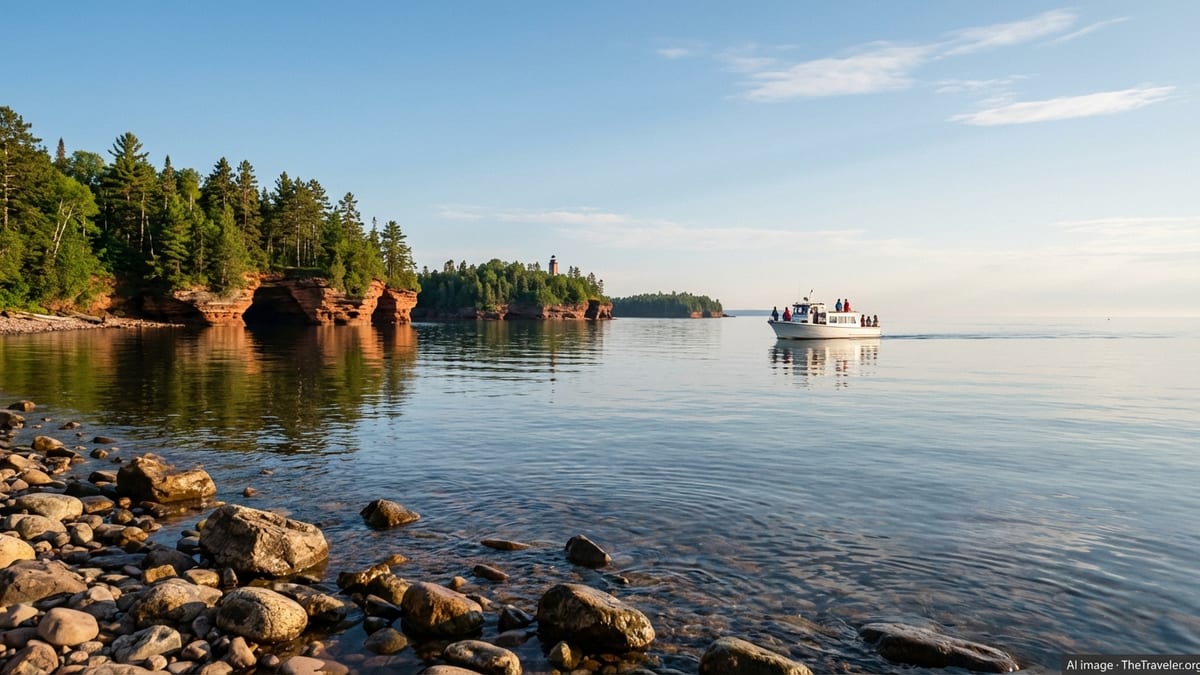
Understanding the Apostle Islands and When Costs Peak
The Apostle Islands National Lakeshore sits off the tip of Wisconsin’s Bayfield Peninsula, a protected chain of 21 islands plus a stretch of mainland cliffs. There is no entrance fee to the park, which helps keep basic access affordable, but almost everything else involves boats, permits, or small-town lodging, all of which add up. The park is managed by the National Park Service, while tours and most lodging are run by private operators in and around Bayfield and nearby communities.
Costs vary significantly by season. Late June through early September is peak time, when most cruises and shuttle boats operate daily and Bayfield’s small inventory of rooms fills quickly. During this window, expect to pay the highest lodging rates and to book tours well in advance. Shoulder seasons in late May, early June, and late September can offer slightly lower prices and better availability, but some boat schedules scale back, which may limit options if you want to reach specific islands.
Winter brings an entirely different calculus. The famed ice caves along the mainland cliffs sometimes open for hiking when conditions are safe, and the park may charge modest special use fees, but most commercial tours, cruises, and island campgrounds are shut down. If your goal is classic island-hopping, plan for late spring to early fall and budget accordingly for the short, busy season that defines this remote corner of Lake Superior.
Your overall budget will depend heavily on how you balance comfort and adventure. Travelers who stick to scenic boat tours and hotels can expect a more conventional Great Lakes getaway. Those who are willing to tent-camp, cook their own meals, and paddle or hike will find that the experience can be surprisingly affordable once they reach Bayfield, even though some up-front gear or guiding costs may be necessary.
Park Fees, Permits, and Core On-the-Ground Costs
One pleasant surprise for visitors is that Apostle Islands National Lakeshore does not charge a general entrance fee. Simply walking into the Bayfield visitor center or hiking local trails near town is free. The park’s fees are targeted to specific amenities, mainly camping, docking, interpretive programs, and parking at access points such as Meyers Beach. This structure makes it easier to tailor costs to the kind of trip you want to have.
Camping is one of the most important fee categories. Individual island campsites and primitive camping zones generally cost in the ballpark of about 15 dollars per night, while designated group sites tend to run closer to roughly 30 dollars per night. On top of that, you pay a per-trip reservation fee of around 10 dollars when you book your camping permit through the federal reservation system. These fees are per campsite or group site, not per person, so families and small groups can spread the cost out.
Docking and parking are smaller line items but worth noting. Overnight docking for private boats typically runs in the range of about 15 to 30 dollars per night, depending on vessel length. If you are accessing the mainland sea caves at Meyers Beach, expect to pay a modest day-use parking fee per vehicle, with a slightly higher rate for longer vehicles or those with trailers. Many travelers underestimate parking fees when calculating daily costs, so it is wise to factor this in, especially if you plan multiple visits to the same access point.
The park also charges for certain interpretive programs and lighthouse tours. Standard ranger-led activities often carry a small fee per adult, with reduced prices for children and families, and some lighthouse tours layer on an additional park fee collected when you land on the island. While individually modest, these program fees can add noticeable cost to a full day of sightseeing if several family members join every activity. On the positive side, holders of qualifying federal passes may receive discounts on specific user fees for camping, docking, and some guided tours, which can be meaningful over several days.
Boat Tours and Cruises: What You Can Expect to Spend
For many visitors, a narrated sightseeing cruise is the easiest and most efficient way to experience the Apostle Islands’ cliffs, lighthouses, and sea caves. The primary cruise operator out of Bayfield runs a popular Grand Tour that loops through much of the archipelago in roughly two and a half to three hours. As of the most recent schedules, adult tickets are generally priced in the low 50 dollar range, with child fares somewhat lower and very young children paying only a token amount. A small municipal passenger fee is added per ticket at purchase.
Specialty cruises such as lighthouse tours or hiking shuttles to places like Stockton Island and Oak Island are typically priced similarly to the Grand Tour for adults, again in the low to mid 50 dollar range, with slightly lower child fares. These excursions often involve more time on the water or time ashore on an island and may also require you to pay a modest park fee for any guided lighthouse component. If you are planning several family members on multiple cruises during a weeklong stay, the boat component can become one of your largest single expenses.
Overnight camping shuttles are a distinct category of expense. Shuttle service that ferries campers and their gear to islands such as Stockton or Oak often costs a little more than the standard sightseeing cruise, typically in the low 60 dollar range per adult ticket, with slightly reduced prices for children. There may be additional charges if you bring sea kayaks aboard, priced separately for single and tandem boats. Because these shuttles save you the cost and logistics of chartering a private boat, they can still be relatively economical for those who plan to camp several nights.
Availability also matters for budgeting. In peak summer, many Grand Tours and island shuttles sell out, and walk-up options can be limited. Buying tickets ahead of time locks in your costs and gives you a clear sense of how much of your budget is devoted to time on the water. If you prefer to keep plans flexible, expect to pay the same posted fares but accept the risk that the exact tour or time slot you want may not be available on short notice, which can make your visit feel less efficient for the money spent.
Kayak Tours, Gear Rentals, and Guiding Costs
Paddling beneath the red sandstone cliffs and sea caves is one of the signature Apostle Islands experiences, but it comes with distinct costs. Because of Lake Superior’s cold water, fast-changing weather, and exposed shorelines, outfitters are cautious about conditions and strongly encourage or require guided tours for less experienced paddlers, especially at Meyers Beach and among the outer islands. These guided trips include specialized sea kayaks, safety gear, and professional guidance, all reflected in the price.
At the mainland sea caves near Meyers Beach, half-day guided kayak tours typically cost in the general range of about 65 dollars per person for a shorter two-hour experience. Longer tours of roughly four hours that allow more time exploring caves and rock formations are usually priced higher, often around 100 dollars or a bit more per person. These prices cover your boat, paddle, life jacket, and basic instruction, as well as the guide’s expertise and safety oversight.
In other parts of the Bayfield Peninsula, shorter, more sheltered coastal tours can be slightly cheaper or similarly priced, often around the mid 70 dollar range for two-hour journeys that stick to calmer waters and beginner-friendly routes. Night tours with lights, skills courses, and specialized instruction sessions tend to sit at the upper end of the local price spectrum. While it may be tempting to save by renting kayaks and going alone, travelers unfamiliar with Lake Superior conditions often choose guiding as a form of safety insurance.
Private rentals for experienced paddlers, where available, can reduce per-person costs if you are comfortable planning your own route and handling self-rescue. However, insurance requirements, equipment standards, and the need for appropriate cold-water gear mean that independent rentals are not as cheap as basic recreational kayaks on a small lake. When you compare the difference in cost between a bare-bones rental and a full guided tour, many visitors decide that the added support and interpretation of a guide are worth the marginal increase in price.
Lodging in Bayfield and Nearby: Hotels, Cabins, and Camping
Because the islands themselves offer only tent camping, most visitors who prefer beds and hot showers base themselves in Bayfield, the small gateway town, or in nearby communities on the Bayfield Peninsula and Madeline Island. The limited number of rooms in and around Bayfield drives summer prices upward. In peak season, standard motel rooms and small inn rooms often fall in a broad range that starts around the low to mid 100 dollars per night and can climb to 200 dollars or more per night at popular properties, especially on weekends.
Cabins, vacation rentals, and lakeside cottages can push nightly costs higher, particularly for prime locations with water views or private shoreline. These often have multi-night minimums in summer, which can increase the total trip cost even if the per-night rate seems manageable. Travelers who book several months ahead or who visit in late spring or early fall may find more moderate pricing, with some properties falling closer to the 100 dollar range on quieter midweek nights.
For those willing to camp on the mainland rather than stay in a hotel, car and RV campgrounds operated by the state or private owners around Bayfield and on nearby Madeline Island provide alternatives. These mainland campgrounds usually charge per site, not per person, and total nightly costs are generally far lower than hotels, even after factoring in parking or day-use passes. However, they do not replace the need for island camping permits if you intend to camp within the national lakeshore itself, where all sites are tent-only and require boat or hiking access.
Island camping, while budget-friendly on a per-night basis, involves extra transportation costs and planning. All national lakeshore campsites, with the exception of a few mainland walk-in sites, must be reached by boat or sea kayak. This means paying for shuttles, charters, or outfitted trips, or bringing your own boat. If you already own appropriate gear, island camping can be one of the least expensive ways to spend several nights exploring the park. If you need to rent or hire transport, your lodging savings may be offset by those added logistics.
Transportation to Bayfield and Getting Around Locally
Compared with coastal hubs or major national parks, reaching the Apostle Islands requires extra drive time. The nearest commercial airports are a significant distance away, so most visitors arrive by car after flying into regional hubs or driving from home. Fuel and road-trip expenses will make up a meaningful portion of your total budget, especially if you are coming from distant states or towing a trailer with kayaks or a boat.
Once you are in Bayfield, the town itself is compact and walkable, so you can often park at your lodging and explore on foot. However, some key access points, such as Meyers Beach or Little Sand Bay, require a drive out of town, with parking fees in a few locations. If you plan multiple paddling or hiking days, budget a modest daily amount for fuel and parking. Rideshare services are limited in this rural area, and taxis are not as readily available as in larger destinations, so most travelers will find having a car essential.
Boat transportation between the mainland, Madeline Island, and the national lakeshore islands layers on additional costs. A separate, privately run ferry connects Bayfield and Madeline Island, charging per vehicle and per passenger. While Madeline Island itself is outside the national lakeshore boundary, many visitors include it in their itineraries for beaches, biking, and camping. If you are bringing a car over, factor the round-trip ferry fare into your budget and consider whether you truly need a vehicle on the island or can get by as a walk-on passenger.
Within the park, there is no public island-hopping system comparable to a city transit network. Instead, you rely on scenic cruises, island shuttles, private charters, or your own vessel. Private powerboat or sailboat charters can become one of the most expensive aspects of a visit, often running several hundred dollars for half-day or full-day trips depending on group size and vessel type. On the other hand, if you share a charter with family or friends, the per-person cost can sometimes rival or beat booking multiple seats on scheduled tours, while giving you more control over itinerary and timing.
Food, Gear, and Hidden Costs Many Travelers Miss
Compared with lodging and boats, food in Bayfield and surrounding towns is a relatively moderate part of the budget, but prices can still feel higher than in larger cities. You are paying small-town premiums, seasonal staffing, and the logistics of operating in a remote region. Casual cafes, fish shacks, and family restaurants will typically charge typical tourist-town prices for entrees, while higher-end spots with lake views can be more expensive. If you are in town during a festival or busy weekend, reservations can be wise for sit-down dinners.
Self-catering can reduce daily costs. Many vacation rentals and some inns offer kitchenettes, and there are grocery and convenience options in Bayfield and nearby communities. Stocking up on breakfast items, picnic lunches, and simple dinners allows you to reserve restaurant spending for a few memorable meals. Campers can stretch budgets even further by buying dry goods, staples, and snacks before arriving in this relatively small market, though basic groceries are available locally if needed.
Gear is another area where costs can surprise you. Cold-water clothing, waterproof bags, and decent footwear are essential for safe and comfortable visits, especially if you plan on kayaking or camping. Purchasing specialized items last minute in a small town can be expensive, and selection may be limited. If you already own the basics, your incremental costs will be small. If you are building a kit from scratch, consider borrowing or renting from home outfitters, then using local tour operators for the truly technical equipment.
Finally, factor in hidden costs such as travel insurance, extra fuel for detours and scenic drives, parking tickets if you misread local signage, or fees for last-minute changes to camping permits and tour reservations. Cancellations and rescheduling often come with administrative charges, and weather on Lake Superior can force itinerary adjustments. Being realistic about the chance of a blown-out paddling day and setting aside a small contingency fund helps prevent frustration if plans shift.
Money-Saving Strategies Without Shortchanging the Experience
While the Apostle Islands can be pricey once you add up tours and lodging, thoughtful planning can keep the trip within a reasonable budget without sacrificing the highlights. One of the most effective moves is to combine a single signature boat experience with more low-cost or free activities. For instance, you might book one comprehensive Grand Tour cruise and one half-day kayak trip, then dedicate other days to hiking, beach time, and scenic drives that cost relatively little beyond parking and fuel.
Timing is another important lever. Visiting in late June or September often yields slightly lower lodging rates and fewer crowds, while many tour options still operate. Midweek stays can also be cheaper than weekends. Booking lodging and key tours well in advance allows you to compare options and avoid last-minute premiums. Flexible travelers can watch for shoulder-season deals or midweek packages offered by some Bayfield-area properties.
Traveling with a small group or family can dramatically change the math. Because many costs in the Apostle Islands are per campsite, per charter boat, or per vacation rental, sharing those fixed charges across several people reduces per-person expenses. A group of friends splitting a cabin and a private boat charter may pay less per person than couples relying solely on hotel rooms and scheduled tours. Just keep in mind that larger groups need to secure reservations even earlier, particularly for prime summer weeks.
Packing strategically also saves money. Bringing your own basic camping gear, daypacks, refillable water bottles, and layered clothing means you are less reliant on last-minute retail purchases. If you already own stable touring kayaks and appropriate safety equipment and are highly experienced in cold, open water conditions, transporting your own gear can reduce guiding costs. For most visitors, however, the safest and most economical compromise is to let professional outfitters handle boats and technical equipment while you bring everything else.
The Takeaway
Visiting the Apostle Islands is not the cheapest trip in the Upper Midwest, largely because access depends on boats, specialized gear, and a short, busy summer season in a small town with limited lodging. Yet careful budgeting and smart trade-offs can make this destination surprisingly attainable, especially for travelers willing to camp, share costs with friends or family, or focus on a few key tours instead of trying to do everything.
At a minimum, most visitors should budget for at least one scenic cruise or kayak tour, midrange lodging or camping costs, meals in a small tourist town, and the fuel or ferry fares required to reach this far northern corner of Wisconsin. From there, you can scale up or down based on your appetite for backcountry camping, private charters, and comfort amenities. What remains constant across budget levels is the payoff: sandstone caves, island lighthouses, and the immense presence of Lake Superior that define one of America’s most distinctive freshwater parks.
Whether you are a road-tripper looking for a few days of lakeshore scenery or an experienced paddler planning a week among the islands, understanding the real costs ahead of time will help you shape a trip that fits both your wallet and your sense of adventure. With realistic expectations and solid planning, the Apostle Islands can feel less like an expensive splurge and more like a carefully chosen investment in wild, memorable time on the water.
FAQ
Q1. Is there an entrance fee to Apostle Islands National Lakeshore?
There is no general entrance fee to the national lakeshore. You pay only for specific services such as camping, docking, parking at Meyers Beach, and certain tours or interpretive programs.
Q2. How much should I budget per day for a typical visit?
For a midrange summer trip with a hotel, one paid activity, meals out, and local transportation, many visitors find that a daily budget in the low to mid hundreds per person is realistic, though careful campers can spend less.
Q3. What does a scenic Apostle Islands cruise usually cost?
A standard narrated Grand Tour cruise from Bayfield typically costs in the low 50 dollar range per adult, with lower child fares and a small local passenger fee added to each ticket.
Q4. How expensive are guided kayak tours at the sea caves?
Shorter, two-hour guided kayak tours near the mainland sea caves usually run around 65 to 75 dollars per person, while longer four-hour tours tend to cost around 100 dollars or a bit more.
Q5. Are camping permits affordable compared with hotels?
Yes. Island campsites generally cost around 15 dollars per night, plus a one-time reservation fee per trip, which is usually far less than nightly hotel rates, though you must also pay for boat transport and bring appropriate gear.
Q6. When are lodging prices highest in Bayfield?
Lodging prices peak from late June through early September, especially on weekends and during festivals. Rates often drop somewhat in late spring and fall shoulder seasons, and midweek stays can be cheaper.
Q7. Do I need a car once I arrive in Bayfield?
You can walk around downtown Bayfield, but a car is very useful for reaching trailheads, beaches, and access points like Meyers Beach. Public transit and rideshare options are limited in this rural area.
Q8. How much do island shuttle boats for campers cost?
Overnight camping shuttles to popular islands such as Stockton or Oak generally cost in the low 60 dollar range per adult ticket, with slightly lower prices for children and extra fees if you transport kayaks.
Q9. Is visiting during the shoulder season really cheaper?
Often yes. Shoulder seasons in late May, early June, and late September can bring somewhat lower lodging costs and fewer crowds, though some tour schedules may be reduced compared with peak summer.
Q10. What are the biggest hidden or unexpected costs?
Common surprises include parking fees at access points, ferry fares, charges for changing or canceling reservations, last-minute gear purchases, and the cumulative cost of multiple tours or cruises during a short visit.