

Germany operates one of the world’s most tenant-friendly legal regimes. For internationally mobile professionals considering relocation, understanding how these strict laws protect renters is essential to assessing housing risk, negotiating leases, and planning long term residence in a country where more than half the population lives in rental housing.
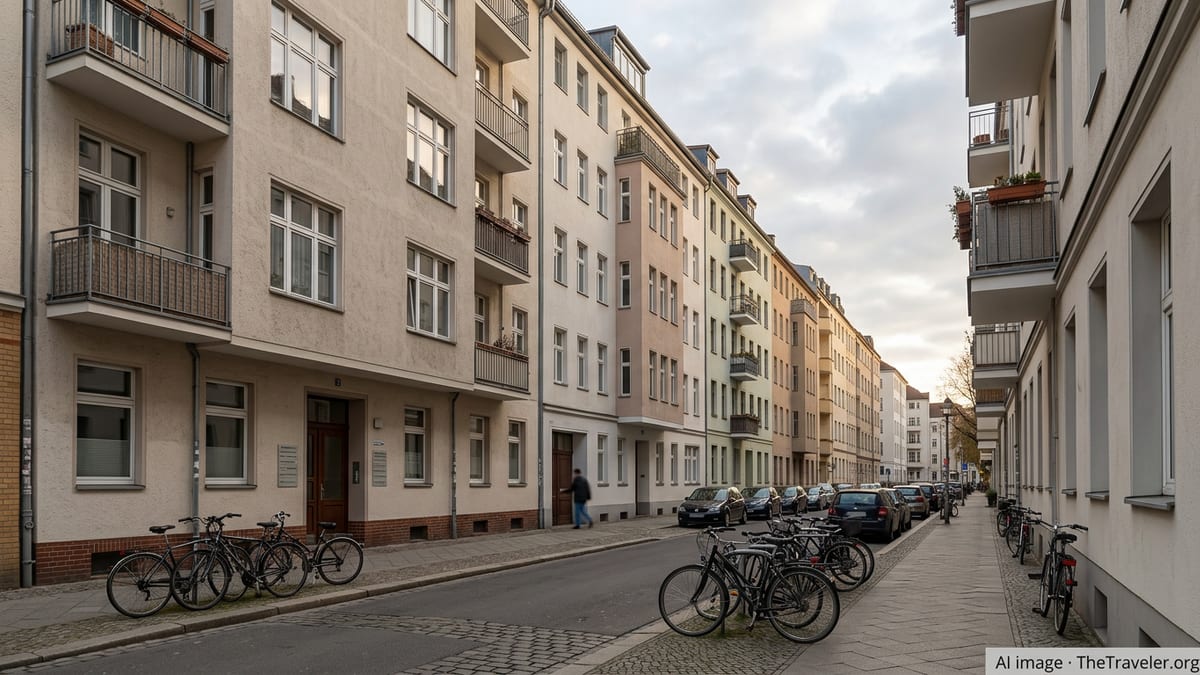
Germany’s Tenant-Oriented Housing Model
Germany is unusual among advanced economies in that renting is the norm rather than the exception. Recent data indicates that slightly more than 50 percent of households live in rented accommodation, compared with roughly one quarter on average across OECD countries. This structural reliance on renting is a core reason why German tenancy law has evolved to be highly protective of tenants, emphasizing stability and predictability of housing costs and tenure.
For relocating individuals and families, this tenant-oriented model means that renting is a mainstream, long term housing solution rather than a temporary step before ownership. Tenancy contracts are typically drafted for indefinite periods, and the legal framework in the German Civil Code (Bürgerliches Gesetzbuch, BGB) presumes ongoing continuation of the tenancy unless valid statutory grounds for termination exist. As a result, expats who integrate into the local system can, in principle, enjoy similar protections to domestic tenants once a lease is signed.
The protective system is not designed primarily for newcomers, but new arrivals benefit from a mature legal infrastructure that regulates landlord behavior, rent setting, and termination rights. This gives relocating tenants a high level of legal backing relative to many other destinations, although it also contributes to tight supply and competition for units in major cities.
Germany’s strong tenant protections coexist with a private market in which the majority of rented dwellings are let at market prices. Only a relatively small share of the housing stock is social or subsidized. This combination means that tenancy law is a central policy tool for managing affordability and preventing exploitative practices in the mainstream rental sector.
Security of Tenure and Eviction Protection
One of the most significant protective features of German tenancy law is the high degree of security of tenure it grants renters. Standard residential leases are usually concluded for an unlimited period. Fixed term leases are legally permitted only in specific circumstances and must cite a valid statutory reason, such as planned personal use by the landlord or substantial renovation that genuinely requires the tenant to vacate. Without such justification, the contract is treated as indefinite.
Termination rules are tightly regulated in favor of the tenant. Landlords cannot simply end a tenancy at will or at the expiry of a nominal contract period. They must provide a legally recognized ground, such as serious breach of contract by the tenant, significant rent arrears, or a credible and proven intention to use the apartment for themselves or close family. Even in these cases, notice periods are typically several months and lengthen with the duration of the tenancy, creating strong incentives for long term stability.
Evictions require a court process, and courts have discretion to examine hardship. If termination would cause exceptional difficulty for the tenant, particularly for elderly or vulnerable persons, judges may delay eviction. This procedural framework makes sudden loss of housing relatively rare for compliant tenants. For relocating professionals, once a tenancy is secured and rent is paid on time, the risk of arbitrary displacement is low compared with many other countries.
Recent amendments have further clarified and in some cases tightened termination protections. For example, where buildings are converted to individual ownership and sold, purchasers face a statutory lockup period of several years before they can terminate for personal use. The law aims to shield sitting tenants from displacement triggered by speculative investment or restructuring of ownership, a point of interest for expatriates who may rent in buildings undergoing such changes.
Regulation of Rent Setting and Rent Increases
Germany’s tenant laws do not impose a universal rent freeze, but they significantly constrain how landlords may set and adjust rents. Two mechanisms are particularly important: limits on in-tenancy rent increases and the framework for indexing rents to local reference levels. For sitting tenants with standard leases, rent increases are typically allowed only every 15 months and are capped over a three year period, often at around 15 percent in many areas, subject to the condition that the resulting rent does not exceed the locally customary comparative rent.
The local comparative rent is determined from reference data, often compiled in municipal rent tables that consider location, size, age, and features of comparable units. This concept restricts the extent to which landlords can raise rents purely on the basis of demand pressure. For relocating tenants who plan to stay in the same apartment for an extended period, such controls can materially improve cost predictability and generate what researchers describe as an “incumbent advantage” in housing costs relative to new entrants.
Rent increases following modernization are also regulated. Landlords can pass through a limited proportion of modernization costs to tenants, but this is subject to percentage ceilings and absolute annual euro caps per square meter. Recent reforms have reduced the allowable pass through to mitigate the risk of “renoviction,” where substantial works are used as a pretext to force higher rents or displacement.
Index-linked and graduated rent contracts exist but are subject to statutory safeguards, including transparency requirements and exclusions from additional percentage increases beyond what the index already provides. Tenants must be clearly informed of the mechanism, and landlords may not combine indexation with regular comparative rent increases. This protects relocating renters from contracts that might otherwise expose them to uncontrolled compounding rent hikes over time.
The “Mietpreisbremse” Rent Brake on New Leases
Beyond in-tenancy controls, Germany operates a special rent brake mechanism for many new leases in designated tight housing markets. Under this system, when a new tenant moves into an apartment in an affected area, the initial rent may generally not exceed 10 percent above the local reference rent for comparable dwellings. Federal legislation allows the states to identify such high pressure regions, which often include central districts in cities such as Berlin, Munich, Hamburg, Frankfurt, and others.
The rent brake, first introduced in 2015, has been periodically tightened and extended. Most recently, lawmakers approved a prolongation so that the mechanism will remain in place through the end of 2029. This long horizon signals that policymakers expect continued pressure on urban rental markets and intend to maintain a legal tool that moderates rent escalation for new tenants even when demand strongly exceeds supply.
There are limited exemptions that relocating tenants should understand. Newly built apartments and apartments that have undergone comprehensive modernization may be exempt from the rent brake, on the premise that caps should not discourage new construction or major upgrades. In these cases, initial rents can follow market demand more freely. However, when a landlord invokes an exemption, they must generally disclose the grounds for setting a higher rent, and tenants may have legal recourse if the exemption is misapplied.
Although the rent brake does not prevent all rent increases or guarantee affordability in very popular neighborhoods, it provides an important protective floor. It reduces the scope for landlords to charge exorbitant premiums purely because a prospective tenant is unfamiliar with the market or urgently needs accommodation. For globally mobile professionals entering Germany’s most competitive city markets, this mechanism can meaningfully limit the risk of being significantly overcharged compared to local benchmarks.
Legal Remedies and Enforcement Options for Tenants
Tenant protections in Germany are not purely theoretical; they are backed by accessible legal remedies and a well developed institutional ecosystem. Tenants who suspect that their rent exceeds statutory limits, or who face questionable termination notices, can challenge these actions in civil courts. There are clear procedural rules for contesting rent increases, disputing modernization surcharges, or invoking the rent brake where an initial rent appears too high.
Tenant associations, active in most major cities and regions, play an important role in enforcement. For a modest membership fee, renters can receive legal advice, contract checks, and in some cases representation in disputes. These organizations monitor legislative changes and court decisions, providing practical guidance that is especially useful for foreigners not yet familiar with German legal terminology or practices. Their presence increases the likelihood that unlawful landlord behavior will be contested.
Recent legislative reforms have strengthened information rights. In areas covered by the rent brake, landlords are often obliged to disclose whether and why a higher rent might be permissible, such as due to prior modernization or new construction. If they fail to provide this information, tenants may have extended rights to reclaim overpaid rent retroactively once a violation is established. This creates a financial disincentive for landlords to test or exceed the legal boundaries.
For relocating tenants, effective enforcement means that written law is more than a formality. While pursuing legal remedies requires time and sometimes litigation, the very existence of strong precedents, tenant advocacy structures, and standardized procedures shapes landlord behavior. Many institutional landlords adopt compliance focused policies to avoid reputational and legal risk, which benefits tenants by embedding protection into day to day practice.
Implications for Relocating Tenants: Benefits and Trade-offs
Germany’s strict tenant laws produce a clear set of advantages for renters considering relocation. Once a suitable apartment is secured, tenants can generally rely on long term occupancy, regulated rent increases, and meaningful recourse in case of disputes. The legal framework reduces the probability of sudden price shocks or arbitrary evictions, making it easier to plan multi year careers and family life. For internationally mobile staff on fixed assignments or open ended contracts, this stability is often a decisive factor when comparing destinations.
These protections, however, also contribute to structural constraints in the rental market. Because sitting tenants are well protected and rent increases are limited, turnover is low. Studies indicate average tenancy durations around a decade for many households. Combined with demographic pressures and constrained new construction in major cities, this leads to tight vacancy rates and strong competition for available units, particularly in central urban locations popular with expats.
Newcomers therefore face a dual reality: very strong protection once a contract exists, but a challenging search phase characterized by short listing times, multiple applicants per unit, and rigorous documentation requirements. In practice, strict tenant laws shift a significant portion of the housing risk from the incumbency phase to the entry phase. Relocating professionals should factor in potentially longer and more intensive searches, especially in markets where average asking rents in prime cities can be substantially above the national average per square meter.
From a corporate mobility standpoint, Germany’s legal environment often prompts employers and relocation providers to offer targeted assistance at the front end, such as housing search support, documentation coaching, and temporary accommodation. Once permanent housing is secured, the robust tenant protections reduce the need for continuous corporate intervention over the life of the assignment.
The Takeaway
For individuals and organizations evaluating Germany as a relocation destination, the country’s strict tenant laws are a central structural feature of the housing environment. They reflect a long established policy choice to treat renting as a secure, long term tenure option closely protected by civil law. The result is a market in which tenants who secure a lease benefit from strong security of tenure, regulated rent dynamics, and effective legal remedies.
At the same time, these protections interact with demographic and construction trends to produce tight conditions in many city markets. New arrivals must navigate competitive search processes in exchange for the long term stability the system offers. Understanding the mechanics of security of tenure, rent control, the rent brake on new contracts, and enforcement channels is therefore essential for realistic housing planning.
Overall, Germany’s tenant protection regime substantially mitigates many of the classic risks associated with renting in a foreign country. For globally mobile professionals who value predictability and legal security once settled, these laws are likely to be seen as a significant advantage, provided that relocation plans also account for the front loaded challenges of entering such a tightly regulated and in demand rental market.
FAQ
Q1. Are residential leases in Germany usually fixed term or open ended?
Most standard residential leases in Germany are open ended. Fixed term contracts are only valid when a legally recognized reason, such as planned personal use or major renovation, is explicitly stated; otherwise the lease is treated as indefinite and tenants enjoy strong security of tenure.
Q2. How often can a landlord legally increase the rent for a sitting tenant?
For typical leases, landlords can generally increase rent only after a minimum waiting period of about 15 months, and cumulative increases over three years are capped, often at around 15 percent, provided the final rent does not exceed the local comparative rent for similar properties.
Q3. What is the “Mietpreisbremse” and how does it protect new tenants?
The Mietpreisbremse, or rent brake, is a rule in designated tight housing markets that limits the initial rent for new tenants to no more than 10 percent above the local reference rent. It is designed to prevent excessive pricing when a new lease is signed in high demand areas.
Q4. Can a landlord terminate my lease simply because they want a different tenant?
No. Landlords in Germany must cite a legally accepted reason to terminate, such as serious contract breaches or genuine personal use needs. Preference for another tenant is not a valid ground, and notice periods are often several months, increasing with the length of the tenancy.
Q5. What protections exist against eviction if I pay my rent on time?
Tenants who meet their contractual obligations and pay rent on time benefit from strong protection. Eviction usually requires a court order, and judges can consider hardship factors, especially for vulnerable tenants. Arbitrary or purely profit driven evictions are difficult to carry out legally.
Q6. Are modernization related rent increases limited by law?
Yes. While landlords can pass a share of modernization costs on to tenants, this is restricted by percentage ceilings and absolute euro caps per square meter per year. Recent reforms have reduced these limits to prevent excessive rent hikes disguised as modernization.
Q7. Do tenant protections apply equally to foreign nationals and expats?
Yes. Once a lease is signed, tenant rights and protections under German law apply regardless of nationality. Foreign tenants have the same legal standing as German citizens in matters such as rent control, termination protection, and access to courts.
Q8. What can I do if I suspect my agreed rent is unlawfully high?
Tenants who believe their rent breaches legal limits can request justification from the landlord, seek advice from a tenant association, and, if necessary, challenge the rent in court. In some cases, overpayments can be reclaimed retroactively once a violation is established.
Q9. How do local reference rents affect my long term housing costs?
Local reference rents, compiled from data on comparable properties, act as a benchmark for both in tenancy rent increases and the rent brake on new contracts. They limit how far and how fast rents can rise, giving long term tenants a degree of cost predictability relative to market pressures.
Q10. Does Germany’s strict tenant protection make it harder to find an apartment?
In many major cities, strong tenant protections contribute to longer average tenancies and lower turnover, which, combined with high demand, can make the search process competitive. However, once an apartment is secured, these same rules provide substantial stability and legal security for the duration of the stay.