

More news on this day
As a national staffing crisis strains Transportation Security Administration checkpoints at major U.S. hubs, John Glenn International Airport in Columbus has emerged as a notable outlier, keeping security lines largely manageable even during the busy spring break period.
Get the latest news straight to your inbox!
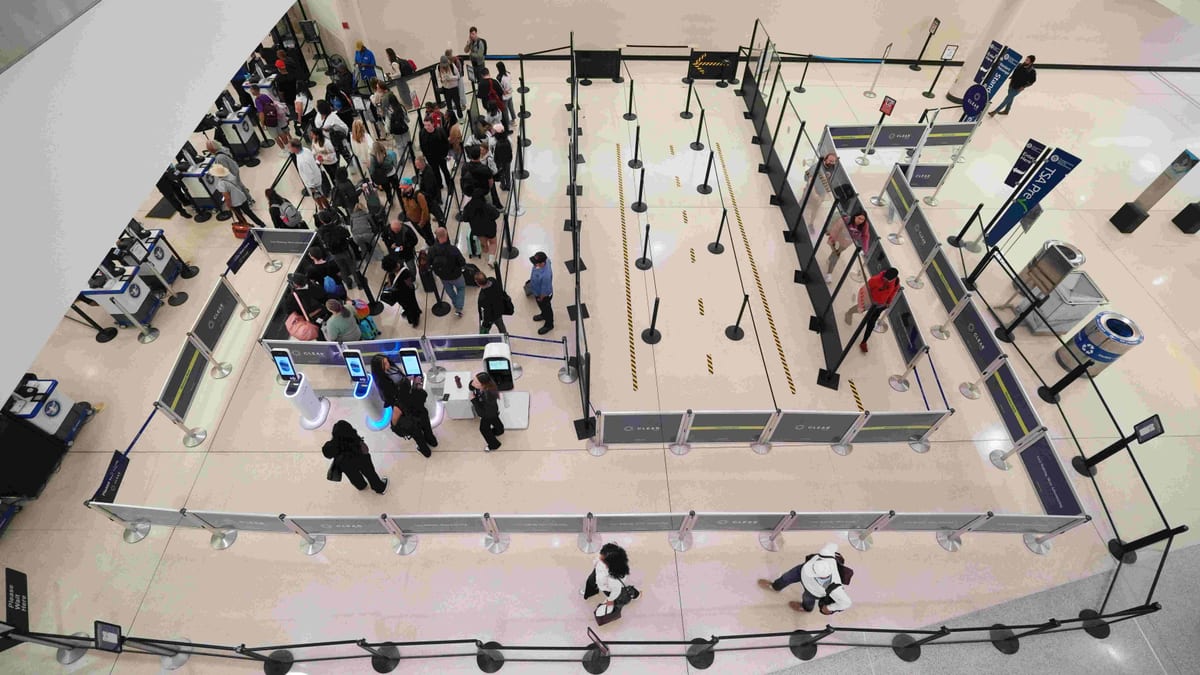
Image by The Columbus Dispatch
National TSA Turmoil, Local Response
The current TSA crisis, driven by an extended federal funding lapse and rising officer attrition, has produced headline-grabbing scenes of multi-hour waits at some of the country’s largest airports. Reports indicate that major hubs in Houston, Atlanta and New York have faced the steepest delays, with callout rates among screeners climbing as officers work without pay and seek temporary income elsewhere.
Against that backdrop, publicly available information shows that John Glenn International has so far avoided the worst of the disruption. Regional and national coverage point to normal or only moderately elevated wait times in Columbus while other airports have seen lines snaking through terminals and, in some cases, spilling outside.
The contrast has turned John Glenn International into a useful case study in how a midsize airport can manage a nationwide security staffing crunch, even when broader federal resources are under pressure.
Keeping Wait Times in Check
Recent local reporting indicates that security lines at John Glenn International have generally been far shorter than the two to three hours recorded at some larger hubs. Travelers have reported typical waits of a few minutes to around half an hour, with longer peaks largely confined to the earliest departures of the day and traditional rush periods.
Airport communications emphasize that checkpoint congestion is most likely when security opens in the pre-dawn hours and during concentrated banked departures. At those times, passengers can still encounter visibly long queues, but they have not consistently reached the extreme durations seen elsewhere during the crisis.
Historical data reinforce this picture. Previous analyses of TSA complaints at the airport placed John Glenn higher than average for passenger concerns, suggesting that security has long been a point of scrutiny. Yet during the current national crunch, publicly available wait-time snapshots and traveler accounts point toward a system under strain but still functioning, rather than one in breakdown.
Messaging Strategy: Warning Against Arriving Too Early
One of the airport’s most distinctive responses has been its counterintuitive plea for passengers not to arrive excessively early. As alarming images circulate from other airports, some travelers have shifted to showing up three or even four hours before departure, hoping to beat potential lines.
John Glenn International has cautioned that this behavior can backfire. Public posts and media coverage describe the airport urging travelers to time their arrival more closely to departure, often highlighting a target of about 90 minutes for domestic flights. The airport has underscored that overwhelming checkpoints at opening time can artificially create long lines that taper off later in the morning.
This messaging is designed to smooth out demand across the day, spreading passenger flow more evenly and reducing self-inflicted bottlenecks. By steering travelers away from a “better absurdly early than late” mindset, the airport aims to preserve capacity for those who truly need to navigate security during peak windows.
Tools, Layout and Local Advantages
John Glenn International also benefits from structural features that make the TSA crisis somewhat easier to manage locally. The airport’s three concourses each have dedicated security checkpoints, a layout that can help distribute passenger volumes and prevent a single chokepoint from overwhelming the entire terminal.
In addition, the airport has leaned on publicly accessible tools to keep travelers informed in real time. Local coverage highlights an online security page that provides up-to-date checkpoint conditions, allowing passengers to check typical wait times before leaving home and adjust their arrival accordingly.
Columbus’s role as a midsize market, rather than a major international hub, offers another advantage. While federal data show that the TSA’s staffing challenges are nationwide, smaller origin-and-destination airports like John Glenn generally face less intense surges than coastal gateways handling large numbers of connecting passengers. That dynamic has likely contributed to the more stable checkpoint performance observed in Columbus.
Community Support and Ongoing Uncertainty
The current TSA crisis has also sparked visible community support around John Glenn International. Local posts and coverage reference donation efforts and gestures of appreciation for unpaid TSA staff, reflecting awareness that smooth security operations depend on a workforce under considerable financial strain.
At the same time, the situation remains fluid. National reporting suggests that federal officials are weighing options that could include redeploying officers from smaller airports to the hardest-hit hubs, and some analyses describe internal lists of airports that could face partial or temporary reductions in service if the shutdown drags on.
For now, publicly available information shows no indication that John Glenn International is facing imminent reductions or extraordinary disruptions, and the airport continues to advise travelers to follow its timing guidance, monitor real-time security updates and prepare for occasional longer lines during peak travel periods.
As the federal funding impasse continues, Columbus’s experience highlights both the limits and the possibilities of local management. While John Glenn International cannot resolve a national TSA staffing shortfall on its own, its mix of targeted messaging, real-time information and operational advantages has so far helped it navigate a crisis that remains very much in motion across the United States air travel system.