

Stretching between Michigan and Ontario with hundreds of beaches, islands, and small towns, Lake Huron offers getaways that can feel as rustic or as refined as you like. Costs vary widely across the lake, from quiet county parks and mom and pop motels to upscale island resorts and heritage inns. Understanding how prices differ by area makes it much easier to build a realistic budget, whether you want a family beach week, a romantic shoulder season escape, or a road trip that loops around the shoreline.
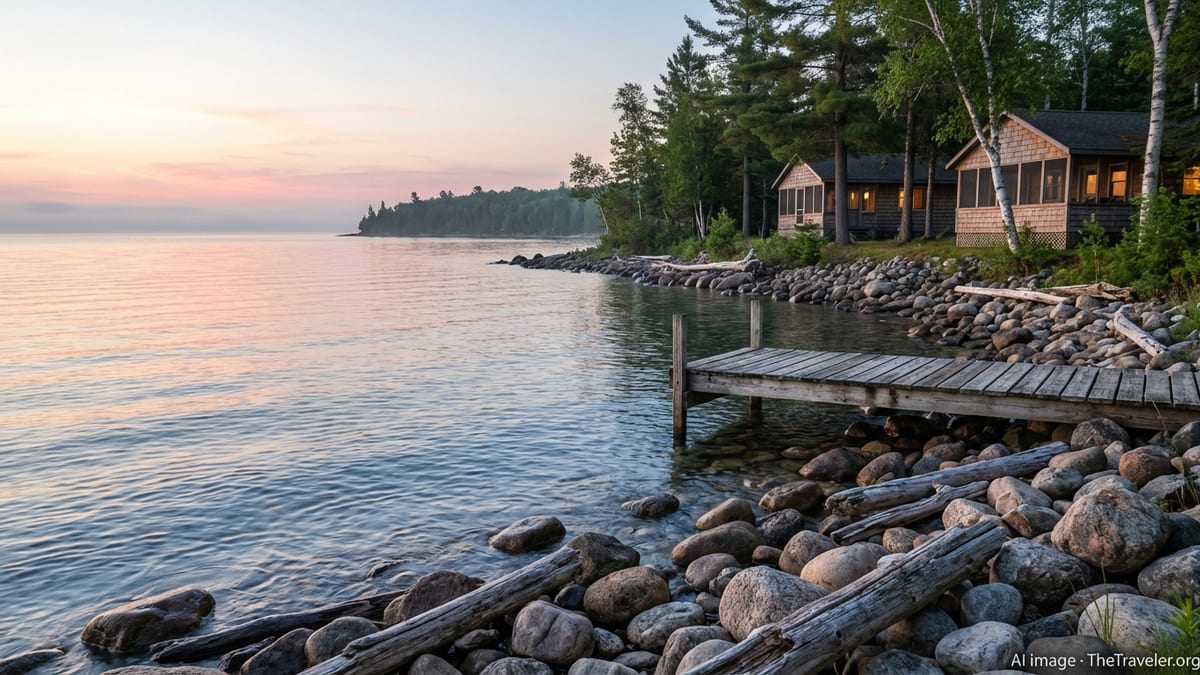
How Lake Huron Costs Vary Around the Shore
Lake Huron is large enough that it behaves more like a chain of regional destinations than a single place. On the U.S. side, travelers usually focus on Michigan’s Sunrise Coast between Bay City and Alpena, the Thumb and Port Austin area, and the Straits region around Mackinac. Across the border, popular bases stretch from southern Ontario beach towns north toward Bruce Peninsula, Manitoulin Island, and the smaller communities scattered along the North Channel.
Each of these pockets carries its own price profile. Areas that draw heavier summer tourism, such as Mackinac Island or Ontario’s Bruce Peninsula, typically come with higher lodging and restaurant prices than smaller inland towns a short drive from the lake. Cottage country in Ontario often runs on weekly rentals priced for families, while many Michigan destinations lean toward shorter motel and hotel stays supplemented by public beaches and day-use parks.
Season also matters greatly. Peak July and early August weeks can see nightly rates jump by 30 to 50 percent over shoulder season pricing, while May, early June, September, and even crisp October weekends often bring noticeably lower room rates and more flexible minimum stays. Building your plan around these rhythms can have as much impact on your total budget as the destination you choose.
Because Lake Huron spans two countries, currency values and tax structures also play a role. Travelers from the United States may find some Ontario locations feel slightly more affordable once exchange rates are factored in, even though posted nightly cottage rates often look higher on paper. The reverse can be true in years when the Canadian dollar strengthens. For a cross-border trip, it is wise to compare totals, not just sticker prices.
Michigan Mainland: Sunrise Coast, Thumb, and Straits
Along Michigan’s eastern shoreline, travelers find a mix of modest motels, independent lakeside hotels, vacation rentals, and county or state park campgrounds. In small beach towns and rural stretches, simple roadside motels and older family-run properties can often be found for roughly the low to mid three figures per night in high season, with more basic places occasionally dipping closer to the low end of that range in May, June, or September. Newer boutique properties or waterfront hotels in popular hubs generally price higher, particularly on peak weekends.
Vacation rentals and cottages on the Michigan side show a wide range. In communities such as Kincardine across the border, three bedroom cottages can command around the mid two hundreds per night in the shoulder season, implying higher summer pricing. Listings around Michigan’s lakefront towns follow a similar pattern, with simple two or three bedroom homes climbing into the mid or upper three figures per night during July and early August when demand is strongest. Waterfront access, updated interiors, and proximity to a popular swimming beach all tend to push prices up.
Camping remains one of the most economical ways to see the Michigan shoreline. State park campgrounds with beach access and wooded sites often charge modest nightly fees by North American resort standards. Private campgrounds with more amenities, such as pools or organized activities, typically layer on slightly higher per night charges. For budget travelers, a mix of tent camping or basic RV sites with occasional motel nights can keep per day lodging averages far below what a hotel-only trip would cost.
Daily expenses beyond lodging are usually manageable in Michigan’s smaller lake towns. Casual sit down meals in local diners, fish shacks, and family restaurants often fall in the mid teens to low thirties per person before drinks, while ice cream stands, coffee shops, and pizza places offer lower cost options. Activity fees are typically minimal: public beaches, lighthouses, and short hiking trails either cost nothing or only a small day use fee, leaving room in the budget for a sailing charter, fishing guide, or kayak rental if you want a splurge experience.
Mackinac Island and the Straits: Premium Views, Premium Prices
Mackinac Island, floating just off the Straits of Mackinac where Lake Huron and Lake Michigan meet, is one of the highest priced slices of the lake. As a car free island that relies on ferries, bikes, horses, and walking, virtually every visitor starts by paying for transport across the water. Recent ferry pricing has adult round trip tickets in roughly the mid to upper thirties, with childrens tickets somewhat lower and small children often riding free. Some departures or enhanced boarding options can cost a bit more, although these extras are easy to skip for most travelers.
Parking on the mainland adds another line to the budget. At the busier docks in Mackinaw City and St. Ignace, day lots commonly fall in the ten dollar range while overnight rates run higher, especially for premium dockside spaces or valet. Over a long weekend or a week, that difference between basic off site parking and premium harborfront spots can become a meaningful savings if you are willing to take a shuttle.
Once on the island, lodging forms the bulk of the cost. At the very top of the market, historic resort hotels can charge several hundred dollars per night, with peak season and special events driving rates even higher. Public information from an organized group program based at one grand hotel shows that replicating a three night stay with meals and resort fees on a private basis can add up to several thousand dollars for two people, highlighting how quickly costs climb at the luxury end. Midrange island inns and small hotels often fall somewhere around the mid hundreds per night in the heart of summer, with budget friendly choices occasionally available if you avoid weekends, book far in advance, or travel in May or late September instead.
Activities on Mackinac Island also tend to cost more than comparable experiences on the mainland. Renting a bike, one of the classic ways to circle the island, often runs in the low double digits per hour or the mid tens to low seventies for a full day. Group carriage tours typically land in the roughly thirty to fifty dollar per person range for a standard loop, while private carriage rides, horseback riding, and golf round out the higher priced options. On the other hand, walking the lakeshore paths, climbing to lookout points like Arch Rock, and exploring the historic downtown are free aside from any optional museum or fort entry fees.
Ontario’s Cottage Country: Bruce Peninsula and Georgian Bay
Crossing into Ontario, the eastern and northern shores of Lake Huron transition into classic cottage country. Here, weekly rentals are the default, with families returning to the same lakeside cabin or small resort year after year. On the North Channel near communities like Bruce Mines, 2025 pricing for small lakeside cottages begins around the low one hundreds per night before tax for very compact units and climbs into the mid or upper one hundreds for larger cottages that sleep five or six. Weekly rates for these properties generally hover between the high eight hundreds and just over one thousand dollars plus tax, based on recent posted schedules.
Farther south in the Bruce Peninsula and Georgian Bay area, where water clarity and rocky shorelines attract more international attention, cottage and vacation home prices can run higher. Many rentals are listed by the week, and it is common to see prime season totals that work out to several hundred dollars per night once divided by seven. Updated interiors, private waterfront, docks, and proximity to major parks or well known beaches like those near Tobermory all influence pricing. Travelers can sometimes reduce their cost by targeting smaller inland lakes within a short drive of Lake Huron rather than insisting on direct frontage with sunset views.
Small motels and inns in Ontario lake towns offer another option for visitors who prefer shorter stays. In shoulder seasons, it is possible to find basic rooms for well under two hundred dollars per night, while peak summer weekends tend to push even modest properties higher. As on the Michigan side, provincial parks and private campgrounds provide a cost conscious base for those who are comfortable with tents or trailers. Nightly campsite fees are typically lower than even the simplest motels, though reservations are essential for summer weekends and holiday periods.
Grocery and restaurant costs in Ontario are comparable to other Canadian vacation regions. Eating most breakfasts and some dinners at the cottage can keep per person food costs moderate, while enjoying a few restaurant meals in harbor towns or at resort pubs serves as a memorable treat. Pub style meals commonly fall in the mid teens to low thirties per person before drinks, with more refined dining at boutique inns or vineyard restaurants running higher. Imported alcohol and wine can be noticeably more expensive than in many parts of the United States, something cross border travelers sometimes notice when stocking up.
Manitoulin Island and the North Channel: Remote but Reachable
Manitoulin Island, often described as the largest freshwater island in the world, sits squarely in Lake Huron and combines rural charm with a surprisingly broad range of accommodations. A representative lakeside resort on Manitoulin lists 2026 cottage rates where prime summer weekly totals for a family oriented unit sleeping four to six people sit in the mid one thousands, with off season weekly prices discounted by roughly ten percent or more. Nightly rates outside peak periods generally fall around the high one hundreds to mid two hundreds, depending on size and location, with small bunkie style cabins priced lower.
Compared with Mackinac Island, Manitoulin typically offers more space for the dollar. Many cottages include full kitchens, lake access, and simple recreational amenities like canoes, playgrounds, and fire pits in the base price. For groups who can travel outside of the absolute height of summer and commit to weeklong stays, per person lodging costs can feel quite reasonable once everything is divided among a family or group of friends. Travelers willing to camp or book basic motels in small island communities can save even more, though they may sacrifice immediate water views.
Reaching Manitoulin and neighboring North Channel communities does require some extra transportation planning. Depending on the route and season, visitors may use a combination of highways, bridges, and in some cases regional ferries. Fares for vehicle ferries in this part of Ontario can be a noticeable but manageable line item, especially for larger vehicles or travel trailers. It is sensible to factor those costs into the budget alongside fuel, given the distances involved in reaching this part of Lake Huron from major cities such as Toronto or Detroit.
Once on the island or in nearby mainland towns, many of the most rewarding activities cost very little. Hiking to lookouts, swimming at local beaches, visiting small museums, and attending community events are affordable ways to fill days. Guided cultural experiences and boat tours add to the budget but also deepen the experience of this region, especially for first time visitors who want context on Indigenous history, local agriculture, and the ecology of Lake Huron.
Transportation, Food, and Activities: What Shapes Your Daily Spend
Regardless of which shoreline you choose, three categories tend to shape the day to day cost of a Lake Huron trip beyond lodging: transportation, food, and paid activities. On the transportation side, road trips dominate. Fuel costs will depend on both distance from home and the size of your vehicle, but travelers often underestimate how many scenic detours, loops out to peninsulas, and backtracking to favorite beaches they will rack up. Setting a flexible but realistic fuel budget in advance helps avoid surprises once you start chasing sunsets or storm watching.
Ferry crossings are the other major transportation expense around Lake Huron. To reach Mackinac Island, round trip adult tickets commonly cluster in the mid to upper thirties, with children’s fares a bit lower and bikes, kayaks, or cargo trailers charged separately. In Ontario, certain island and peninsula routes charge by both passenger and vehicle length. For a family of four with a standard car, these costs can add up to a meaningful portion of the overall budget on shorter weekend trips. Planning fewer crossings but staying slightly longer at each island base will usually reduce per day costs.
Food expenses vary according to how much you cook. On the U.S. side, dinner in a casual lakeside restaurant might fall roughly between the mid teens and low thirties per person, with tax and tip on top. On the Canadian side, menu prices in dollars appear higher but are influenced by exchange rates. Travelers who prioritize cottages or vacation rentals with kitchens often handle breakfasts and some dinners themselves, then head into town for midday fish and chips, a bakery lunch, or an ice cream cone. This strategy keeps per person food costs significantly lower than a restaurant heavy itinerary.
Paid activities along Lake Huron cover a broad range of prices. Renting kayaks or stand up paddleboards by the hour, joining a short sailing trip at sunset, booking a fishing charter, or paying for admission to a heritage village or lighthouse will all add to the daily spend. However, one of Lake Huron’s biggest advantages is that its natural highlights such as beaches, cliffs, forests, and big skies can be enjoyed at little or no cost. Many travelers find that a mix of free outdoor time and one or two higher cost experiences per trip provides the right balance between budget and memories.
Sample Budgets for Different Lake Huron Trip Styles
Because prices move with exchange rates, fuel, and demand, it is helpful to think of Lake Huron trip budgets in ranges instead of fixed totals. A very frugal camping focused trip for two, staying mostly in state or provincial parks, cooking nearly all meals, and limiting paid activities to an occasional museum or ferry crossing, can sometimes be managed on a per day budget that sits closer to what you might spend simply living at home and adding modest recreation. In this scenario, lodging is the main controllable cost, and simple campsites keep that line low.
A midrange weeklong vacation for a family of four staying in a modest cottage on either side of the border looks quite different. With a typical prime season weekly cottage rate in the low to mid one thousands, lodging alone may work out to somewhat over one hundred dollars per person per night once divided, depending on group size. Add a basic restaurant meal or two per day, groceries for breakfasts and snacks, and an occasional rental or tour, and the household may find themselves operating in a comfortable but not extravagant range that feels similar to a ski condo trip or a stay in a popular national park.
At the higher end, a long weekend at a marquee island resort or luxury lakeside inn can easily run into the multiple thousands for a couple when peak season room rates, daily resort fees, upscale dining, and specialty activities are all added up. Public estimates tied to group programs on Mackinac Island suggest that replicating a three night package with full meals and activities on your own could exceed several thousand dollars for two people before transport, illustrating how quickly small indulgences compound in premium settings.
The key is matching your expectations to your budget from the start. If your priority is simply hearing the waves and taking long walks on the beach, then a humble motel or rustic cabin near a public park may be all you need. If your dream looks more like afternoon tea in a historic lounge, private boat charters, and sunset drinks in a harborfront bar, then acknowledging that you are planning a special occasion trip and budgeting accordingly will help you enjoy it fully without financial stress.
The Takeaway
Lake Huron is not a single price point destination but a mosaic of experiences, from children running down simple county park beaches to couples dressing for dinner in landmark island hotels. Costs shift meaningfully from Michigan to Ontario, from mainland to islands, and from July weekends to October weekdays. A careful traveler can still find affordable ways to enjoy this vast freshwater coast, but doing so requires flexibility in timing, lodging type, and how much you rely on restaurants and organized tours.
Approach your planning by first deciding what kind of atmosphere and pace you want, then choose regions and accommodations that match both that vision and your budget range. Build in room for transportation and a few memorable splurges, whether that is a bike loop around a car free island, a sailing trip at sunset, or dinner in a classic dining room. With realistic expectations and a sense of the costs from one part of the lake to another, a Lake Huron trip can feel less like a financial gamble and more like the rewarding, rejuvenating escape it is meant to be.
FAQ
Q1. Is the Michigan side or Ontario side of Lake Huron cheaper for a vacation?
The Michigan side often feels slightly cheaper for short hotel stays, while Ontario cottage rentals can be good value for longer family trips, especially in shoulder seasons.
Q2. How much should I budget per day for a midrange Lake Huron trip?
Many travelers find that a midrange budget of roughly a few hundred dollars per day for two people, including lodging, food, and simple activities, is workable.
Q3. Are island destinations like Mackinac and Manitoulin always more expensive?
Islands generally cost more because of ferry fares and higher lodging prices, but Manitoulin and smaller Ontario islands can be relatively affordable compared with luxury focused Mackinac.
Q4. When is the cheapest time of year to visit Lake Huron?
Late May, early June, and September into early October usually offer lower room rates, more flexible minimum stays, and fewer crowds than high summer.
Q5. Do I need a car for a Lake Huron vacation?
A car keeps costs down by opening more budget friendly towns and campgrounds, though specific spots like Mackinac Island are pedestrian and bike oriented once you arrive.
Q6. How expensive are ferry rides on Lake Huron?
Ferry costs vary by route, but a common pattern is mid to upper double digit fares per adult round trip, with modest discounts for children and extra charges for bikes or vehicles.
Q7. Can I do a Lake Huron trip on a tight budget?
Yes. Camping, cooking your own meals, traveling in shoulder season, and focusing on free outdoor activities can make a Lake Huron vacation surprisingly affordable.
Q8. Are vacation rentals around Lake Huron better value than hotels?
For families or groups staying several nights, cottages and rentals with kitchens often provide more space and lower per person costs than booking multiple hotel rooms.
Q9. How far in advance should I book to get decent prices?
For peak July and August weeks, booking several months ahead is wise. In spring and fall, you can often find fair rates with less lead time, especially midweek.
Q10. What hidden costs should I watch for when budgeting?
Look closely at cleaning fees, parking, ferry surcharges, taxes, and resort or service fees, as these can add significantly to the base nightly or ticket price.