

Iowa may not be the first state that comes to mind when planning a vacation, but its small cities, college towns, and quiet countryside can make for an affordable and surprisingly memorable trip. From Des Moines and Iowa City to the Mississippi River bluffs and covered bridges, costs are generally lower than in major coastal destinations, but they can still add up quickly if you do not plan ahead. This guide breaks down what a trip to Iowa really costs, with realistic sample budgets for 3, 5, and 7 days.
Key Factors That Shape Your Iowa Trip Cost
Compared with many parts of the United States, Iowa is relatively budget friendly, especially outside major festivals and college football weekends. Your total spend will depend heavily on where you go. Des Moines, Iowa City, and Cedar Rapids tend to be the priciest for hotels and dining, while smaller towns and rural areas can be significantly cheaper. Seasonal events such as the Iowa State Fair in August, fall foliage weekends, and large sports events can cause noticeable price spikes on lodging and flights.
Transportation is another major factor. Iowa has no dense public transit network, so most travelers either drive their own car, rent a vehicle, or rely on rideshares and taxis in the cities. Gas prices in the Midwest are often a bit lower than the national average, which helps road trip budgets, but rental car rates can vary widely based on demand, vehicle type, and booking timing. If you are flying into Des Moines or Cedar Rapids, expect airfare to be a larger share of your total cost than in big hub cities.
Accommodation and food choices will shape your daily budget as well. Iowa has a mix of familiar chain hotels, locally owned motels, and a growing selection of short term rentals. In cities and popular small towns, you can find everything from basic diners and food trucks to chef driven restaurants. Choosing more casual meals and staying slightly outside city centers can lower your per day spend without feeling deprived.
Finally, activities in Iowa tend to be relatively affordable. Many of the state’s highlights involve low cost or free experiences, such as walking historic downtowns, visiting state parks, exploring riverfront paths, or attending small town festivals. Museums, attraction tickets, and guided tours exist in the larger cities, but costs are usually modest compared with national theme parks or luxury resorts elsewhere in the country.
Typical Daily Costs in Iowa: Budget, Mid Range, and Comfortable
To build a realistic trip budget, it helps to think in daily cost ranges. For a lean budget experience, a traveler staying in budget motels or lower priced short term rentals, eating mostly at casual spots, and enjoying free or low cost activities can often keep daily expenses in Iowa on the lower side compared with national vacation averages. This is especially true if transportation is shared among two or more people.
A mid range traveler, staying at standard chain hotels or well reviewed independent properties, mixing sit down meals with simple breakfasts or grab and go lunches, and paying for some museums and attractions, will see noticeably higher daily costs, though still usually manageable. In cities like Des Moines and Iowa City, mid range pricing often feels similar to many midwestern metro areas, while small towns can come in below that level.
At the higher end, a comfortable or premium experience in Iowa might involve centrally located boutique hotels, frequent restaurant meals with drinks, tickets to shows or live events, and guidance or special tours where available. While it is harder to reach luxury price levels seen in major resort markets, it is still easy for costs to climb if you opt for upgraded rooms, specialty dining, and private experiences.
On average, many visitors find that Iowa’s value sweet spot is in the mid range. Splurging occasionally on a nicer dinner or a unique activity while relying on the state’s many free parks, scenic drives, and low cost attractions allows you to enjoy the destination without pushing your budget to uncomfortable levels.
Sample 3 Day Trip to Des Moines: Quick City Getaway
For travelers short on time, a three day stay in Des Moines works well for a long weekend. You can explore the compact downtown, visit the Pappajohn Sculpture Park, and check out neighborhoods like the East Village without needing a car all the time if you stay centrally. However, many visitors still choose to rent a car or drive their own to have more flexibility for side trips and shopping.
On a lean budget, a 3 day Des Moines trip might involve staying at a budget hotel or affordable short term rental outside the core downtown area, relying on simple breakfasts, casual lunches, and one restaurant dinner per day. If you drive your own car, you will mainly pay for gas and parking, and you can focus on free attractions like parks, riverfront walks, and local markets. In this scenario, your total spending for three days can remain on the modest side, especially if you are sharing lodging costs with a travel companion.
A typical mid range 3 day budget could include a standard chain hotel near downtown, two or three paid attractions, and several restaurant meals. You might plan for one higher priced dinner to try a well known restaurant, along with more casual options the rest of the time. With moderate spending on drinks and entertainment, this kind of long weekend will cost more per day but still often under what you might pay in bigger cities across the country.
For travelers seeking a more comfortable or indulgent short break, upgrading to a boutique hotel or higher category room in the city center, adding ride shares for convenience, and booking premium dining or a special experience such as tickets to a show can push the budget higher. Even then, compared with coastal city getaways, many visitors find Des Moines relatively gentle on the wallet, provided they plan ahead and book lodging before major events send prices upward.
Five Day Itinerary: Blending Iowa City, Small Towns, and Countryside
A five day trip opens up more of Iowa beyond a single city. A popular pattern is to combine time in Iowa City or Cedar Rapids with one or two smaller communities or rural areas. This style of trip often works best as a drive, either in your own car or with a rental picked up at the airport. Distances between towns are usually manageable, and the scenic byways and country roads are a big part of the appeal.
On a tighter budget five day plan, you might limit yourself to one night in a city, staying in a budget friendly hotel or rental, and then spend the remaining nights in smaller towns where accommodation costs can be lower. Preparing some of your own breakfasts or picnic style lunches can help, as can visiting free attractions like local parks, farmers markets, and historic main streets. With careful choices, a five day road trip of this kind can stay in a modest cost range without feeling overly constrained.
For a mid range five day visit, assume two or three nights in a city such as Iowa City, known for its university atmosphere and walkable downtown, and two or three nights in another region of the state. You might stay in standard chain hotels or mid tier B&Bs, eat at a mix of cafes, breweries, and sit down restaurants, and pay modest entrance fees for museums or cultural sites. Gas, parking, and an occasional rideshare will add to the transportation line, but splitting costs among friends or family can keep per person expenses reasonable.
Travelers with a larger budget might use a five day trip to enjoy higher end lodging options where available, such as boutique inns or distinctive rural stays, along with more frequent restaurant meals and wine or craft beer tastings. Booking special experiences, such as guided tours, live performances, or seasonal events, will raise the total, but in exchange you gain a richer sense of local culture and everyday life in Iowa.
Seven Days in Iowa: Statewide Road Trip Costs
With a full week in Iowa, it is realistic to design a loop that takes in several regions. Many travelers start and end in Des Moines, then branch out to explore Mississippi River towns, university cities, and quieter rural counties. The flexibility of a seven day trip allows a slower pace and more unhurried exploration of local shops, cafes, and natural areas.
For budget minded travelers, the key to keeping a seven day Iowa road trip affordable is managing lodging and food costs. Choosing basic but clean motels, staying multiple nights in one place to secure better nightly rates, and balancing grocery store breakfasts with occasional restaurant dinners can keep per day spending at a manageable level. Free hikes, state park visits with low entrance fees, and self guided walking tours of historic districts help you see a lot without constant ticket expenses.
A mid range seven day road trip will likely include a mix of city and small town hotels, several sit down dinners, and a handful of paid attractions across the week. You might plan for a couple of more memorable meals or unique experiences and then keep other days simple. Gas costs for a week of driving around the state can be spread among passengers, and many visitors find that parking is generally affordable compared with larger metro areas.
At the comfortable end of the spectrum, a weeklong Iowa itinerary can involve boutique hotels where available, private cabins or well appointed rentals in rural areas, and more frequent dining at highly rated restaurants. You might schedule guided experiences, tickets to performances, or local tours in several stops. While this drives up the total trip cost, it still tends to compare favorably with similarly styled trips in more famous tourist states, making Iowa an appealing choice for travelers seeking value but not wanting to sacrifice comfort.
Major Cost Categories: Lodging, Food, Transport, and Activities
Across all trip lengths, the same core categories will shape how much you spend in Iowa. Lodging usually takes the largest share of the budget. Rates vary based on location, season, and how far ahead you book. City center hotels in Des Moines or Iowa City are priced higher than roadside motels in smaller towns, and major events can cause temporary spikes. Booking early and considering slightly off center neighborhoods can unlock lower nightly costs without sacrificing safety or convenience.
Food and drink form the second major category. Iowa’s dining scene leans heavily on hearty American fare, farm inspired menus, and casual cafes, though you can also find global cuisines in the larger cities. Travelers watching their budget often rely on complimentary hotel breakfasts where available, quick service lunches, and one sit down meal per day. Those with more room in their budget may explore more restaurants, bars, and breweries, which can quickly increase daily spending, especially when including alcohol.
Transportation expenses will depend on how you enter and move around the state. Flying into Des Moines, Cedar Rapids, or another regional airport adds airfare and often a rental car or rideshares. Driving your own car spreads the cost over gas, maintenance, and parking. Within cities, most visitors find that a combination of walking, limited rideshares, and occasional parking fees suffices. On a statewide road trip, gas and mileage become more prominent, but many travelers find that distances and fuel prices keep these costs reasonable.
Activities and entertainment often make up the smallest share of a typical Iowa trip budget, particularly if you gravitate toward outdoor recreation and simple exploration. Many museums and sights in Iowa charge modest admission fees or operate on suggested donations. State park entry fees, where applicable, tend to be relatively low. The main time you will see activity costs rise significantly is when you add ticketed events, live performances, or premium tours to your itinerary.
Money Saving Tips for a Budget Friendly Iowa Vacation
Even though Iowa is generally affordable, thoughtful planning can stretch your dollars further. One of the simplest strategies is to travel in shoulder seasons. Late spring and early fall often offer pleasant weather with fewer crowds than peak summer weekends, and lodging rates can be more forgiving. Avoiding major event dates, such as the Iowa State Fair or college homecoming games, will also help you sidestep temporary price surges.
Where you stay matters. Consider basing yourself slightly outside city centers or choosing smaller towns within an easy drive of popular sights. Budget friendly chains, older but well maintained motels, and simple guesthouses can all deliver good value if you read recent reviews carefully. For longer trips, short term rentals with kitchen access can make a real difference to your food budget, especially if you are comfortable preparing simple breakfasts and occasional dinners.
How you eat on the road also affects total cost. Many visitors find that making lunch the main restaurant meal of the day is cheaper than dinner, while still allowing them to try local flavors. Grocery stores and farmers markets are useful for picnics or snacks, reducing the temptation for constant cafe stops. Limiting alcoholic drinks at bars and restaurants, or enjoying them back at your lodging instead, can significantly lower the overall bill across a multi day trip.
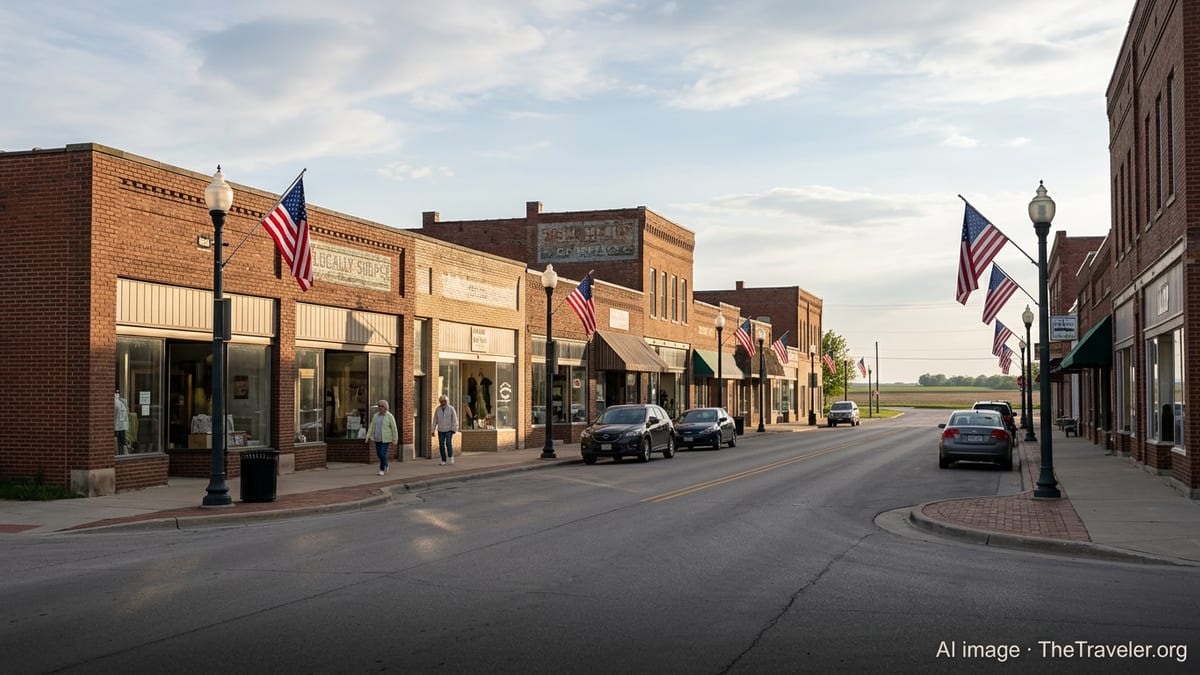
Finally, seek out free and low cost activities. Iowa’s small towns often host community events, local festivals, and markets that do not require expensive tickets. Scenic drives, self guided walking tours, and time at state or local parks provide meaningful experiences for little money. Visitor centers in cities and towns can point you to current free events, public art, and viewpoints that help you get more from your budget friendly vacation.
The Takeaway
Planning a trip to Iowa offers travelers a chance to experience a quieter side of the United States at prices that are often more manageable than in major resort or coastal destinations. Whether you have three days for a quick Des Moines city break, five days to blend university towns with rural landscapes, or a full week to circle the state, your choices around lodging, transportation, dining, and activities will determine the final bill far more than any fixed statewide price level.
By setting a realistic daily budget, booking accommodations ahead of big events, and taking advantage of Iowa’s many free parks, scenic areas, and community events, you can shape a trip that fits your means while still feeling rich in experiences. Modest spending on occasional special meals or unique activities can add flavor without overwhelming your finances, especially when balanced with simple pleasures like quiet sunsets over fields or strolls through historic downtown streets.
Ultimately, Iowa rewards travelers who appreciate value, relaxed pacing, and genuine local culture. With thoughtful planning and a clear sense of priorities, a 3 to 7 day journey through the state can deliver memorable moments, friendly encounters, and a sense of discovery that feels disproportionate to the cost. For many visitors, that balance between affordability and authenticity is what makes an Iowa vacation especially appealing.
FAQ
Q1. Is Iowa an expensive state to visit compared with others in the United States?
Iowa is generally more affordable than many coastal and resort states. Lodging, food, and everyday costs tend to be moderate, especially outside major events and peak summer weekends.
Q2. When is the cheapest time of year to travel to Iowa?
Prices often dip in late spring and late fall, outside school holidays and big festivals. Winter can also be cheaper, though cold weather and snow may limit some activities.
Q3. Do I need a car to explore Iowa, or can I rely on public transportation?
Most travelers find a car very helpful or essential. Public transportation is limited outside city centers, and a vehicle makes it much easier to visit small towns and rural sights.
Q4. How can I save money on accommodation in Iowa?
Booking early, staying slightly outside city centers, choosing budget chains or simple motels with good reviews, and considering short term rentals for longer stays can all reduce lodging costs.
Q5. Are there many free or low cost things to do in Iowa?
Yes. State and local parks, riverfront paths, small town main streets, public art, and community events provide plenty of inexpensive or free activities across the state.
Q6. Is food in Iowa generally affordable for travelers?
Food prices vary, but many diners, cafes, and casual restaurants are reasonably priced. Using hotel breakfasts, grocery store items, and farmers markets can keep food spending moderate.
Q7. How much should I expect to spend on gas for a weeklong Iowa road trip?
Gas costs depend on vehicle type, fuel prices, and distance driven, but many visitors report that fuel is a manageable share of the total budget thanks to modest driving distances.
Q8. Do big events like the Iowa State Fair significantly affect travel costs?
Major events can push hotel and rental prices higher in nearby areas and increase demand for restaurants and transportation. Booking well in advance helps avoid the highest spikes.
Q9. Is it possible to visit Iowa on a tight student or backpacker budget?
Yes. Staying in budget motels or shared rentals, cooking simple meals, and focusing on free outdoor activities and small town exploration can keep costs relatively low.
Q10. How far in advance should I book my Iowa trip to get good prices?
Booking flights and lodging several weeks to a few months in advance usually improves your chances of better rates, especially if your dates might overlap with popular local events.